Traceability
25 posts tagged with “Traceability”

Food Fraud Is a Logistics Data Problem: Detect Adulteration Before Inventory Commingling
Food adulteration becomes far harder to contain after receiving. Learn how shipment-level logistics data can flag suspect lots before commingling.
 CXTMS InsightsSeptember 29, 2026 · 6 min read
StarKist Supplier Allegations: Map Forced-Labor Evidence to Every Seafood Lot
Seafood importers need lot-level evidence linking vessels, crews, transshipment, processors, and finished goods when forced-labor allegations emerge.
CXTMS InsightsSeptember 23, 2026 · 6 min read
Food Safety Metrics Beyond Recall Counts: Build a Disease-Burden-to-Lot Traceability Loop
Recall counts reveal regulatory activity, not the full burden of foodborne illness. A disease-burden-to-lot loop turns health signals into targeted, auditable supply chain action.
CXTMS InsightsSeptember 22, 2026 · 6 min read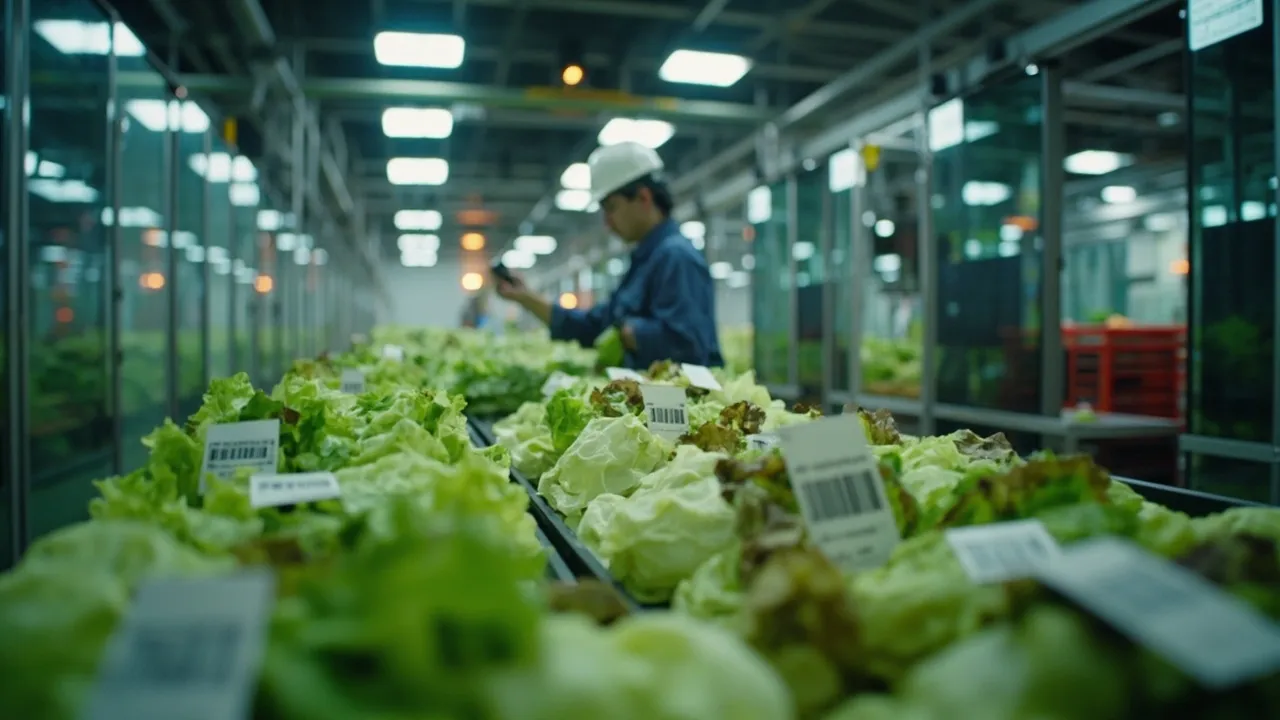
Cyclospora Outbreaks Make Lot-Level Produce Traceability a Transportation Requirement
The 2026 Cyclospora outbreak shows why produce recalls require shipment-level lot, custody, temperature, and consignee records—not broad supplier shutdowns.
CXTMS InsightsSeptember 9, 2026 · 5 min read
The EU Forced-Labour Ban Turns Supplier Audits Into Product-Level Release Decisions
The EU forced-labour product ban requires importers to connect supplier, worker, lot, and shipment evidence before releasing goods into the market.
CXTMS InsightsSeptember 7, 2026 · 6 min read
Foodservice Distribution’s Next Upgrade Is a Case-Level Delivery Exception Record
Case-level delivery exception records connect warehouse picks, routes, proof of delivery, and credits to resolve foodservice shortages and damage faster.
CXTMS InsightsAugust 23, 2026 · 6 min read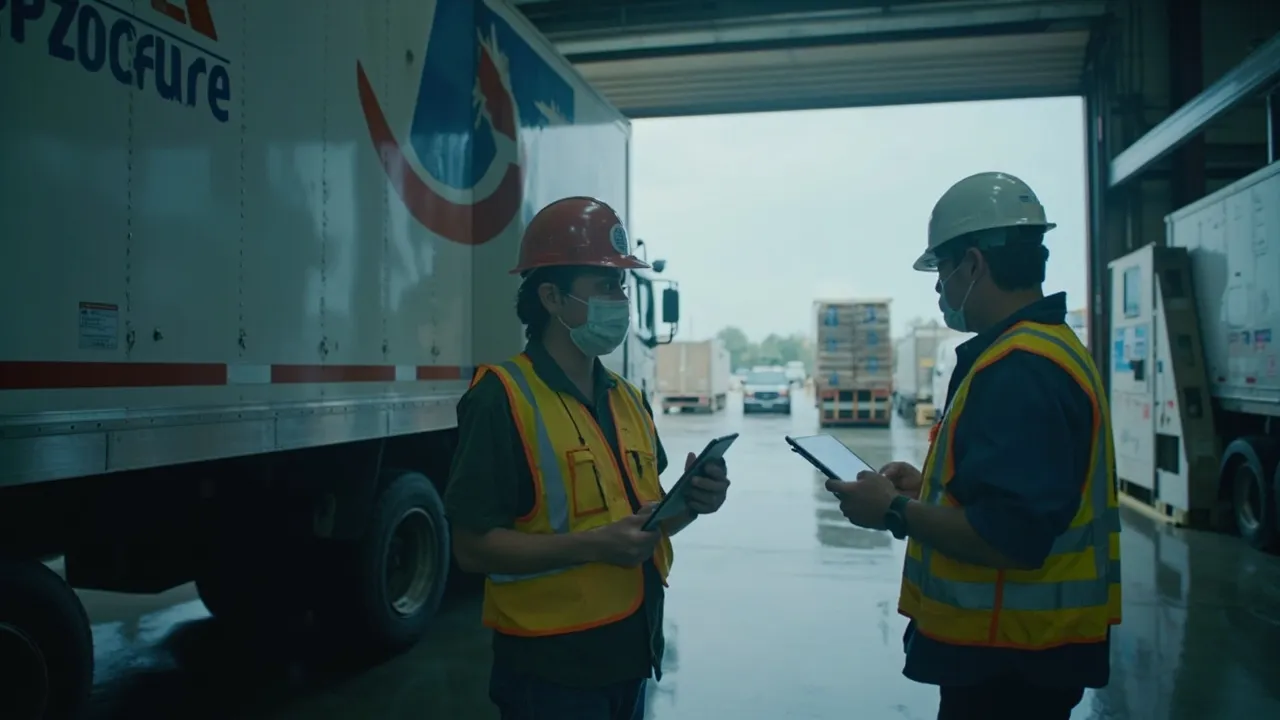
New BRC Supplier Guidelines Turn Food Logistics Into a Compliance Evidence Chain
Learn how food manufacturers and 3PLs can connect supplier approval, lot identity, certificates, temperatures, and delivery records into an auditable compliance evidence chain.
CXTMS InsightsAugust 15, 2026 · 5 min read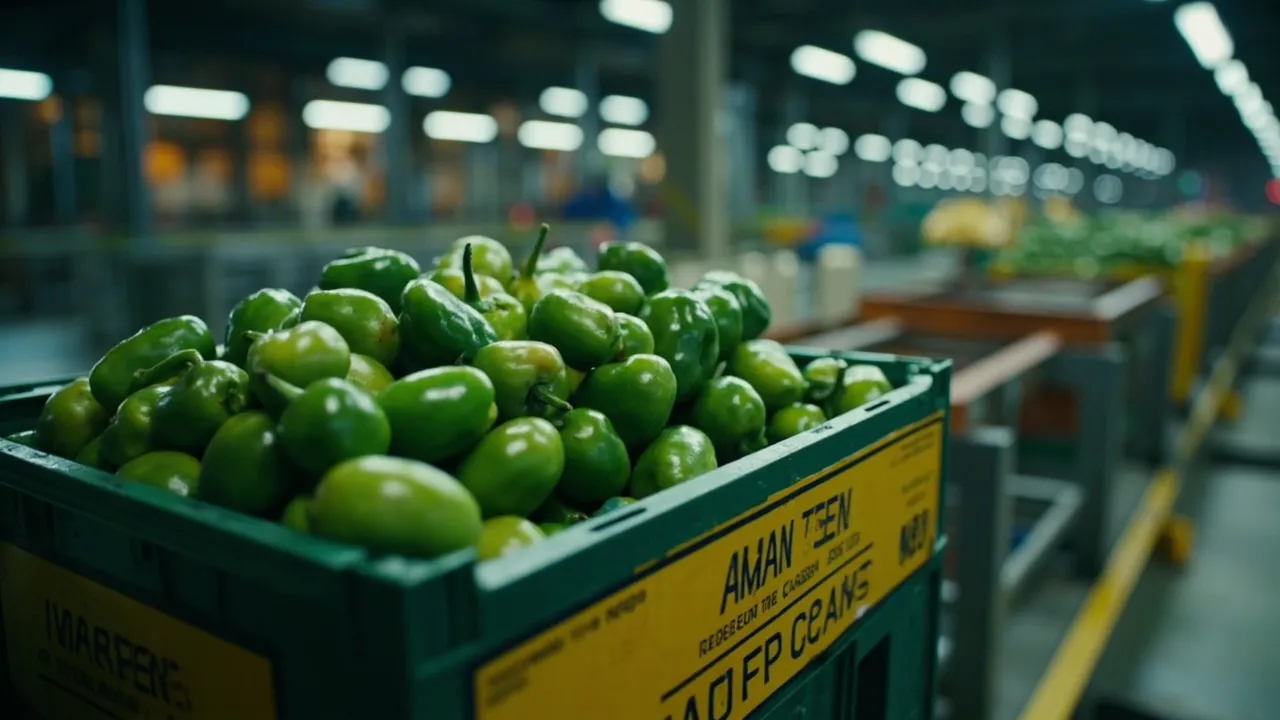
Chipotle's Jalapeño Withdrawal Shows Traceability Must Trigger Store-Level Replacement
Chipotle's targeted jalapeño withdrawal shows why ingredient traceability must connect affected lots to store inventory, supplier switching, and replacement delivery.
CXTMS InsightsAugust 7, 2026 · 6 min read
Farm Rio's Digital Quality Push Makes Lab Results a Shipment-Release Event
Farm Rio's digital quality program shows why lab results, purchase orders, shipment holds, and freight execution should operate as one release-control workflow.
CXTMS InsightsAugust 7, 2026 · 6 min read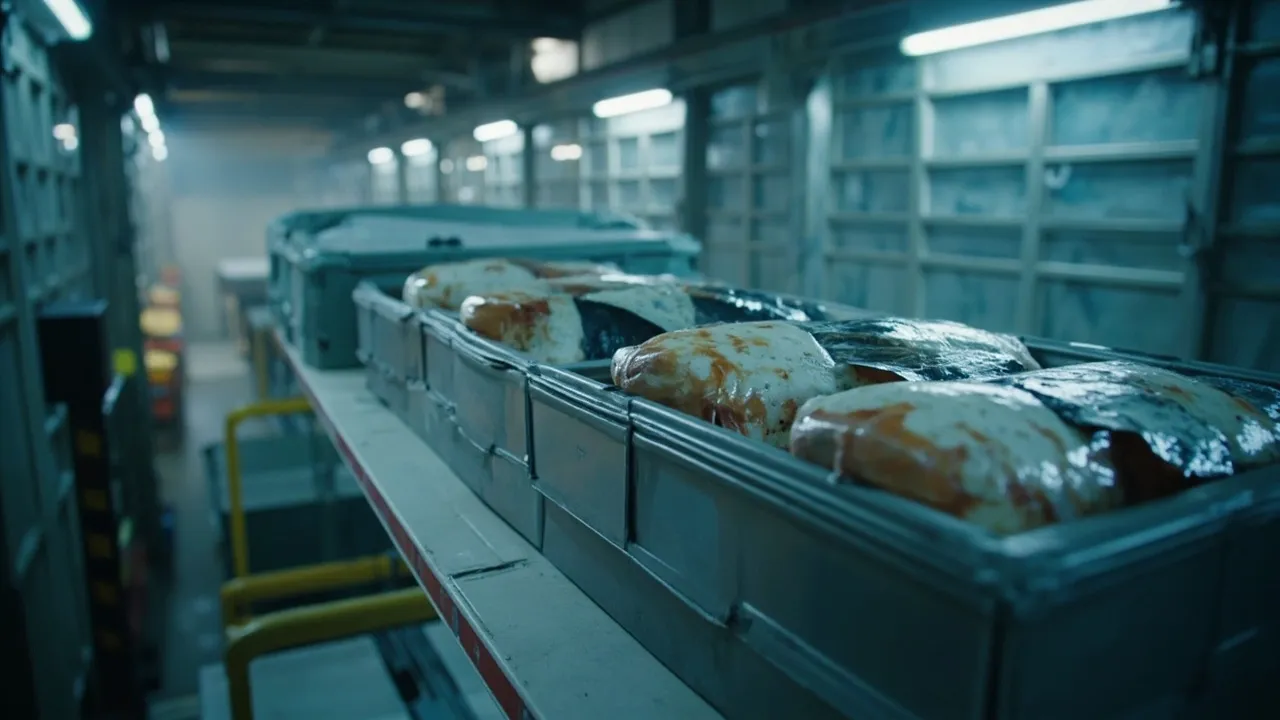
Amazon’s Seafood Sustainability Lawsuit Makes Chain-of-Custody Evidence a Logistics Requirement
Amazon’s seafood sustainability lawsuit shows why retailers need shipment-level chain-of-custody evidence connecting marketplace claims to fulfilled inventory.
CXTMS InsightsAugust 1, 2026 · 6 min read