Parcel
63 posts tagged with “Parcel”
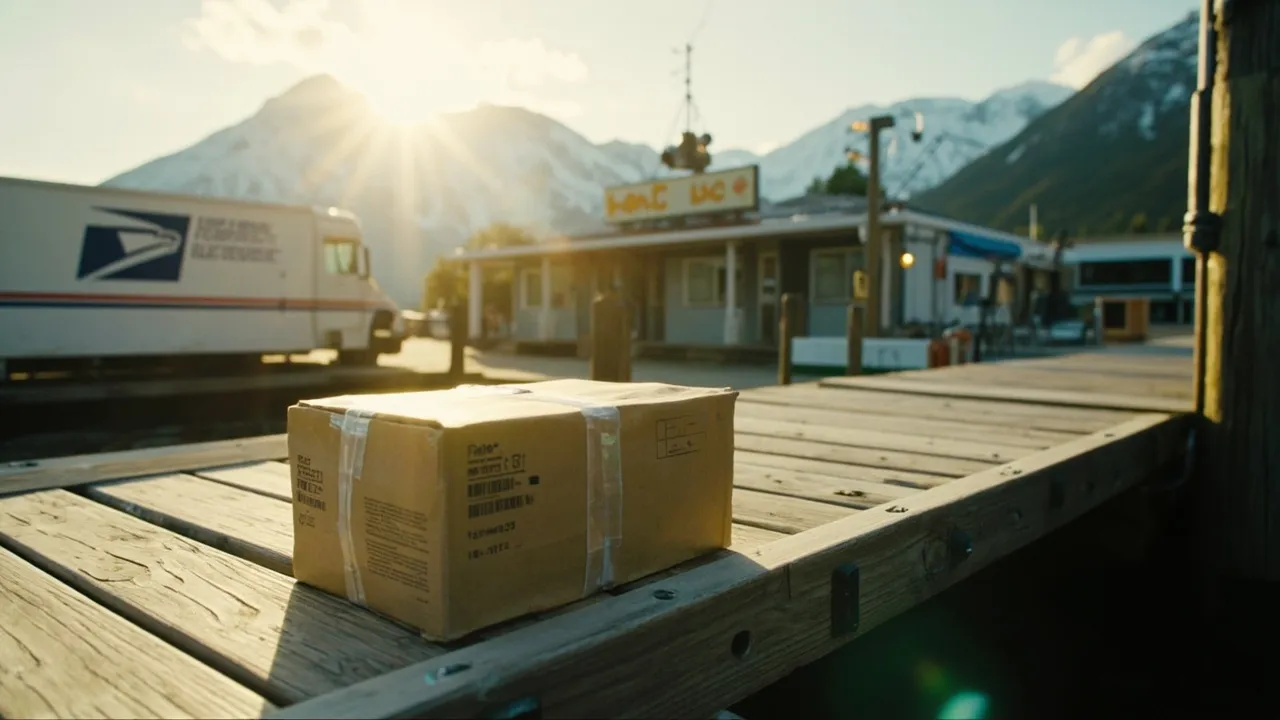
USPS Extends Alaska and Hawaii Delivery Times: Rebuild Parcel Promises by Origin–Destination Pair
USPS extended Ground Advantage and Priority Mail service expectations for Alaska, Hawaii, and U.S. territories on October 1, 2026. Learn how to rebuild parcel promises by origin–destination pair and prevent stale checkout dates.
 CXTMS InsightsOctober 7, 2026 · 6 min read
Evri’s U.S. Entry Turns Cross-Border Parcel Handoffs Into a Data-Control Test
Evri’s acquisition of Cross Border Connect gives e-commerce shippers a timely test case for controlling customs, tracking, and proof-of-delivery data across parcel handoffs.
CXTMS InsightsOctober 6, 2026 · 6 min read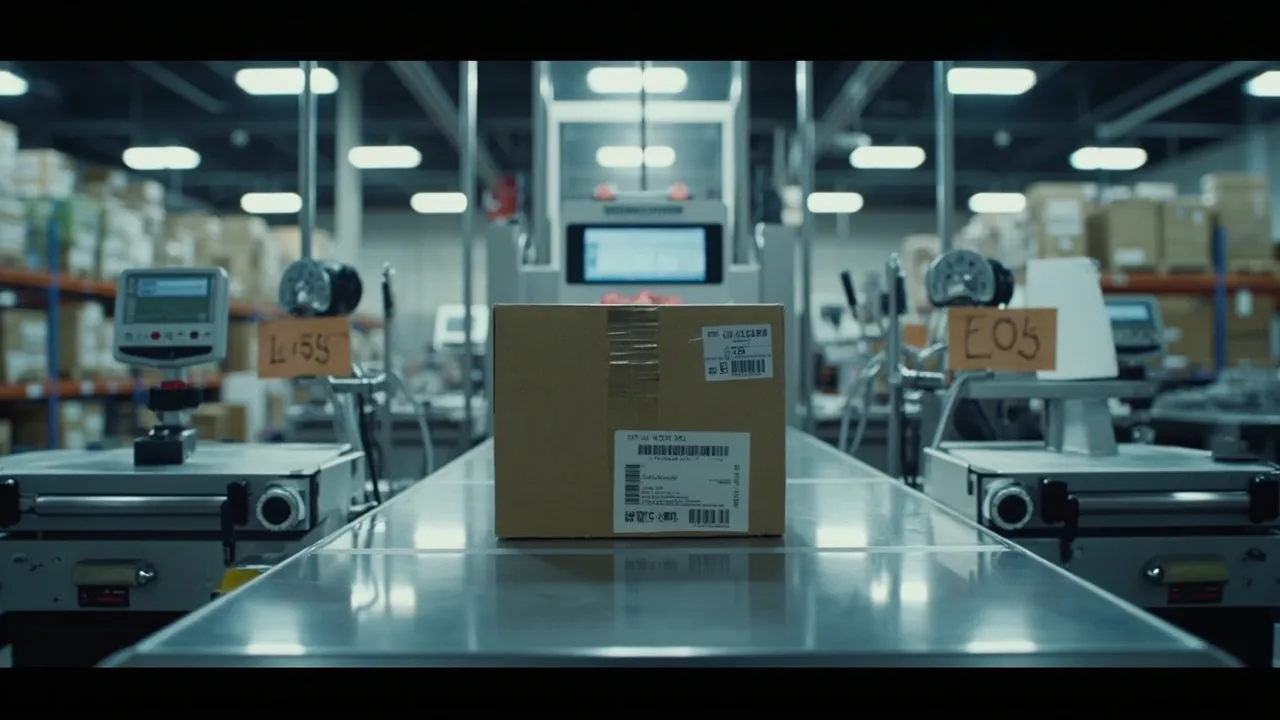
Scan, Label, Apply, Manifest: Treat the SLAM Station as a Shipping Data Control Point
Learn how to make the SLAM station a parcel data control point that connects package identity, dimensions, labels, carrier acceptance, billing, and claims.
CXTMS InsightsOctober 4, 2026 · 6 min read
FedEx Orders 2,000 Harbinger EV Trucks: Sequence Depot Power With Vehicle Delivery
FedEx's 2,000-truck Harbinger order makes depot power, charging readiness, route qualification, and phased deployment the critical fleet-planning work.
CXTMS InsightsOctober 1, 2026 · 5 min read
USPS–Amazon Same-Day Pilot: Build a ZIP-Level Capacity Contract
Learn how to structure a same-day postal delivery pilot around ZIP-level cutoffs, capacity caps, scan events, exception ownership, and service economics.
CXTMS InsightsOctober 1, 2026 · 7 min read
DHL Buys Venipak: What Baltic Parcel Consolidation Means for Carrier Choice
Learn how Baltic parcel shippers can protect rates, service, tracking continuity, and carrier choice as DHL integrates Venipak's delivery network.
CXTMS InsightsSeptember 30, 2026 · 6 min read
Holiday Parcel Carrier Diversity: Build a ZIP-Level Failover Plan Before Peak
Build a ZIP-level parcel carrier failover plan that balances cost, service, capacity, and peak-season risk before holiday volumes arrive.
CXTMS InsightsSeptember 27, 2026 · 6 min read
USPS Facility Upgrades Are Delaying Parcels: Build a Processing-Node Exception Map
USPS equipment upgrades show why parcel visibility must track processing nodes and trigger timely rerouting, customer notices, and recovery checks.
CXTMS InsightsSeptember 26, 2026 · 6 min read
FedEx's 2027 5.9% Rate Hike: Calculate the Effective Parcel Increase Now
A shipment-level method for calculating the real impact of FedEx's 2027 rate increase across zones, services, surcharges, and customer margins.
CXTMS InsightsSeptember 24, 2026 · 6 min read
FedEx Import Demand Surcharges Need a Lane-Level Landed-Cost Override
FedEx's new U.S. import demand surcharges require effective-dated lane rules, quote overrides, and invoice reconciliation to protect cross-border parcel margins.
CXTMS InsightsSeptember 21, 2026 · 6 min read