Gap's Fabric-Sourcing Win Shows Why Scope 3 Progress Must Be Traced by Purchase Order

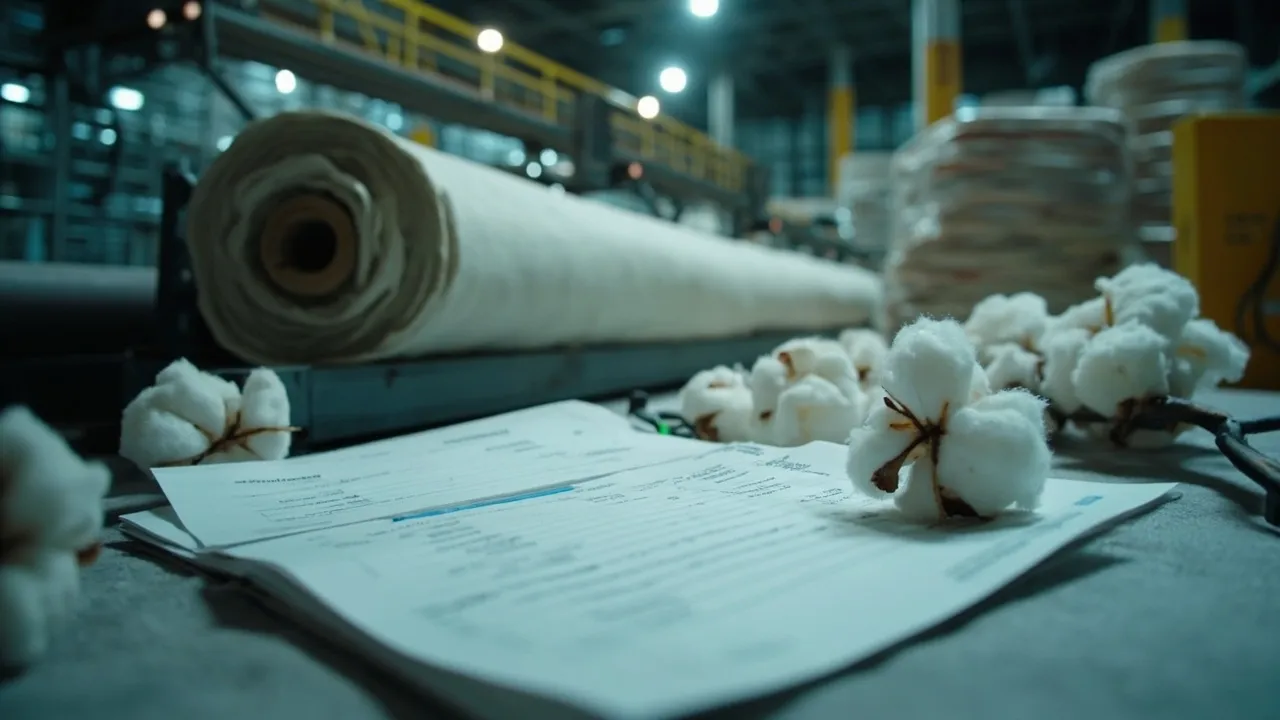
Gap Inc. reached two meaningful material-sourcing milestones in fiscal 2025: 100% of its cotton came from sustainable sources, and 65% of its polyester came from recycled sources. Yet its wider environmental scorecard moved in different directions. That contrast exposes a practical challenge for apparel supply chains: a corporate sourcing percentage can show progress, but it cannot prove what was inside a particular order, container, or finished garment.
For freight forwarders, suppliers, and apparel logistics teams, sustainability evidence has to travel with the commercial transaction. The purchase order is the best control point because it connects the promised material to the factory, production run, booking, shipment, receipt, and customer claim.
A Sourcing Win Is Not the Same as a Complete Carbon Win
Supply Chain Dive reports that Gap increased sustainable cotton sourcing from 98% in fiscal 2024 to 100% in fiscal 2025. Recycled polyester reached 65%, well above the company's target of at least 45%.
Emissions and energy results were less uniform. Scope 3 emissions from purchased goods and services were 20% below the 2017 baseline, improving from a 13% reduction reported the prior year, but still short of the company's 32.5% reduction target for 2030. Scope 1 and 2 emissions were down 70% from 2017, compared with a 74% reduction reported in 2024. Renewable electricity used in company-operated facilities fell from 52% to 46%.
The point is not that material goals lack value. It is that percentages describe different boundaries. A recycled-polyester share measures a sourcing attribute; a Scope 3 reduction depends on energy, processing technology, geography, yield, waste, and supplier performance across a much larger chain.
McKinsey's analysis of Tier 2 fashion emissions used primary data from more than 9,000 suppliers and found that production technology and geography materially affect emissions. Two mills can supply the same fiber category while producing very different carbon outcomes. A supplier-level average therefore cannot establish the footprint or certified content of every purchase order.
Put the Evidence Behind the Purchase Order
An auditable record begins when the buyer creates a purchase order, not when the sustainability team assembles an annual report. Each line should carry the required material attribute, certification scheme, minimum certified percentage, approved mill or processor, country of origin, and validity period.
That requirement should connect to four evidence layers:
- Material evidence: Fiber certificates, chain-of-custody documents, transaction certificates, recycled-content statements, and lot or batch identifiers.
- Supplier evidence: Approved-facility status, certificate issuer, certificate number, effective and expiration dates, and the processes covered.
- Movement evidence: Factory, booking number, container or air waybill, origin, ship date, consolidation details, and any split or combined lots.
- Receipt evidence: Finished-goods SKU, quantity received, discrepancies, quality holds, and the final link back to the material lot and purchase-order line.
The relationship must survive normal logistics changes. If a supplier splits one order across three sailings, each shipment needs the correct evidence allocation. If a consolidator combines orders from several factories, the container record must not collapse their distinct material claims. If goods are reworked or substituted, the original certificate cannot simply follow the new product without validation.
Deloitte's discussion of Scope 3 market instruments uses a useful textile example: certified sustainable cotton and conventional cotton may be mixed, producing a final textile with a known certified percentage. Maintaining that claim requires internal traceability and unique identification of outputs. That is precisely where purchase-order, lot, and shipment records become operational controls rather than reporting accessories.
Stop Bad Evidence Before the Goods Move
Traceability is weak if it only discovers a problem after delivery. The workflow needs exception rules at sourcing approval, booking, consolidation, departure, and receipt.
A missing document should create a hard or conditional hold based on risk. A certificate that expires before production or shipment should be treated as invalid, even if the supplier was approved when the order was placed. Conflicting mill names, quantities greater than the certified batch, duplicate certificate numbers, or a material code that does not match the purchase order should all route to review.
The rules should distinguish between fixable administrative gaps and contradictions that invalidate a claim:
- Missing evidence: Request the document and hold claim approval; block movement when policy or regulation requires proof before export.
- Expired evidence: Require renewed certification or documented confirmation covering the production date.
- Quantity conflict: Reconcile certified input, production yield, and quantities allocated across orders before release.
- Supplier or mill mismatch: Escalate to sourcing and compliance; do not accept a trading company's certificate for an unlisted processor.
- Shipment substitution: Revalidate the material, facility, origin, and chain of custody before changing the booking.
- Receipt variance: Quarantine affected units until the PO, shipment, and physical receipt agree.
Every override needs an owner, reason, timestamp, supporting attachment, and expiry. Otherwise, an exception becomes an invisible policy change.
Turn Annual Claims Into Executable Controls
Gap's 2025 results show real progress: 100% sustainable cotton, recycled polyester well above target, 420 Tier 1 and Tier 2 facilities investing in renewable energy, and more than 31,000 gallons of diesel saved by converting shunt trucks to electric equipment at four distribution centers.
The next level of control is to make those outcomes traceable at transaction level. A sustainability dashboard should be able to drill from a corporate percentage to a brand, season, supplier, purchase order, material lot, shipment, and finished-goods receipt. Logistics teams should see the same status before booking freight, not weeks later in a separate reporting system.
CXTMS connects purchase orders, documentation, bookings, shipment milestones, and exceptions so logistics operators can keep commercial movement aligned with compliance evidence. Request a CXTMS demo to see how shipment-level controls can turn sustainability claims into an auditable operating process.