Customs
44 posts tagged with “Customs”
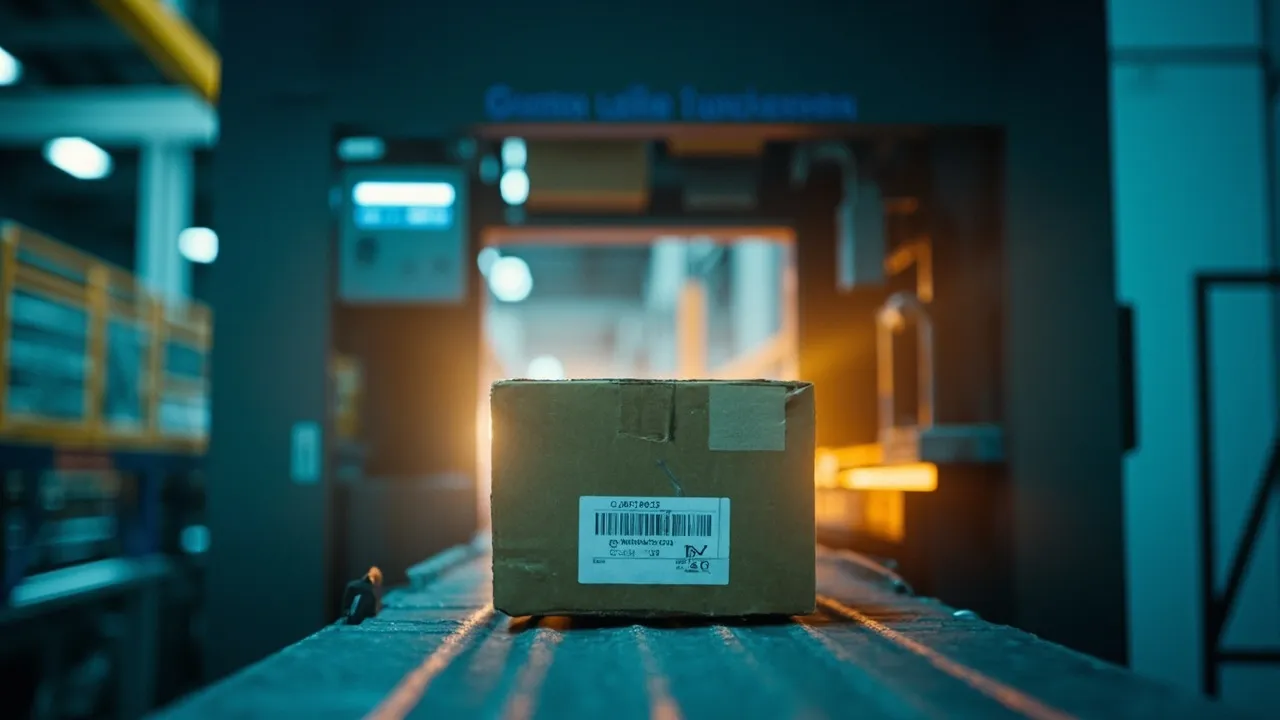
Customs Clearance Completed, Pending Scanning: What the Status Means and When to Escalate
Learn why a shipment can be customs-cleared but still pending a carrier scan, how long the handoff may take, and when logistics teams should escalate.
 CXTMS InsightsSeptember 20, 2026 · 5 min read
CBP Expands IEEPA Tariff Processing in October: Build an Entry-Level Readiness Check
Prepare import entries for CBP's October CAPE expansion with controls for classification, origin, value, liquidation status, and refund evidence.
CXTMS InsightsSeptember 18, 2026 · 6 min read
FedEx Duty and Tax for Shopify: Building a Landed-Cost Promise That Survives Checkout
FedEx Duty and Tax brings guaranteed import charges into Shopify checkout. Learn how to build the product data, reconciliation, and exception controls behind that promise.
CXTMS InsightsSeptember 13, 2026 · 6 min read
Temu's Local Fulfillment Pivot: What De Minimis Changes Mean for Inventory Placement
Learn how new EU low-value import duties are pushing Temu toward local fulfillment—and how shippers should redesign inventory placement and landed-cost data.
CXTMS InsightsSeptember 4, 2026 · 6 min read
Trade Compliance Specialists Need Shipment Data, Not Another Spreadsheet
Give trade compliance specialists versioned shipment data, structured exception queues, and audit-ready evidence instead of disconnected spreadsheets.
CXTMS InsightsAugust 30, 2026 · 6 min read
Tariff Evasion Through 40 Countries Raises the Bar for Transshipment Evidence
As tariff enforcement targets suspected transshipment through more than 40 countries, importers need shipment-level evidence connecting origin, production, routing, and customs data.
CXTMS InsightsAugust 16, 2026 · 5 min read
Private AI in Customs Brokerage Needs an Evidence Boundary for Every Classification Answer
Private AI can accelerate customs research, but every classification and duty recommendation needs traceable evidence, human approval, and version control.
CXTMS InsightsJuly 31, 2026 · 5 min read
Forced-Labor Tariffs on 60 Trading Partners Demand a Shipment-Level Duty Transition File
New forced-labor tariffs replace expiring Section 122 duties. Learn how a shipment-level transition file controls rates, exemptions, evidence, and release decisions.
CXTMS InsightsJuly 27, 2026 · 5 min read
The EU's PFAS Packaging Ban Takes Effect August 12: What Shippers Need to Do Now
The EU's PPWR limits PFAS in food-contact packaging from August 12, 2026. Here is a practical compliance plan for exporters, importers, and logistics teams.
CXTMS InsightsJuly 25, 2026 · 6 min read
Mexico's New Customs Rules Expose the Cost of Conflicting Shipment Definitions
Mexico's new customs rules show why cross-border teams need shared shipment definitions before documents, values, and broker instructions drift apart.
CXTMS InsightsJuly 22, 2026 · 7 min read