Chipotle's Jalapeño Withdrawal Shows Traceability Must Trigger Store-Level Replacement

When a food-safety concern emerges, identifying the ingredient is only half the job. A restaurant chain must also determine which locations received the suspect lot, stop its use, remove it, source a safe alternative, and confirm that every affected store can continue serving customers. Chipotle's recent withdrawal of selected jalapeños offers a useful model: traceability became an operational recovery tool rather than a database used only for audits.
The distinction matters. A blanket recall treats every unit as suspect and can create needless waste and disruption. A targeted withdrawal isolates the lot, locations, and inventory actually exposed. But precision raises the execution standard. The business must prove that its supplier, distribution, restaurant inventory, and replacement shipment records describe the same physical product journey.
From common lot to affected restaurant
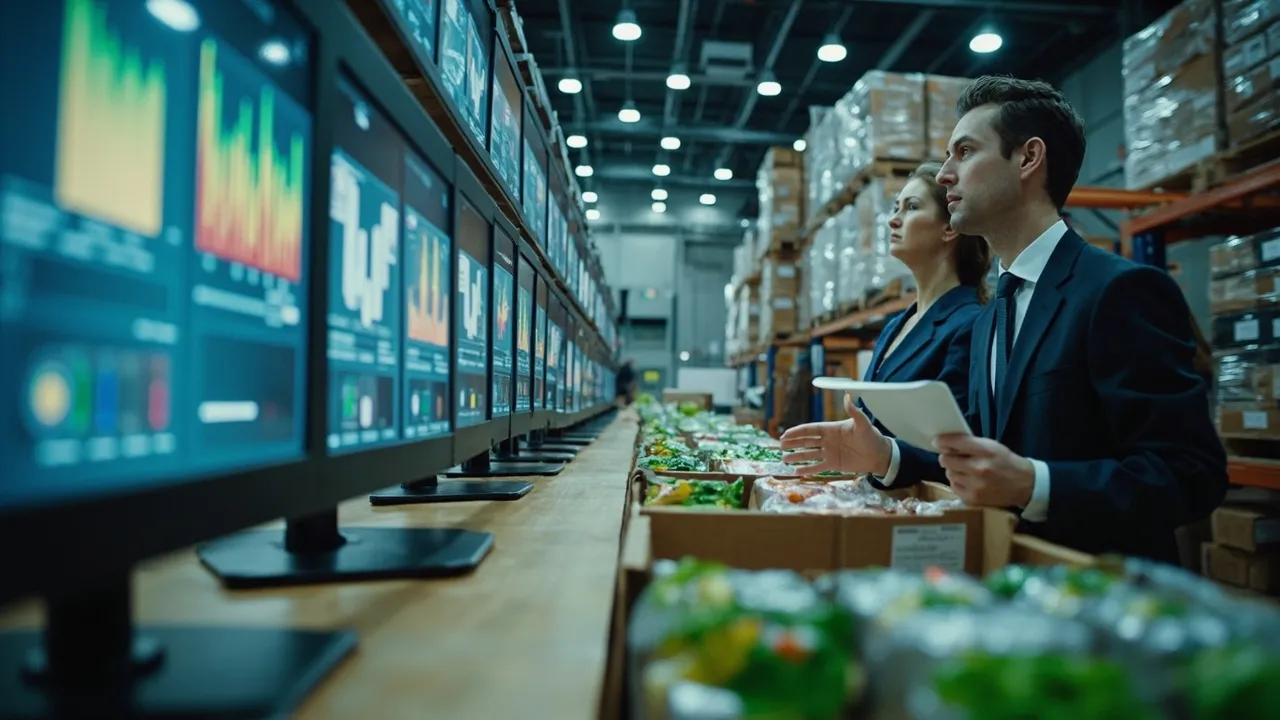
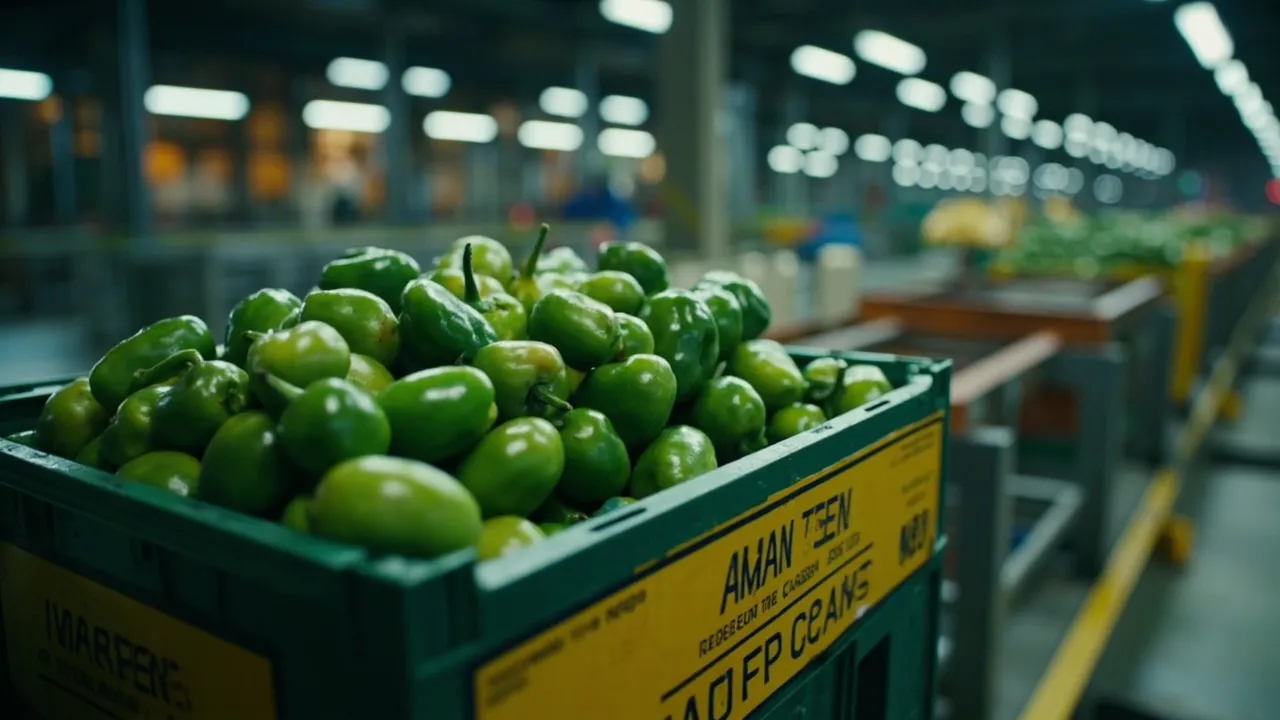
Supply Chain Dive reported that Chipotle voluntarily removed potentially contaminated jalapeños after learning of a possible Salmonella outbreak. The company said its ingredient traceability system identified jalapeños as a potential common ingredient from a common lot. It then removed product from the stores that received it and replaced it with jalapeños from different suppliers.
That sequence is more specific than “find and recall.” It requires a connected chain of records:
- the supplier's item, harvest or production lot, pack date, and case identifiers;
- receipts, pallet transformations, storage locations, and outbound picks at each distribution center;
- route, stop, delivery, and proof-of-delivery data for every restaurant shipment;
- restaurant on-hand quantity, usage, disposal confirmation, and replacement requirement;
- the substitute supplier's lot, quality release, shipment, and receiving confirmation.
If one link relies on a spreadsheet, an emailed bill of lading, or an inconsistent item code, the apparent precision can collapse. A distribution center may know which cases departed without knowing which route carried them. A restaurant may confirm disposal without recording the quantity, leaving planners unable to size the replacement.
Withdrawal and replenishment are one workflow
Food companies often manage a withdrawal as a compliance event and replenishment as a separate purchasing event. Operationally, they are inseparable. The same store-level list that directs removal should create replacement demand, delivery priority, and closure evidence.
A practical response workflow begins by freezing the implicated lot throughout the network. The system then calculates exposure using confirmed movements rather than broad assumptions. Affected locations receive instructions containing the item, lot, quantity, isolation method, and acknowledgment deadline. Once a store confirms removal, its unusable quantity becomes an input to the replenishment plan.
This prevents two costly errors. The first is sending substitute product to every restaurant, consuming scarce safe inventory where it is not needed. The second is removing an ingredient successfully but leaving affected stores without enough replacement stock to operate.
The transportation plan must prioritize by business risk. A restaurant with one day of substitute inventory and an early delivery appointment should rank ahead of a location with three days of coverage. Route planners should combine replacement cases with scheduled deliveries where timing permits, while reserving expedited moves for genuine stockout exposure.
Alternate suppliers change the quality gate
Switching suppliers is not simply changing the vendor field on a purchase order. The substitute may use different case sizes, pack configurations, source regions, carriers, lead times, temperature controls, or labeling conventions. Those differences can create receiving and traceability failures precisely when the network is under pressure.
Before release, quality and procurement teams should verify approved-supplier status, specifications, test documentation, lot coding, allergen controls, and case-label readability. Warehouse teams need the correct item mapping and handling instructions before the first receipt. Transportation planners need confirmed pickup capacity and delivery windows, not merely an estimated purchase-order arrival date.
The regulatory direction reinforces this event-based approach. Food Logistics explains that the FDA extended the FSMA 204 Food Traceability Rule compliance deadline by 30 months, from January 2026 to July 20, 2028. The extension provides implementation time, but it does not reduce the operational value of recording critical tracking events and key data elements now.
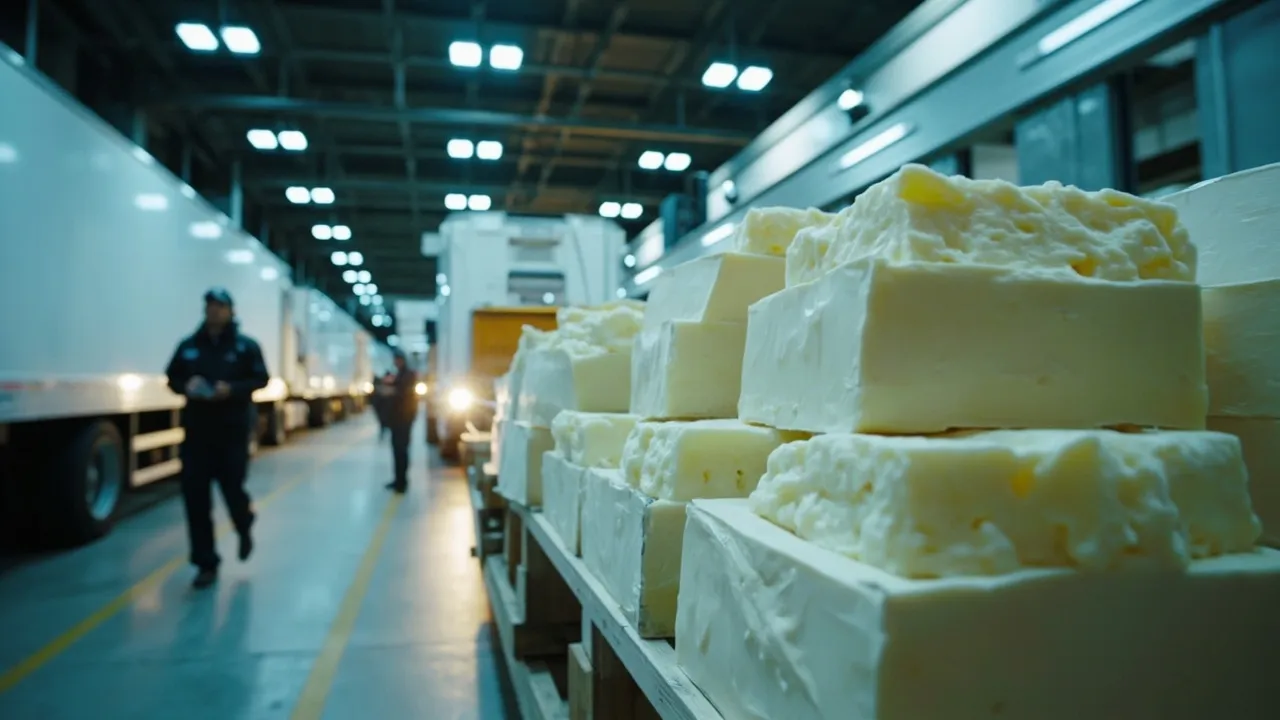
Another Food Logistics analysis notes that modern food distribution spans suppliers, co-packers, third-party cold storage operators, carriers, and regional hubs using different systems. That fragmentation is why a usable event trail matters more than a collection of disconnected documents.
Measure time to identify and time to replace
Recall scorecards commonly stop at notification or removal. That overlooks the customer-facing recovery. Food-service networks should track two primary clocks.
Time to identify begins when the company receives a credible alert and ends when it produces a validated list of affected lots, facilities, shipments, and stores. Useful supporting measures include the percentage of movements resolved automatically, the number of manual record searches, and the percentage of affected locations identified within two hours.
Time to replace begins when a store's affected inventory is confirmed and ends when safe substitute product is received and available for use. Supporting measures include replacement fill rate, stores stocked out before delivery, on-time delivery by priority tier, emergency transportation cost, and substitute lots with complete traceability data.
Both clocks should be tested through mock events. A quarterly exercise can select a random supplier lot, trace it forward to restaurants, trace restaurant inventory backward to the source, and generate a replacement plan. The test should include nights and weekends, when key staff may be unavailable. Results reveal whether the process lives in the system or in one employee's memory.
Build a closed-loop response in the TMS
A transportation management system should connect the withdrawal list to actionable shipments. For each affected location, planners need current inventory coverage, replacement quantity, service window, assigned carrier, estimated arrival, and proof of receipt. Exceptions should identify an owner and escalation deadline.
CXTMS gives logistics teams a shared operating record for orders, routes, delivery milestones, documents, and exceptions. That visibility helps turn a traceability finding into a controlled store-level replacement program—without losing the shipment evidence needed to close the event.
Request a CXTMS demo to see how connected transportation workflows can support faster, more accountable food-supply-chain recovery.