Automation
62 posts tagged with “Automation”

Emerging Trends in Logistics Technology: A 2026 Retrospective
2026 marked the year logistics technology moved from pilot programs to operating infrastructure. This retrospective covers the AI, automation, visibility, compliance, and resilience trends that reshaped freight, warehousing, and supply chain execution.
 CXTMS InsightsDecember 31, 2026 · 643 min read
Trust, but Verify: Set an Evidence Threshold for Automated Freight Decisions
A practical evidence-threshold model helps transportation teams automate routine freight decisions without trusting stale, incomplete, or unverified data.
CXTMS InsightsSeptember 21, 2026 · 5 min read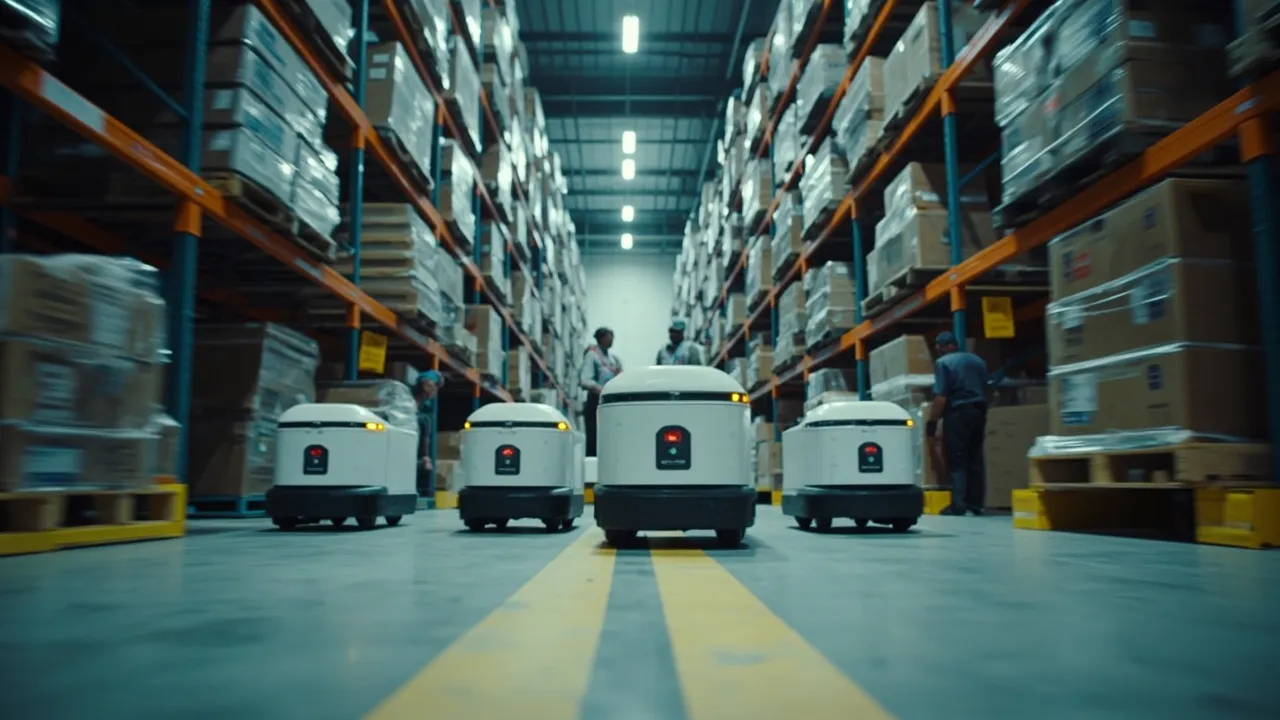
Flexible Robots Change the Warehouse Automation Capacity-Buying Decision
Learn how flexible warehouse robots turn automation into a scalable capacity decision—and how to choose, test, and manage the right commercial model.
CXTMS InsightsSeptember 8, 2026 · 6 min read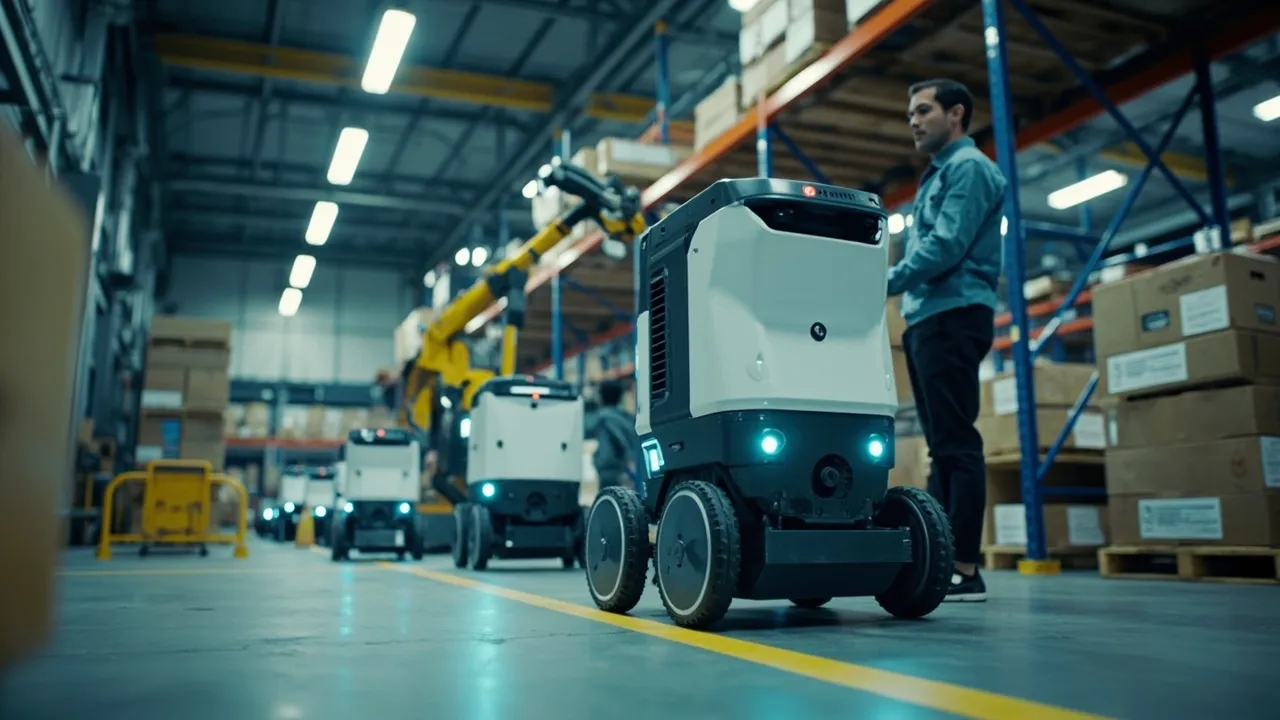
Robot Fleet Readiness Gap: Why 70% Expect Automation but Only 40% Have a Strategy
Most manufacturers expect to manage robot fleets within five years, but far fewer have a formal strategy. Close the gap with a staged operational readiness plan.
CXTMS InsightsSeptember 1, 2026 · 6 min read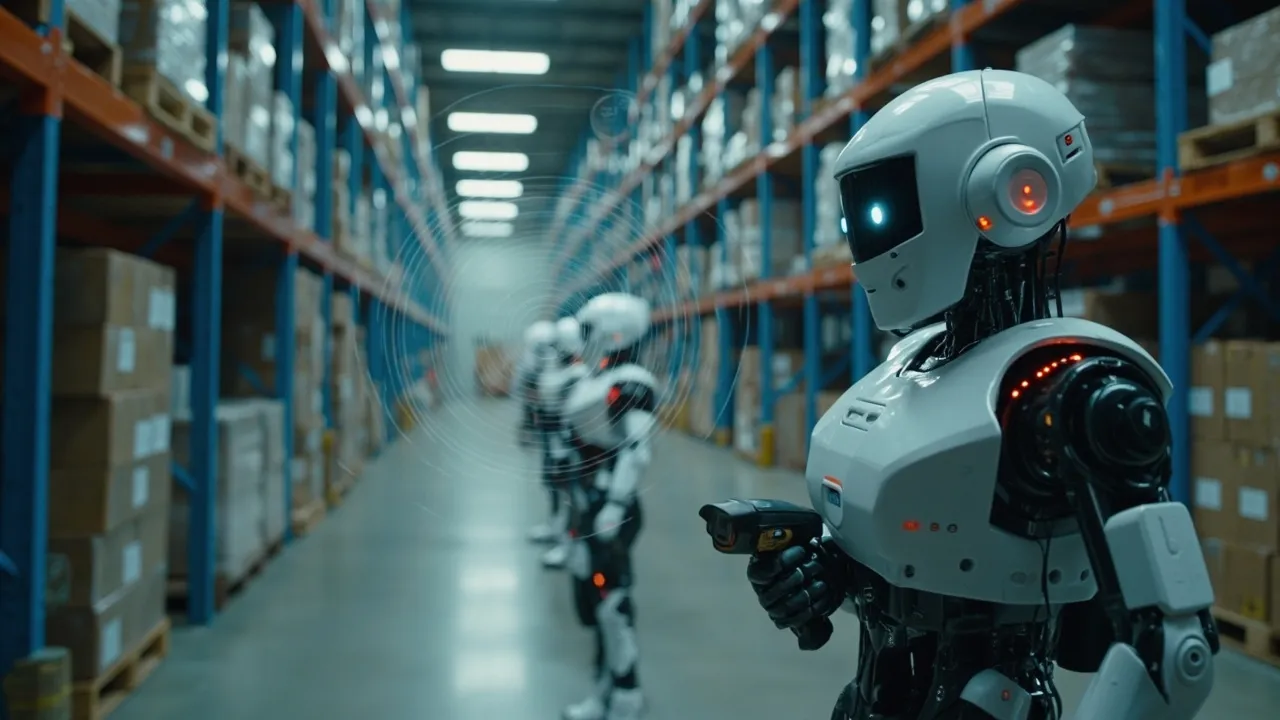
Warehouse Wireless Networks Need a Throughput Service-Level Agreement
Warehouse Wi-Fi should be managed as an operating system, not a utility. Learn how throughput SLAs connect network performance to picks, cutoffs, and automation uptime.
CXTMS InsightsAugust 28, 2026 · 6 min read
Korean Air Cargo Automation: Building a Dual-Hub Acceptance Test for Incheon and JFK
Build a practical acceptance-test scorecard for automated ULD handling and cold-chain operations at Korean Air's Incheon and JFK cargo hubs.
CXTMS InsightsAugust 18, 2026 · 6 min read
Robotics Warehouse Associate Roles Need Task Evidence, Not Job-Title Panic
Warehouse robotics is changing associate work, but logistics leaders need task-level evidence before they redesign labor plans, dock commitments, and customer promises.
CXTMS InsightsJuly 12, 2026 · 6 min read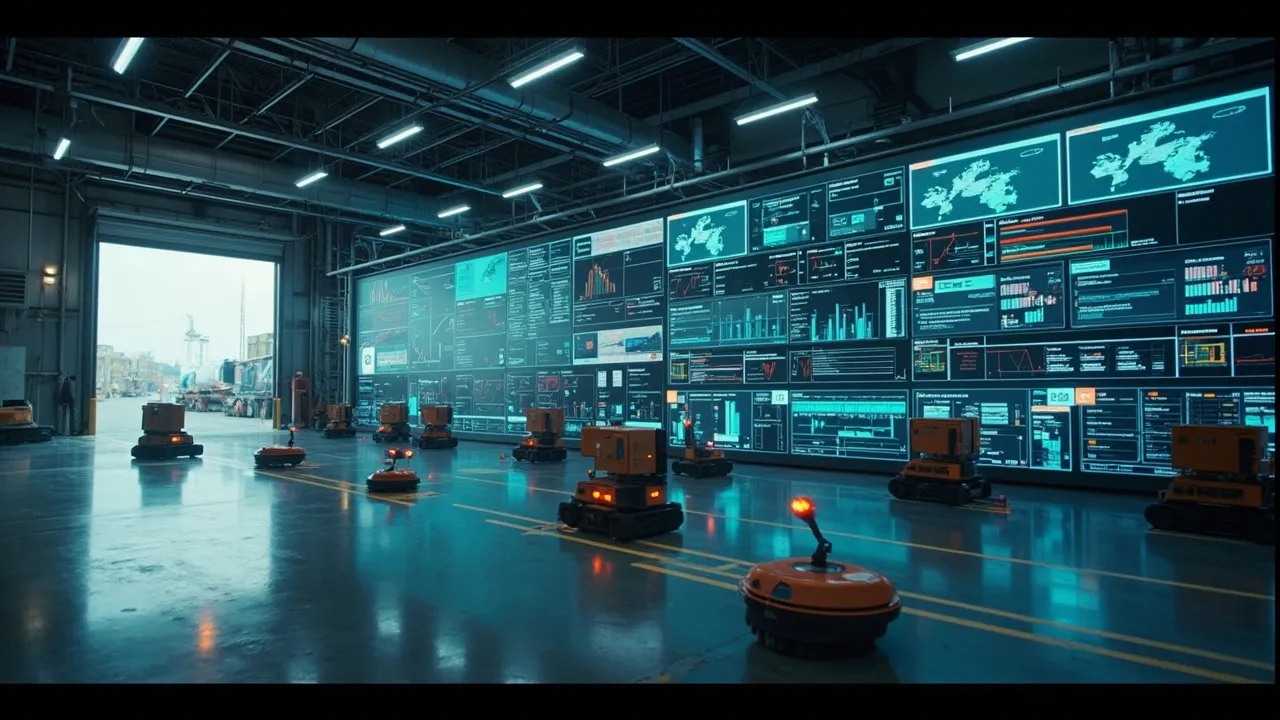
Warehouse Software Is Becoming the Exception Taxonomy for Automated Operations
Warehouse automation needs shared exception language across WMS, WES, robotics, labor, dock, and transportation systems before AI can reliably improve execution.
CXTMS InsightsJuly 10, 2026 · 7 min read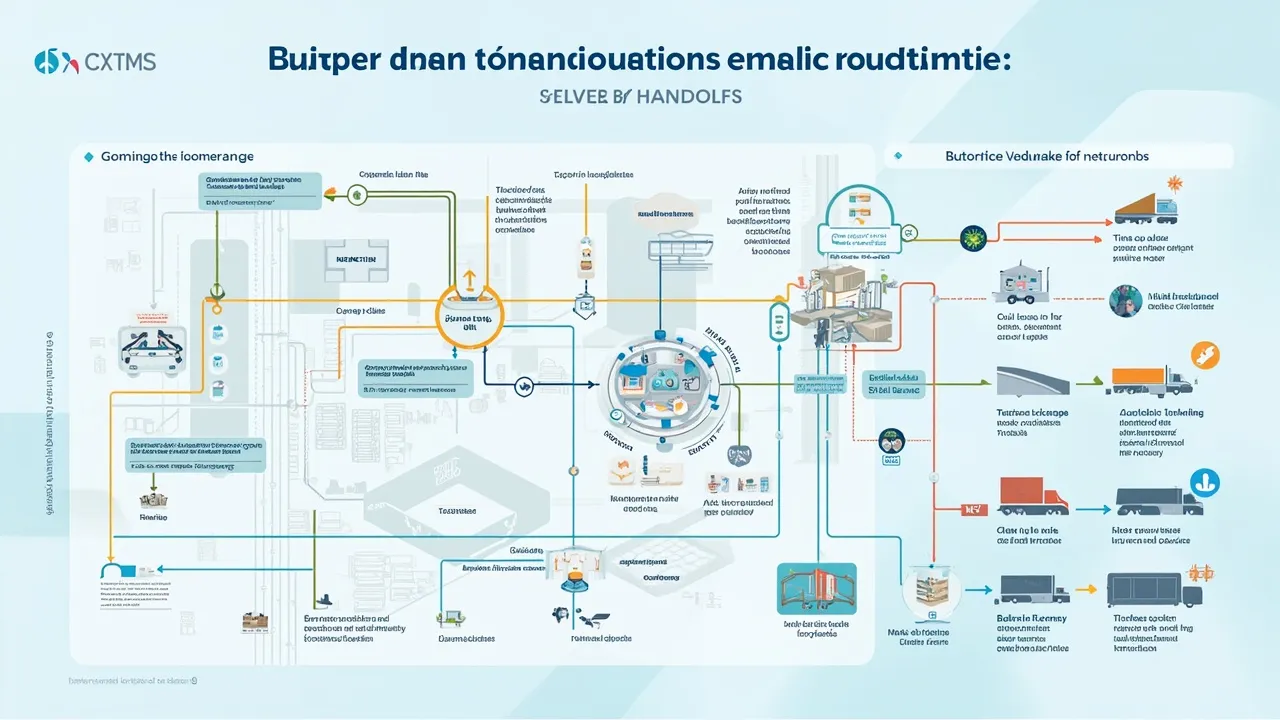
Kimberly-Clark's Productivity Gains Show Why Supply Chain Simplification Beats Tool Sprawl
Kimberly-Clark's five-year, $3 billion productivity plan is delivering results through value-stream simplification, network optimization, and scaled automation — not new software licenses.
CXTMS InsightsJune 17, 2026 · 5 min read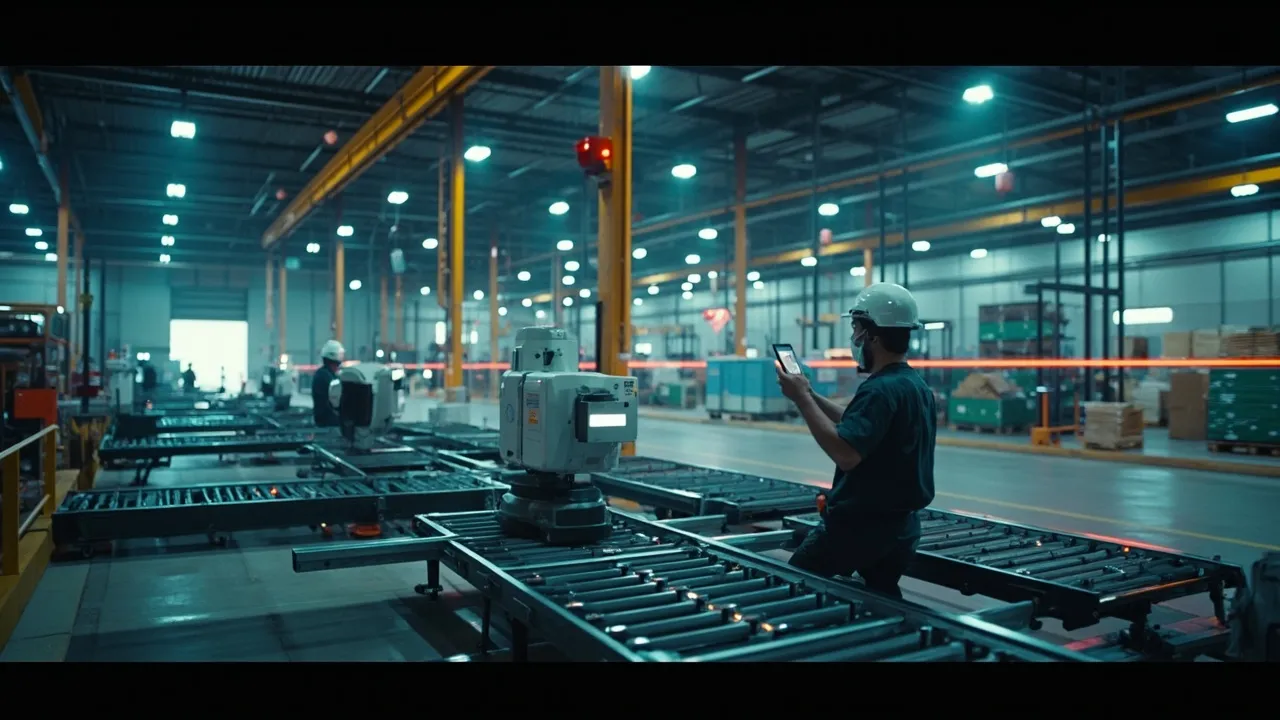
Warehouse Modernization Fails When Process Debt Survives the Automation Budget
Warehouse automation budgets fail when old exception processes, tribal knowledge, and dock workarounds survive beneath new robotics and WMS investments.
CXTMS InsightsJune 15, 2026 · 7 min read