Taylor Farms' Negative Parasite Test Shows Recall Logistics Need Reversible Holds

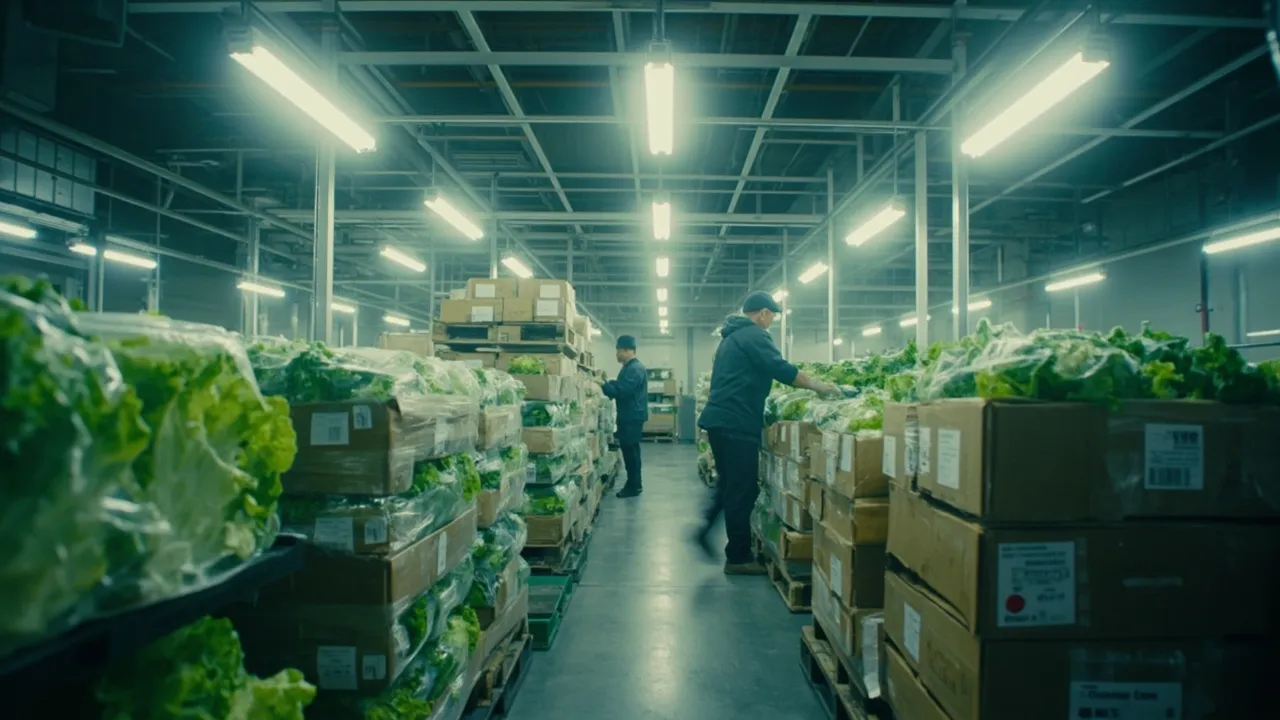
Food safety logistics must move quickly when evidence points to contamination. It must also change course without losing control when that evidence changes.
That tension became visible in July when the U.S. Food and Drug Administration reversed an earlier finding involving lettuce from Taylor Farms de Mexico. According to Supply Chain Dive, FDA laboratory experts re-reviewed the sample and determined that the apparent detection of Cyclospora did not represent true amplification. The original result was classified as a false positive.
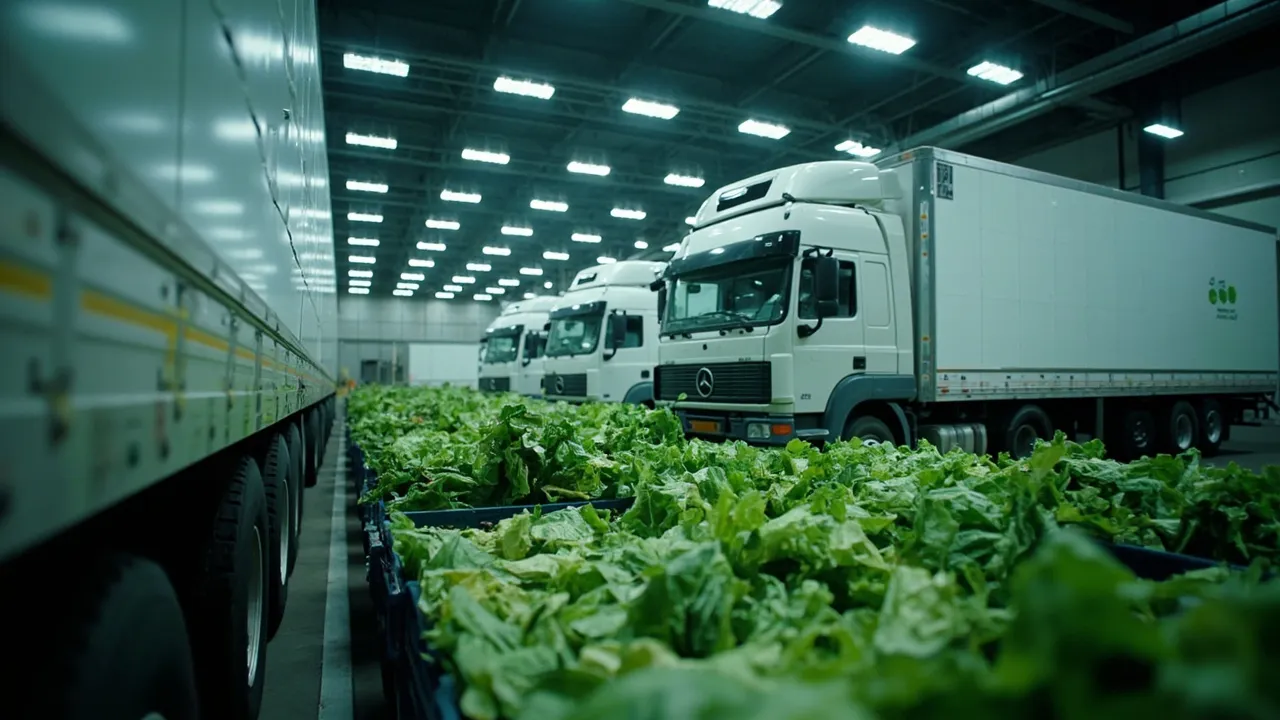
The negative result did not make the surrounding operational risk disappear. The supplier remained part of an ongoing investigation connected to more than 1,600 reported cases across five states. Taco Bell had removed Taylor Farms lettuce from its U.S. restaurants and supply chain, while Taylor Farms voluntarily recalled iceberg lettuce grown in central Mexico and stopped sourcing from the region for the rest of the growing season.
For shippers, distributors, and customers, this is not simply a laboratory story. It demonstrates why a product hold must be fast enough to protect consumers and reversible enough to respond to better evidence.
A Hold and a Recall Are Not the Same Event
Food supply chains often use “recall” as shorthand for several distinct actions. That can create unnecessary destruction, inconsistent customer messages, and records that are difficult to reconcile.
A regulatory investigation means authorities are evaluating evidence. It can continue even when one test result changes. A product hold prevents specified inventory from moving while facts are established. A withdrawal removes product for a reason that may not involve a safety hazard. A recall initiates a controlled recovery or correction of distributed product. A release authorizes held inventory to return to an approved workflow. Customer communication can accompany any of these events, but its audience and wording should match the actual status.
Each event needs its own timestamp, scope, authority, reason, and disposition. A warehouse status labeled simply “blocked” cannot tell an operator whether a pallet is awaiting a test, subject to a voluntary recall, reserved for destruction, or cleared for release.
The distinction matters when evidence changes. Reversing a laboratory finding does not automatically reverse a supplier decision, regulatory investigation, restaurant removal, or growing-region restriction. Those actions have different owners and may cover different products.
Speed Without Precision Creates Risk in Both Directions
Moving too slowly after a credible signal can expose more customers and expand the eventual recovery. Moving too broadly can strand unaffected inventory, interrupt service, waste perishable food, and create claims across multiple trading partners.
The answer is not to delay action until perfect certainty exists. It is to quarantine at the narrowest defensible level and preserve the data needed to widen or narrow that boundary later.
At minimum, a reversible hold should connect:
- supplier, growing region, facility, and production line;
- item, package configuration, lot code, and production window;
- purchase order, shipment, handling unit, and consignee;
- current location and quantity by disposition;
- temperature readings and custody events; and
- the notice, test, or investigation event that triggered the hold.
Food Logistics notes that most recalls operate by batch or lot number and that linked digital records can help trace products to restaurants or supermarkets rapidly. Its coverage of recall response and food supply chain safety underscores why item identity must travel with operational data rather than remain trapped in disconnected systems.
Without those relationships, a company may freeze every shipment from a supplier when only certain lots and dates are relevant. Worse, it may miss product that was relabeled, cross-docked, split across customers, or already in transit.
Build the Hold as a Controlled State Change
A well-designed hold should behave like a governed workflow, not a free-text note.
First, the triggering event creates a versioned scope. The system identifies matching inventory at rest, loads in transit, delivered shipments, and planned orders. It prevents new tendering, picking, loading, or delivery where appropriate while flagging completed movements for customer outreach.
Second, every affected unit receives a disposition status. Examples include quarantined, in transit under stop instruction, received by consignee, returned, destroyed, sampled, or released. Quantity reconciliation should expose gaps between produced, shipped, located, and recovered amounts.
Third, exceptions require approval. If a trailer contains both affected and unaffected lots, an authorized operator may split the shipment record and document physical segregation. The system should retain who changed the scope and why.
Finally, communications should reference the same case version. Warehouse teams, carriers, consignees, and customer-service staff should not work from different spreadsheets or forwarded email chains.
Release Inventory Without Erasing the Original Decision
When a negative result or revised notice permits release, the original hold must remain visible. Deleting it destroys the evidence that the company responded appropriately to the information available at the time.
A controlled release records the releasing authority, supporting evidence, effective time, included lots, excluded lots, and required inspections. It creates a new status event rather than overwriting the old one. Inventory can then re-enter allocation, picking, or transportation planning through an approval gate.
Perishable products need additional checks. Teams should confirm remaining shelf life, temperature compliance, package condition, customer acceptance, and whether delivery appointments must be rebooked. A technically cleared pallet may still be commercially unusable after days in quarantine.
Customer messaging also needs version control. Recipients who received a hold or recall notice should receive a matched update explaining what changed and what did not. In the Taylor Farms case, the false-positive finding did not end the broader investigation. A message that says “all clear” would therefore communicate more certainty than the evidence supports.
Measure Recall Readiness Before the Next Incident
Food shippers should test this workflow during normal operations. Useful measures include time to identify affected lots, percentage of quantity with a known location, time to stop in-transit loads, consignee acknowledgment rate, reconciliation variance, and time from authorized release to inventory availability.
Teams should also run mock reversals. Many recall exercises test how quickly product can be stopped, but not whether a narrowed scope or release can be executed consistently across warehouses, carriers, and customers. That second half is where stale spreadsheets and overwritten statuses become expensive.
CXTMS gives freight forwarders and logistics teams a connected record for shipments, milestones, documents, parties, and exceptions. That operational context helps teams identify affected movements, coordinate holds with carriers and consignees, and preserve a defensible timeline as evidence evolves.
When the next safety signal changes halfway through the response, your logistics system should change with it—without forgetting what happened. Request a CXTMS demo to see how connected transportation data can support faster, controlled exception management.