Food Packaging Is Becoming a Safety-Control Point, Not Just a Cost Line

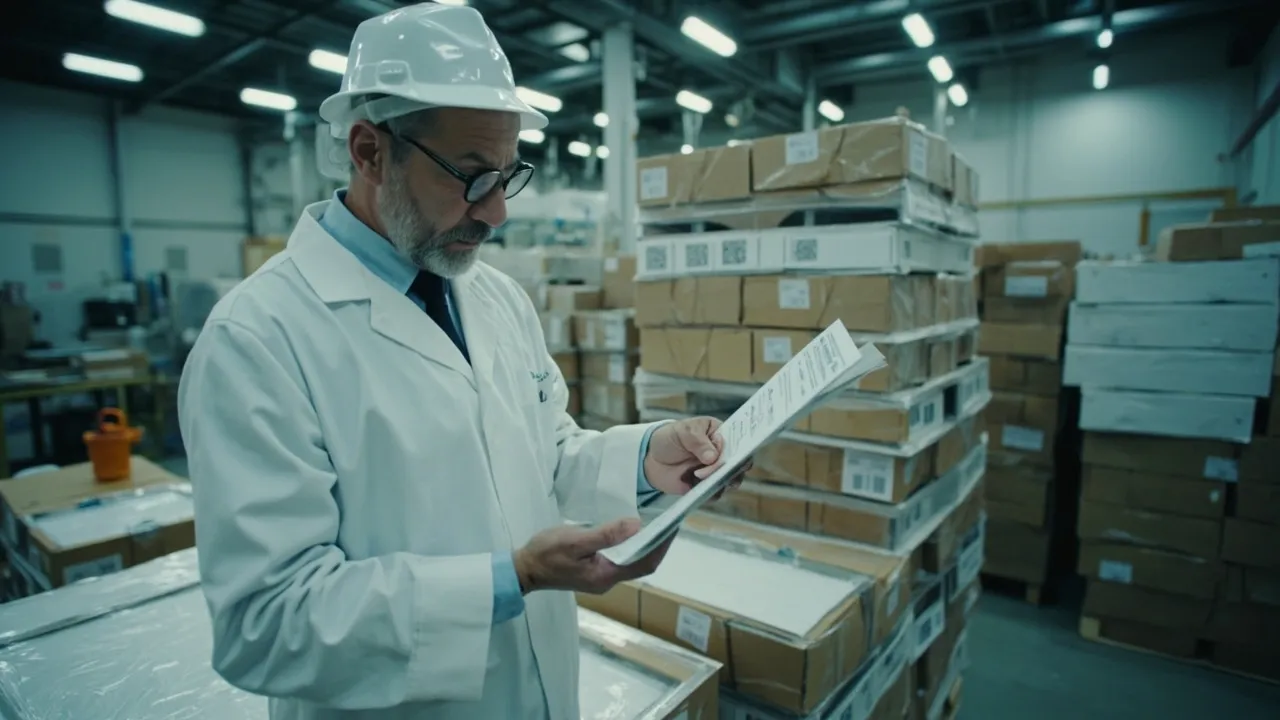
Packaging used to sit in the logistics budget as a material cost: cartons, wraps, liners, trays, labels, pallets, and temperature-control accessories. That view is getting dangerously outdated. In food logistics, packaging is becoming a safety-control point. Change the package and you may change contamination exposure, lot visibility, shelf-life assumptions, receiving checks, pallet stability, recall scope, and the evidence a company can produce when something goes wrong.
That is why the better question is no longer “what is the cheapest acceptable package?” It is “what operational controls break if this package changes?”
Food Logistics recently framed packaging as an extension of food safety plans, a useful shift for shippers, distributors, and third-party logistics teams. Packaging is not just what protects the product after production. It is part of the data trail that follows ingredients, finished goods, warehouse events, shipment handoffs, and customer claims.
Packaging changes travel farther than procurement expects
A packaging substitution can look small on a purchase order. A different liner. A new seal. A revised carton size. A supplier-approved film. A modified QR label position. In a food network, each of those choices can ripple through operations.
Receiving teams may need different inspection criteria. Lot-control teams may need a new packaging version tied to each batch. Transportation may need to adjust cube, weight, stack height, temperature protection, and damage-risk assumptions. Quality may need to approve whether the material changes allergen, moisture, tamper-evidence, or contamination exposure.
Packaging is both a physical object and a data object. If the package changes but the data does not, the supply chain starts lying to itself.
Traceability only works when operational events are captured at the level where risk actually changes. Packaging is one of those levels.
Recall scope depends on package-level evidence
The fastest way to make a recall more expensive is to lack confidence in the affected population. If a company cannot connect package lots, supplier changes, production runs, inventory locations, customer shipments, and delivery dates, it tends to over-recall. That destroys inventory, freight budgets, service levels, and customer trust.
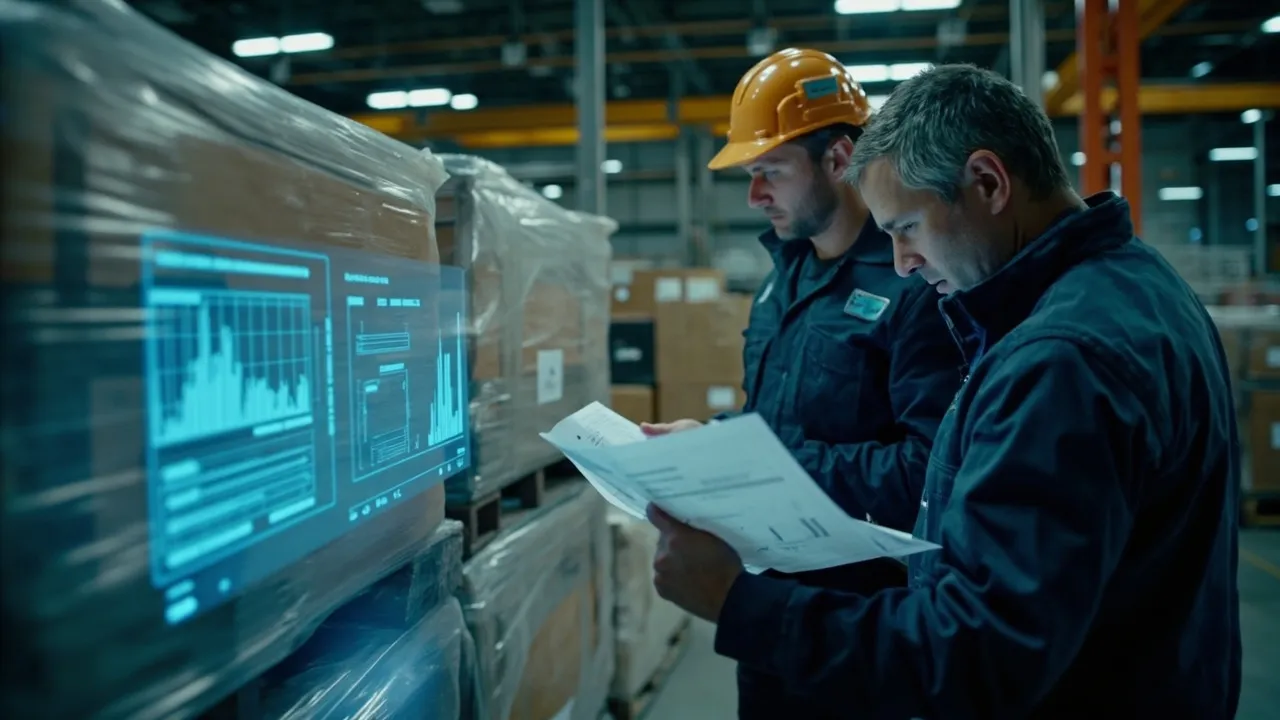
Packaging data narrows the blast radius. A packaging version ID can tell teams whether a specific seal, label stock, liner, or container was used on one production run or across several weeks of output. Supplier change alerts can flag when an alternate packaging provider entered the network. Hold/release triggers can stop inventory before it moves from cold storage into outbound distribution.
Food networks are built around speed. A warehouse may receive, inspect, rotate, pick, stage, and ship product before a supplier-quality issue is fully understood. If packaging specifications live in a QA binder or disconnected supplier portal, the people moving goods will not see the risk in time.
Warehouse execution is part of food safety
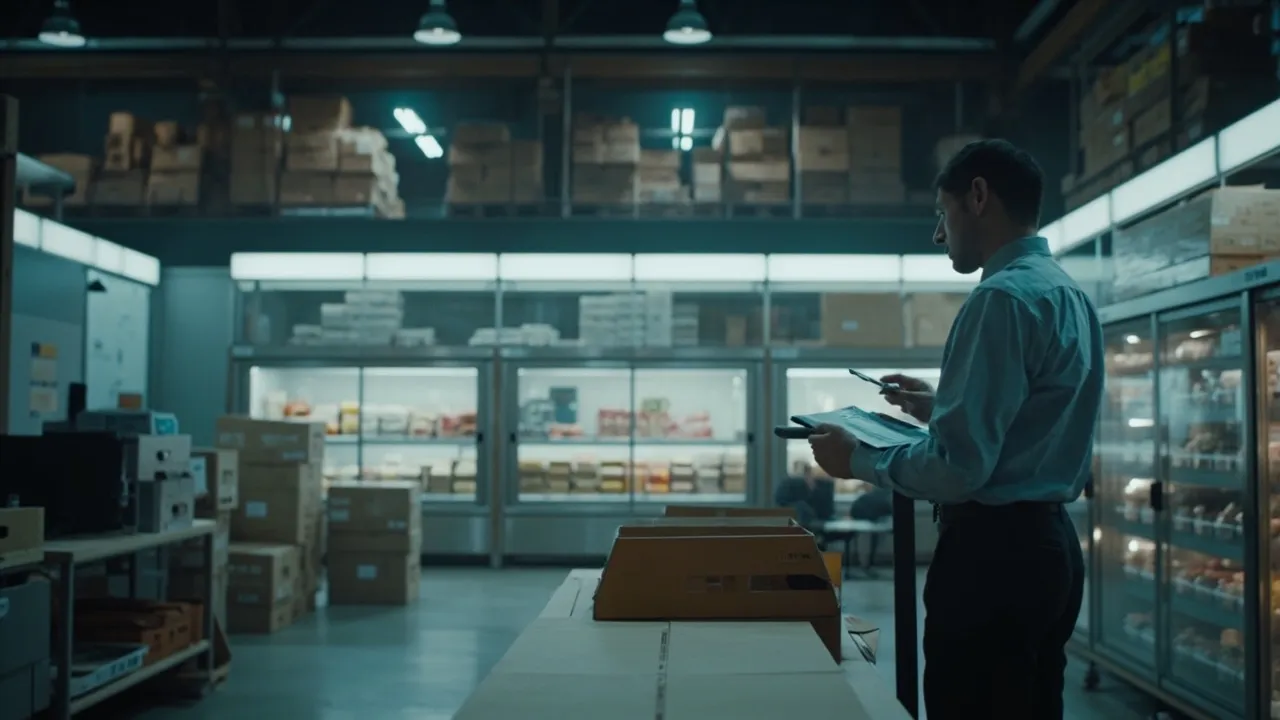
The warehouse is where packaging control either becomes real or becomes paperwork. Inbound Logistics reported that modern warehouses are operating under labor constraints, high turnover, speed-to-market pressure, tariffs, disruption, and economic uncertainty. Its article on next-generation warehouse operations quoted one expert saying many warehouses were built for a workforce they no longer have: less experienced workers are being asked to do better work faster, with less margin for error.
That is exactly why packaging controls must be embedded in execution workflows. A new employee should not need tribal knowledge to know whether a package version requires inspection, quarantine, or special handling. The WMS, TMS, receiving screen, shipment record, or exception queue should make the next action obvious.
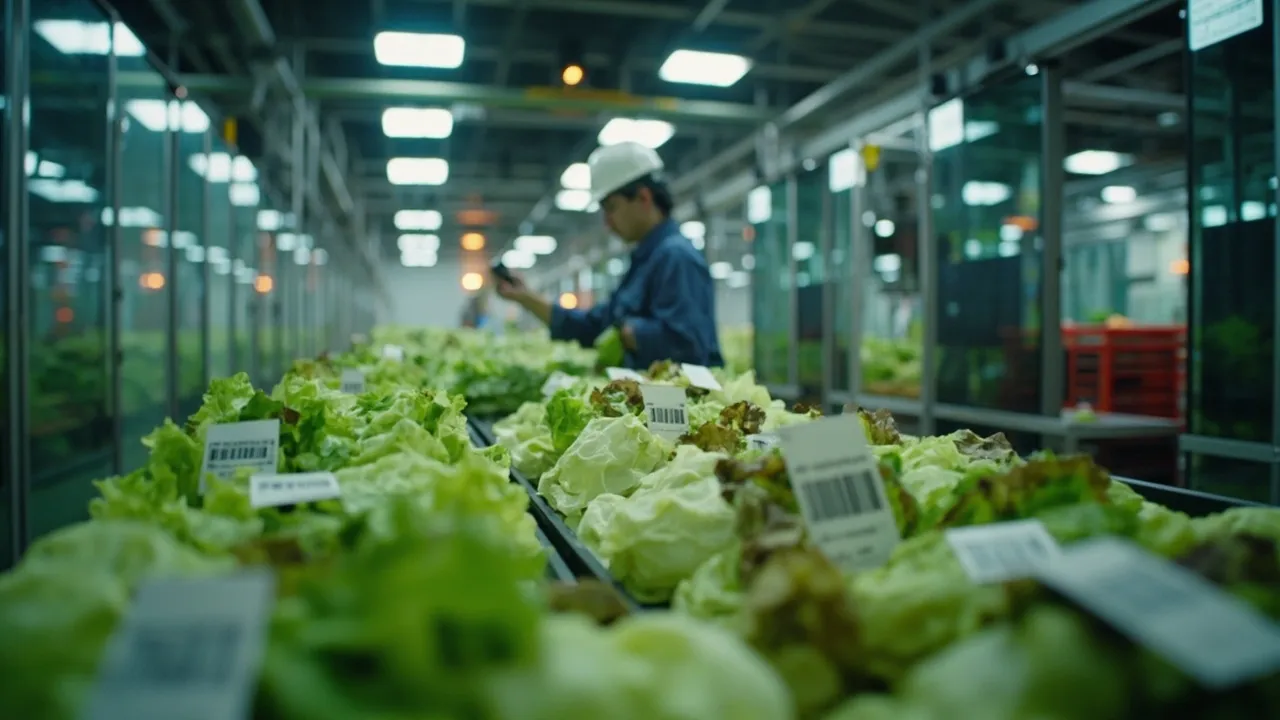
Consider cold-chain food distribution. If a new case design changes airflow around product, stack patterns may matter more. If a package no longer tolerates moisture exposure, dock dwell and trailer condition become safety variables. If a label is harder to scan, traceability compliance suffers at every handoff. If packaging dimensions change, pallet quantity, cube utilization, and load planning can change as well.
That is not a packaging-only problem. It is receiving, warehousing, transportation, inventory, and compliance all touching the same risk.
Growth makes packaging variation harder to control
Fast-growing foodservice networks show the same pattern. Supply Chain Dive reported that Gong cha acquired 170 U.S. master-franchise stores and plans to build 1,000 more units as it shifts toward a direct-franchising system. The company operates five U.S. warehouses, uses regional distribution, and manages long lead times for items such as tea fields and cup manufacturers, with some products taking nearly three months to make and ship to the United States.
That story is about more than franchise expansion. It shows why standardization becomes non-negotiable as networks scale. Cup specifications, lids, straws, seals, cartons, ingredient packaging, and receiving rules all affect menu consistency and food safety.
A packaging change that is manageable across 20 locations can become chaos across hundreds. One region accepts an alternate supplier. Another uses different pack sizes. Transportation does not update cube assumptions. Store complaints about damaged product never connect back to a packaging version. That is how cost-saving changes become service failures.
Practical controls for packaging as a safety point
Food logistics teams need controls that are visible in daily execution.
Start with packaging version IDs. Every meaningful package configuration should have an identifier tied to supplier, material, approval date, compatible SKUs, inspection criteria, and affected lot ranges. “Same box, new vendor” is not the same control state.
Add supplier change alerts. When a packaging supplier, material, seal method, label format, or pack size changes, receiving, inventory, QA, and transportation teams should see the change before product arrives. Surprise is the enemy of food safety.
Use hold/release triggers. If a packaging defect, supplier issue, failed inspection, temperature exposure, or traceability gap appears, the system should be able to hold inventory by lot, package version, warehouse, customer, or shipment status.
Connect packaging specs to transportation planning. Package dimensions, stack limits, temperature sensitivity, damage risk, and scan requirements should influence load planning and carrier instructions.
Finally, measure exceptions. Damaged cases, unreadable labels, rejected receipts, short shelf-life discoveries, emergency repacks, and manual relabeling are early signals that packaging controls are failing somewhere in the workflow.
Packaging will always have a cost. But in food logistics, treating it only as a cost line is bad math. The better view is operational: packaging is a control surface where safety, traceability, warehouse productivity, transportation reliability, and recall economics meet.
CXTMS helps logistics teams connect shipment execution, inventory events, supplier changes, exception workflows, and customer delivery data in one operational view. If your packaging decisions still live outside your logistics workflows, schedule a CXTMS demo and see how better execution data reduces food-safety blind spots.