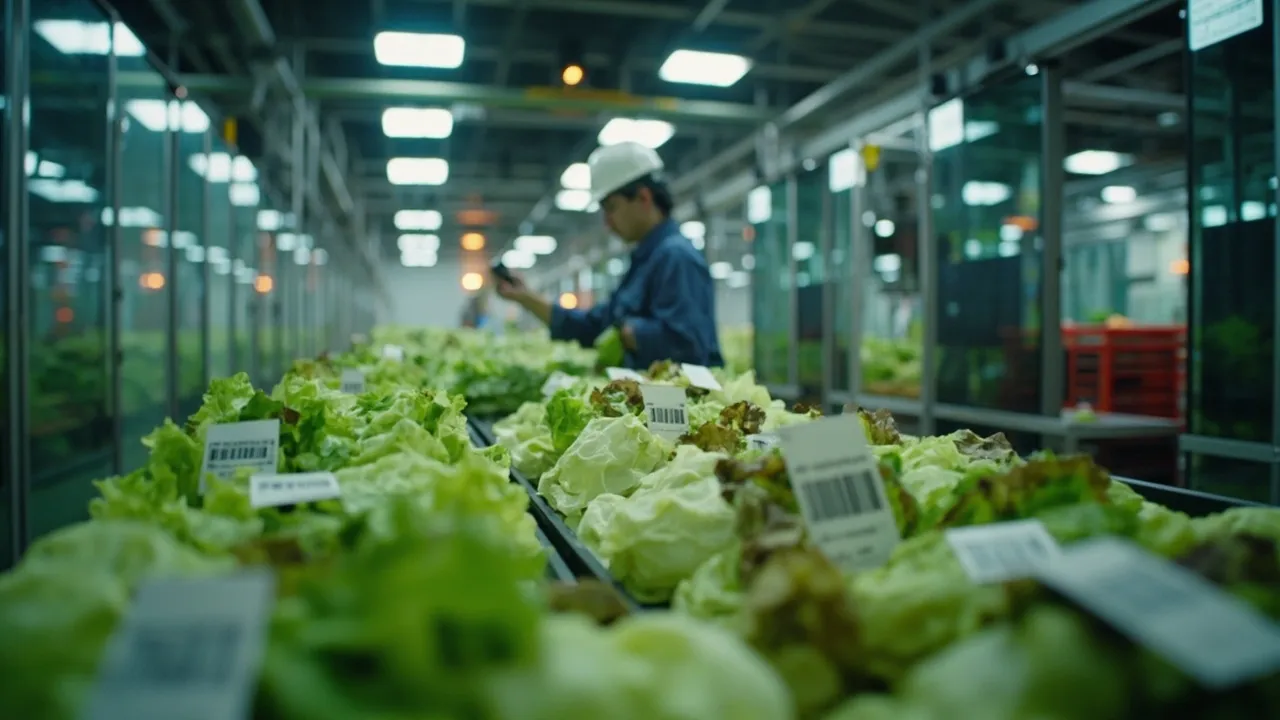
Amazon’s Seafood Sustainability Lawsuit Makes Chain-of-Custody Evidence a Logistics Requirement

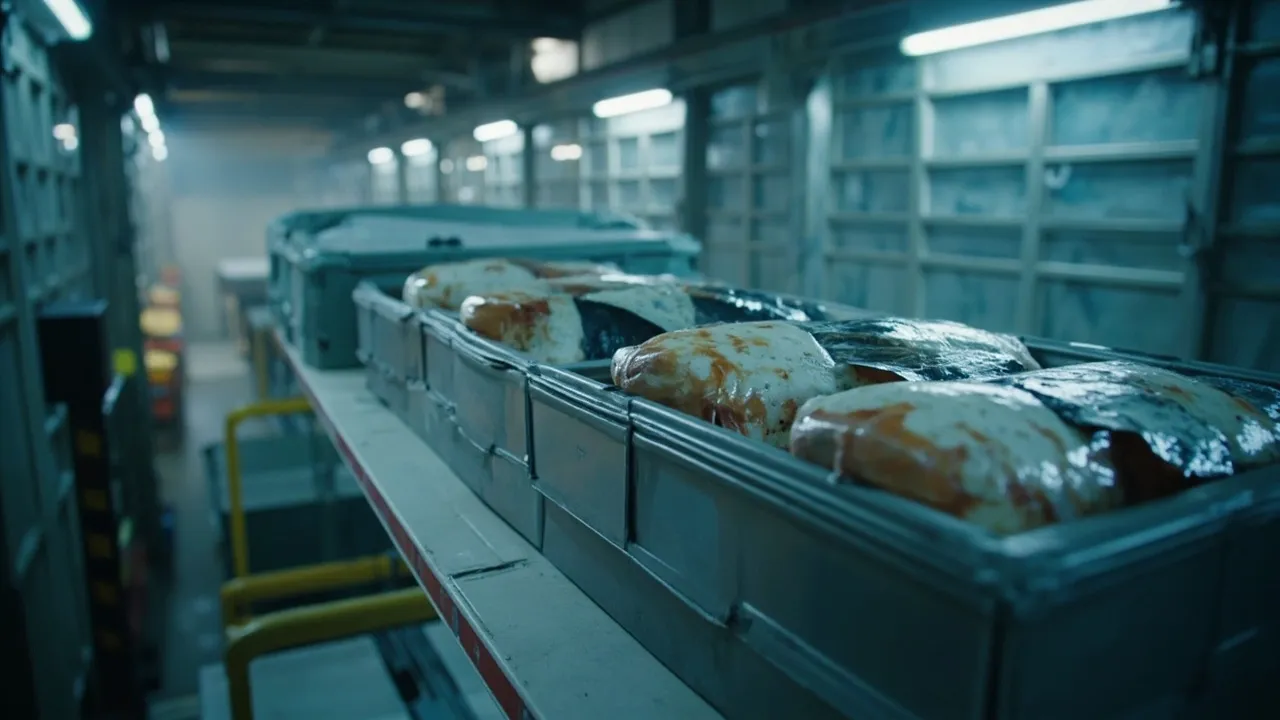
Sustainability language on a seafood product page may look like a marketing decision. Operationally, it is a logistics claim that must survive every handoff between vessel, processor, cold store, carrier, fulfillment center, and customer order.
That distinction is now in sharper focus. Reuters reported on July 31 that consumers sued Amazon, alleging that the retailer misrepresented environmental benefits associated with seafood sold on its platform. The allegations have not been adjudicated. Still, the case offers a practical warning for every retailer, distributor, and logistics provider: a sustainability badge is only as defensible as the physical chain-of-custody record behind the unit delivered.
The risk is not theoretical. Food Logistics reported that researchers found at least 32% of tested fish were mislabeled, with incorrect identification compounding as samples moved through the food system. When identity degrades across handoffs, supplier certificates and product-page copy can diverge from the carton that reaches a consumer.
A Certificate Is Not a Fulfillment Record
A supplier certificate can establish that an organization, fishery, or product program met a particular standard at a point in time. It does not automatically prove that every unit sold under a marketplace claim came from the certified source.
The evidence gap appears when certified and noncertified inventory share species names, item descriptions, packaging lines, cold-storage locations, or fulfillment bins. Repacking, aggregation, substitutions, returns, damaged labels, and manual adjustments can weaken the link further. A valid document may sit in a procurement system while the warehouse ships a lot that the document never covered.
Defensible evidence therefore needs two connected layers. The first identifies what a supplier was authorized to represent. The second records what physically happened to the inventory that fulfilled a specific order. Without both, a business can prove that it bought some qualifying seafood but not necessarily that it shipped qualifying seafood to the claimant.
Build the Evidence Chain Around Seven Events
For seafood represented as sustainable, the operational record should connect at least seven event categories:
- Harvest event: vessel identity, catch area, species, date, fishing method, and original lot identifier.
- Certification event: certification scheme, certificate holder, scope, status, and validity dates associated with that harvest or lot.
- Processing event: facility, input lots, output lots, yield, transformation, packaging, and label assignment.
- Cold-storage event: location, receipt time, inventory status, temperature controls, and any lot split or consolidation.
- Transportation event: carrier, equipment, seal, origin, destination, pickup, delivery, and custody exceptions.
- Fulfillment event: inventory lot allocated, picker or automated system confirmation, pack time, substitution status, and customer order.
- Claim event: the exact sustainability language, badge, or filter shown to the shopper when the order was placed.
Each event needs timestamps and stable identifiers. The goal is not merely to accumulate documents; it is to preserve relationships. One vessel lot may become several processor lots, which may enter several inbound shipments and fulfill thousands of orders. The record must support that many-to-many lineage without relying on a product description as the join key.
This is consistent with broader food-traceability practice. Food Logistics notes that effective chain-of-custody programs must accommodate supply chains where perfect end-to-end serialization is difficult and should begin by serializing the links a company can control. That is a useful implementation principle: do not wait for a universal industry database before making internal receipt, transformation, transfer, and fulfillment events traceable.
Link the Checkout Claim to the Shipped Lot
The most important control sits at the intersection of ecommerce and warehouse execution. At checkout, the retailer should create an immutable snapshot of the claim presented for that SKU, seller, geography, and time. At fulfillment, the order record should capture the exact inventory lot selected.
Those two records must be joined and tested. If the chosen lot lacks the required certification lineage, the workflow should block the allocation, remove the claim, route the order to compliant inventory, or require an approved exception. A generic SKU-level flag is insufficient when qualifying status varies by supplier or lot.
The same rule applies to substitutions. A replacement may match species, weight, and price while carrying different origin or certification attributes. Substitution logic should treat sustainability attributes as fulfillment constraints, not optional product content. Otherwise, a well-intentioned service recovery can create the precise evidence failure the control was designed to prevent.
Set a Claim-Based Retention Rule
Traditional logistics retention policies often follow shipment, tax, safety, or customer-contract requirements. Sustainability claims require another dimension: evidence should remain available for as long as the claim can create regulatory, contractual, or consumer-litigation exposure.
A practical policy is to retain the checkout claim snapshot, certification record, full lot genealogy, custody events, temperature and seal exceptions, substitution decisions, and proof of delivery as one retrievable evidence package. Changes to product copy or certification status should be versioned rather than overwritten.
Access also matters. Procurement may own certificates, quality teams may own lot data, transportation may own carrier events, and ecommerce may own the customer-facing claim. A defensible response cannot depend on four departments manually reconciling spreadsheets after a complaint. The evidence package should be searchable by order, shipment, lot, vessel, supplier, certificate, and claim version.
Turn Sustainability From Copy Into a Control
The operational lesson from the Amazon lawsuit is not that retailers should stop communicating sustainability efforts. It is that every specific claim creates a data obligation. The stronger the claim, the stronger the required link between representation and physical execution.
Logistics teams are central to that proof because they observe the handoffs where identity can be preserved, transformed, or lost. Lot capture at receiving, governed repacking, scan-based transfers, seal records, exception workflows, and order-level allocation are not back-office details. They are the evidence that determines whether a customer-facing promise can withstand scrutiny.
CXTMS helps logistics teams connect orders, lots, shipments, carriers, handoffs, documents, and exceptions in a controlled transportation record. If your sustainability claims still depend on disconnected certificates and warehouse assumptions, request a CXTMS demo to see how shipment-level visibility can support audit-ready chain-of-custody evidence.