Adaptive Machine Learning Could Make Grocery Recalls Smaller, Faster, and Cheaper

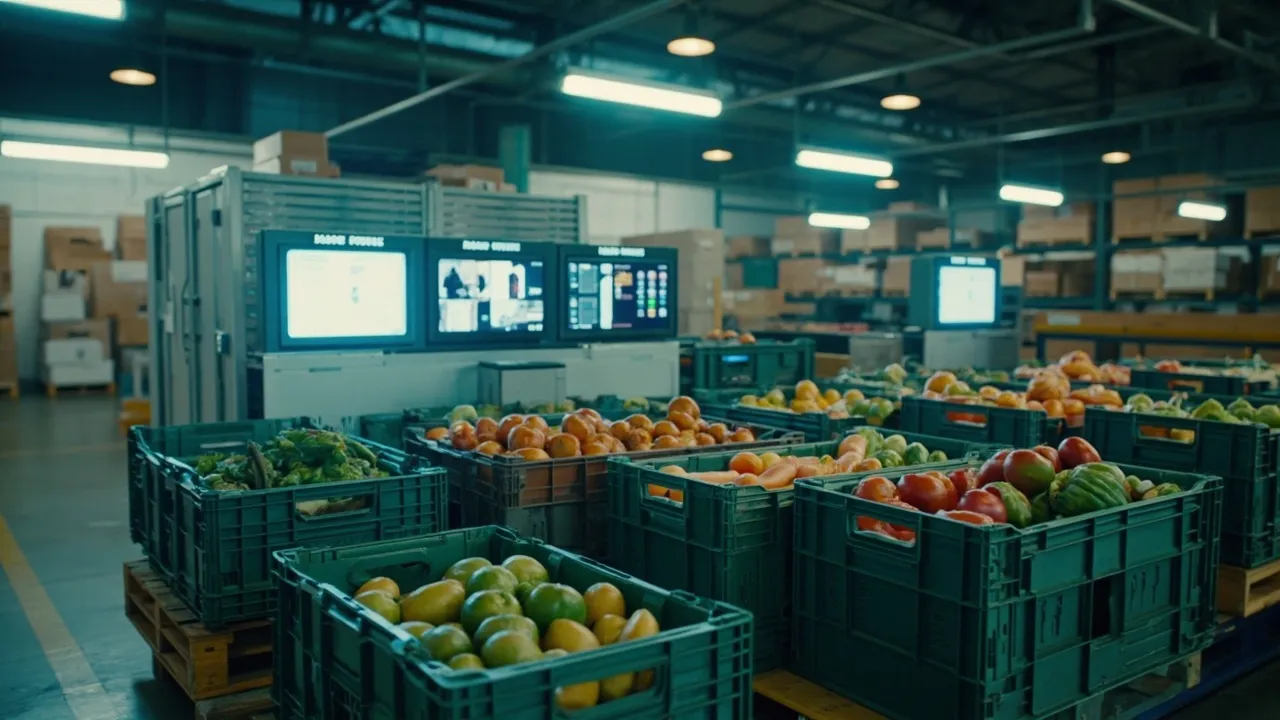
Food recalls have always been expensive, but the cost is no longer limited to disposal, replacement inventory, and regulatory reporting. A broad grocery recall now hits store labor, supplier claims, transportation plans, brand trust, cold-chain capacity, and reverse logistics all at once. The operational question is getting sharper: can the supply chain isolate the actual risk, or does it have to pull everything that might be connected?
That is why adaptive machine learning belongs in the grocery traceability conversation. The promise is not magic prediction. It is narrower action. Food Logistics reports that the International Trade Centre estimates effective traceability can reduce recall scope by up to 95%. In practical terms, that is the difference between pulling an entire truckload or distribution wave and isolating the shipment, tote, pallet, supplier lot, or handling event that actually introduced risk.
For grocery shippers, that difference is enormous. A 95% reduction in recall scope does not just save product. It preserves shelf availability, reduces store disruption, limits unnecessary reverse moves, and keeps good inventory from being treated like contaminated inventory. In a category where margins are thin and freshness windows are brutal, precision is the whole game.
Traceability is now a logistics execution problem
Traceability used to be framed as a compliance archive: capture lot codes, keep records, produce documents when asked. That model is too slow for grocery networks where product moves through farms, processors, pooling providers, DCs, stores, e-commerce picking nodes, and last-mile delivery partners.
Modern traceability has to answer execution questions in real time. Which shipment carried the affected lot? Which reusable container touched the product? Which temperature event occurred before the exception? Which store received units from the same pallet family? Which outbound route should be stopped before it leaves the dock?
Adaptive machine learning is useful because grocery networks are messy. Static rules can flag a known lot code, but they struggle when risk emerges from combinations of events: a supplier change, a sanitation gap, a cross-dock delay, a temperature excursion, a reusable asset history, or an unexpected dwell pattern. ML models can learn from those changing signals and help operations teams narrow the probable blast radius faster than manual spreadsheet reconciliation.
Models still need evidence. Missing scans, late supplier records, untied reusable assets, or disconnected warehouse milestones force teams back into broad recalls.
AI works best when it rides on existing operations
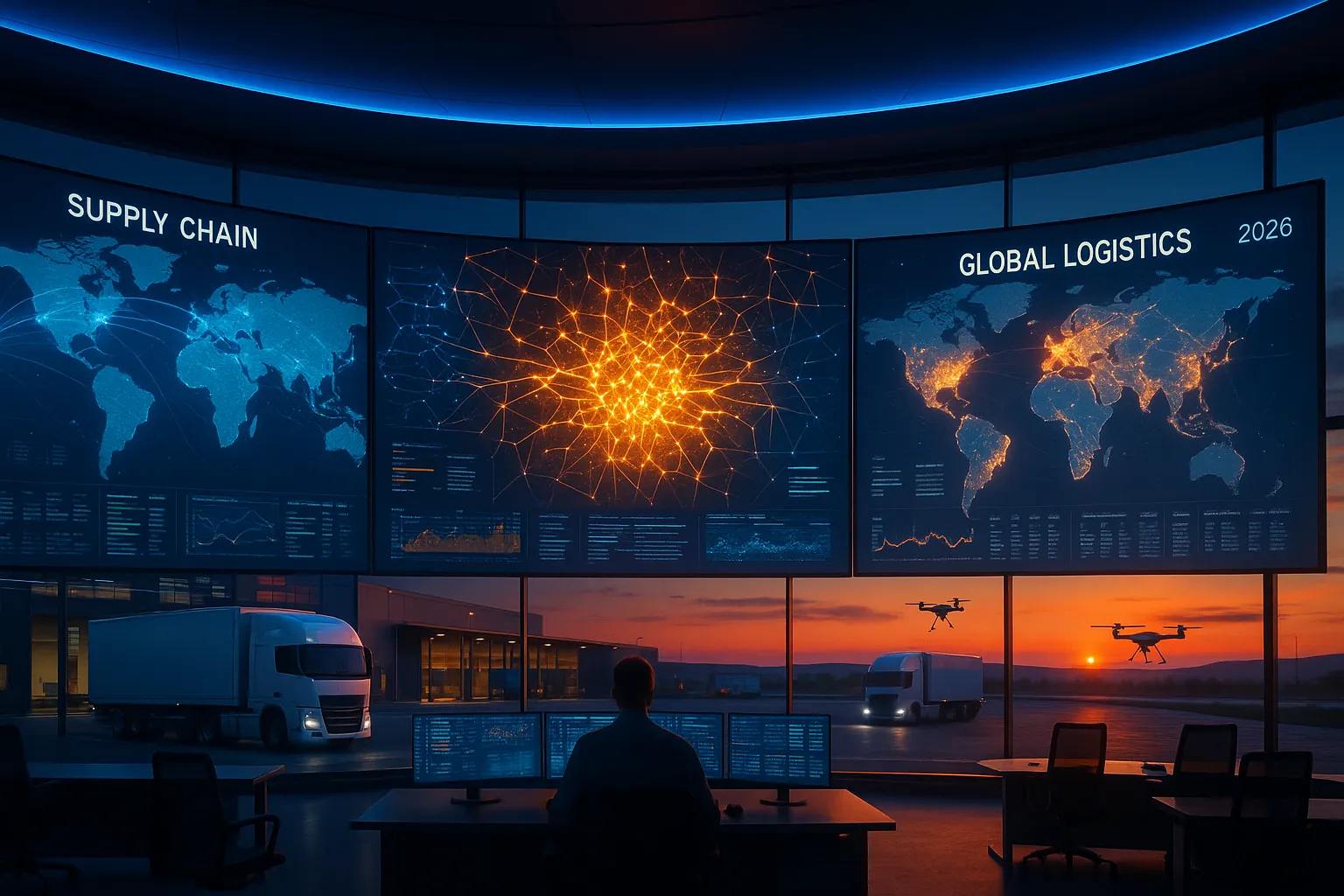
The strongest near-term AI use cases in logistics are not science fiction. They are orchestration, exception detection, and better operational visibility. Inbound Logistics notes that AI can layer on top of existing WMS and WES platforms, ingest real-time data, and help teams with decisions such as wave planning, slotting, exception flagging, predictive labor planning, and reverse logistics bottlenecks.
That matters for grocery traceability because most companies will not rip out every system before improving recall readiness. They need AI that can sit across the operating stack: purchase orders, ASNs, lot records, reusable container pools, dock scans, carrier tenders, temperature feeds, delivery confirmations, returns authorizations, and store-level disposition.
AI is not set-and-forget, either. Grocery variables shift constantly: SKU mix, supplier performance, harvest timing, cold-chain exceptions, sanitation windows, and promotion spikes. Human operators still validate the likely risk boundary, execute the hold or recall, and feed outcomes back into the model.
Recall precision depends on reusable asset data
Reusable crates, pallets, bins, totes, and containers are becoming part of the traceability record. That is especially true in grocery, where pooled assets may move across suppliers, DCs, retailers, and wash cycles. If the asset is not connected to product, shipment, location, and sanitation history, a traceability program has a blind spot.
This is where adaptive ML becomes more than a lot-code tool. It can spot patterns around asset pools, staging points, route sequences, skipped sanitation steps, or dwell patterns that correlate with later product risk. But the foundation comes first: consistent asset IDs, timestamps, temperature records, supplier compliance, and reverse logistics status codes. Poor data governance turns every recall into a detective story; good data governance turns it into a controlled workflow.
AI readiness is operational discipline, not vendor selection
The industry is starting to sober up about AI. SupplyChainBrain’s 2026 AI readiness coverage argues that stronger performers fix the process before deploying the model, prepare the workforce before scaling agents, and build governance before automating decisions. It identifies six separating dimensions: idea sourcing, investment logic, governance, testing, data governance, and success metrics.
That framework fits grocery recalls perfectly. A shipper should not begin with “we need adaptive ML.” It should begin with the operating target: reduce recall scope, reduce time to isolate affected inventory, reduce unnecessary reverse logistics moves, preserve compliant inventory, and prove action taken to customers and regulators.
From there, the metrics get concrete: time to identify affected lots, percent of shipment events captured on time, supplier record completeness, overbroad holds later released, transportation cost of store recovery, and saleable inventory destroyed because safety could not be proven. Those are logistics KPIs, not AI vanity metrics.
What grocery logistics teams should do now
First, map the recall decision path. Identify every system and team involved from initial risk signal to product hold, shipment stop, store notification, reverse move, and final disposition. Any manual handoff in that path is a delay risk.
Second, connect traceability to transportation execution. A recall boundary is only valuable if the TMS can stop freight, reroute product, notify carriers, prioritize pickups, and separate affected inventory from normal returns. Third, test realistic scenarios before the real recall: a contaminated lot, a temperature excursion, a sanitation failure, and a reusable container risk event.
The CXTMS view
Adaptive machine learning can make grocery recalls smaller, faster, and cheaper, but only when the logistics data underneath it is trustworthy. The real breakthrough is not an algorithm that sounds impressive in a boardroom. It is the ability to connect supplier events, warehouse milestones, carrier activity, reusable assets, temperature signals, and reverse logistics into one controlled execution layer.
CXTMS helps logistics teams build that layer. When shipment data, exceptions, carrier actions, documentation, and recovery workflows are connected, traceability becomes operational instead of theoretical. Teams can isolate risk faster, avoid pulling good inventory, and manage the reverse flow with discipline.
Ready to turn traceability data into logistics execution? Schedule a CXTMS demo and see how better visibility helps food supply chains act faster when every hour matters.