Food Logistics
69 posts tagged with “Food Logistics”
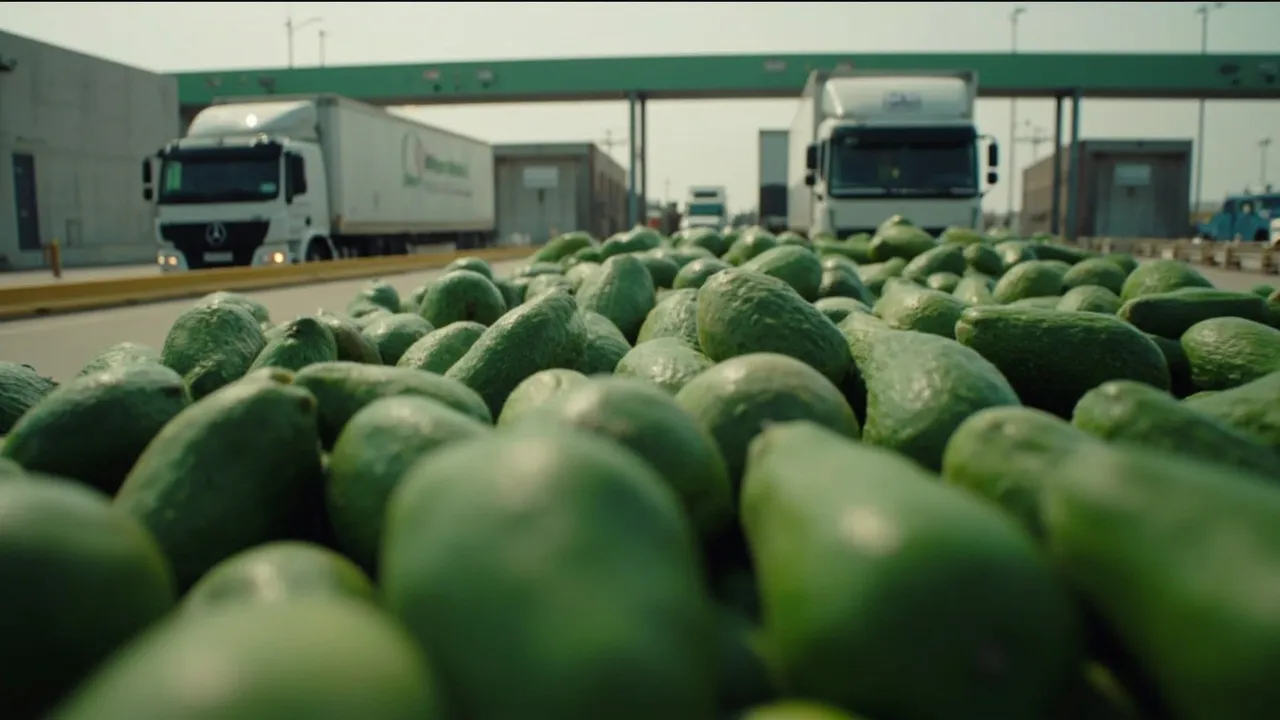
Avocado Imports Generate $641M for U.S. Logistics: Build a Border-to-Ripening Capacity Map
Mexican avocado imports support $641.5 million in U.S. logistics activity. Learn how to map border, reefer, ripening, and delivery capacity before peak demand.
 CXTMS InsightsOctober 26, 2026 · 6 min read
Italy’s Trucker Aid Restored Food Deliveries—Now Measure the Cost of Recovery
Italy’s trucker-aid response restored food flows, but shippers still need to measure backlog, spoilage, premiums, subsidies, and lane-level recovery costs.
CXTMS InsightsOctober 23, 2026 · 6 min read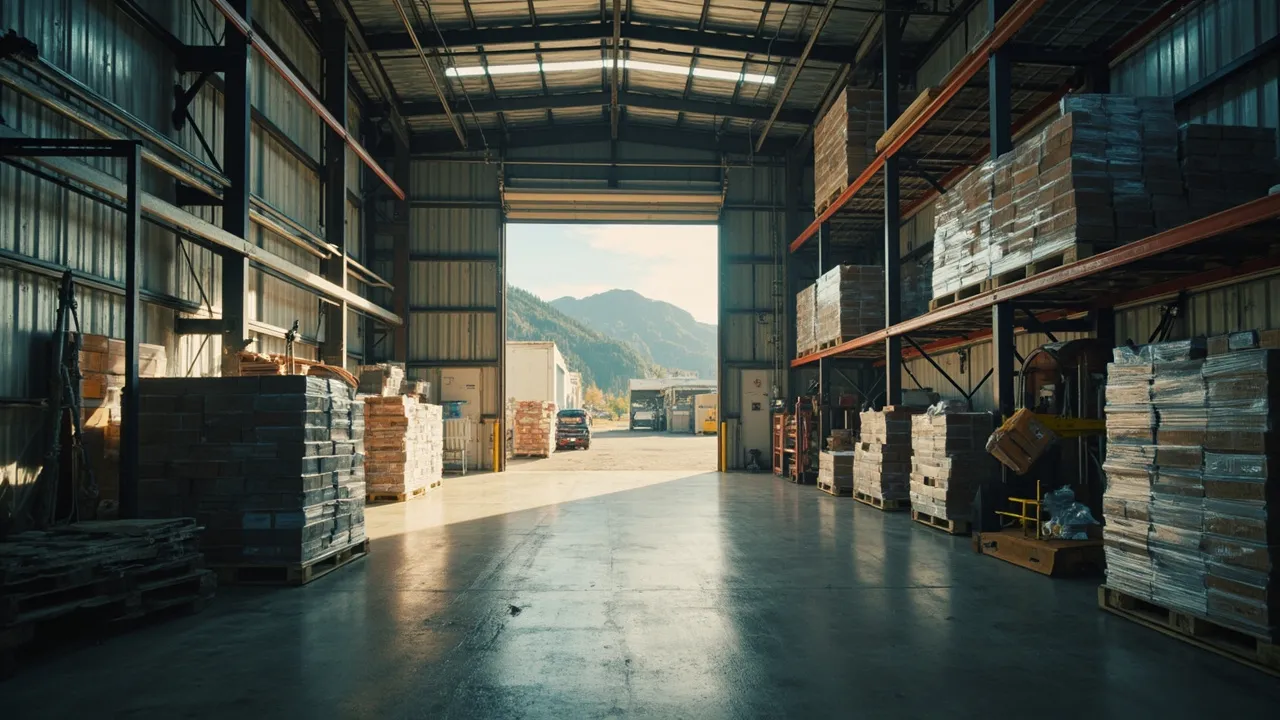
Rocky Mountain Chocolate's $6.6M Warehouse Deal Turns Logistics Real Estate Into Working Capital
Rocky Mountain Chocolate Factory's $6.6 million sale-leaseback shows how logistics operators can unlock working capital without surrendering a mission-critical facility.
CXTMS InsightsOctober 21, 2026 · 6 min read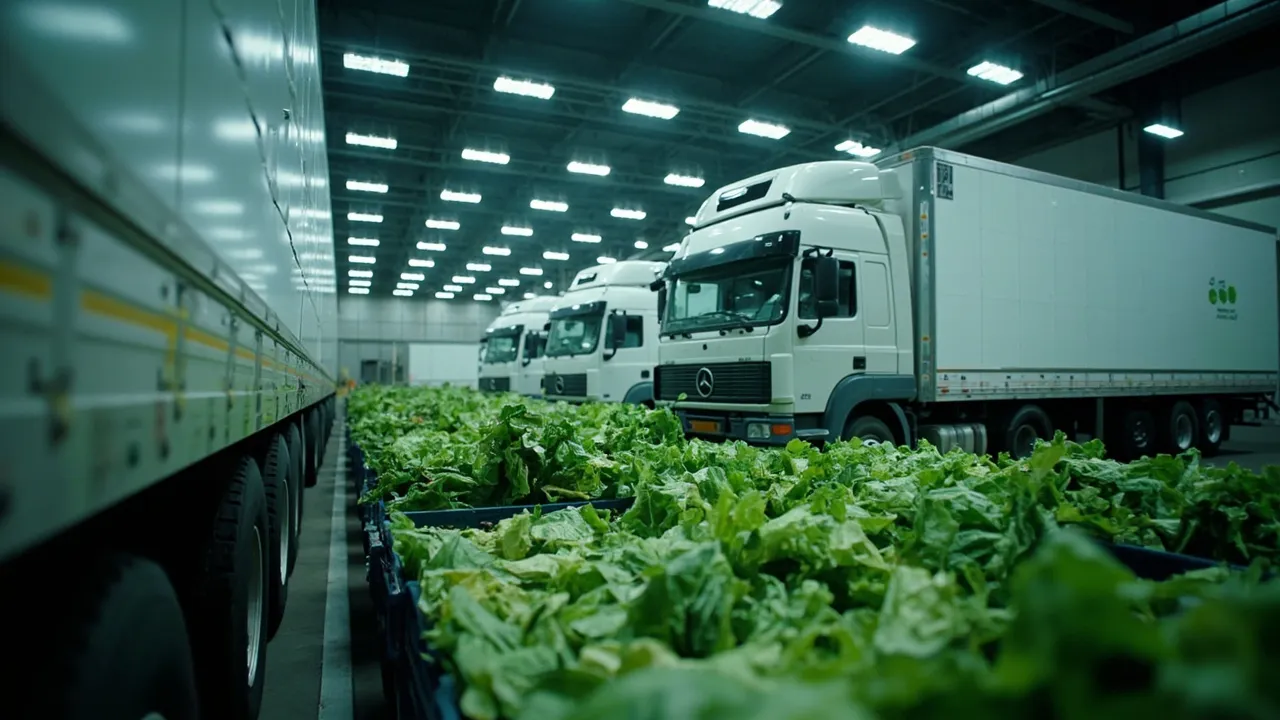
Taylor Farms' Mexico Sourcing Halt: Build a Seasonal Produce Exclusion Calendar
Turn seasonal food-safety risk into enforceable origin, tender, cold-chain, and traceback controls across the produce supply chain.
CXTMS InsightsOctober 19, 2026 · 6 min read
Yum! Brands’ Supplier Strategy Needs a Restaurant-Level Recovery Contract
Yum! Brands can turn strategic supplier collaboration into restaurant-level resilience with explicit data, allocation, substitution, and recovery commitments.
CXTMS InsightsOctober 15, 2026 · 6 min read
Northwest Reefer Rejections Hit 41%: Protect Produce Lanes With Equipment-Specific Triggers
Northwest reefer tender rejections reached 41%. Learn how produce shippers can use equipment-specific triggers to protect capacity, temperature, and shelf life.
CXTMS InsightsOctober 12, 2026 · 6 min read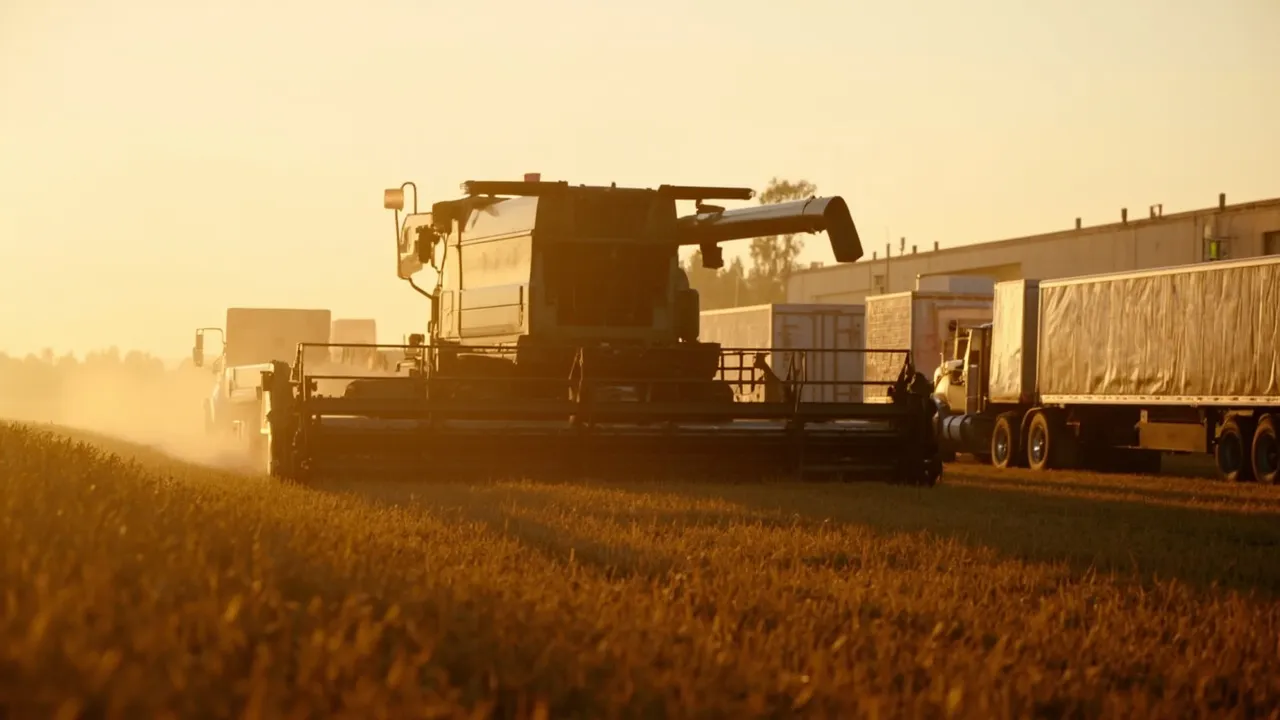
Farm Equipment Repair Barriers Are a Food-Supply Logistics Risk
Farm equipment repair delays can quickly disrupt harvest schedules, cold-chain intake, and contracted freight. Here is how logistics teams can plan around the risk.
CXTMS InsightsOctober 11, 2026 · 6 min read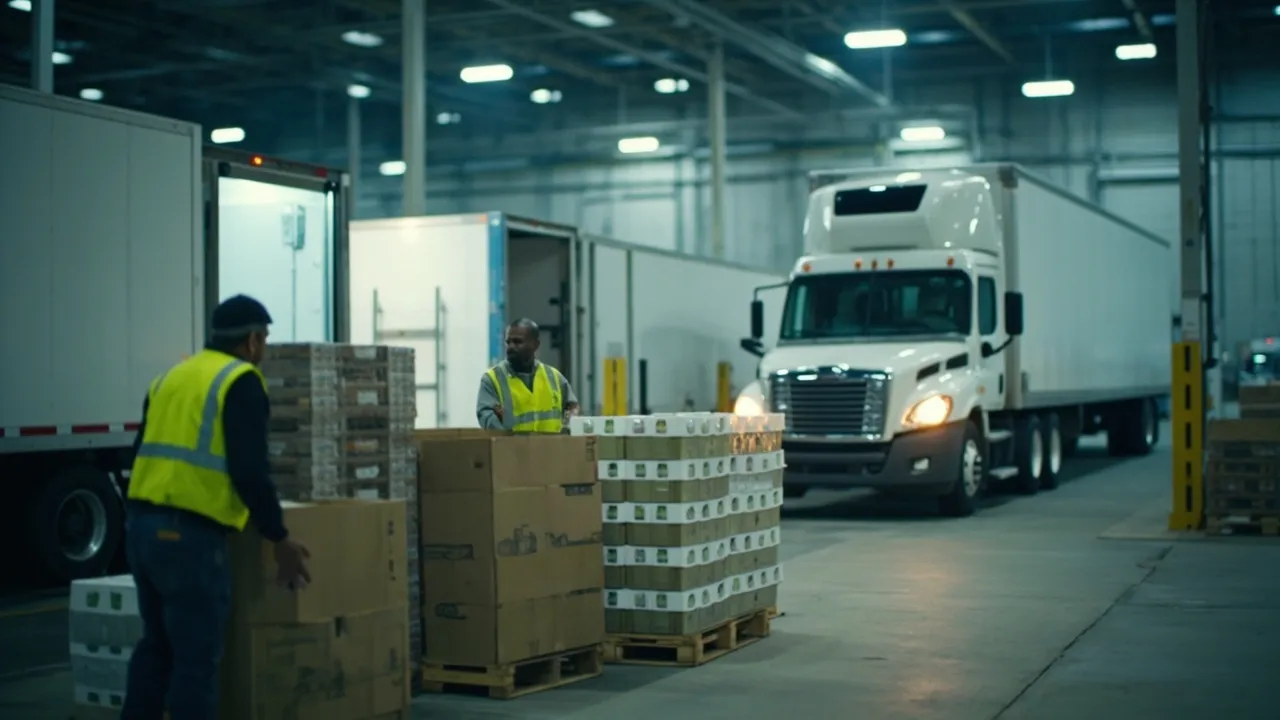
Cal-Maine Says the Egg Market Is Rebalancing: Build a Perishable Supply Release Ladder
Egg supply is beginning to rebalance. Learn how a release ladder can protect freshness, service, and margin as market conditions change.
CXTMS InsightsOctober 8, 2026 · 6 min read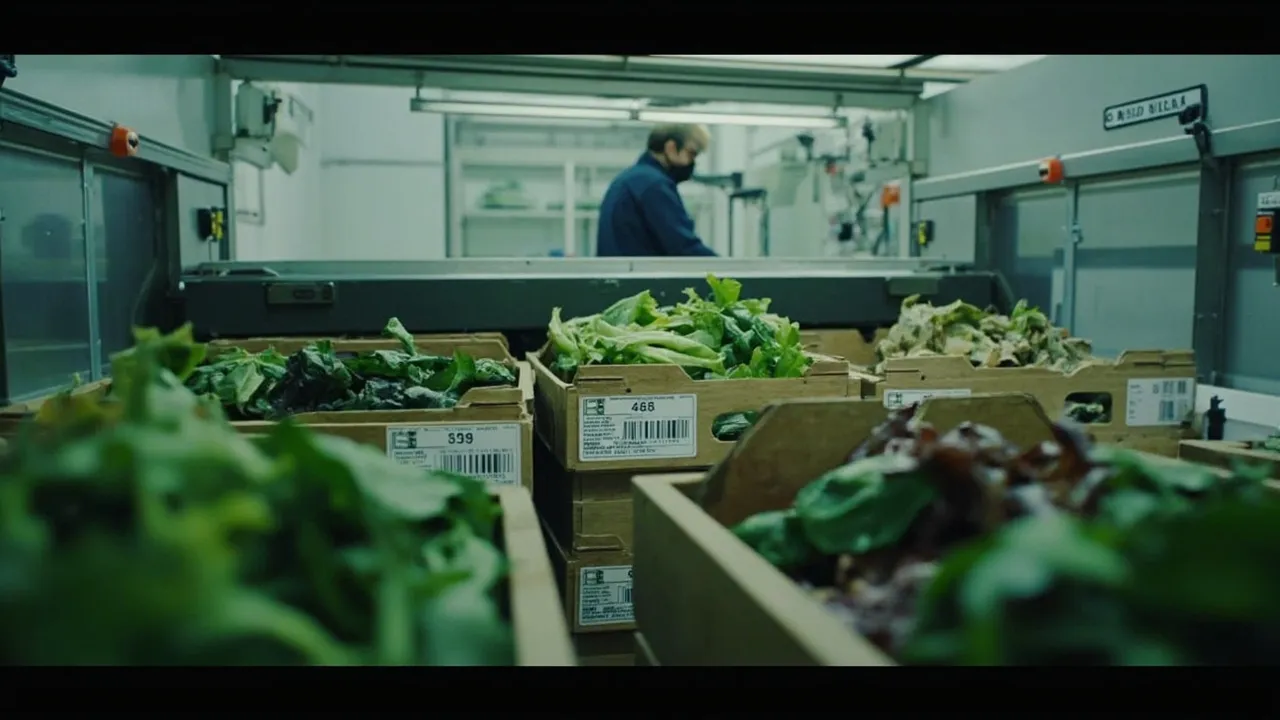
Fresh Produce Trade Compliance: Make Every Vegetable Shipment Lot-Auditable
A practical guide to linking phytosanitary documents, temperature records, inspections, holds, and partial releases to every imported produce lot.
CXTMS InsightsOctober 5, 2026 · 6 min read
Food Brand Acquisitions Create a Supply Chain Integration Debt Ledger
A practical integration debt ledger helps food and beverage companies consolidate acquired supply chains without sacrificing service, traceability, or margin.
CXTMS InsightsSeptember 26, 2026 · 6 min read