Tariffs
45 posts tagged with “Tariffs”
Plastics Tariffs Are Creating a Resin-to-Packaging Landed-Cost Blind Spot
Learn how to trace plastics tariffs from resin through converted packaging and validate supplier price increases with a part-level landed-cost model.
 CXTMS InsightsSeptember 24, 2026 · 6 min read
A 50% Auto-Materials Tariff Needs Part-Level Landed-Cost Version Control
Steel, aluminum, vehicle, and auto-parts tariffs now vary by material content, origin, product, and effective date. Automotive logistics teams need versioned landed-cost controls at part level.
CXTMS InsightsSeptember 8, 2026 · 6 min read
Tariff Refund Sharing: What Williams-Sonoma’s Vendor Model Means for Procurement
Williams-Sonoma’s tariff refund allocation offers procurement teams a practical model for auditable vendor settlements, landed-cost corrections, and future sharing clauses.
CXTMS InsightsSeptember 1, 2026 · 6 min read
Section 338’s 50% Tariff Needs an Effective-Date Control in Every Import File
A practical control framework for managing Section 338 tariff exposure across classification, origin, entry timing, landed cost, and customer communication.
CXTMS InsightsAugust 28, 2026 · 6 min read
Caterpillar’s $392 Million Tariff Refund Shows Why Duty Data Needs an Audit Trail
Caterpillar’s $392 million tariff recovery illustrates why importers need shipment-level duty history, evidence controls, and disciplined landed-cost reconciliation.
CXTMS InsightsAugust 27, 2026 · 6 min read
Canada's 50% Tariff Raises the Stakes for Shipment-Level Origin Proof
A shipment-level origin evidence workflow can help importers control landed-cost shocks, customs delays, and audit risk under the new 50% tariff on Canadian goods.
CXTMS InsightsAugust 23, 2026 · 6 min read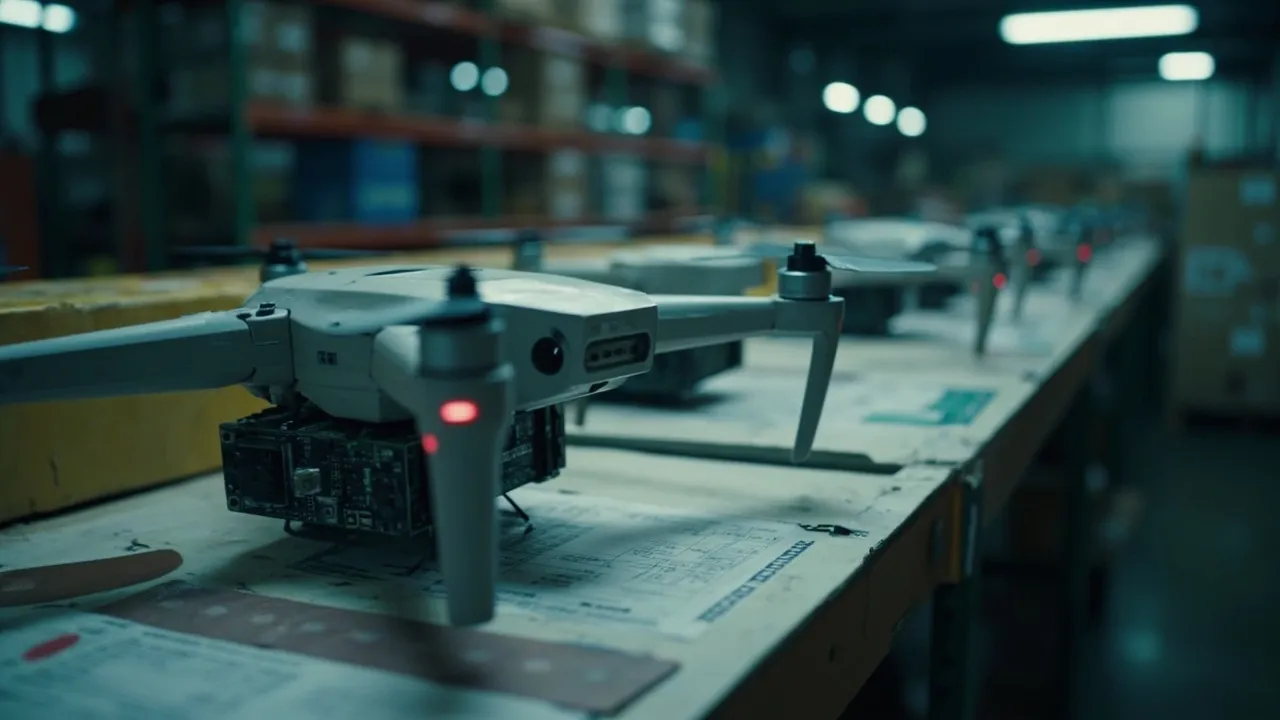
100% Drone Tariffs Turn Country-of-Origin Data Into a Logistics Control
New 100% drone tariffs make country-of-origin evidence a shipment-release requirement across purchasing, customs, and transportation operations.
CXTMS InsightsAugust 16, 2026 · 6 min read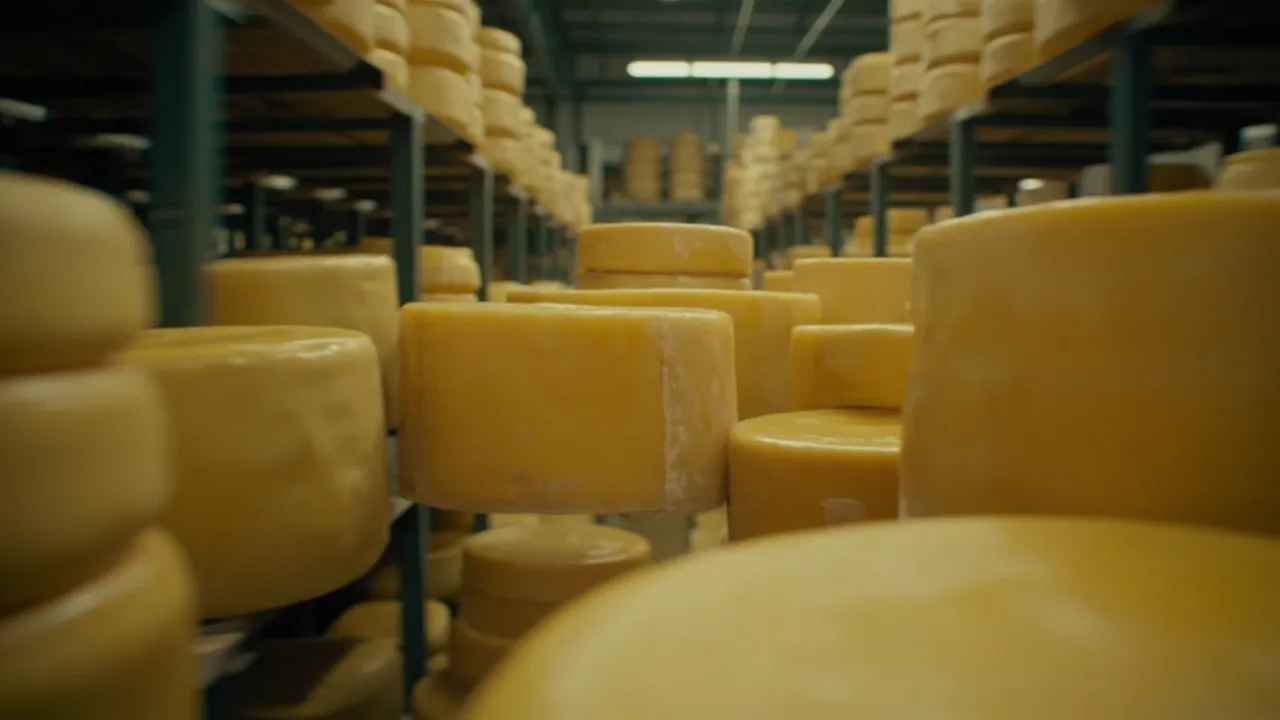
Gruyère Production Cuts Turn Tariffs Into a Cold-Chain Allocation Problem
How Gruyère producers can translate tariffs and production cuts into landed-margin rules for scarce cold-chain export capacity.
CXTMS InsightsAugust 1, 2026 · 6 min read
Forced-Labor Tariffs on 60 Trading Partners Demand a Shipment-Level Duty Transition File
New forced-labor tariffs replace expiring Section 122 duties. Learn how a shipment-level transition file controls rates, exemptions, evidence, and release decisions.
CXTMS InsightsJuly 27, 2026 · 5 min read
Proposed 200% Pharmaceutical Tariffs Turn Drug Logistics Into a Grace-Period Countdown
A proposed phased tariff on generic drugs gives pharmaceutical importers time to connect origin, inventory, customs, and cold-chain decisions before duties rise.
CXTMS InsightsJuly 24, 2026 · 6 min read