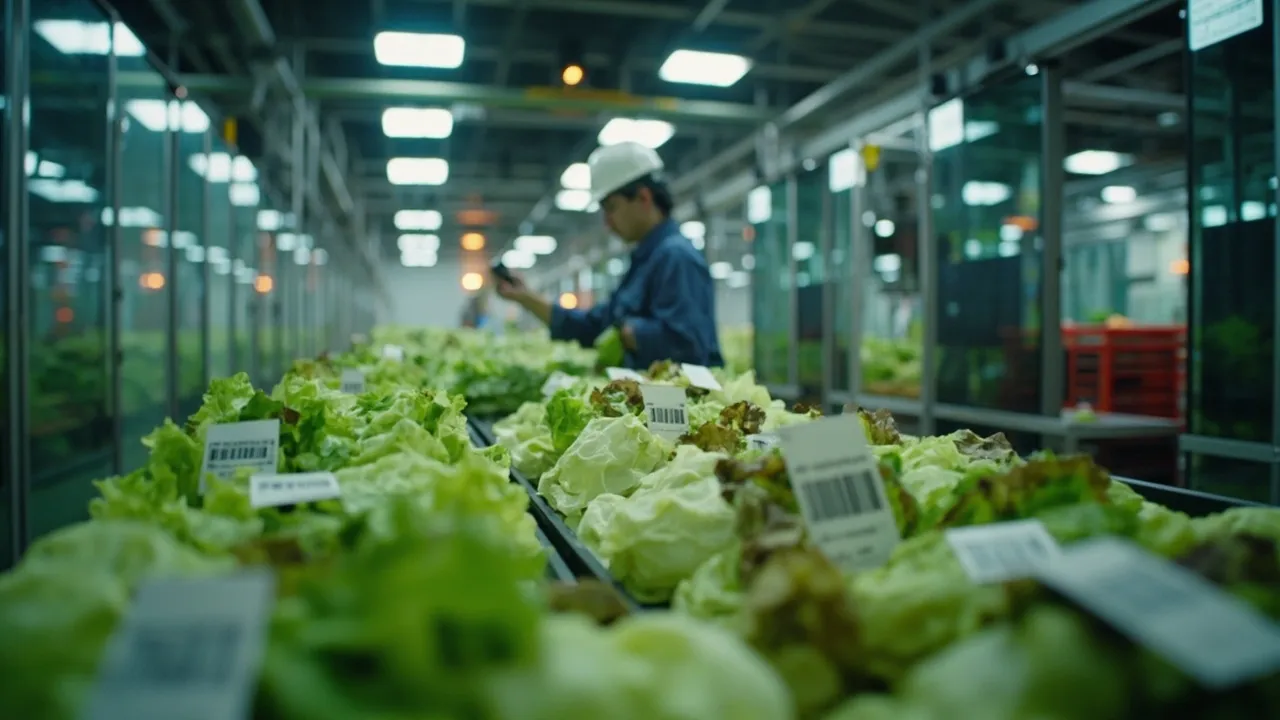
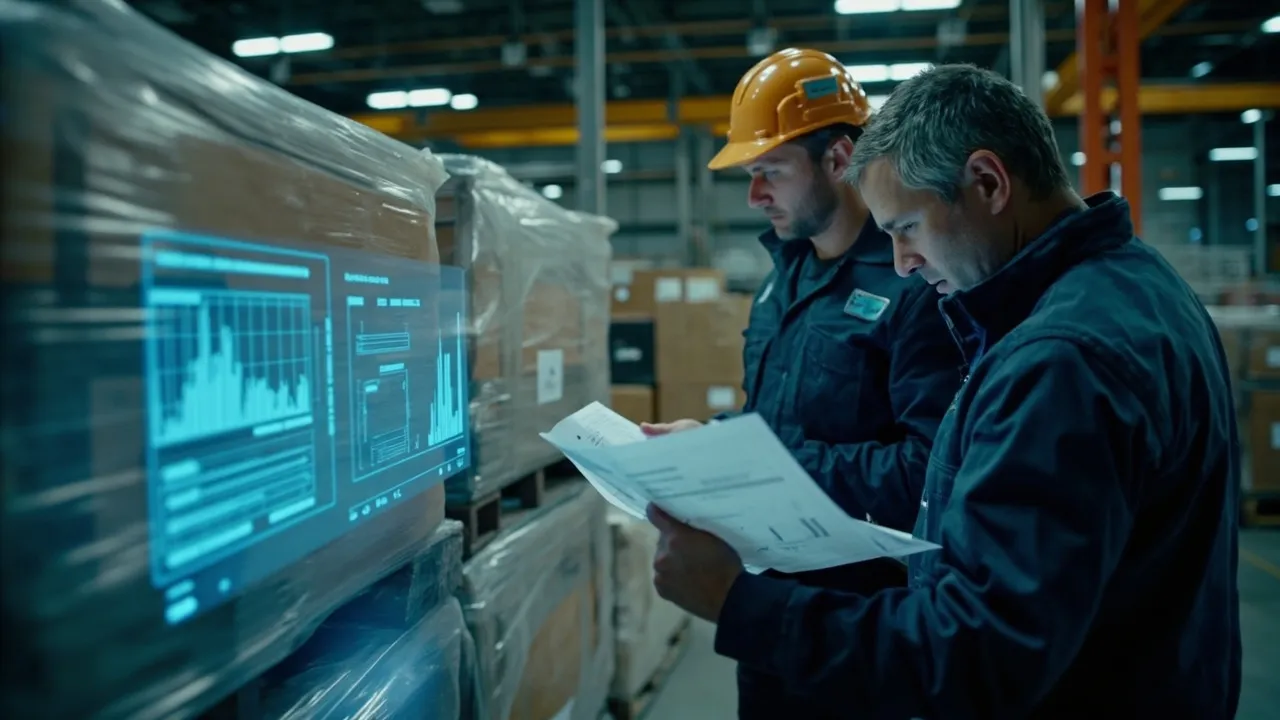
Grocery Traceability Is Becoming Recall Scope Optimization, Not Just Compliance


Grocery traceability used to sound like a compliance exercise: keep the required records, satisfy auditors, and be ready when regulators ask for proof. That definition is too small now. The real value is recall scope optimization.
When a contamination event hits, the question is not only “Can we trace the product?” It is “Can we prove which shipments are affected fast enough to avoid freezing every nearby lane, warehouse, store, and supplier relationship?” That difference matters. A grocer that can isolate one lot, one container, one temperature excursion, or one delivery route protects customers while avoiding the operational overreaction that turns a narrow food safety event into a network-wide disruption.
Food Logistics’ recent analysis of adaptive machine learning in grocery traceability makes the business case bluntly: the International Trade Centre estimates effective traceability can reduce recall scope by up to 95%. Another Food Logistics article notes traceability technology can reduce recall scope by 50% to 95%, which is a massive range but still points in the same direction. The goal is no longer simply faster paperwork. It is smaller blast radius.
Compliance creates the deadline; operations create the advantage
Regulation is pushing grocers to modernize. Food Logistics reported that the FDA delayed the FSMA 204 compliance date by 30 months, moving the deadline from January 2026 to July 20, 2028. That extension may reduce immediate pressure, but it should not slow investment. The grocers that wait for the deadline will build minimum viable compliance. The grocers that start now will build operational recall control.
FSMA 204 centers on critical tracking events and key data elements for foods on the traceability list. In practice, that means companies need reliable records across growing, receiving, transforming, shipping, and receiving events. For grocery logistics teams, however, the regulatory data is only part of the story. Recall optimization also depends on transportation context: which trailer moved the affected product, what else was co-loaded, where it stopped, whether temperature stayed in range, which DC received it, and which outbound shipments carried the same lot onward.
A spreadsheet can satisfy a narrow record request. It cannot confidently isolate risk across a moving grocery network.
The hard part is connecting lot data to freight events
Most grocers already have pieces of traceability data. Suppliers maintain lot codes. Warehouses scan pallets. Quality teams track certificates, inspections, and holds. Carriers provide pickup and delivery events. Cold chain devices report temperature. Stores and DCs record receiving exceptions. The problem is that these records often live in separate systems with different identifiers, time stamps, and ownership.
If lot information is not tied to pallet, container, shipment, stop, and receiving records, teams cannot quickly distinguish affected product from adjacent product. If temperature events are stored separately from shipment milestones, quality teams may know a trailer warmed up but not which purchase orders, customers, or store deliveries were exposed. If supplier data and transportation data are not connected before the incident, teams lose precious hours reconciling records while inventory is held defensively.
Machine learning helps only after the event data is clean
Adaptive machine learning can improve traceability by detecting patterns, flagging anomalies, and narrowing probable exposure faster than manual review. It can learn supplier behavior, seasonal handling patterns, shipment timing risks, recurring temperature deviations, and unusual route-event combinations. That is useful.
But machine learning does not magically repair bad operational data. If shipment IDs do not match warehouse records, if lot codes are incomplete, if carrier events arrive late, if temperature records are not linked to freight movements, or if exception reason codes are inconsistent, the model is learning from noise. Confident noise is worse than honest uncertainty.
Inbound Logistics’ coverage of the next-generation warehouse shows the same principle in another setting. Warehouse leaders are investing in automation and AI while dealing with volatility, labor constraints, turnover, tariff uncertainty, and faster ecommerce expectations. The article highlights practical gains when operations are instrumented properly, including Dermalogica increasing warehouse imaging frequency by 600% and saving roughly 120 labor hours per month with autonomous inventory drones.
The lesson for grocery traceability is clear: AI delivers value when physical processes generate dependable digital events. Cameras, drones, WMS records, carrier milestones, IoT sensors, and TMS events all need to describe the same operational reality. Otherwise, recall analytics become another dashboard that looks impressive until someone asks which product to pull.
Recall scope is a transportation problem too
Food safety teams often own recall procedures, but transportation teams shape recall scope every day. They decide consolidation patterns, carrier assignments, routing, cross-dock moves, pool distribution, appointment timing, and exception recovery. Those choices determine how product lots spread through the network.
A full truckload of one supplier’s product is easier to isolate than a mixed grocery load with several lots, multiple temperature zones, and several downstream stops. A cross-dock transfer without clean scan discipline creates more ambiguity than a controlled DC receipt. A late carrier update can delay the identification of downstream exposure. A missed temperature exception can turn one suspect pallet into a whole route investigation.
What grocers should build before the next recall
Start with identifiers. Lot, pallet, container, trailer, purchase order, shipment, stop, DC, store, and supplier IDs need to connect without manual detective work. If teams still rely on email threads, PDFs, or “ask the warehouse lead” knowledge, recall scope optimization is not ready.
Next, standardize freight events. Pickup, departure, arrival, unload, hold, temperature deviation, seal break, rework, cross-dock, appointment miss, and delivery exception events should be structured and searchable. Free-text notes are helpful context, not a traceability backbone.
Then connect quality rules to transportation workflows. If a temperature excursion crosses a threshold, the system should identify affected shipments and downstream customers. If a supplier lot is placed on hold, planners should see which loads are scheduled, in transit, delivered, or staged. If a recall notice arrives, customer service should not wait for three departments to reconcile spreadsheets before communicating.
Finally, test the process before a real incident. Run mock recalls using actual freight data. Measure how long it takes to answer three questions: where did the affected product go, what else moved with it, and what can safely keep moving? If those answers take hours of manual work, the recall scope is larger than it needs to be.
Where CXTMS fits
CXTMS gives logistics teams the freight event layer that traceability programs often lack. It connects shipment planning, carrier execution, milestones, exceptions, and delivery history so movement data can support quality and recall decisions instead of sitting in a separate transportation silo.
For grocery shippers, food distributors, cold chain operators, and freight forwarders, that matters because recalls are won or lost in the details. The system needs to know what moved, where it moved, when it moved, what conditions applied, and which exceptions changed risk. Clean freight data cannot replace supplier, WMS, or quality records, but it can make those records operationally useful when minutes count.
If your team is preparing for FSMA 204, tightening cold chain controls, or trying to reduce recall disruption, schedule a CXTMS demo to see how transportation visibility and exception workflows can turn traceability data into faster, narrower recall decisions.