Robotics
49 posts tagged with “Robotics”
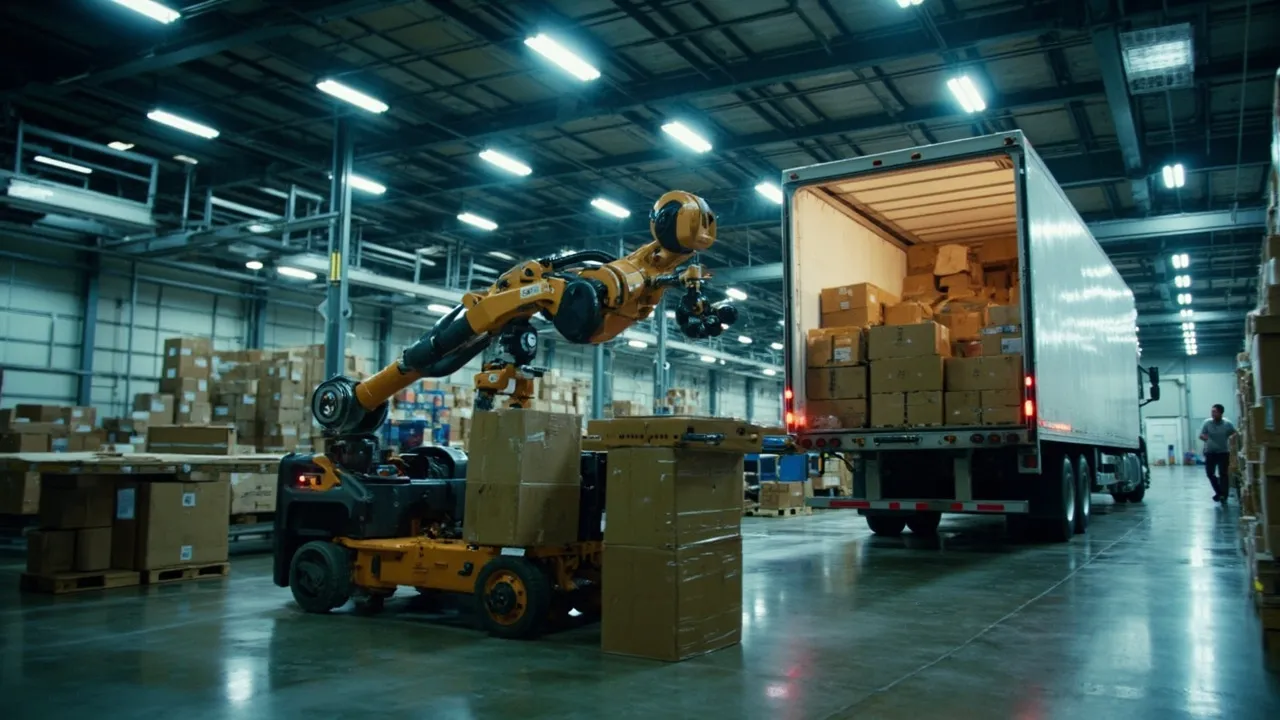
Autonomous Trailer Unloading: Measure Door-Cycle Recovery Before Automating the Dock
Evaluate autonomous trailer unloading with door-cycle time, exception recovery, damage, and downstream flow—not headline case rates alone.
 CXTMS InsightsNovember 14, 2026 · 6 min read
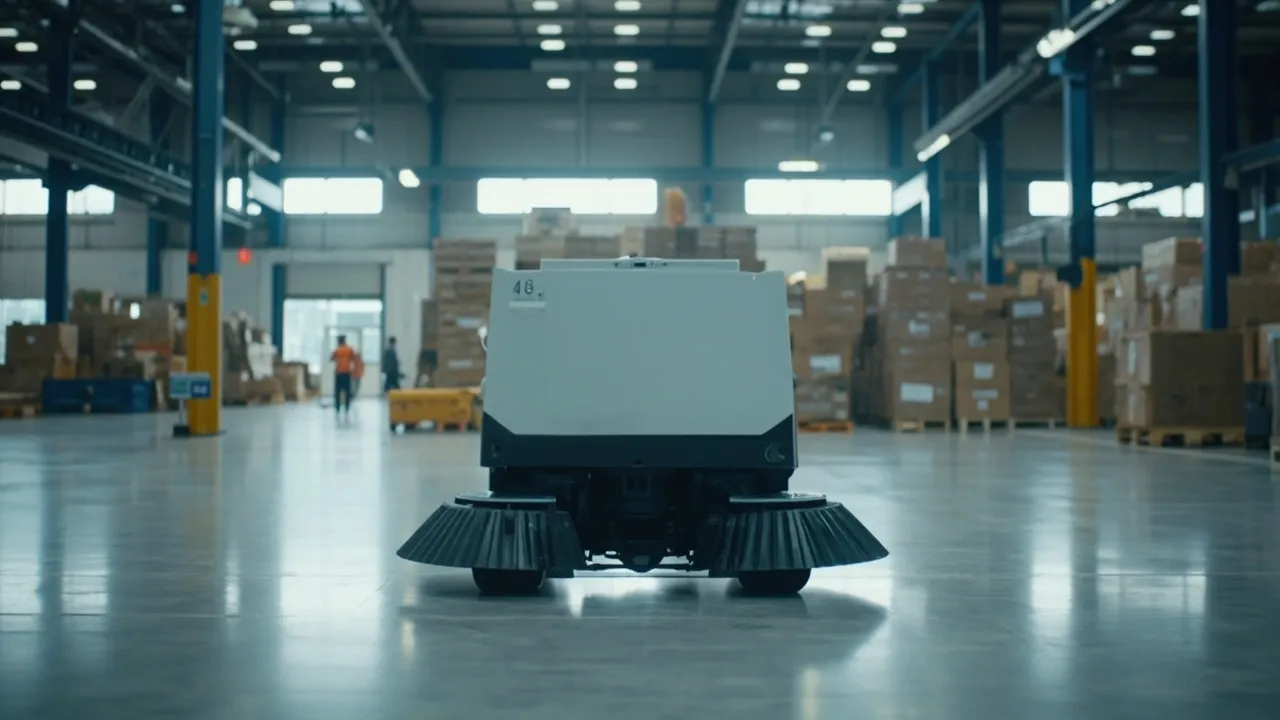
Autonomous Cleaning Robots Need a Facility-Hygiene Service-Level Agreement
Turn autonomous warehouse cleaning robots into an accountable facilities-control system with service levels for coverage, exceptions, sanitation, uptime, and evidence.
CXTMS InsightsNovember 10, 2026 · 6 min read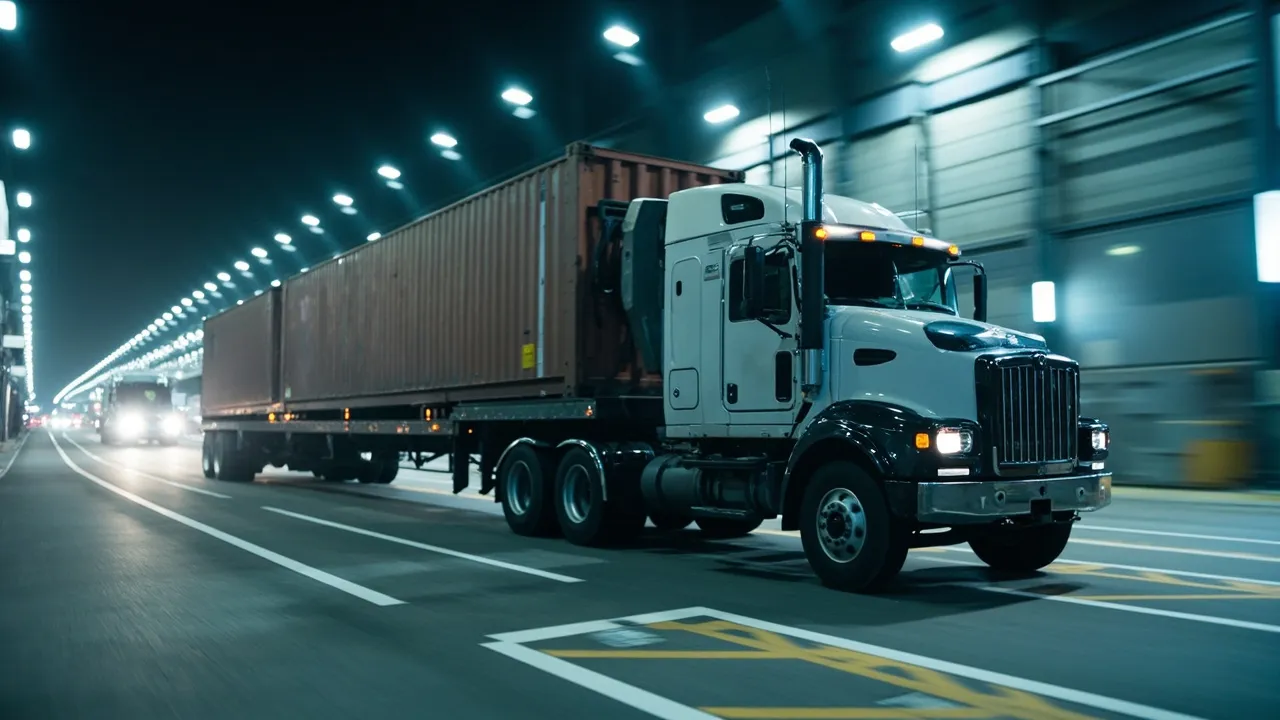
Cabless Autonomous Haulers: Qualifying Closed-Course Freight Before Public-Road Deployment
A five-gate qualification framework helps ports, plants, yards, and terminals determine when cabless autonomous haulers are ready for dependable production work.
CXTMS InsightsNovember 8, 2026 · 6 min read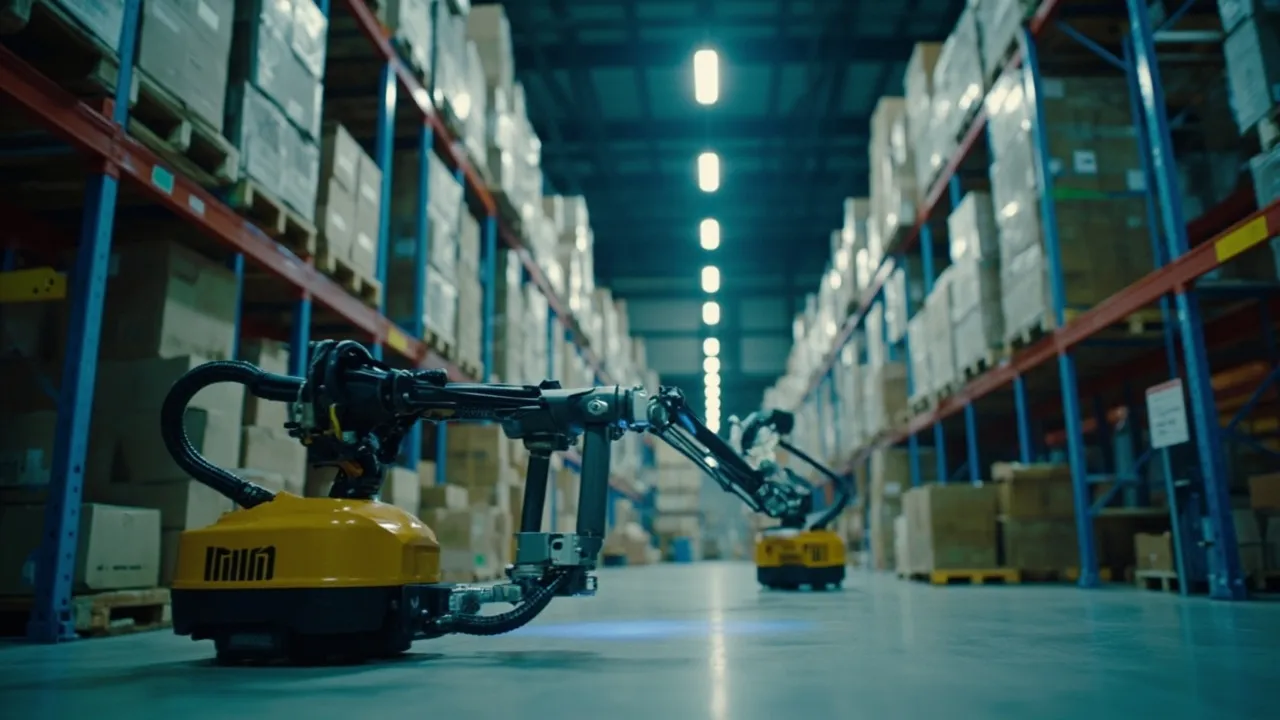
Robotics Import Reviews Need a Warehouse-Automation Country-of-Origin Register
A component-level country-of-origin register helps warehouse operators model tariffs, licensing, lead times, and spare-part exposure before approving automation investments.
CXTMS InsightsNovember 2, 2026 · 6 min read
North American Robot Orders Jumped 24.8%: Test Integration Capacity Before Buying Hardware
North American robot orders surged in Q3 2026. Warehouse operators should test integration, maintenance, safety, and workforce capacity before adding hardware.
CXTMS InsightsOctober 31, 2026 · 6 min read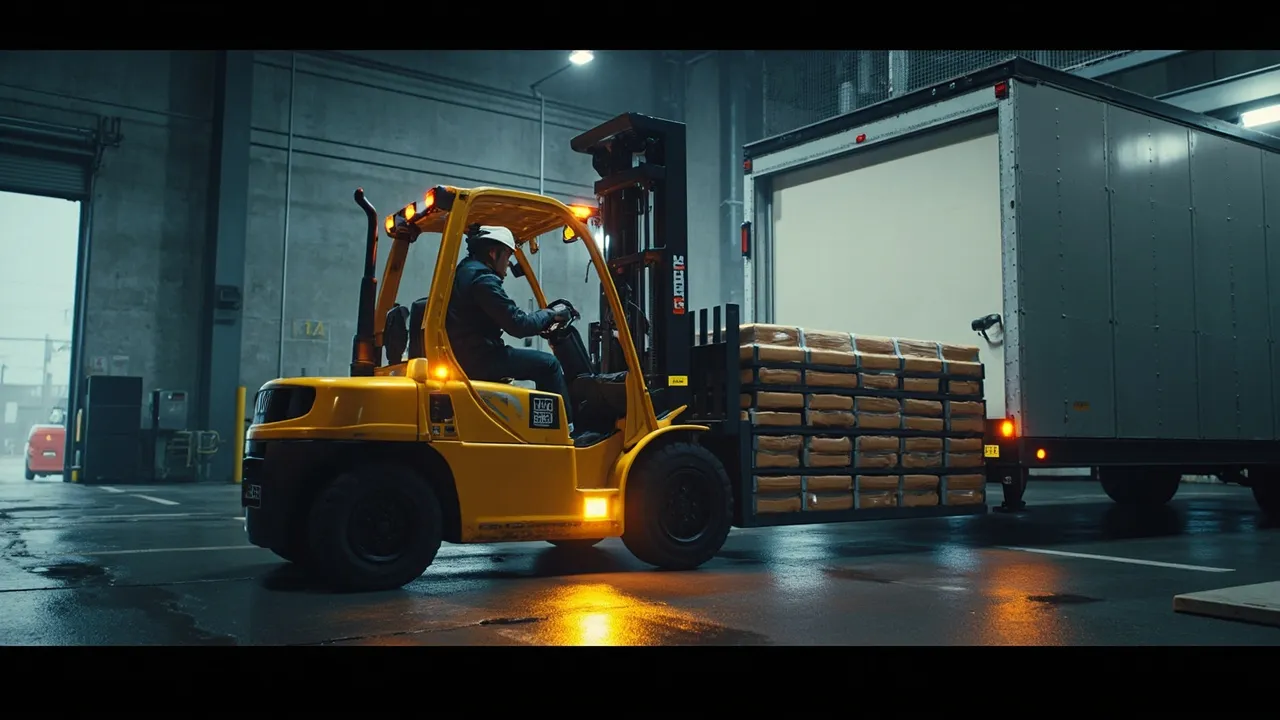
Autonomous Trailer Loading Needs a Dock Exception Budget Before Deployment
Autonomous trailer loading can improve dock flow, but operators need an exception budget that measures intervention time, recovery, safety, and cutoff risk.
CXTMS InsightsOctober 18, 2026 · 6 min read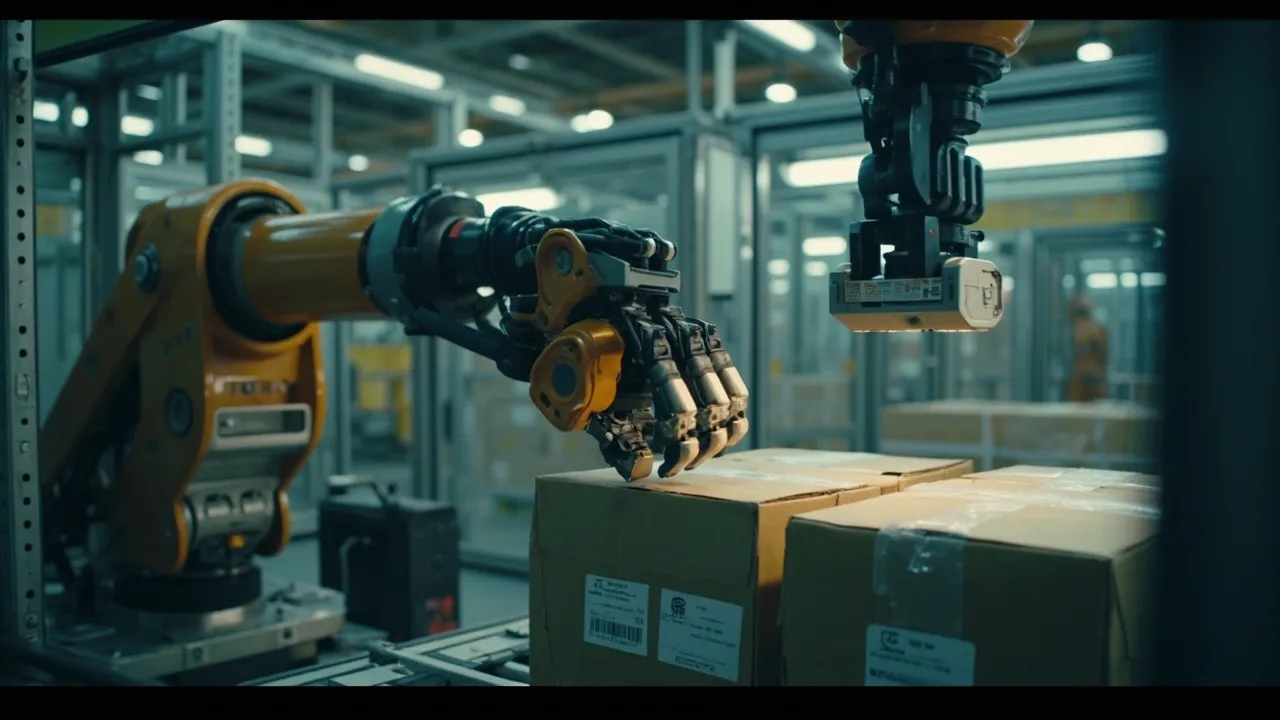
Vision-Guided Robots Raised $12.5M: Measure Recovery Time Before Buying the Demo
Vision-guided robots can adapt to variable warehouse work, but buyers should test recovery time, cycle variance, and exception integration before investing.
CXTMS InsightsOctober 5, 2026 · 6 min read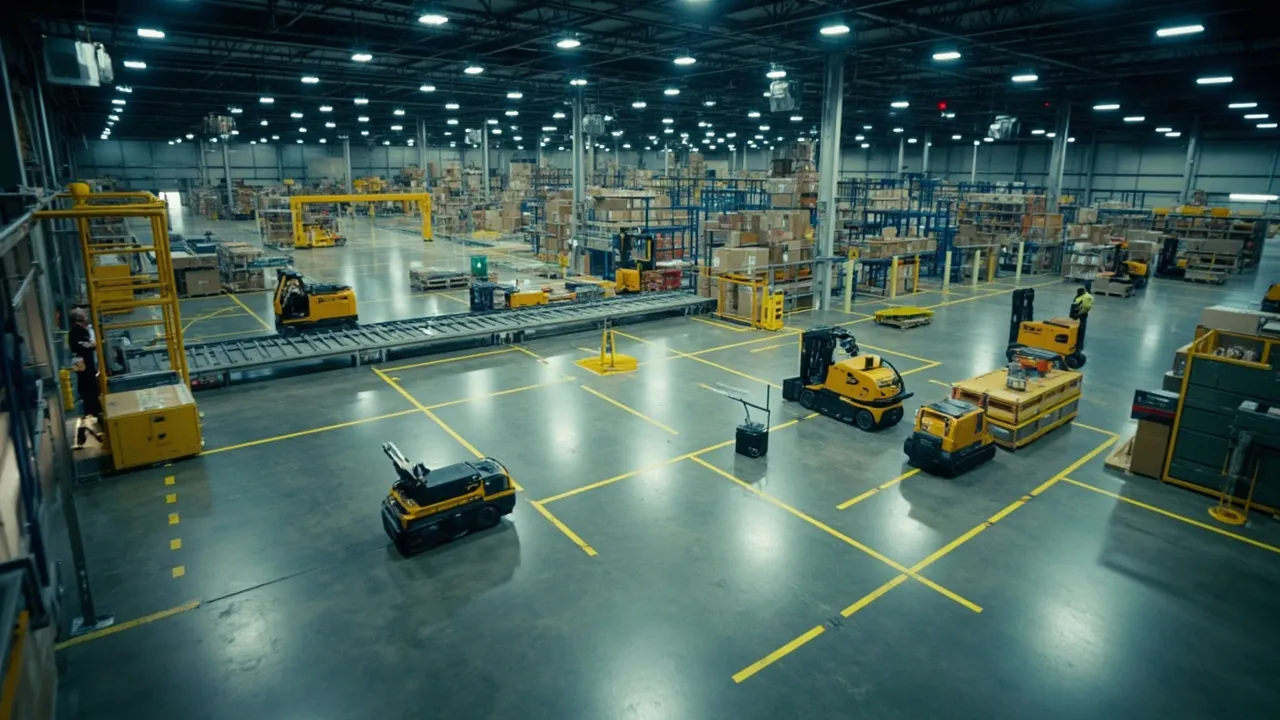
Physical AI in Warehouses Needs a Shared Safety State Across Robots, Conveyors, and People
Learn how a shared safety state coordinates warehouse robots, conveyors, lift trucks, and people without sacrificing throughput or recovery speed.
CXTMS InsightsSeptember 20, 2026 · 5 min read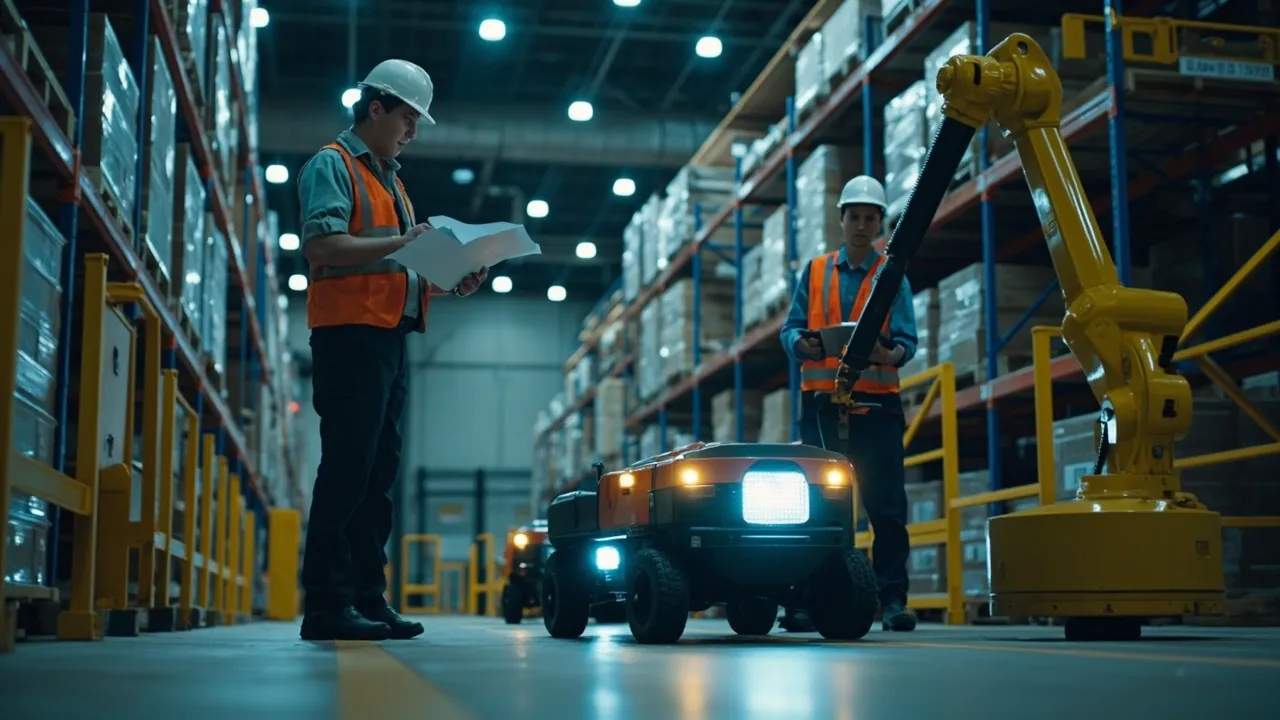
Material-Handling Robotics Training Needs a Verified Skills Matrix
Warehouse robotics readiness depends on verified role-based skills, equipment authorization, shift coverage, and escalation procedures—not a completed training roster.
CXTMS InsightsSeptember 14, 2026 · 6 min read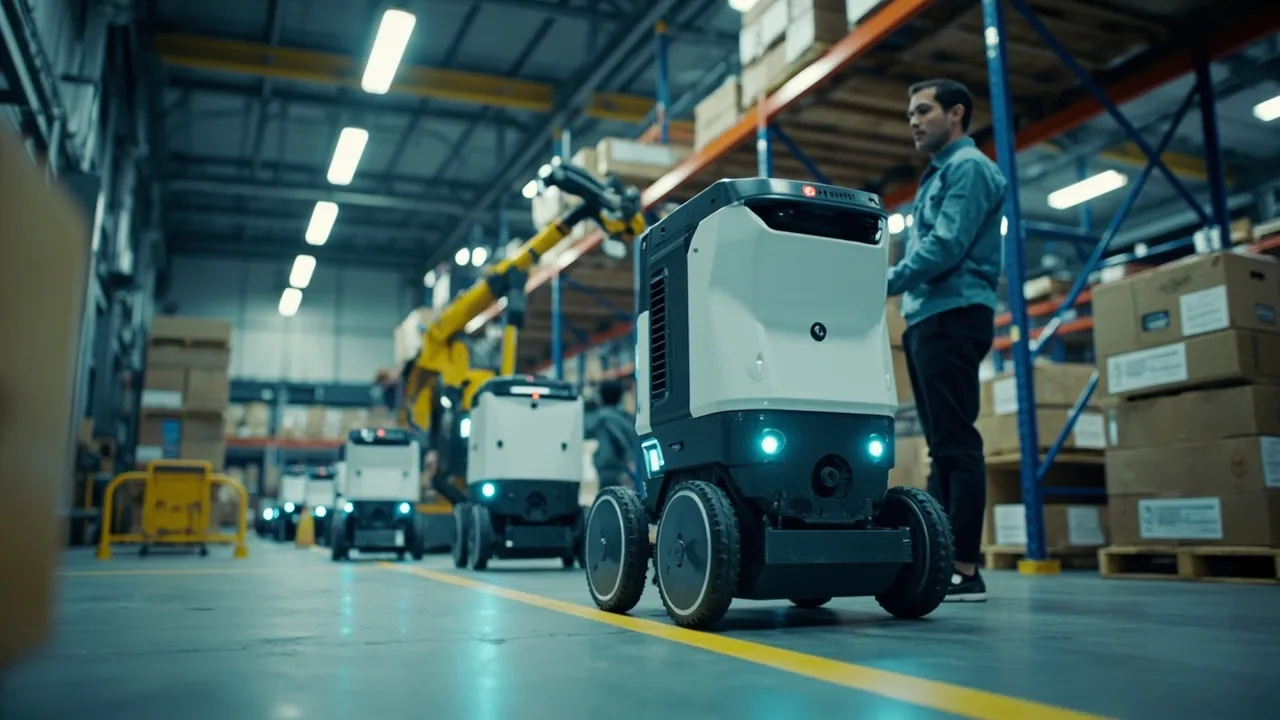
Robot Fleet Readiness Gap: Why 70% Expect Automation but Only 40% Have a Strategy
Most manufacturers expect to manage robot fleets within five years, but far fewer have a formal strategy. Close the gap with a staged operational readiness plan.
CXTMS InsightsSeptember 1, 2026 · 6 min read