Warehouse Automation
79 posts tagged with “Warehouse Automation”
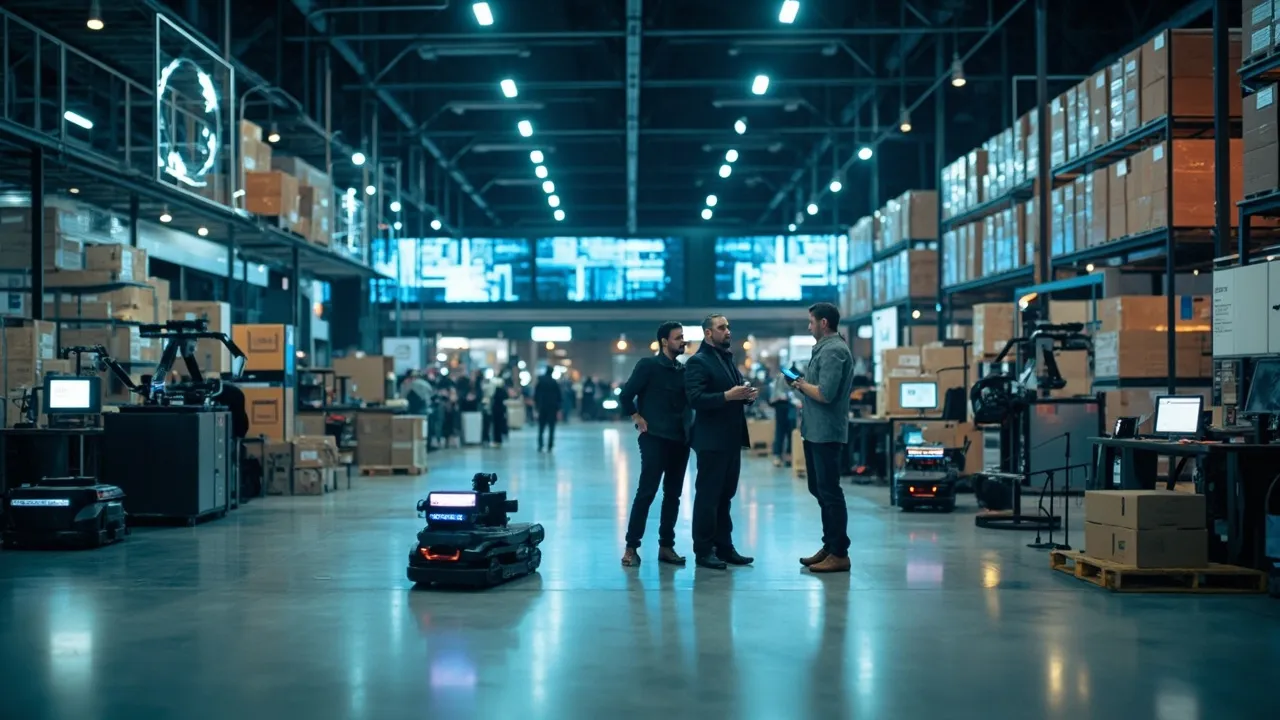
MODEX 2026 Drew 50,000 Visitors. The Real Story Is Which Warehouse Bets Are Getting Serious Money.
MODEX 2026 was not just a big trade show. Record attendance, a larger exhibitor base, and fresh MHI-Deloitte data show where warehouse and supply chain investment is concentrating in 2026: AI, practical automation, ergonomics, packaging, and orchestration.
 CXTMS InsightsApril 22, 2026 · 6 min read
Gartner Says Half of New Warehouses Will Be Human-Optional by 2030. The Timeline Matters More Than the Hype.
Gartner’s new forecast is a serious signal for warehouse operators, but the real story is not lights-out fantasy. It is phased automation, better orchestration, and smarter labor design.
CXTMS InsightsApril 18, 2026 · 6 min read
Right-Sized Packaging Is Quietly Becoming One of the Smartest Warehouse Automation Bets in 2026
Right-sized packaging is not a side project anymore. It is a practical way to cut DIM charges, corrugated waste, labor touches, and trailer inefficiency without betting the farm on flashy robotics.
CXTMS InsightsApril 18, 2026 · 5 min read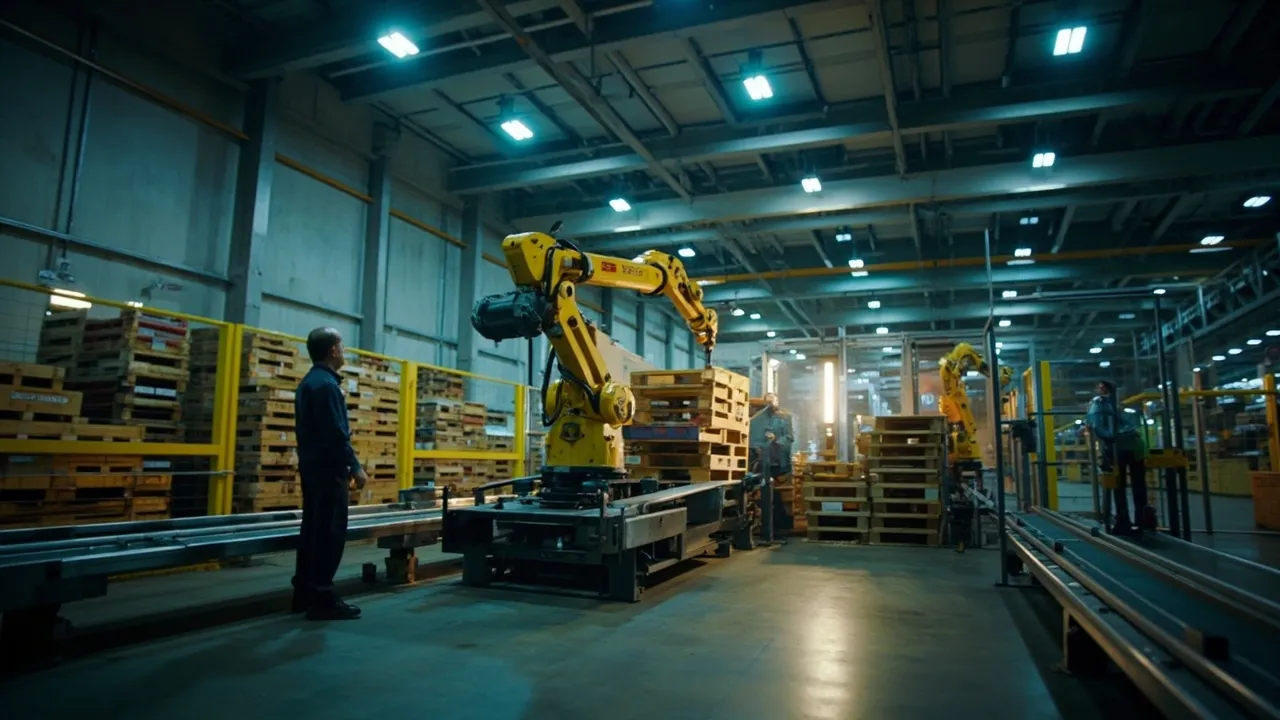
Depalletizing Has Quietly Become One of Warehouse Automation’s Most Useful 2026 Use Cases
Depalletizing is turning from an ugly manual bottleneck into a practical automation priority for warehouses under pressure to move inbound freight faster and safer.
CXTMS InsightsApril 16, 2026 · 6 min readThe Real Warehouse Robotics Bottleneck in 2026 Is Change Management, Not Hardware
Warehouse robotics adoption is rising fast in 2026, but operators are learning that change management, skills, and workflow redesign matter more than the next shiny machine.
CXTMS InsightsApril 16, 2026 · 6 min read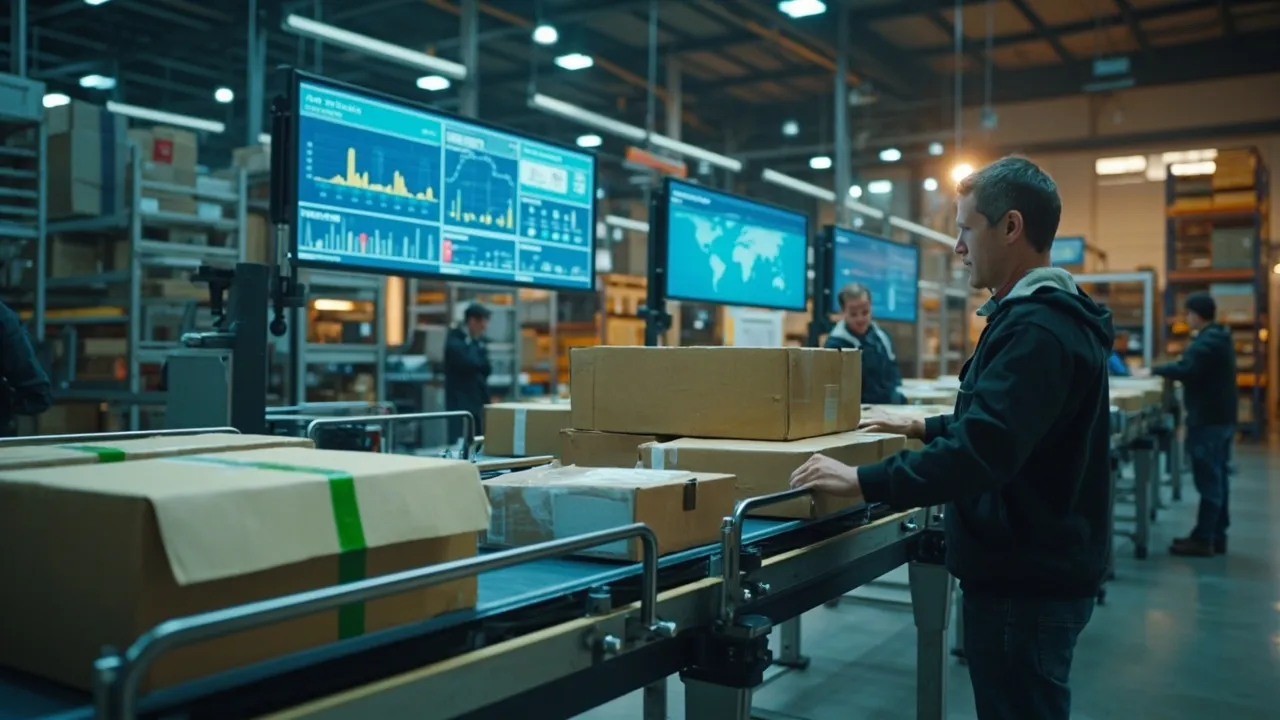
AI Is Finally Moving Into Packaging Operations, and That Matters More Than It Sounds
AI is moving from packaging pilots into real operations in 2026. Here is why packaging data, right-sized automation, and machine vision now matter for throughput, labor, damage, and parcel costs.
CXTMS InsightsApril 15, 2026 · 6 min read
Warehouse Automation Startup Funding Hits $2.26 Billion in Q1 2026: What the Investment Surge Means for Logistics
Warehouse automation startups captured over $2.26 billion in Q1 2026 funding — 70% of all robotics capital — with major rounds from GreyOrange, Bright Machines, and Figure AI reshaping the competitive landscape for 3PLs and shippers.
CXTMS InsightsApril 9, 2026 · 5 min read
FedEx Bets on Open Partnerships Over Proprietary Robots: What the Carrier's Automation Strategy Means for Logistics Innovation
FedEx is choosing robotics partnerships over in-house development for warehouse automation. Learn what the carrier's open-platform strategy means for shippers, 3PLs, and the future of logistics innovation.
CXTMS InsightsApril 3, 2026 · 6 min read
Voice-Controlled Warehouse Robots: How Hands-Free Picking Is Solving Cold Storage's Hardest Automation Problem
Vecna Robotics and Lucas Systems launch CaseFlow Voice, the first voice-integrated robot-assisted picking system purpose-built for cold storage warehouses where touchscreens and scanners fail.
CXTMS InsightsApril 3, 2026 · 6 min read
DHL Deploys SVT Robotics SOFTBOT Platform: How Plug-and-Play Middleware Is Deploying Warehouse Robots 12x Faster
DHL Supply Chain's deployment of SVT Robotics' SOFTBOT platform cuts warehouse robot integration from weeks to hours. Learn how plug-and-play middleware is solving the multi-vendor robotics bottleneck.
CXTMS InsightsApril 2, 2026 · 5 min read