Robotic Sortation Systems Replace Fixed Conveyors: How Flexible Sorting Is Cutting Distribution Center CapEx by 40%

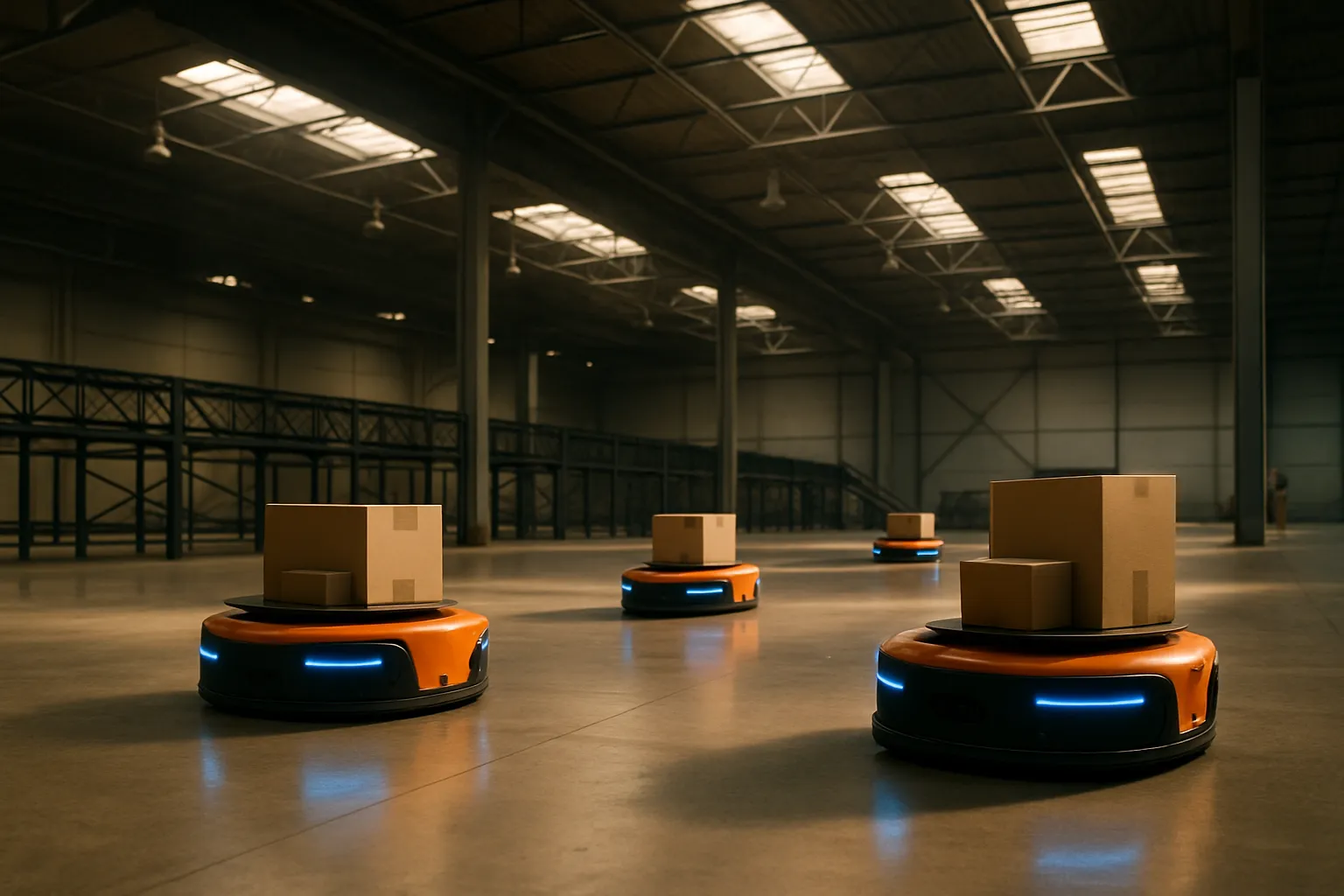
For over a century—since Henry Ford introduced conveyor-driven assembly lines at Highland Park in 1913—fixed conveyor infrastructure has been the backbone of high-volume distribution. But in 2026, a fundamental architectural shift is underway. Modular robotic sortation systems are replacing bolted-down conveyor networks, giving distribution center operators the flexibility to reconfigure in hours rather than months while slashing upfront capital expenditure by as much as 40%.
The warehouse robotics market reflects this momentum. According to Mordor Intelligence, the global warehouse robotics market is valued at USD 10.96 billion in 2026 and growing at a 17.5% CAGR to reach USD 24.55 billion by 2031. Mobile robots—the category that includes robotic sorters—are outpacing the broader market with a 20.5% CAGR through 2030, driven precisely by their flexible layout advantages and lower integration costs compared to fixed automation.
Why Fixed Conveyors Are Losing Ground in High-SKU Environments
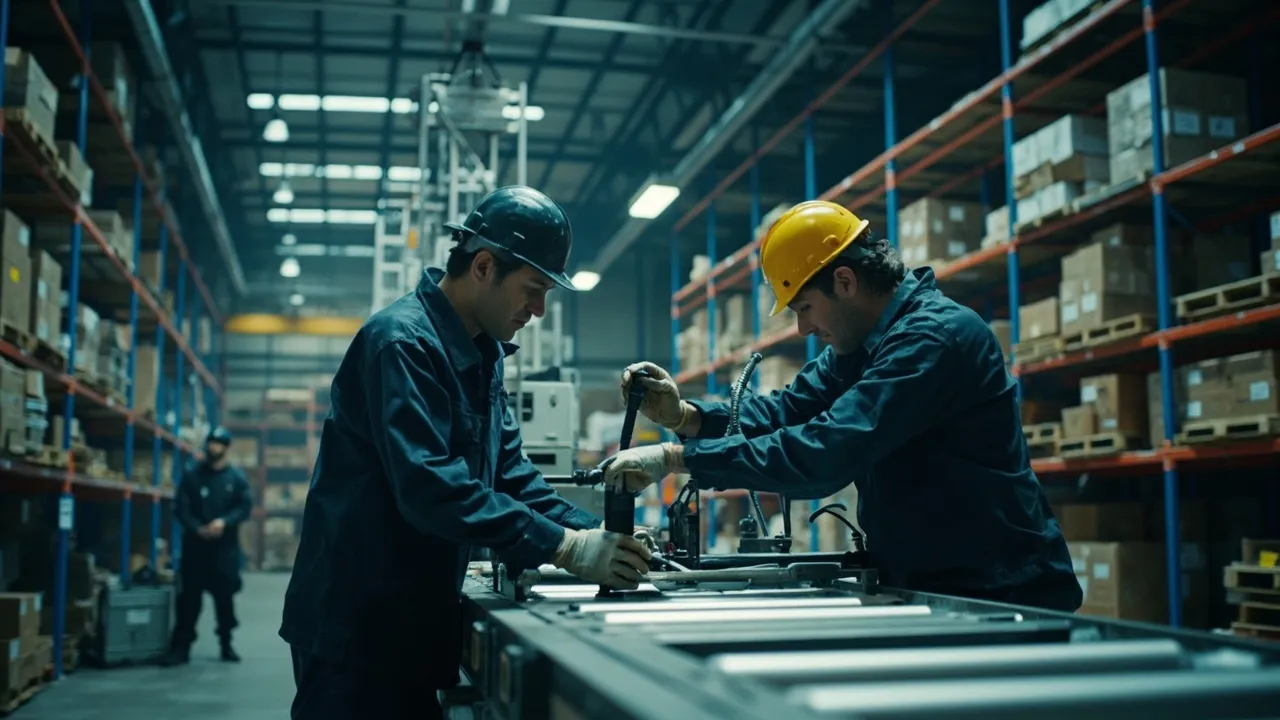
Traditional conveyor and sortation systems excel at one thing: sustained, repeatable high-volume throughput along predetermined paths. But today's distribution centers face a reality those systems weren't designed for.
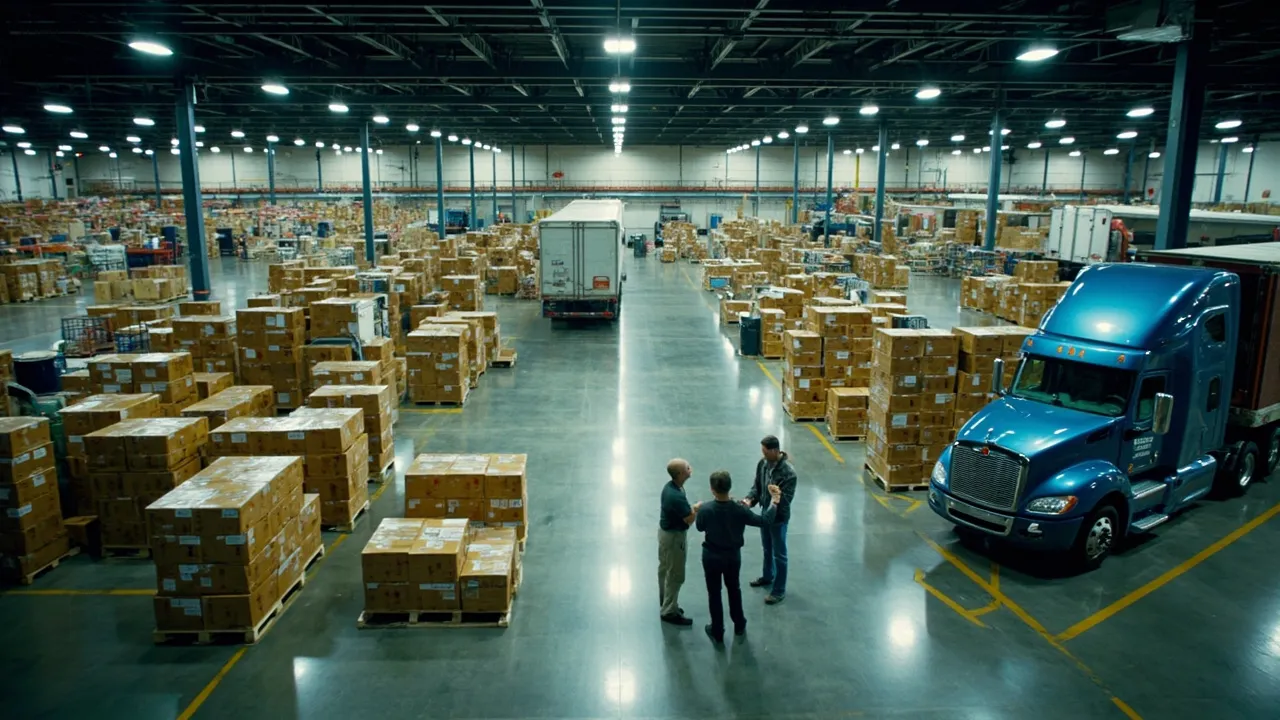
E-commerce SKU proliferation has exploded—Amazon alone manages over 350 million active SKUs—and seasonal volume spikes can push throughput demands up by 500%. When your conveyor layout is literally bolted to the floor, adapting to these shifts means expensive, time-consuming physical reconfiguration.
The numbers tell the story. Retrofitting legacy warehouse sites with fixed automation costs 60–80% more than greenfield builds because existing aisles, mezzanines, and electrical infrastructure rarely align with conveyor system requirements. A single installation project can trigger $2 million or more in wiring, floor leveling, and software integration expenses, with every week of downtime forfeiting an estimated $50,000 in throughput revenue.
For operators managing diverse product mixes and unpredictable demand patterns, that inflexibility has become a competitive liability.
How Vision-Guided Robotic Sorters Deliver Comparable Throughput
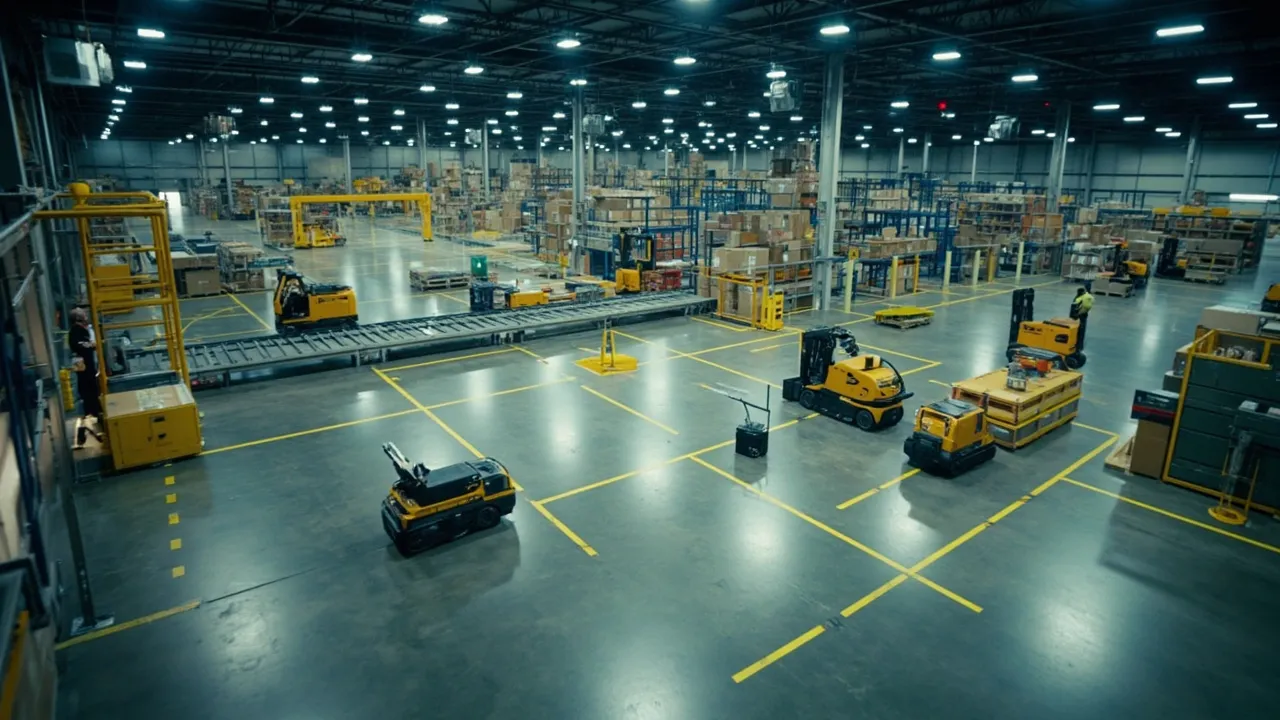
The new generation of robotic sortation systems—exemplified by companies like Tompkins Robotics with their tSort platform—demonstrates that flexibility doesn't have to come at the cost of performance. The tSort system can sort up to 40,000 items per hour to more than 6,000 destinations without conveyors, fixed tracks, or traditional bottlenecks.
These systems use vision-guided autonomous robots that carry individual items or parcels across a flat sorting surface, depositing them into designated chutes or bins. AI-powered vision stacks have reached 99.5% grasp accuracy even on transparent, deformable, or reflective items—the kinds of products that historically defeated automation.
The architecture is fundamentally different from fixed conveyor sortation. Instead of routing products along predetermined paths, robotic sorters dynamically calculate optimal routes in real time. Edge-based fleet orchestration compresses image-to-action latency below 50 milliseconds, enabling robots to make split-second sorting decisions at speeds rivaling human reflexes but with far greater consistency.
The Flexibility Advantage: Reconfigure in Hours, Not Months
The most compelling argument for robotic sortation isn't raw throughput—it's adaptability. As Modern Materials Handling reports, the warehouse industry is moving toward modular designs that support "faster reconfiguration and tighter integration with mobile automation," using "zones, buffers and handoff points" rather than locking facilities into fixed flow paths.
This modular approach transforms how distribution centers handle three critical challenges:
Seasonal peaks: Instead of over-building fixed infrastructure for Black Friday volumes that sit idle 11 months a year, operators add robotic sorters to the floor during peak periods and redeploy them afterward. Robotics-as-a-Service (RaaS) pricing structures make this even more accessible by shifting spend from CapEx to variable fees per pick.
SKU profile changes: When product mixes shift—a new product line launches, package dimensions change, or a retail partner adjusts requirements—robotic sortation layouts can be reconfigured in hours. Fixed conveyor systems often require weeks of mechanical modification and testing.
Facility repurposing: As companies adopt micro-fulfillment strategies or consolidate operations, robotic sorters can move between facilities entirely. That capital isn't bolted to a single building's concrete floor.
Energy and Operational Cost Comparison
Beyond CapEx savings, robotic sortation systems offer meaningful operational advantages. Fixed conveyor networks run continuously—motors, belts, and rollers consume energy whether products are flowing or not. Robotic sorters consume energy only when actively moving, and modern lithium-ion battery systems support full-shift operation with rapid charging.
The operational labor equation shifts as well. MHI's 2026 industry trends analysis identifies the workforce and talent gap as the number-one challenge facing supply chains this year, with warehouse vacancy rates topping 8% in U.S. and European fulfillment hubs and churn hovering near 100% in strenuous roles. Robotic sortation reduces labor minutes per order by up to 60%, enabling facilities to absorb volume growth without proportional headcount increases.
Real wages in warehouse operations escalated 15–20% during 2024 alone, eroding profit margins for facilities still dependent on manual or semi-manual sortation processes. The combination of lower CapEx, reduced energy consumption, and decreased labor dependency creates a compelling total cost of ownership argument.
The Hybrid Reality: Conveyors Aren't Disappearing
It's worth noting that this transition isn't an all-or-nothing proposition. Industry experts emphasize that the future is hybrid. As Phil Pletcher, VP of global solution automation at FORTNA, told Modern Materials Handling: "Conveyor isn't going away. It's evolving."
The emerging best practice pairs modular conveyor segments for high-volume trunk lines with robotic sortation for flexible last-mile sorting. Think of conveyors as high-speed highways and robots as flexible local routes—together, they create a connected material flow system that balances speed with adaptability.
The critical evolution is in interface design and unified orchestration. Rather than managing conveyors and mobile automation through separate systems, leading operations are moving toward single platforms that coordinate flow across the entire environment. This unified approach eliminates the visibility gaps and coordination failures that plague disconnected hybrid systems.
What This Means for Shippers and 3PLs
For shippers evaluating warehouse partners or planning facility investments, the shift toward robotic sortation has direct implications:
- Shorter implementation timelines mean faster time-to-value on new distribution capabilities
- Lower CapEx requirements free capital for other supply chain investments
- Scalable capacity reduces the risk of over-building or under-building for uncertain demand
- Multi-client flexibility makes 3PL facilities more adaptable to changing customer needs
The distribution centers winning in 2026 aren't the ones with the most conveyor footage—they're the ones with the most adaptable sorting architectures.
How CXTMS Connects to Flexible Fulfillment
As distribution centers evolve toward modular, robotic-first architectures, transportation management must keep pace. CXTMS integrates directly with modern warehouse execution systems (WES) that orchestrate both fixed and robotic automation, ensuring that outbound shipment planning reflects real-time sortation capacity and throughput.
Our API-first platform connects carrier selection and dock scheduling to the actual flow of goods through your fulfillment operation—whether those goods are moving on conveyors, robotic sorters, or a hybrid of both.
Ready to align your transportation strategy with next-generation fulfillment? Request a CXTMS demo to see how unified visibility across warehouse and transportation operations drives faster, more cost-effective distribution.