Maersk World Gateway II: How a $200M Fully Automated DC in Singapore Signals Ocean Carriers' Push to Become End-to-End Logistics Providers

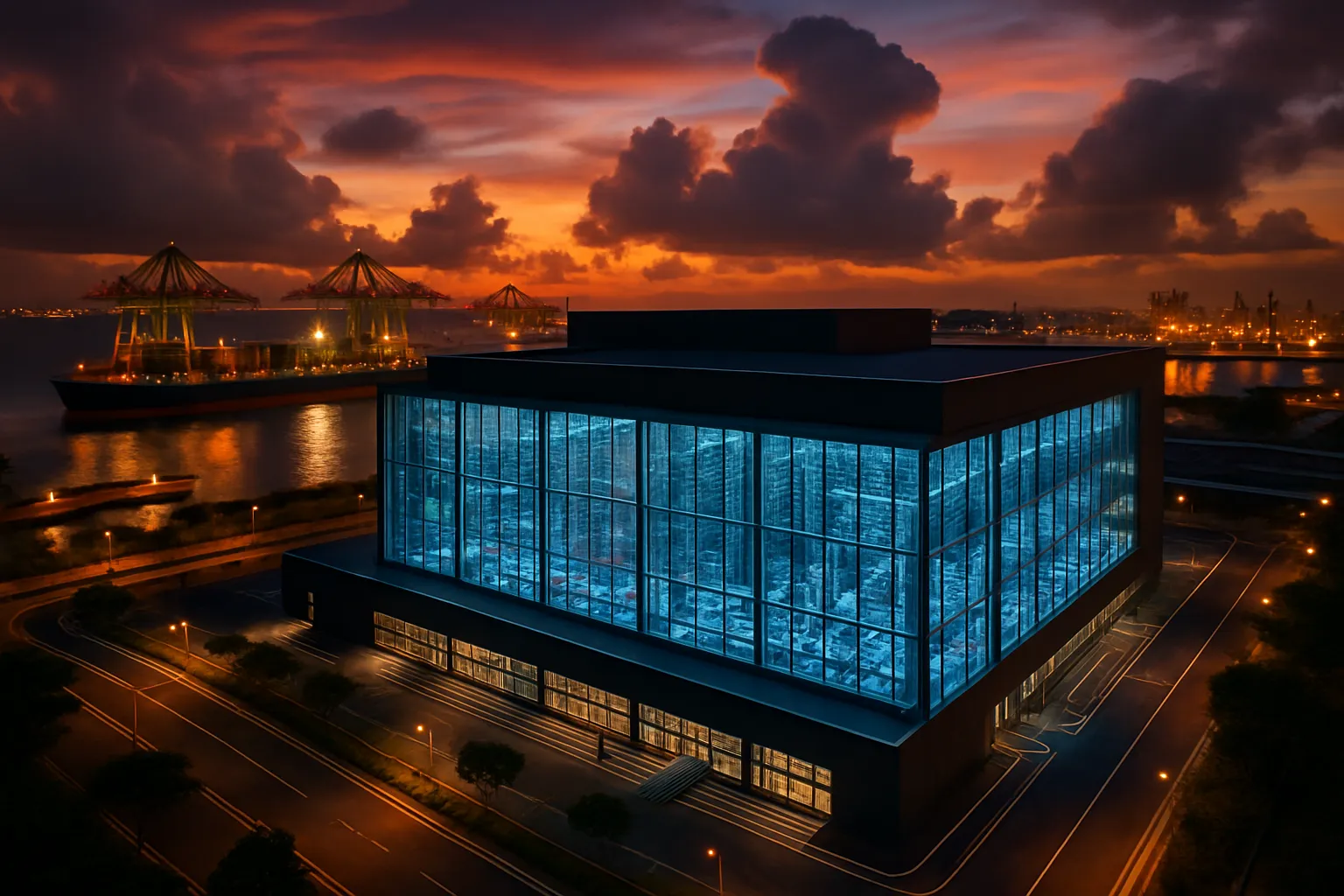
On March 18, 2026, Maersk officially opened World Gateway II — a 1.1 million square foot, fully automated distribution center in Singapore built with an investment of more than S$200 million (approximately USD $150 million). The facility isn't just another warehouse. It's the clearest signal yet that ocean carriers are no longer content to simply move containers across oceans. They want to own the entire logistics chain from factory floor to final delivery — and they're spending billions to make it happen.
The global contract logistics market is projected to grow from $343 billion in 2025 to $371 billion in 2026, according to Research and Markets analysis, with Asia Pacific commanding roughly 34% of market share. Maersk isn't just participating in this growth. It's building physical infrastructure designed to capture it at scale, directly challenging the traditional third-party logistics providers that have dominated contract logistics for decades.
What World Gateway II Actually Is
World Gateway II isn't a typical distribution center. Located in Singapore's logistics corridor — just 16.8 kilometers from Tuas Mega Port and 42.6 kilometers from Changi Airport — the facility is engineered for speed and precision at scale.
The automation stack includes:
- Multi-Shuttle System for high-density pallet storage and retrieval
- Automated Storage and Retrieval System (ASRS) for continuous, lights-out inventory management
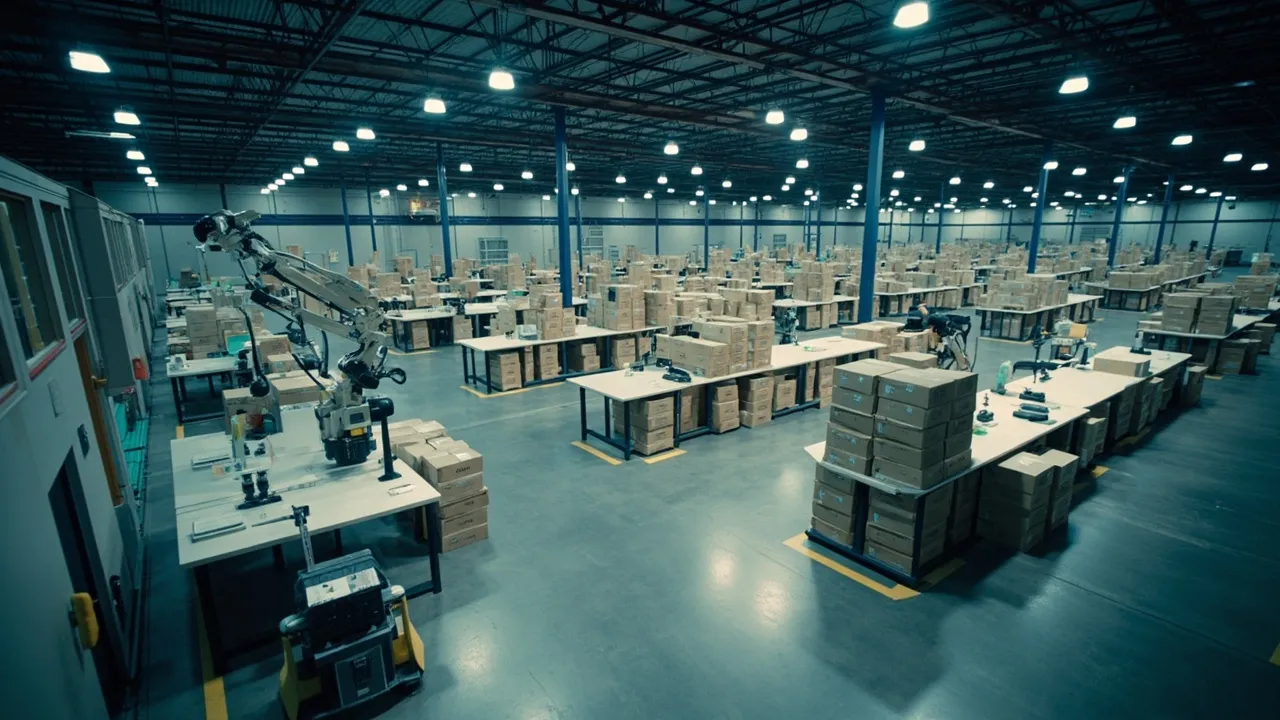
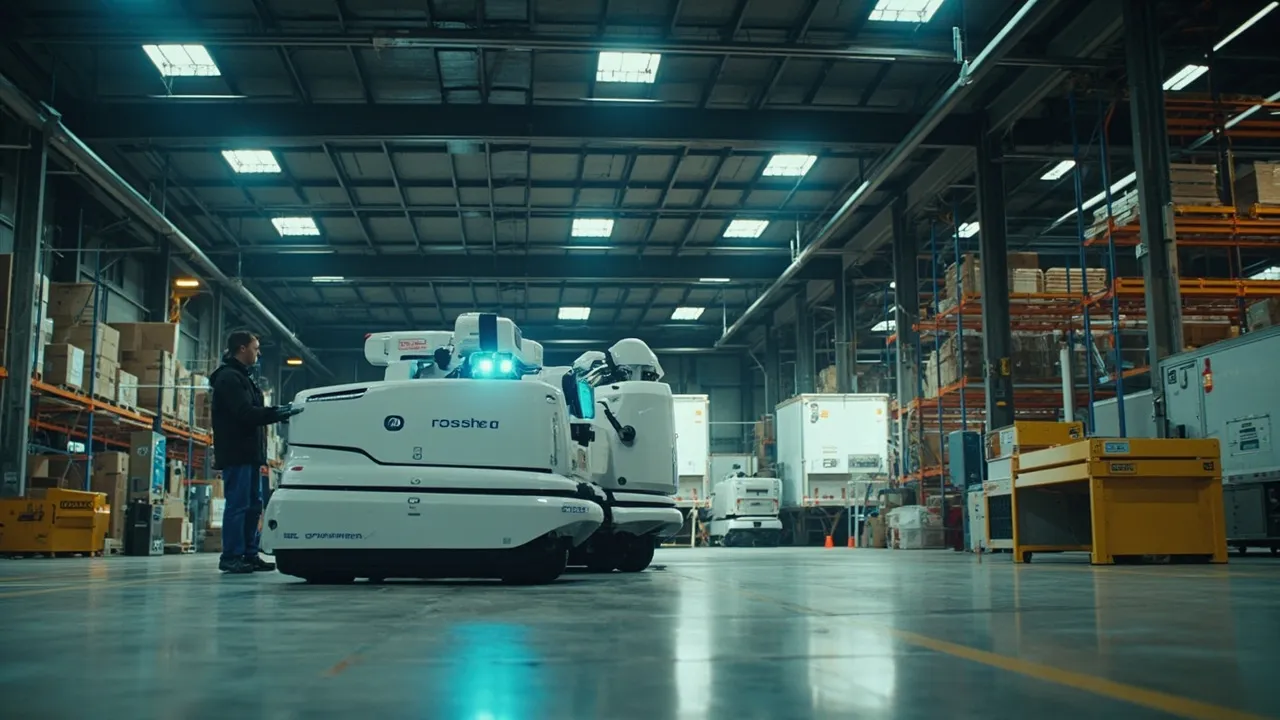
- Autonomous Case-handling Robots (ACR) for dynamic order picking and fulfillment
The facility carries both LEED Platinum and Green Mark Platinum certifications, integrates a proprietary Warehouse Management System (WMS) that connects directly to customers' enterprise systems, and operates as a customs-bonded, zero-GST warehouse — meaning import taxes on non-dutiable goods are deferred until products actually enter the Singapore market.
At approximately 70% occupancy at launch, the center is expected to create around 500 jobs focused on digital and automation capabilities. It doubles Maersk's total warehousing footprint in Singapore to over 2 million square feet when combined with the original World Gateway facility next door.
The Carrier-to-Logistics-Provider Transformation
This isn't happening in isolation. Every major ocean carrier is executing some version of the same playbook: use pandemic-era profits and declining ocean freight margins to build logistics capabilities that generate more stable, higher-margin revenue.
Maersk's Q3 2025 results illustrate the urgency. While container volumes grew 7% year-over-year, ocean freight rates fell by 30.7%, compressing EBIT margins from 25.5% to just 6.2%, according to FreightWaves reporting. The company's full-year EBITDA guidance of $9.0–$9.5 billion increasingly depends on terminals and logistics services to offset volatile shipping revenues.
CMA CGM has taken a parallel path, acquiring CEVA Logistics and launching CMA CGM Air Cargo to offer true end-to-end capabilities. MSC has invested heavily in terminal infrastructure, with the three largest carriers collectively committing over €1 billion in terminal investments in early 2026 alone. The pattern is unmistakable: ocean carriers are vertically integrating at unprecedented speed.
Why This Challenges Traditional 3PLs
For established contract logistics providers like DHL Supply Chain, GXO Logistics, and XPO, carrier-owned distribution centers represent a fundamentally different competitive threat than anything they've faced before.
Traditional 3PLs compete on operational expertise, technology platforms, and labor management. But carrier-owned logistics operations bring something no standalone 3PL can match: integrated control of the ocean-to-warehouse-to-delivery chain. When Maersk manages both the container voyage and the destination warehouse, it can offer shippers a single point of accountability, unified visibility from origin to shelf, and the ability to optimize inventory positioning based on real-time vessel data.
The economics are compelling. A shipper using Maersk for both ocean freight and contract logistics eliminates handoff delays, reduces documentation complexity, and gains access to bonded warehousing that defers import duties — all under a single contract. For companies distributing across Asia Pacific, the proposition of parking inventory in a customs-bonded Singapore hub with direct connections to Tuas Port eliminates an entire layer of logistics friction.
What This Means for Shippers
The carrier vertical integration trend creates both opportunities and risks for shippers evaluating their logistics networks:
The upside is genuine. Integrated carrier-3PL services can reduce total supply chain complexity, improve end-to-end visibility, and lower costs through tighter coordination between ocean transport and warehousing. For companies with significant Asia-Pacific distribution needs, facilities like World Gateway II offer a compelling combination of automation, bonded storage, and port proximity.
The risk is concentration. Shippers who consolidate ocean freight and contract logistics with a single carrier become deeply dependent on that carrier's network performance. When ocean schedules slip — and they regularly do — the downstream warehouse operations are affected by the same disruption. There's no independent buffer.
The smartest approach is to evaluate carrier-owned logistics on its operational merits while maintaining enough provider diversity to ensure resilience. Key questions to ask:
- Does the carrier's warehouse network align with your actual distribution geography? World Gateway II serves Asia-Pacific brilliantly, but carrier warehouse networks are still geographically limited compared to global 3PLs.
- What happens to your contract logistics when ocean rates spike? Carriers may prioritize shipping capacity over warehouse services during tight markets.
- Can you maintain visibility across carriers? If you split ocean volumes across multiple carriers but warehouse with one, you need a transport management system that unifies data across all providers.
The Asia-Pacific Angle
Singapore's role in this story matters. The city-state already ranks as one of the world's top logistics hubs, and government support — including remarks from Deputy Prime Minister Gan Kim Yong at the World Gateway II opening ceremony — signals strategic alignment between carrier investment and national economic policy.
With export strength and rising consumption across Asia, the region's logistics infrastructure requirements are growing faster than anywhere else on the planet. Maersk's bet is that companies increasingly want a single logistics partner that can move goods from Chinese factories through Singapore distribution hubs to final markets in Southeast Asia, Australia, India, and beyond.
How CXTMS Helps Shippers Navigate the Carrier-3PL Convergence
As ocean carriers expand into contract logistics, shippers need transportation management capabilities that work across both traditional 3PLs and carrier-owned logistics networks. CXTMS provides the unified visibility layer that lets you:
- Compare carrier-integrated logistics offerings against standalone 3PL pricing and service levels
- Track shipments end-to-end regardless of whether your ocean carrier and warehouse provider are the same company or different ones
- Model total landed costs including bonded warehousing, duty deferral, and last-mile distribution across multiple provider configurations
- Maintain procurement flexibility so you can take advantage of carrier-3PL integration without becoming locked into a single provider's ecosystem
The logistics industry is consolidating vertically. The carriers that used to compete only on ocean rates now compete on warehouse automation, fulfillment speed, and end-to-end service quality. Your TMS needs to keep pace with that transformation.
Ready to see how CXTMS can help you evaluate and manage carrier-integrated logistics networks? Request a demo today.