Warehouse Automation
77 posts tagged with “Warehouse Automation”
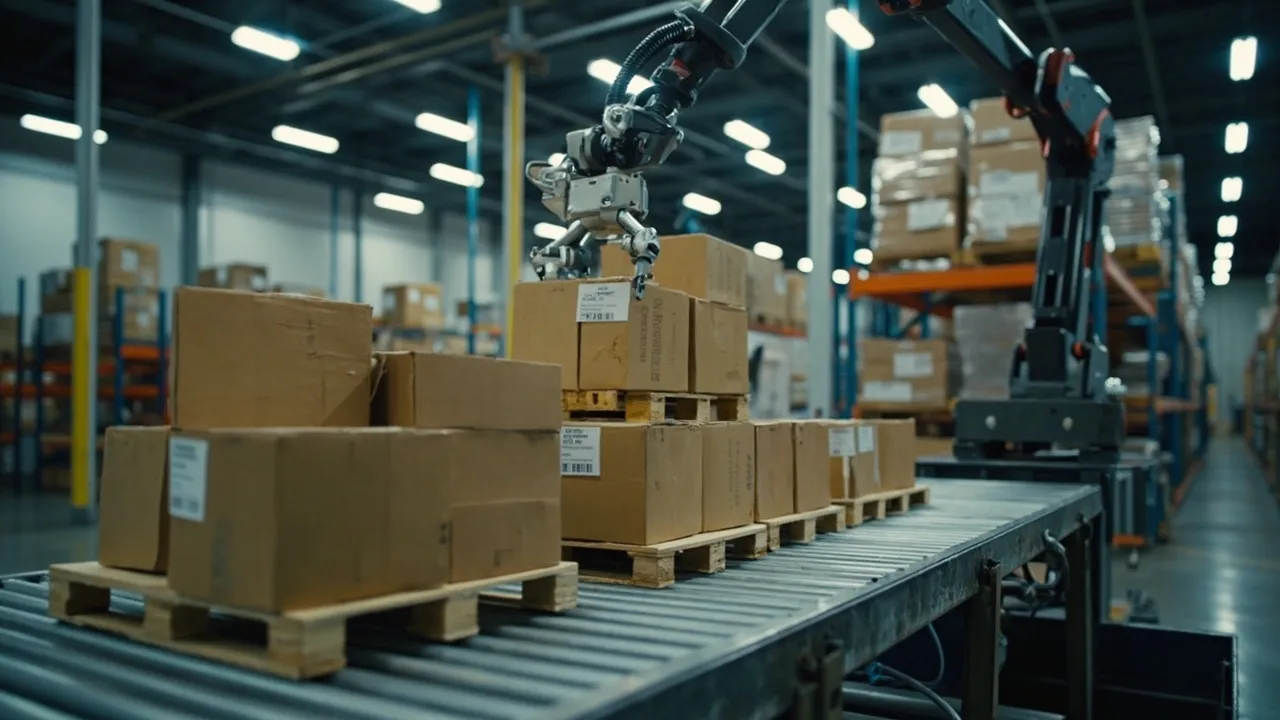
Robotic Picking Will Nearly Triple by 2030: Why Depalletizing Is the First Capacity Test
Robotic picking is forecast to reach $4.6 billion by 2030. Learn why depalletizing is the practical first test for warehouse automation capacity.
 CXTMS InsightsAugust 26, 2026 · 6 min read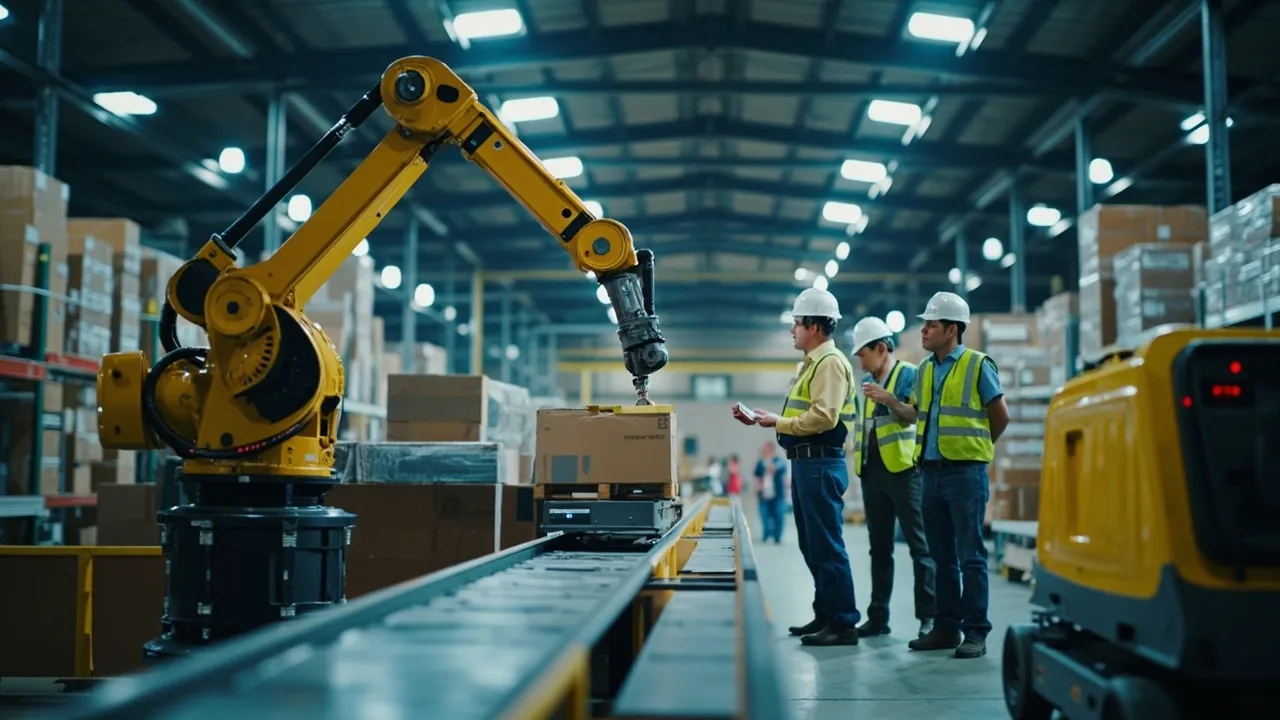
North American Robot Orders Rose 4.3%: Segment the Automation Queue by Application Risk
Turn rising robot demand into a disciplined automation portfolio by ranking warehouse projects for application risk, integration load, and fallback readiness.
CXTMS InsightsAugust 18, 2026 · 6 min read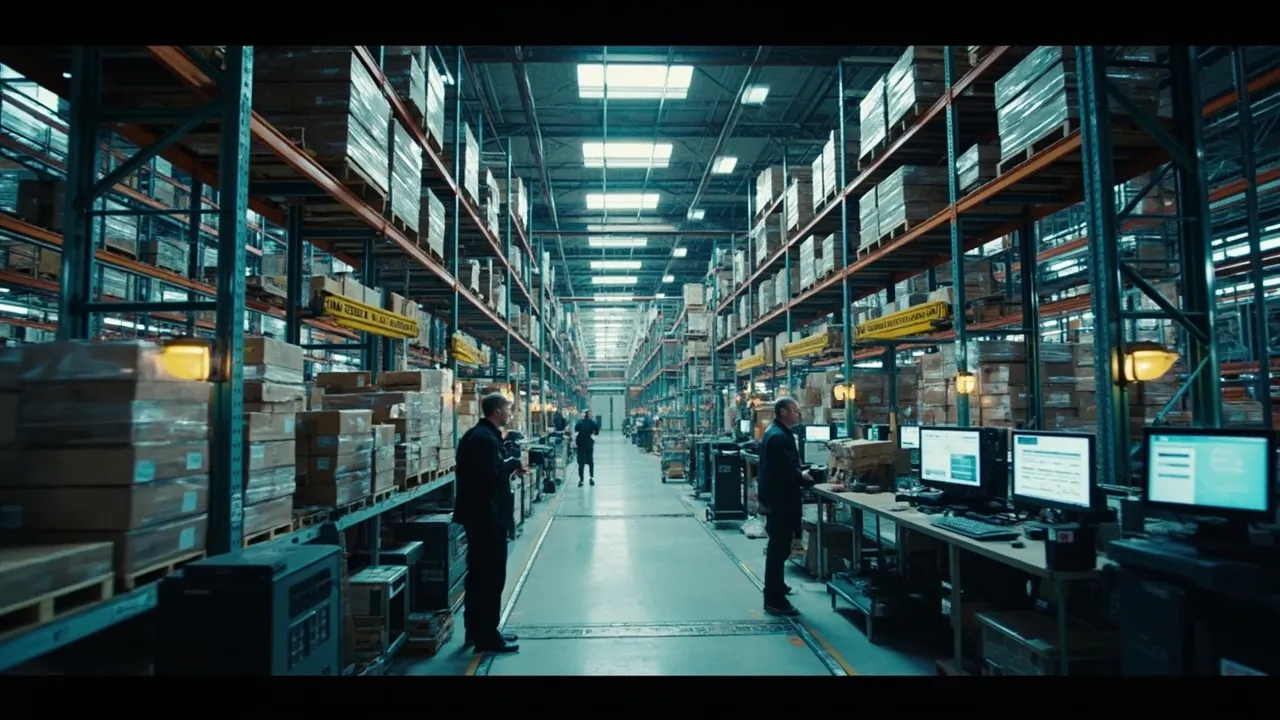
Four-Way Shuttle Warehouses Need an Interface Capacity Budget
Learn how to budget WMS, WCS, conveyor, lift, and exception-handling capacity so four-way shuttle warehouses deliver end-to-end throughput.
CXTMS InsightsAugust 17, 2026 · 6 min read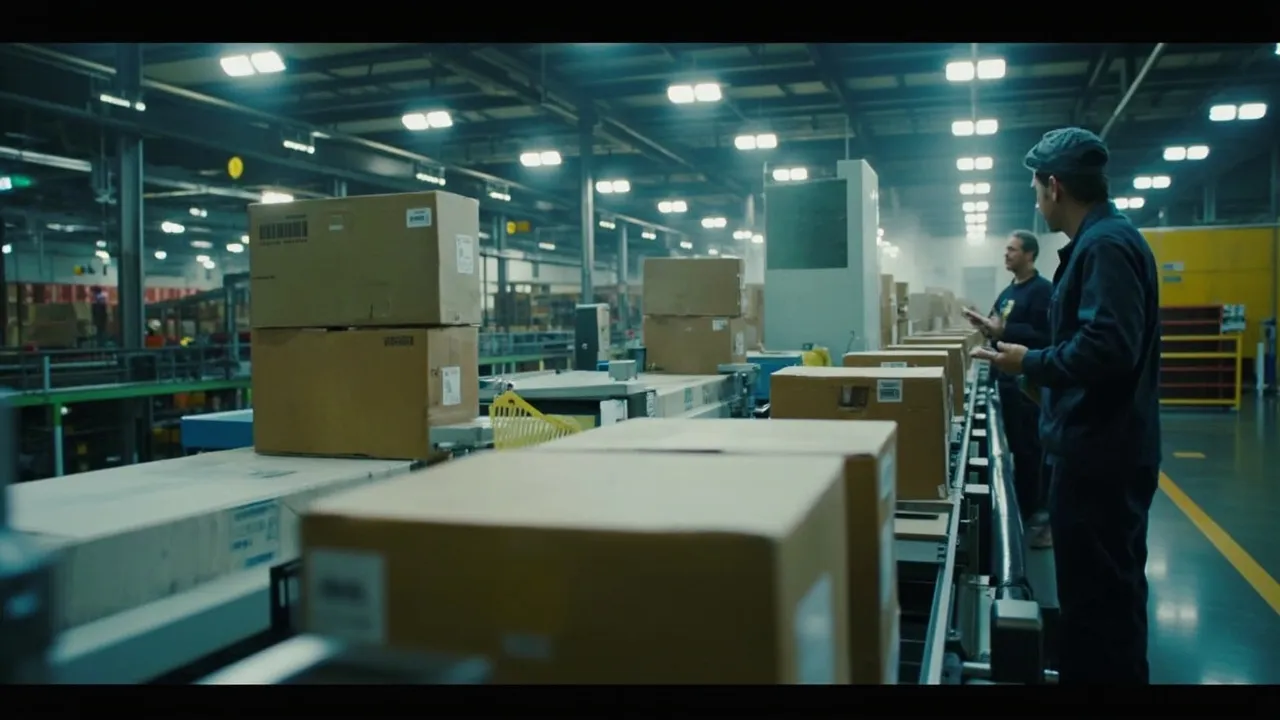
Packout Is the Forgotten Automation Bottleneck at the End of the Warehouse Line
Warehouse automation can accelerate picking while leaving packout overwhelmed. Learn how to measure and redesign the end of the line around shipped orders.
CXTMS InsightsAugust 14, 2026 · 6 min read
When Automated Frozen Warehouses Get Canceled: A Cold-Chain Automation Exit Plan
A practical exit plan for automated frozen warehouses covering inventory transfer, customer service, labor, equipment, and temperature-controlled transport.
CXTMS InsightsAugust 12, 2026 · 6 min read
A U.S. Ban on Foreign Humanoid Robots Creates a Warehouse Automation Country-of-Origin File
A reported U.S. ban on new foreign-made humanoid robots makes component origin, service continuity, and spare-parts records essential warehouse controls.
CXTMS InsightsAugust 5, 2026 · 6 min read
Honeywell’s Intelligrated Sale Makes Automation Installed-Base Continuity a Contract Issue
The Intelligrated and Transnorm ownership change shows why warehouses need contract protections for controls, software, spares, service, and cybersecurity continuity.
CXTMS InsightsJuly 31, 2026 · 6 min read
Smart Conveyor Growth Means Warehouses Need Downtime Data Before More Automation
Smart conveyor market growth is raising the stakes for warehouse downtime data, maintenance response, dock schedules, and outbound transportation control.
CXTMS InsightsJuly 16, 2026 · 6 min read
Warehouse Robotics Compress Pick Time, So the Constraint Moves to the Dock
Goods-to-person robotics can multiply pick throughput, but faster fulfillment pushes the next bottleneck toward docks, trailers, and carrier cutoffs.
CXTMS InsightsJuly 14, 2026 · 6 min read
Intralogistics M&A Is Turning Box Handling Into an Orchestration Strategy
Comau's Invent acquisition shows how intralogistics M&A is moving box handling, pallet flow, warehouse software, and transportation handoffs into one orchestration strategy.
CXTMS InsightsJuly 11, 2026 · 6 min read