Warehouse Automation
79 posts tagged with “Warehouse Automation”
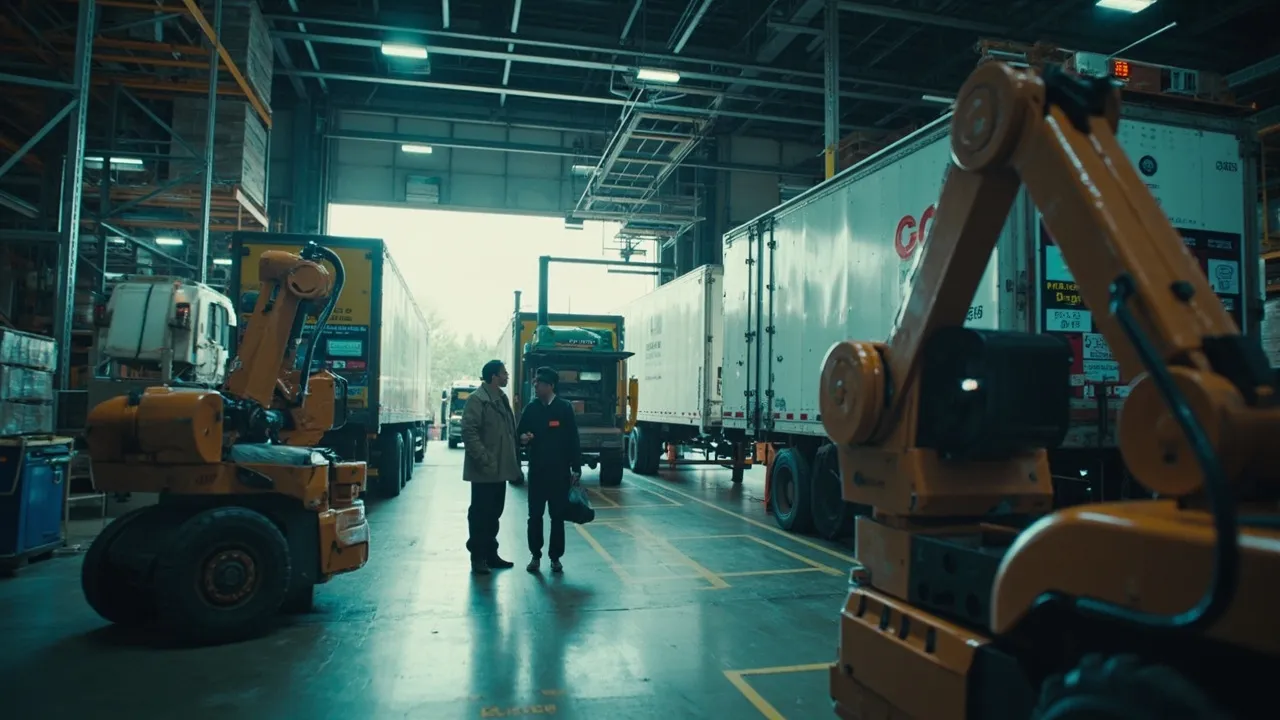
Warehouse Robotics Compress Pick Time, So the Constraint Moves to the Dock
Goods-to-person robotics can multiply pick throughput, but faster fulfillment pushes the next bottleneck toward docks, trailers, and carrier cutoffs.
 CXTMS InsightsJuly 14, 2026 · 6 min read
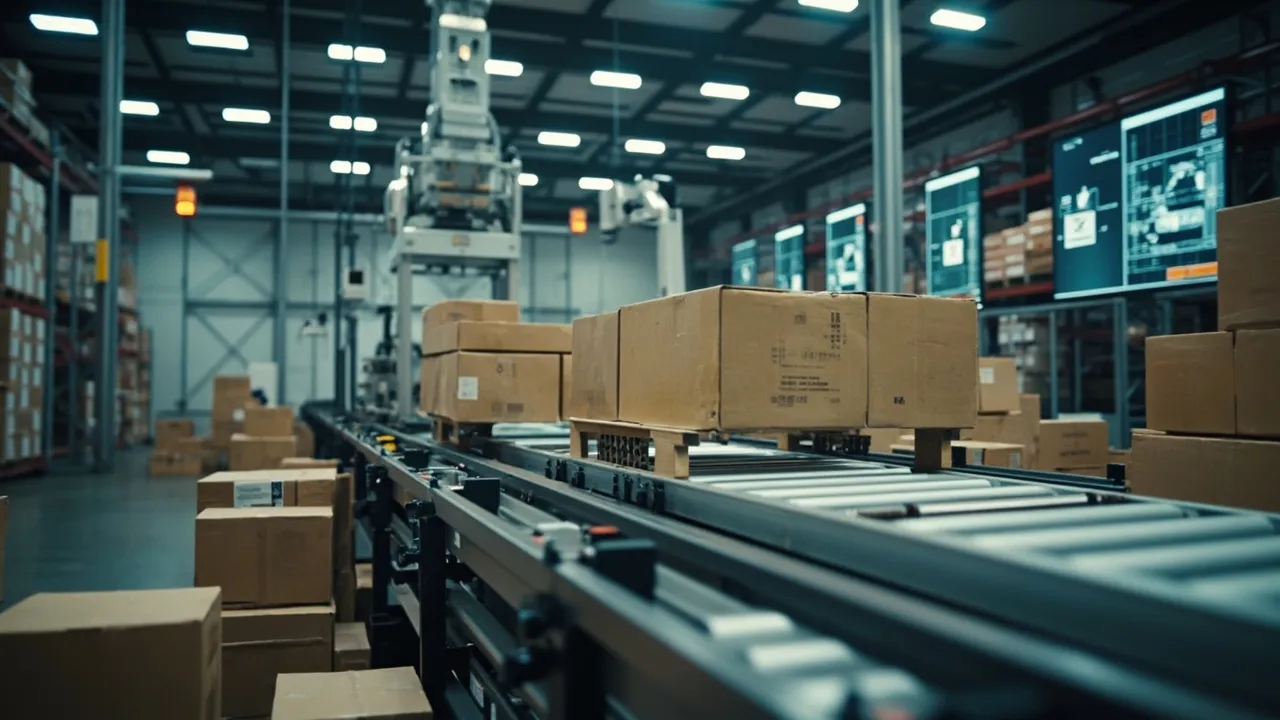
Intralogistics M&A Is Turning Box Handling Into an Orchestration Strategy
Comau's Invent acquisition shows how intralogistics M&A is moving box handling, pallet flow, warehouse software, and transportation handoffs into one orchestration strategy.
CXTMS InsightsJuly 11, 2026 · 6 min read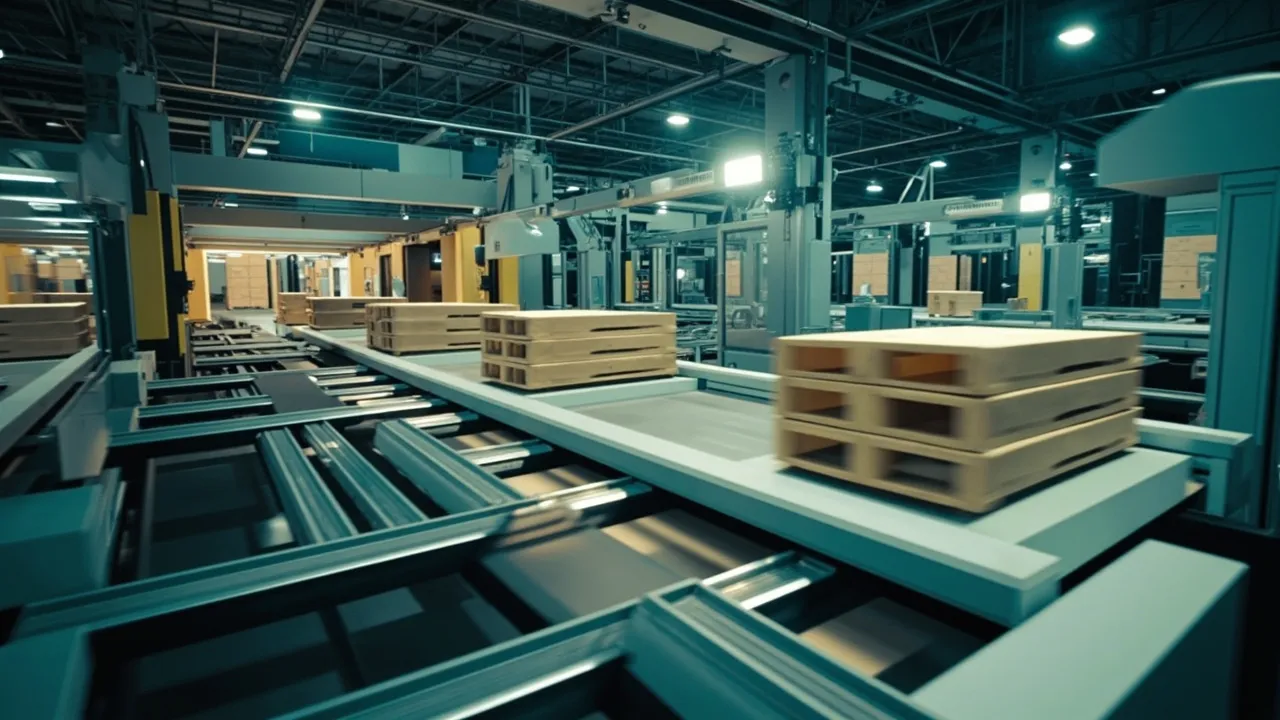
Pallets Are Becoming Automation Infrastructure, Not Disposable Shipping Gear
Pallets now influence warehouse automation, reusable pooling, asset visibility, food and pharma tracking, shrink control, and transportation exception management.
CXTMS InsightsJune 25, 2026 · 6 min read
Automate 2026 Will Test Whether Humanoid Robotics Is Ready for Warehouse Reality
Automate 2026 will put humanoid robotics in front of warehouse buyers. The real test is not spectacle—it is safety, integration, dexterity, and ROI.
CXTMS InsightsJune 20, 2026 · 6 min read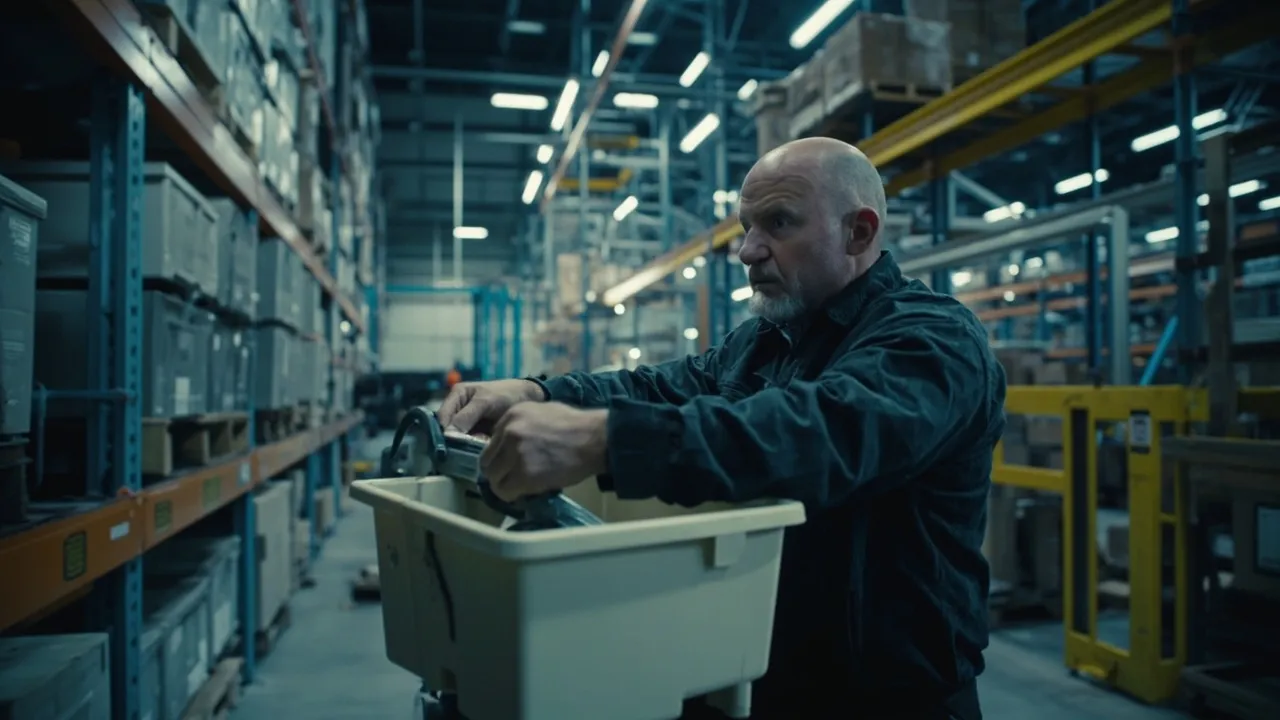
AutoStore Bin Production in Texas Points to a Bigger Warehouse Automation Supply Chain Shift
AutoStore bin production in Texas is a small but telling signal that warehouse automation supply chains now need regional resilience, spare-parts discipline, and procurement visibility.
CXTMS InsightsJune 8, 2026 · 6 min read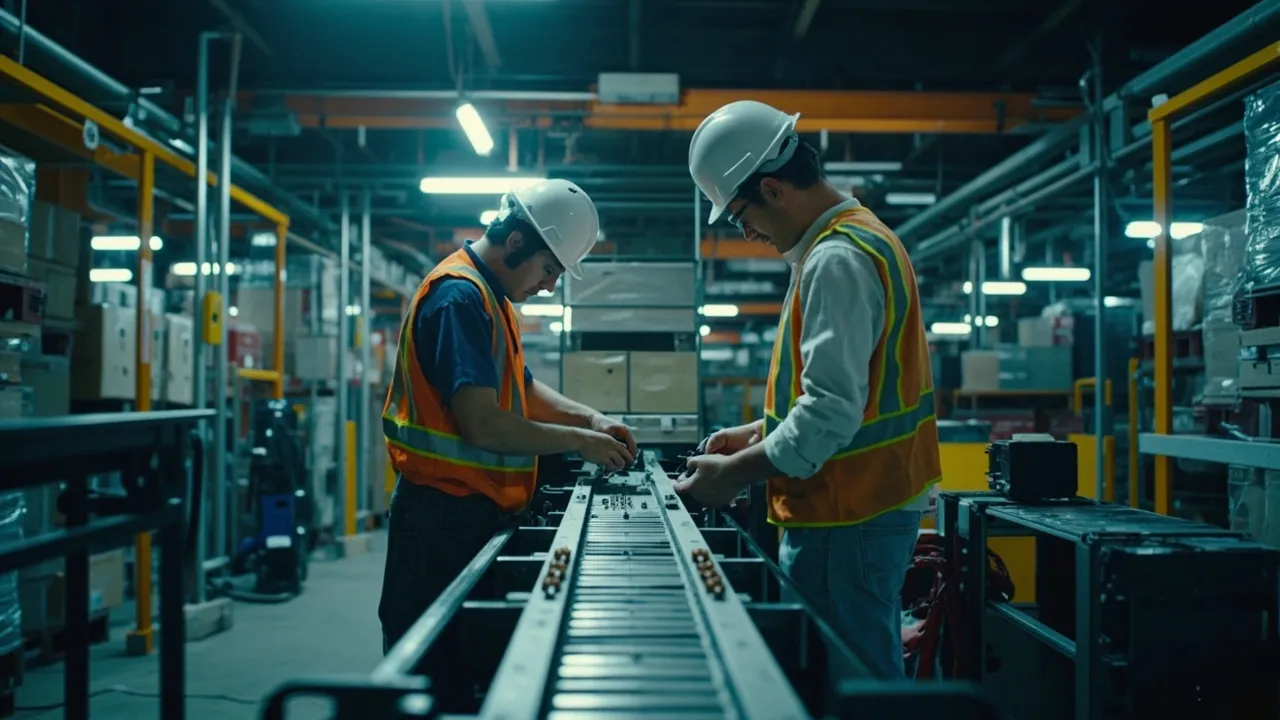
Warehouse Maintenance Technicians Are Becoming the Hidden Constraint on Automation ROI
Warehouse automation ROI now depends on maintenance technician capacity, troubleshooting discipline, and documentation maturity as much as robotics hardware.
CXTMS InsightsJune 8, 2026 · 6 min read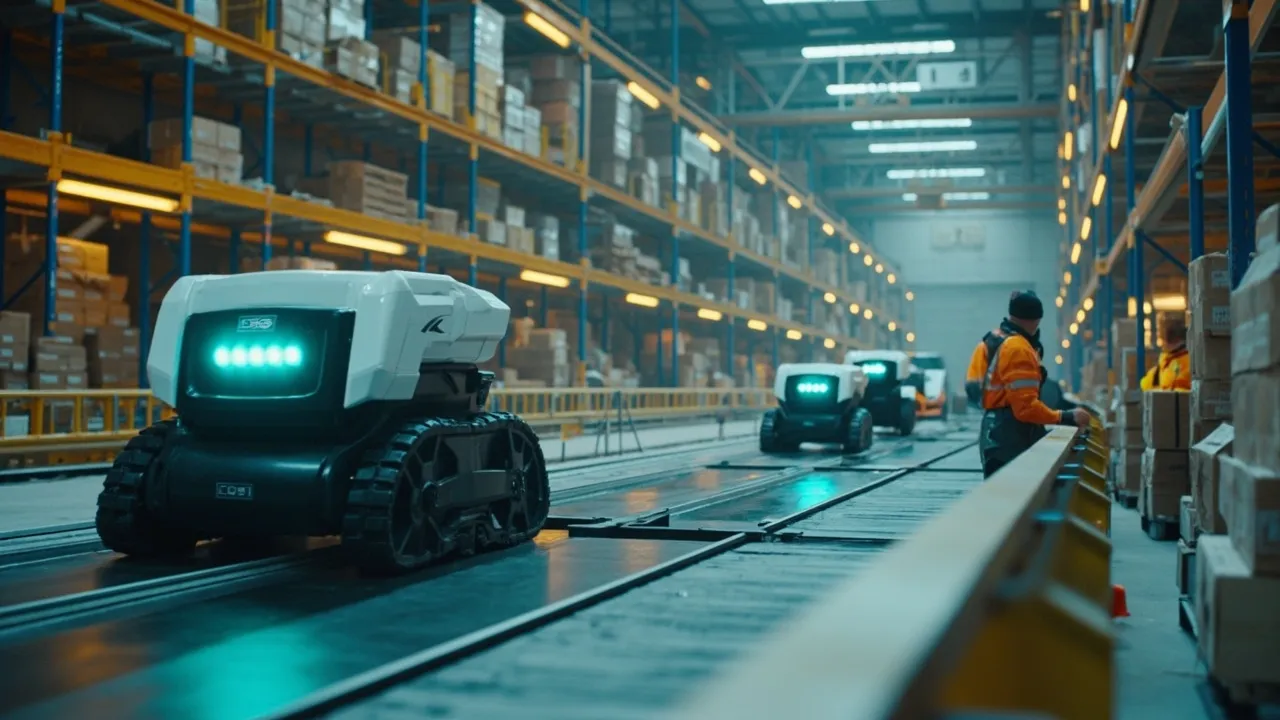
Supplier Diversification Now Applies to Robots: The Hidden Vendor Risk in Warehouse Automation
Warehouse automation is becoming a supplier risk issue as robots, orchestration software, spare parts, and proprietary integrations turn single vendors into operational choke points.
CXTMS InsightsMay 27, 2026 · 7 min read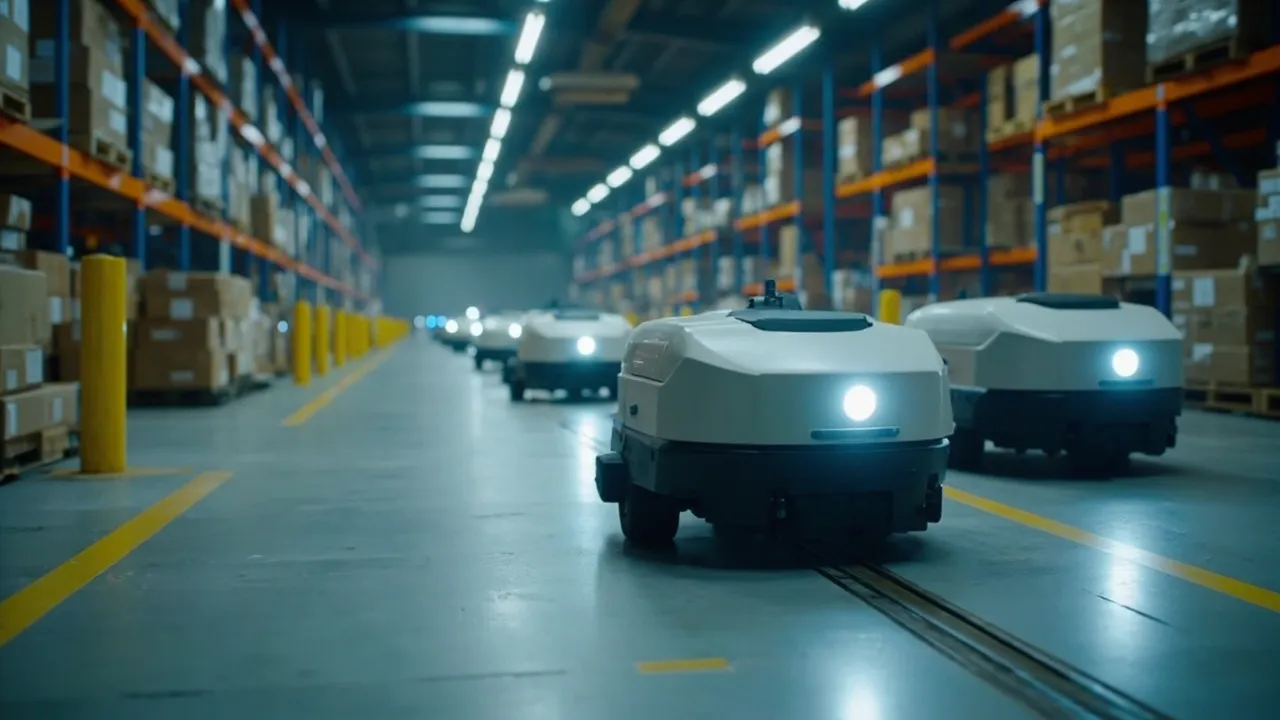
AMR Fleets Have Moved Past Pilots. Warehouse Leaders Now Need Orchestration Discipline.
Autonomous mobile robots are entering mainstream warehouse operations, but scaled fleets need disciplined orchestration to deliver measurable flow improvement.
CXTMS InsightsMay 26, 2026 · 6 min read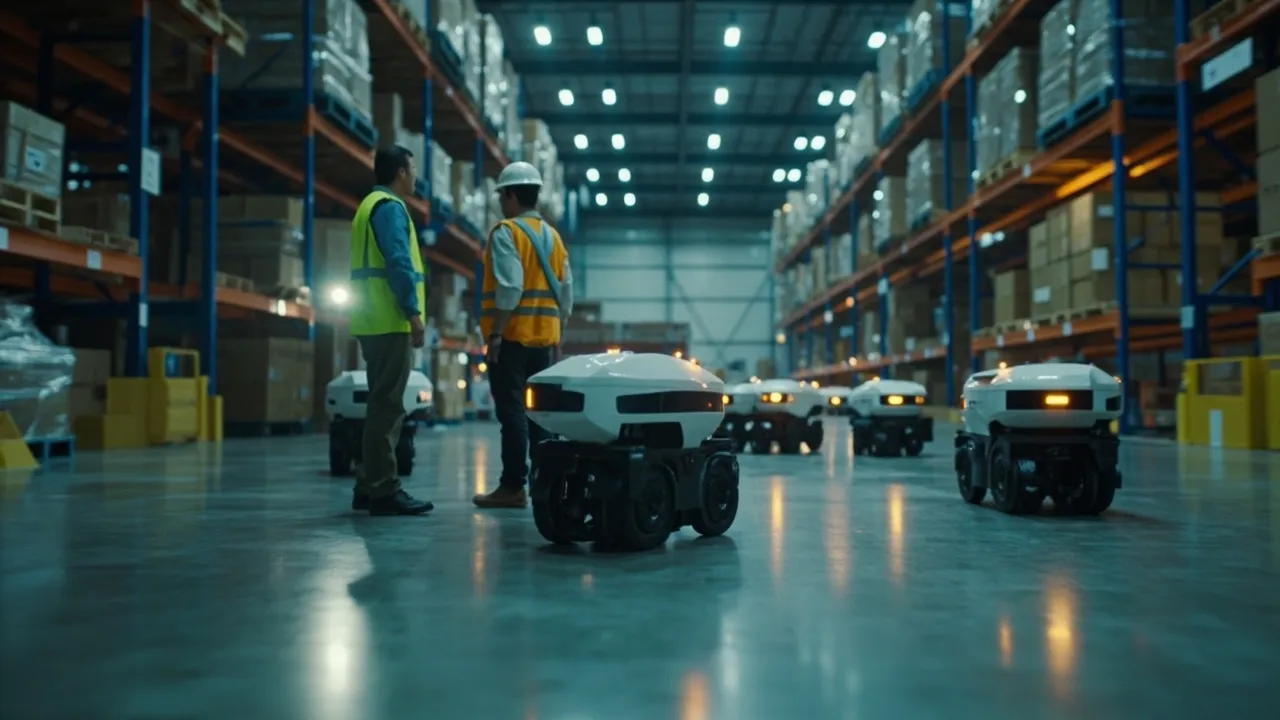
Robot Safety Is the Hidden Adoption Barrier in Warehouse Automation
Warehouse robotics adoption depends on safety controls, testing discipline, and shared incident visibility as much as it depends on speed or labor savings.
CXTMS InsightsMay 24, 2026 · 6 min read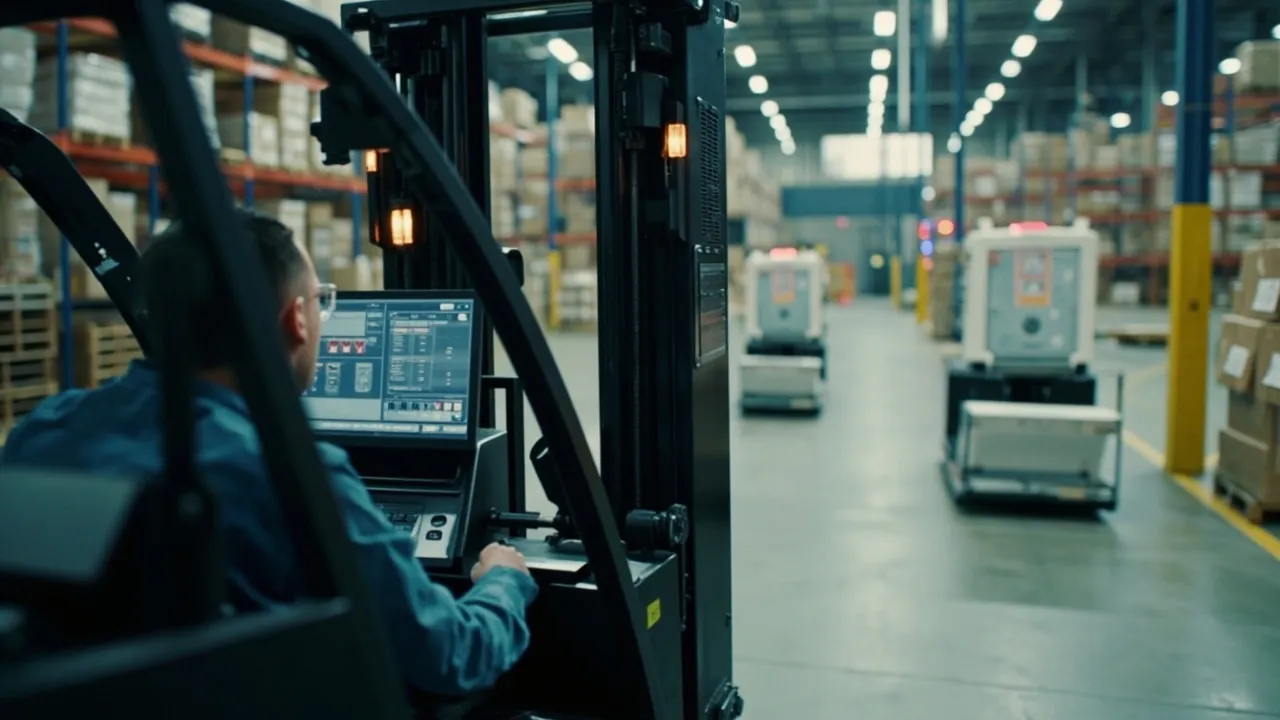
Integrated Lift-Truck Screens Are Quietly Solving the Warehouse Automation Adoption Problem
Autonomous lift trucks are getting better, but adoption still depends on operator workflow. Integrated screens are turning warehouse automation from a hardware project into a usable daily process.
CXTMS InsightsMay 22, 2026 · 6 min read