AutoStore Bin Production in Texas Points to a Bigger Warehouse Automation Supply Chain Shift

Warehouse automation used to be discussed mainly as a labor, throughput, and space-utilization decision. The new question is more uncomfortable: what happens when the automated system depends on a specialized component that is not available where the operation needs it?
That is why a seemingly narrow production announcement deserves attention. Modern Materials Handling reported that ORBIS is now manufacturing AutoStore-approved bins at a second strategic North American location in Greenville, Texas, alongside its existing bin production in Toronto, Ontario. On paper, that is a packaging supplier expanding capacity. In practice, it is a signal that automation components are becoming part of the resilience conversation.
AutoStore bins are not glamorous. They do not get the demo-floor attention of robots, AI orchestration, or high-speed sorters. But in a cube-based automated storage and retrieval system, bin availability is operational infrastructure. The same logic applies to conveyor belts, modular chains, sensors, tote lids, lift-truck automation parts, battery systems, scanners, and software connectors. When warehouses automate in layers, they also inherit a deeper supplier-risk layer.
Automation parts are now part of project risk
The obvious benefit of regional bin production is shorter, more reliable supply. ORBIS said the Texas expansion strengthens its ability to support growing North American demand for high-performance automation solutions. The company also emphasized reusable packaging and plastic injection molding precision, because automated systems depend on bins that meet tight specifications for durability and long-term performance.
That matters during implementation. A warehouse automation project can be delayed by permits, integration testing, labor readiness, WMS configuration, or construction sequencing. It can also be delayed by something simpler: the right physical components are not available on the project calendar. If a go-live depends on thousands of standardized bins, a supplier bottleneck becomes a launch bottleneck.
The same risk continues after go-live. Brownfield modernization projects rarely happen in a perfectly clean environment. Facilities add automation around existing rack, labor flows, dock constraints, carrier schedules, inventory profiles, and seasonal peaks. When a bin, belt, sensor, or robotic subsystem fails, maintenance teams need parts fast enough to preserve service commitments. A beautiful automation business case can get ugly quickly if spare parts are treated as an afterthought.
Supplier consolidation cuts friction, but it changes dependency
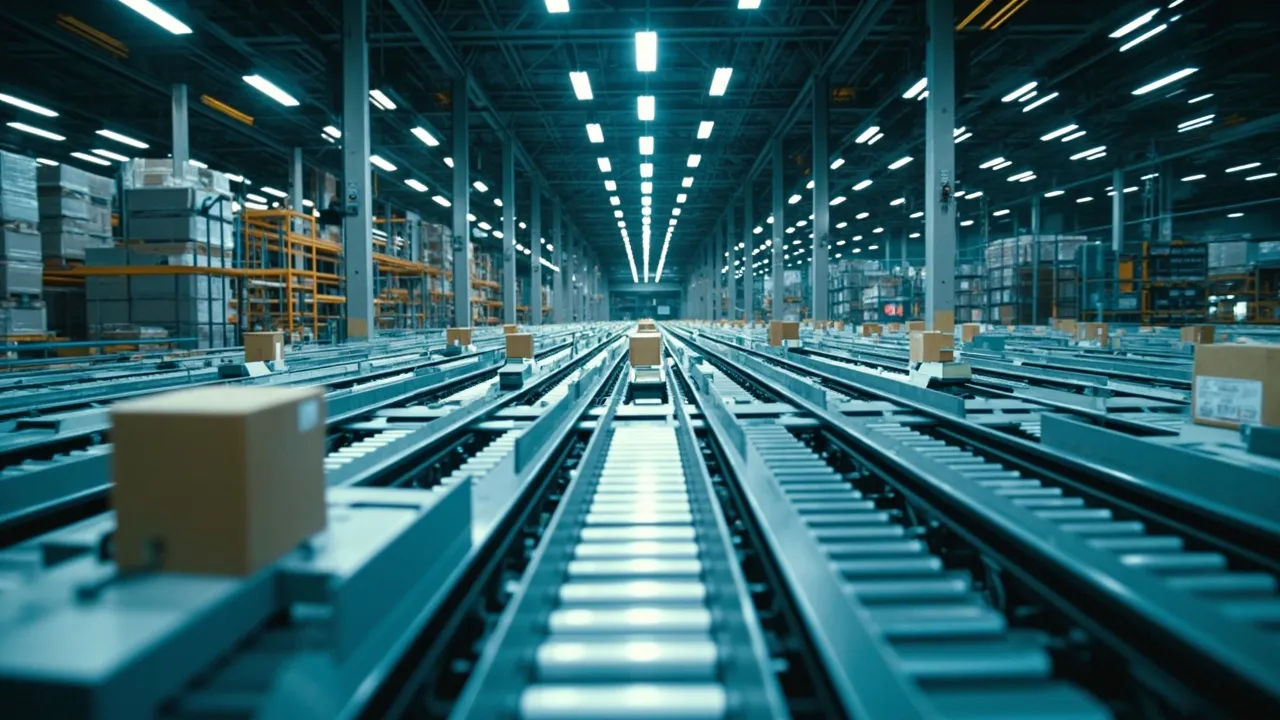
Another MMH report shows the same theme from a different angle. AMMEGA is integrating Chemprene, uni, and Green Belting under the Ammeraal Beltech name, creating a unified conveyor solutions resource for U.S. customers. The company said the combined portfolio now spans 10 different categories, including modular plastic, synthetic, PTFE, silicone, lightweight rubber belting, modular chains, and related solutions.
The operational pitch is clear: simplify sourcing, improve uptime, and reduce complexity. AMMEGA also pointed to a serious domestic footprint: 14 warehouses, eight customer solution centers, five manufacturing facilities, and three fabrication sites across the United States. It tied that network to a $100 million investment in U.S. manufacturing and supply chain capabilities intended to reduce lead times and improve service responsiveness.
Those numbers are useful because they show how material handling suppliers are repositioning themselves. They are not just selling parts. They are selling availability, application support, and faster recovery. For logistics leaders, that is exactly the right conversation — but it should not be accepted passively.
A broader supplier relationship can reduce procurement friction. It can also concentrate operational dependency. If one supplier becomes the default source for belts, chains, technical support, and emergency fabrication, that supplier’s service levels become part of the warehouse’s service levels. Procurement teams should evaluate not only price and product range, but escalation paths, stocking strategy, regional coverage, after-hours support, and compatibility with the site’s actual equipment mix.
Robots make the dependency map wider
Mobile robotics adds another layer. MMH’s coverage of six mobile robot trends notes that operators are no longer just buying robots; they are asking how those machines fit, communicate, and keep product moving inside real facilities. The article highlights connections among robot fleet managers, WMS, WES, OMS, conveyors, lift trucks, sensors, and other automation systems.
That integration is powerful, but it expands the failure surface. A robot may be physically healthy while its work queue is wrong. A conveyor may be mechanically sound while an upstream sensor creates bad decisions. A tote may look interchangeable until tolerance, durability, or system approval makes substitution risky. A software connector may become just as critical as a spare motor.
This is the hidden shift: automation supply chains are no longer limited to capital equipment vendors. They include standardized bins, application-specific belts, local fabrication, firmware support, integration partners, battery programs, safety devices, wireless infrastructure, and data interfaces. The warehouse becomes a network of dependencies, not a set of machines.
A procurement checklist for automation resilience
Warehouse and logistics teams should bring supplier-risk discipline into every automation purchase. Start with five questions.
First, where are critical consumables and replacement components made, stocked, and fabricated? A single global source may be fine for planned expansion, but weak for emergency recovery.
Second, which parts are truly standardized and which are approved only for a specific system? AutoStore-approved bins are a good example: the bin looks simple, but system compatibility matters.
Third, what are the lead times under stress, not just under normal quoting conditions? Ask suppliers how they allocate capacity during demand spikes, peak season, port disruption, or tariff-driven buying surges.
Fourth, what regional support exists after installation? Warehouses need technical people who can diagnose application issues, not just sales teams who can take orders.
Fifth, how will supplier data flow into maintenance and transportation decisions? If a failed component threatens a wave, pickup appointment, or promised ship date, operations needs enough visibility to adjust labor, carriers, and customer communication before the miss becomes unavoidable.
The TMS angle: parts risk becomes service risk
A transportation management system does not manufacture bins or fabricate conveyor belts. But CXTMS helps logistics teams see when warehouse constraints are about to spill into freight execution. If automation downtime threatens outbound volume, carrier cutoffs, dock schedules, or delivery promises, the transportation team needs that signal early enough to replan.
That is the practical lesson from ORBIS expanding AutoStore bin production in Texas. Automation is not just an equipment strategy. It is a supply chain strategy inside the four walls. The more automated a facility becomes, the more its service performance depends on regional component availability, supplier support, spare-parts planning, and clean exception visibility.
If your warehouse automation roadmap needs tighter coordination between facility constraints and transportation execution, schedule a CXTMS demo. CXTMS gives logistics teams the control-tower visibility to turn automation disruptions into managed freight decisions instead of missed promises.