Intralogistics M&A Is Turning Box Handling Into an Orchestration Strategy

Warehouse automation deals used to be easy to categorize. A company bought robotics capacity, conveyor expertise, storage systems, or integration talent. The operating question was mostly about throughput.
That lens is too narrow now.
Modern Materials Handling reported that Comau acquired Invent Smart Intralogistics Solutions, a Brazilian warehouse automation and intralogistics firm with expertise in box handling, order fulfillment, and logistics orchestration. MMH noted that Invent's capabilities are expected to complement Automha's pallet handling and automated storage systems, giving Comau a broader platform for distribution centers, fulfillment operations, and industrial logistics facilities.
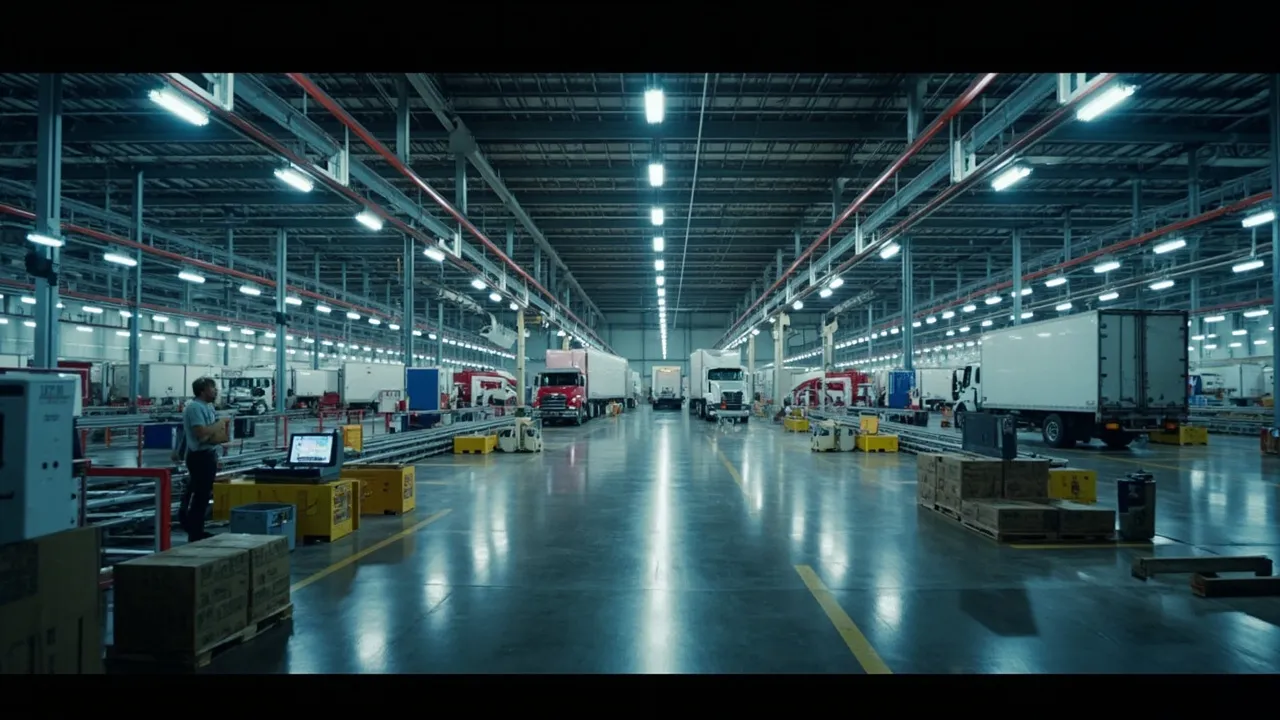
The important part is not simply that another automation provider got bigger. It is that box flow, pallet flow, order fulfillment, storage, software, and material movement are being pulled into the same execution architecture.
MMH reported that Comau sees the broader intralogistics market growing approximately 13% annually over the next three to five years. The same article cited demand growth of up to 15% annually in the U.S. mid-market intralogistics segment and up to 17% in Brazil over the same period. That kind of growth does not happen because buyers want another isolated machine. It happens because warehouses are under pressure to make automation, labor, inventory, and shipping commitments work as one system.
The M&A Signal Is Integration
The acquisition language matters. MMH described customers increasingly demanding integrated solutions that connect production, storage, and material flow. That is the real strategic signal.
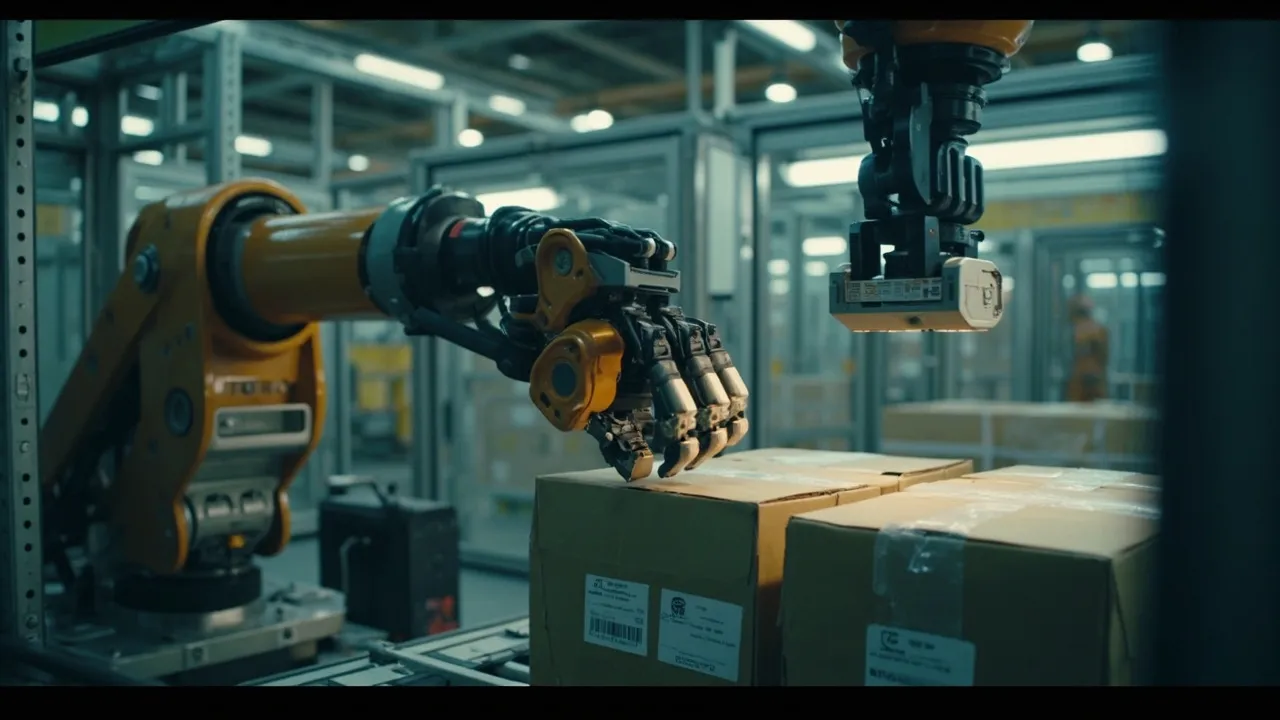
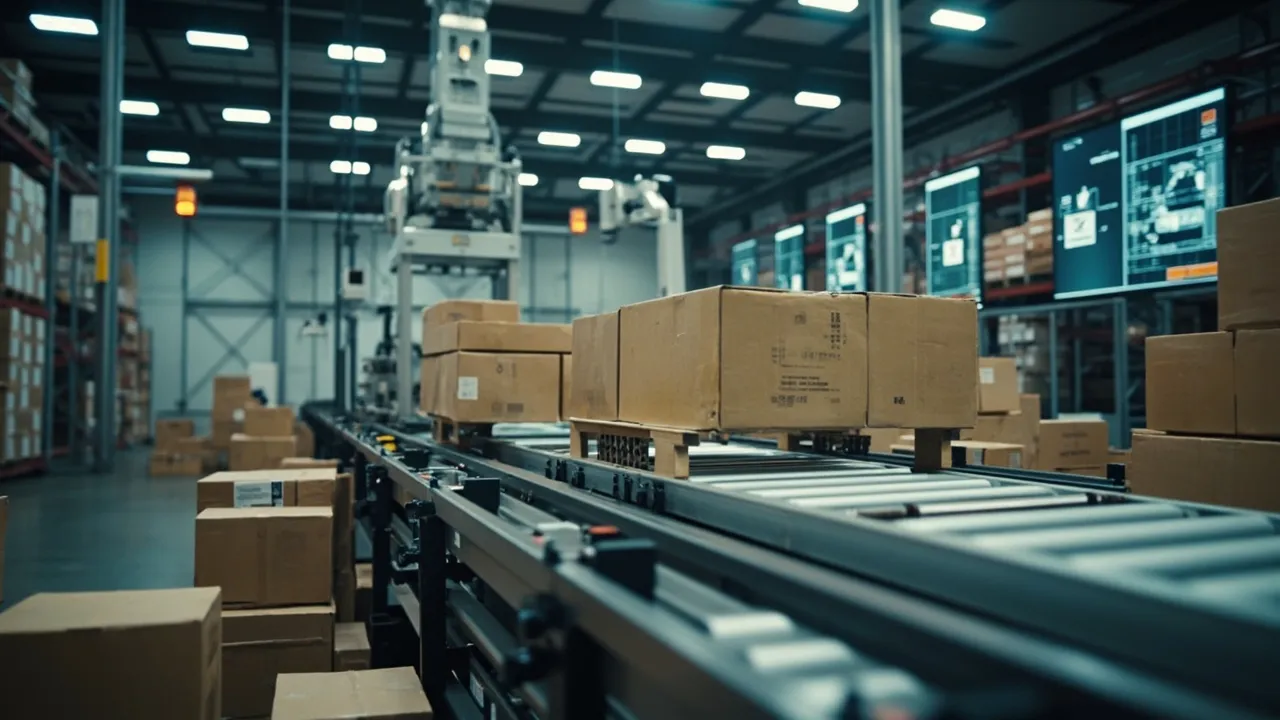
Box handling is no longer just the movement of cartons through a conveyor or sorter. In an e-commerce, spare-parts, retail replenishment, or industrial fulfillment operation, a carton is an execution object. It carries order priority, customer promise, packaging profile, carrier eligibility, cube impact, label requirements, and cutoff exposure.
Pallet handling has the same problem at a different scale. A pallet in an automated storage and retrieval system may represent inbound replenishment, outbound staging, production support, transfer stock, cross-dock freight, or customer-specific inventory. Moving it faster is useful only if the system knows why it is moving and what downstream commitment depends on it.
That is why intralogistics M&A is moving toward orchestration. Buyers want fewer gaps between the systems that decide what happens inside the building and the systems that determine whether a shipment leaves on time.
Logistics Management's 37th State of Logistics coverage gives the operating backdrop. U.S. business logistics costs totaled $2.4 trillion, equal to 7.8% of GDP. The report also described a shift from periodic optimization to continuous adaptation, with trade policy changing on average every 1.5 weeks in 2025. In that environment, warehouses cannot afford automation islands that optimize locally while transportation absorbs the fallout.
Build The Orchestration Checklist
The first control point is tote and carton flow. Operations teams need to know where units are, what order or wave they belong to, whether they are complete, and whether the next action is pick, pack, sort, label, hold, or ship. Box handling without order context is just motion.
The second control point is pallet flow. Pallets should carry storage location, release priority, dock destination, equipment requirement, and shipment dependency. A pallet moved to the wrong staging lane can burn more time than automation saved.
The third control point is the WMS and WES handoff. Warehouse management systems tend to own inventory logic, order rules, and labor work. Warehouse execution systems tend to coordinate automation, sequencing, and task release. If the handoff is stale, both systems can be technically correct while the floor is operationally wrong.
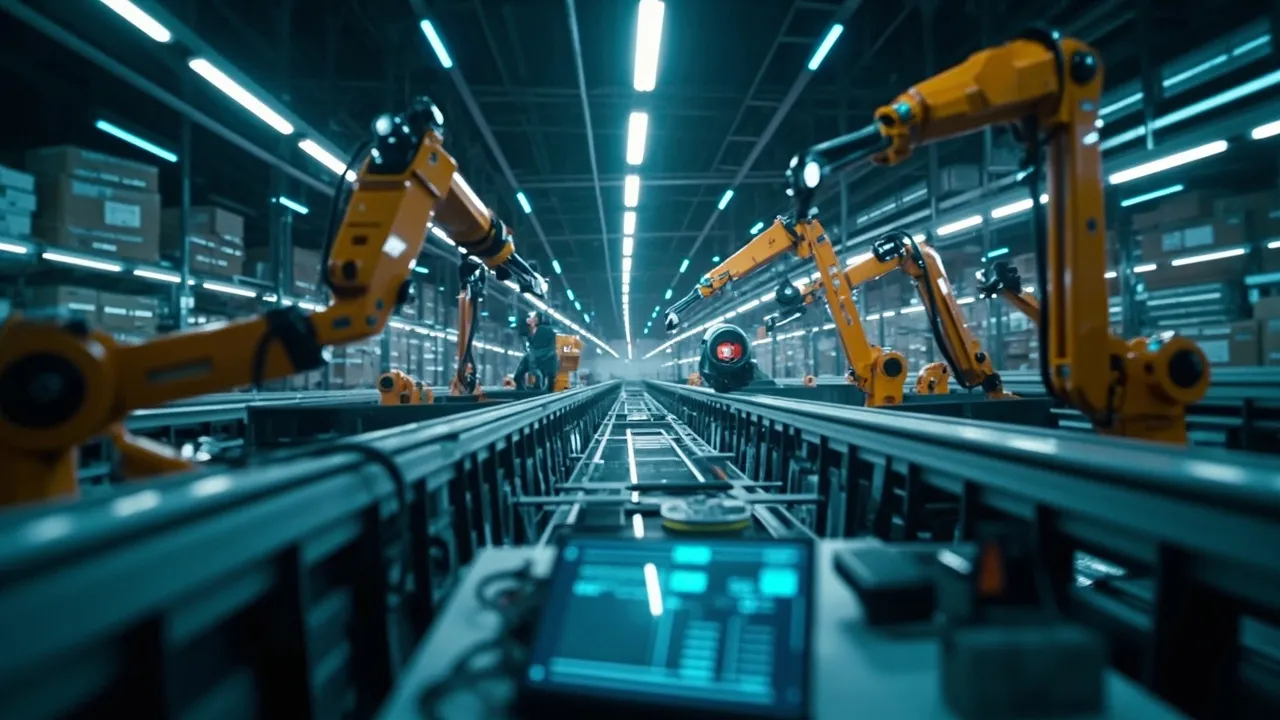
The fourth control point is automation state. Conveyors, sorters, shuttles, robots, AS/RS cranes, palletizers, and print-and-apply stations need a shared status language: available, degraded, stopped, starved, blocked, recovering, or under maintenance. That state should affect release decisions before work piles up at the constraint.
The fifth control point is labor exception. Automation does not remove people from the process; it changes where human judgment matters. Short picks, damaged cartons, exception labeling, hazmat review, oversized freight, quality holds, and manual rework all need owners and timestamps.
The sixth control point is carrier cutoff. This is where many orchestration projects lose the plot. A warehouse can complete a wave that cannot actually ship because the carrier window closed, the dock door changed, the trailer is late, or the parcel manifest is locked. Cutoff data has to shape warehouse sequencing, not just transportation reporting.
The final control point is recovery owner. When an automated flow breaks, someone has to decide whether to resequence work, move labor, change dock assignments, split shipments, call the carrier, or notify the customer. A good orchestration layer does not merely detect exceptions; it routes them.
Transportation Belongs In The Loop
The warehouse floor and the transportation desk often use different clocks. The floor thinks in waves, zones, work queues, and equipment states. Transportation thinks in appointments, carrier cutoffs, tender acceptance, trailer availability, and service commitments.
In a lightly automated building, supervisors can sometimes bridge that gap by walking the floor. In a highly automated building, that informal model breaks. The physical flow becomes faster, denser, and more dependent on software decisions. If transportation commitments are not visible inside those decisions, the facility can become very efficient at creating late freight.
That is the lesson behind the Comau-Invent signal. As intralogistics platforms combine box handling, pallet systems, and orchestration software, the competitive advantage is not just higher throughput. It is better judgment about which work should move now, which work can wait, and which exception threatens a customer promise.
Where CXTMS Fits
CXTMS helps logistics teams connect warehouse readiness, dock appointments, carrier planning, and shipment exceptions in one transportation-aware execution record. That matters as intralogistics systems become more integrated.
When a fulfillment system changes carton sequencing, CXTMS can help show whether the affected orders are tied to a carrier cutoff. When pallet flow is delayed, CXTMS can expose the shipment impact rather than leaving transportation to discover the issue after a trailer waits. When automation goes degraded, CXTMS can help separate warehouse readiness failures from carrier performance problems.
The goal is not to replace warehouse automation software. The goal is to make sure automated facility flow and carrier planning hand off cleanly. Tote status, pallet movement, WMS/WES handoffs, automation state, labor exceptions, carrier cutoff, and recovery owner should all point to the same shipment truth.
Intralogistics M&A is making one thing clear: box handling is becoming an orchestration strategy. The winners will not be the warehouses that move cartons fastest in isolation. They will be the operators that connect facility flow to transportation commitments before a smooth internal process becomes a missed external promise.
If your team is trying to connect automated warehouse flow with carrier cutoffs, dock appointments, and shipment-ready status, schedule a CXTMS demo. CXTMS helps logistics teams turn warehouse execution signals into cleaner transportation decisions.