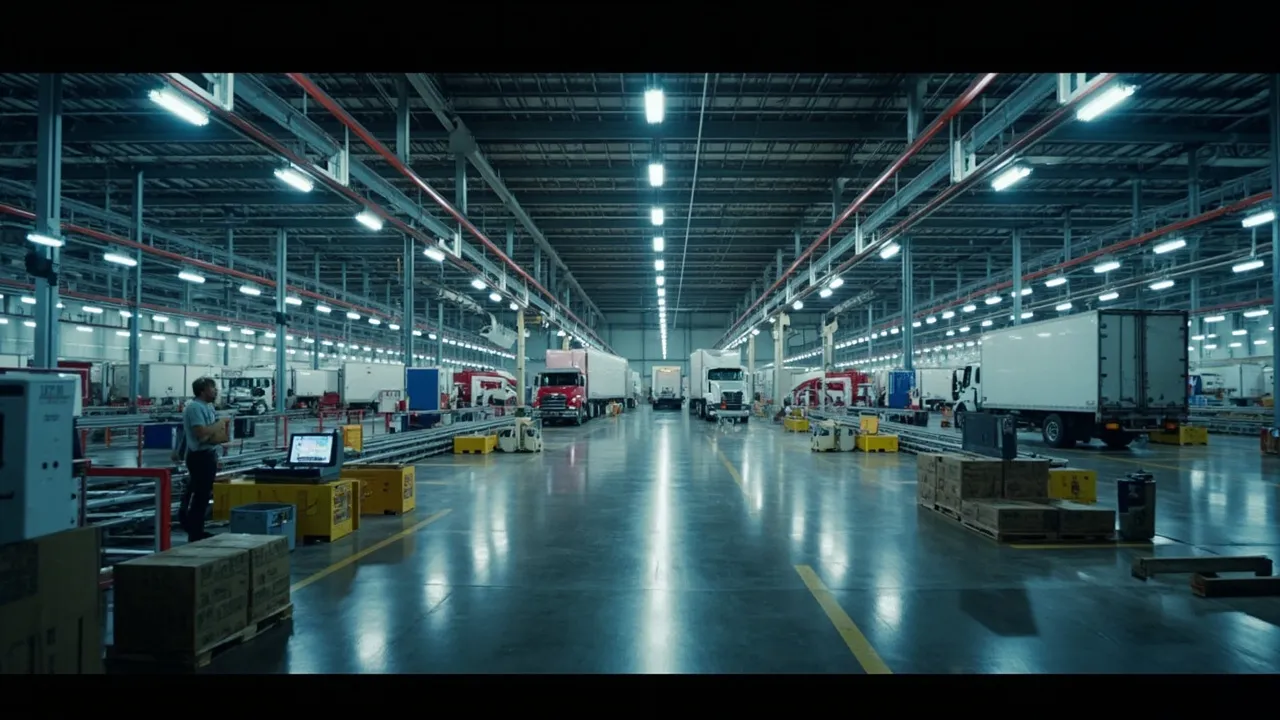
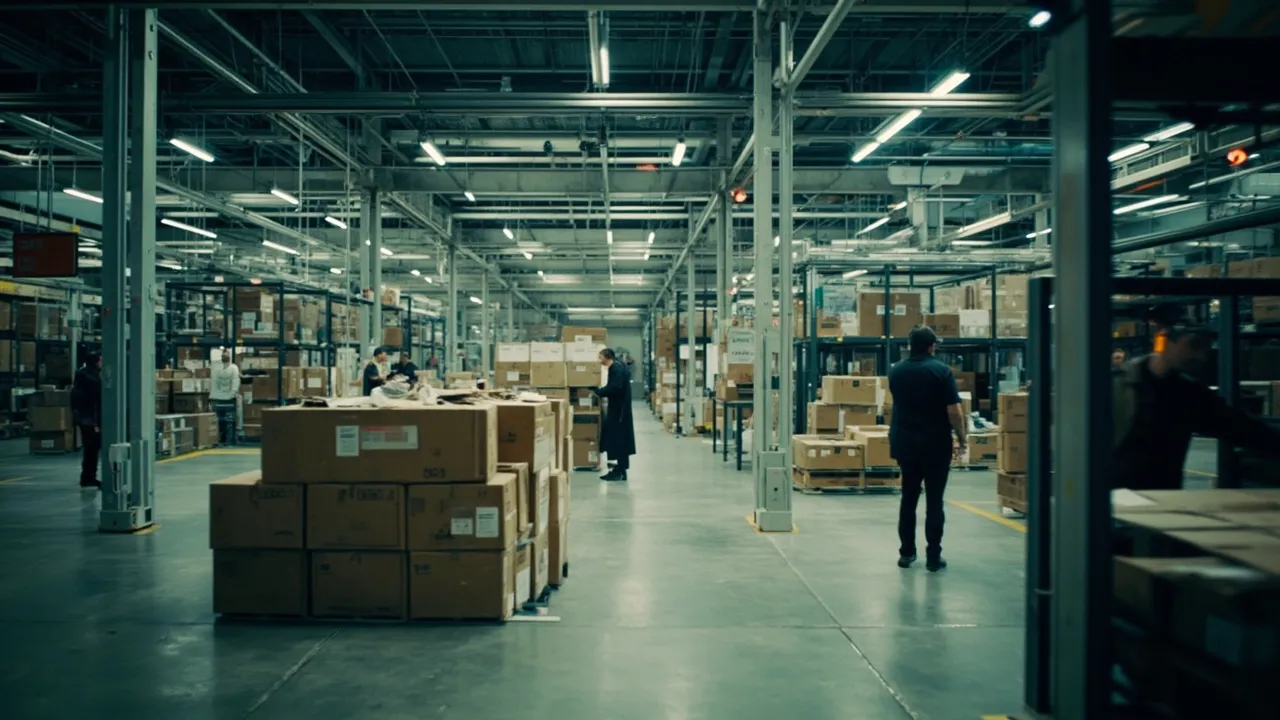
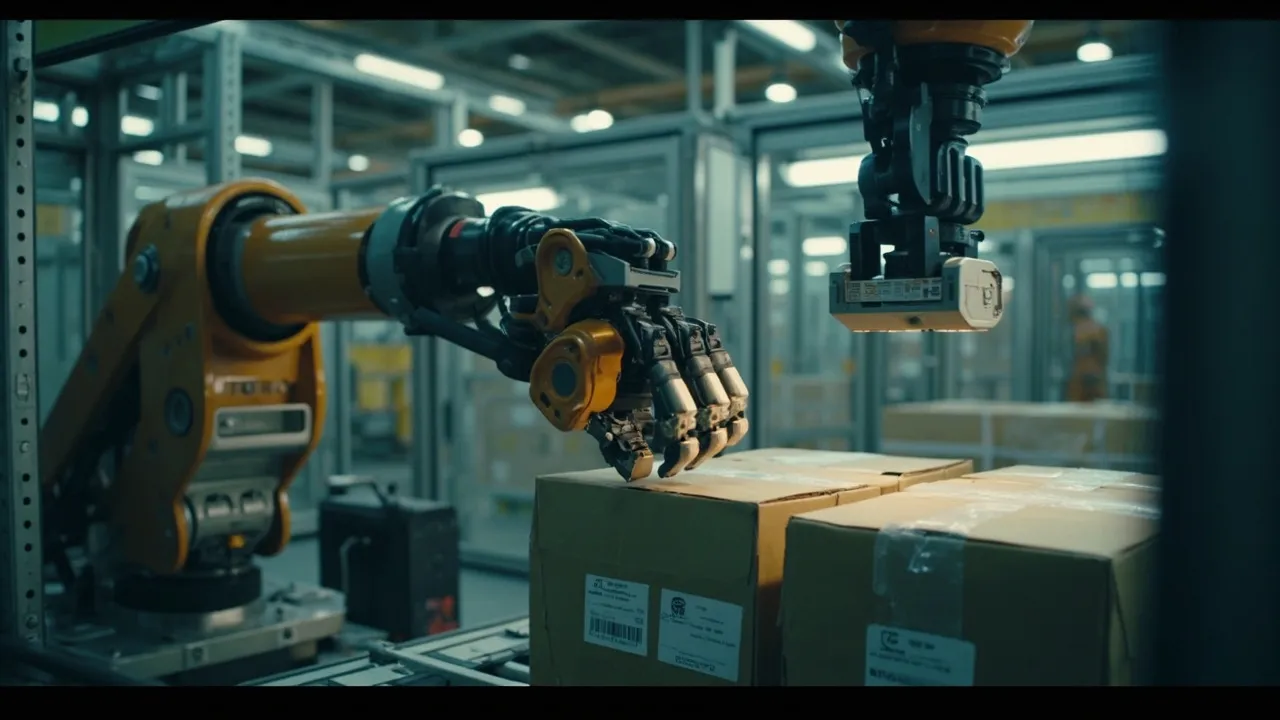
AMR Fleets Have Moved Past Pilots. Warehouse Leaders Now Need Orchestration Discipline.

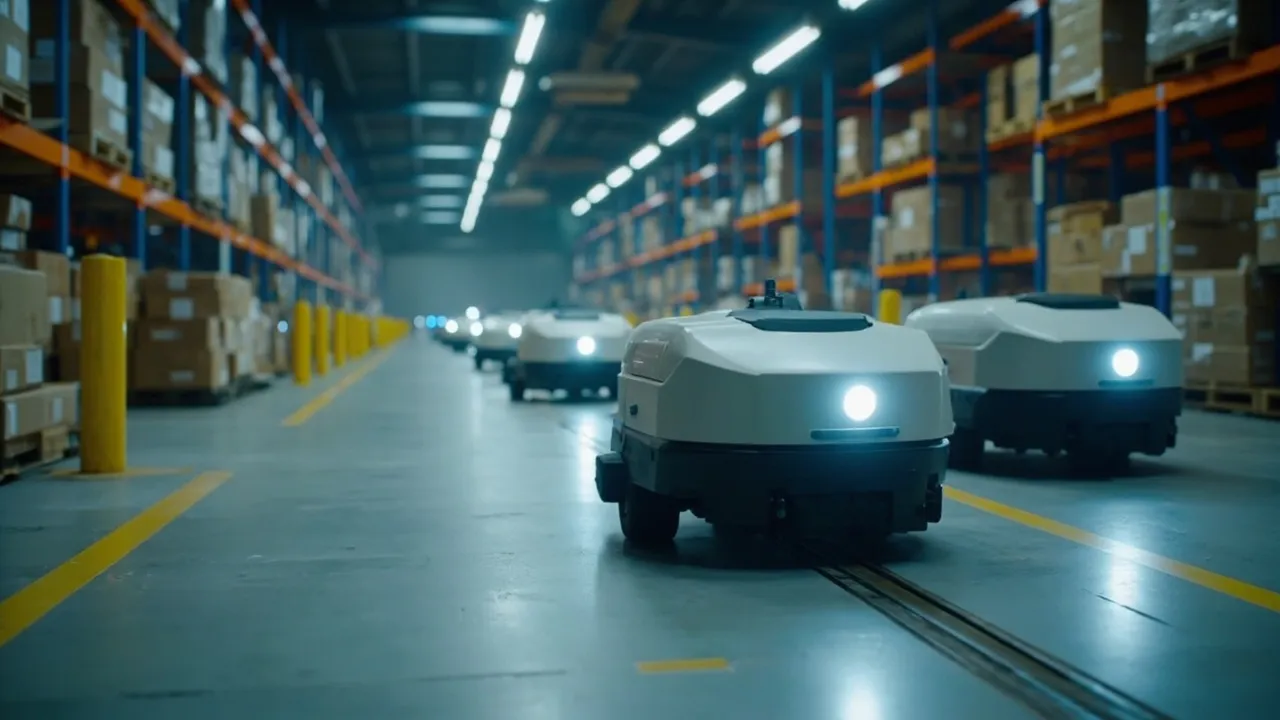
Autonomous mobile robots are no longer a novelty parked in one corner of the distribution center. They are becoming part of normal warehouse work.
That shift is clear in Modern Materials Handling’s upcoming roundtable on the state of AMRs, from early adoption to scaled deployment. The framing is blunt: AMRs have moved from early experimentation into mainstream warehouse operations, with fleets now supporting picking, transport, and replenishment across a growing range of environments. The next discussion is not whether robots can move product. It is whether leaders can coordinate fleets well enough to improve total warehouse flow.
That distinction matters. A pilot can succeed by making one process look better. A fleet has to survive the whole building.
The market has already voted for mobile automation
The business case for AMRs is getting harder to ignore. Mordor Intelligence estimates the autonomous mobile robot market at $5.18 billion in 2026, up from $4.49 billion in 2025, with projected growth to $10.56 billion by 2031. That is a 15.31% CAGR, and the warehouse and logistics segment already accounts for 32.94% of the market.
The same report shows why adoption is broadening. Unmanned ground vehicles held 45.42% of AMR market share in 2025. LiDAR SLAM still led navigation technology with 40.88% revenue share, while vision-based systems are projected to grow at 20.64% CAGR through 2031. Payloads are diversifying too: the 100-500 kg class captured 37.22% share in 2025, while robots above 1,000 kg are forecast to advance at 18.21% CAGR.
In plain English: AMRs are not one product category anymore. They are becoming a flexible automation layer for totes, carts, parts, cases, pallets, replenishment moves, and eventually heavier industrial flows.
The bottleneck moves from robot movement to robot coordination
Early AMR pilots usually measure local wins: fewer walking miles, faster pick paths, better ergonomics, or reduced congestion around a manual process. Those wins are real. They are also incomplete.
Once a site moves from five robots to 50, the hard questions change. Which robot gets the next task? Which zone gets priority when picking, putaway, and replenishment all compete for capacity? How does the fleet avoid creating traffic jams at lifts, pack stations, staging lanes, or charging areas? When should a robot recharge now versus finish one more mission? Who intervenes when a blocked aisle turns into a wave-plan problem?
MMH’s roundtable points directly at that maturity curve: navigation intelligence, robot capabilities, and fleet orchestration become more important as deployments scale. A robot that can navigate safely is useful. A fleet that can allocate work intelligently across the entire warehouse is operationally valuable.
This is where many automation programs stumble. The first phase optimizes movement. The second phase has to optimize promises: order cutoffs, dock schedules, replenishment timing, labor assignments, carrier pickups, and service commitments.
AMRs now sit inside the broader orchestration trend
Inbound Logistics makes the same point from the software side in its 2026 supply chain technology trends report. The report describes AI becoming a “system of action” rather than a standalone feature, and it frames warehouse investment around brownfield modernization: extracting more capacity, uptime, and flexibility from installed assets instead of rebuilding networks from scratch.
That is exactly the AMR moment. Most facilities are not installing robots in empty, perfectly designed greenfield buildings. They are layering AMRs into live operations with existing racking, conveyors, WMS logic, labor standards, dock constraints, and customer order profiles. Inbound Logistics also highlights device-agnostic, multi-agent orchestration as a way to layer automation and robotics onto current systems.
That phrase—device agnostic—should be on every warehouse leader’s checklist. AMR orchestration cannot become another silo. If one vendor controls transport robots, another controls lifts, the WMS controls waves, and supervisors coordinate exceptions in spreadsheets, the building will feel automated and still behave manually.
The execution checklist for scaled AMR fleets
Warehouse leaders should treat AMR scaling like an operating model project, not a robotics purchase. The discipline starts with five questions.
First, define the flow objective. Is the goal picks per labor hour, order cycle time, replenishment reliability, reduced travel, safer material handling, or later carrier cutoff times? If the goal is fuzzy, the fleet will be judged by anecdotes.
Second, map task allocation rules. AMRs need priorities that match business reality. A hot e-commerce order, a production line replenishment, and a slow-moving reserve move should not compete equally just because they entered the queue at the same time.
Third, plan the charging strategy. Opportunity charging, battery rotation, and charging-station placement are not maintenance details. They determine whether the fleet is available during peaks or conveniently offline when volume spikes.
Fourth, assign human escalation paths. Robots will meet blocked aisles, damaged pallets, exception orders, bad barcodes, and dock changes. The question is not whether exceptions happen. The question is who owns them, how fast they are resolved, and whether the system learns from repeat causes.
Fifth, connect warehouse flow to transportation flow. AMRs may improve internal movement, but the business result often shows up at the dock: cleaner staging, better load sequencing, fewer missed pickups, faster unloads, and more reliable carrier appointments.
Labor coordination is the hidden variable
AMRs do not remove labor from the operation. They change where labor creates value.
A well-orchestrated fleet reduces low-value walking and repetitive transport. But it also creates new responsibilities: robot monitoring, exception handling, maintenance coordination, zone balancing, software configuration, safety audits, and continuous improvement. If those roles are not designed, supervisors become the integration layer. That is a terrible use of experienced people.
The best programs are explicit about the human-robot handoff. Pickers need clear work queues. Maintenance needs alert thresholds. Supervisors need fleet-level visibility, not a wall of robot dots. Transportation planners need confidence that warehouse automation will support dock schedules instead of randomly improving one aisle while another falls behind.
The CXTMS takeaway
AMRs have crossed the pilot threshold. The next advantage will come from orchestration discipline: task rules, charging plans, exception ownership, labor coordination, and visibility from warehouse movement to freight execution.
CXTMS helps logistics teams connect those operational dots. When warehouse flow, shipment readiness, carrier appointments, exceptions, and transportation decisions live in one execution rhythm, automation becomes more than equipment utilization. It becomes service reliability.
If your AMR roadmap is moving from pilot wins to scaled fleet operations, schedule a CXTMS demo. We will show how better transportation execution gives warehouse automation a cleaner path to measurable logistics performance.