energy-logistics
14 posts tagged with “energy-logistics”

The LPG Shuttle Trade: How Ship-to-Ship Transfers Are Rewriting US–Asia Routing
Rising Panama Canal costs are pushing LPG exporters toward ship-to-ship transfers. Learn how to control custody, safety, schedules, and documentation.
 CXTMS InsightsAugust 22, 2026 · 6 min read
A Record Jones Act Waiver Turns Domestic Fuel Movements Into an Expiry-Date Routing Problem
The record Jones Act waiver expands domestic fuel-routing options, but its August 16 expiry makes regulatory timing a shipment-level planning constraint.
CXTMS InsightsAugust 9, 2026 · 5 min read
Russia’s Morocco Gasoline Cargo Shows Why Fuel Trades Need Route Provenance
An audit-ready route-provenance framework for gasoline and bulk-liquid shipments where seller, origin, load port, vessel, and consignee tell different stories.
CXTMS InsightsAugust 1, 2026 · 6 min read
Few Tankers Entering Hormuz Make Floating LNG Storage a Delivery-Schedule Risk
Reduced Strait of Hormuz traffic is turning laden LNG carriers into floating storage, creating schedule, vessel-capacity, demurrage, and terminal-slot risks.
CXTMS InsightsJuly 24, 2026 · 5 min read
Iraq's Syria Fuel-Oil Route Shows New Trade Lanes Need a Chain-of-Custody File
Iraq's emerging fuel-oil export route through Syria shows why new bulk commodity lanes need event-level custody, origin, quality, and compliance evidence.
CXTMS InsightsJuly 24, 2026 · 5 min read
India’s Diesel and Jet Fuel Export Taxes Are a Reminder That Fuel Risk Starts Upstream
India’s latest diesel and jet fuel export tax change shows why freight teams need lane-level fuel clauses, surcharge reviews, and upstream energy triggers.
CXTMS InsightsJune 16, 2026 · 7 min read
Germany and Canada’s LNG Deal Makes Energy Security a Freight Network Design Issue
Germany’s planned Canadian LNG supply deal shows why energy security now depends on freight network design, port capacity, project cargo planning, and scenario-based logistics execution.
CXTMS InsightsMay 28, 2026 · 7 min read
Crude Inventories Just Dropped by 17.8 Million Barrels. Freight Planners Should Watch Export Pull, Not Just Pump Prices.
A record U.S. crude inventory draw shows why freight teams need to monitor export demand, petroleum stocks, and downstream energy costs before they hit transportation budgets.
CXTMS InsightsMay 21, 2026 · 6 min read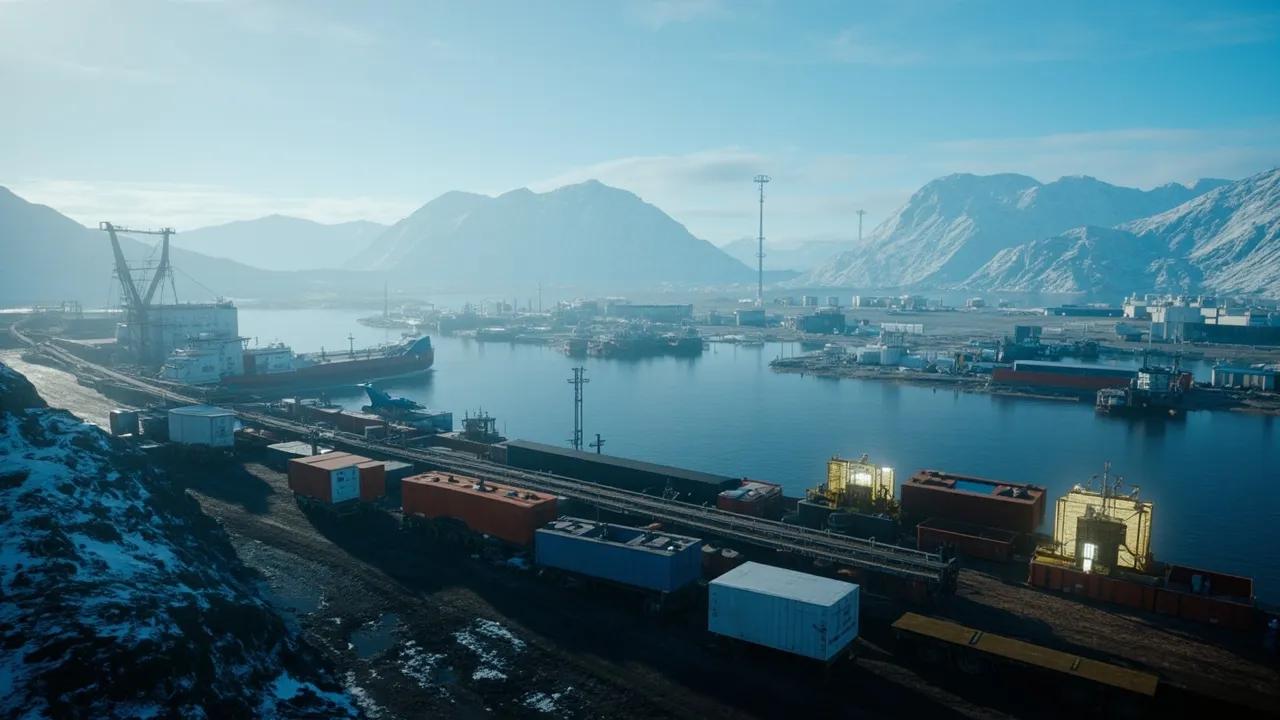
Alaska Is Becoming a Strategic Logistics Edge, Not Just a Remote Freight Challenge
Alaska's air cargo, energy, port, and remote-freight networks show why Arctic logistics now belongs in strategic supply chain planning.
CXTMS InsightsMay 18, 2026 · 7 min read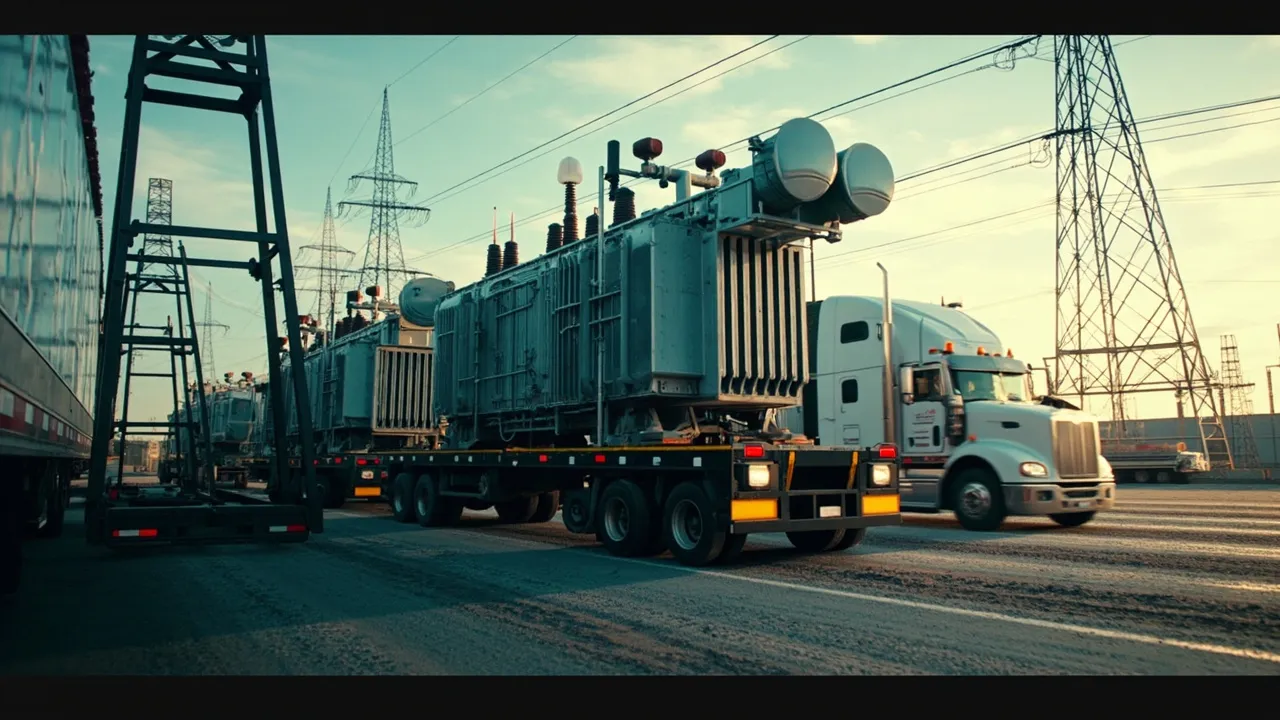
Canada’s Plan to Double Its Power Grid Is Really a Heavy-Haul Supply Chain Story
Canada’s plan to double grid capacity by 2050 will test heavy-haul transport, port access, permitting, supplier sequencing, and project logistics visibility.
CXTMS InsightsMay 18, 2026 · 6 min read