Canada’s Plan to Double Its Power Grid Is Really a Heavy-Haul Supply Chain Story

Canada’s plan to double its power grid by 2050 sounds like an energy policy story. For logistics teams, it is something more concrete: a 25-year heavy-haul, project-cargo, supplier-sequencing, permit-management challenge.
Supply Chain Brain reported that Canada is pursuing a long-term plan to double electricity-grid capacity by 2050 as part of a proposed C$1 trillion, or roughly US$730 billion, national strategy. The plan is built around rising electricity demand, industrial growth, critical minerals, battery manufacturing, transportation electrification, and modernized generation across hydro, solar, wind, nuclear, natural gas, and other sources.
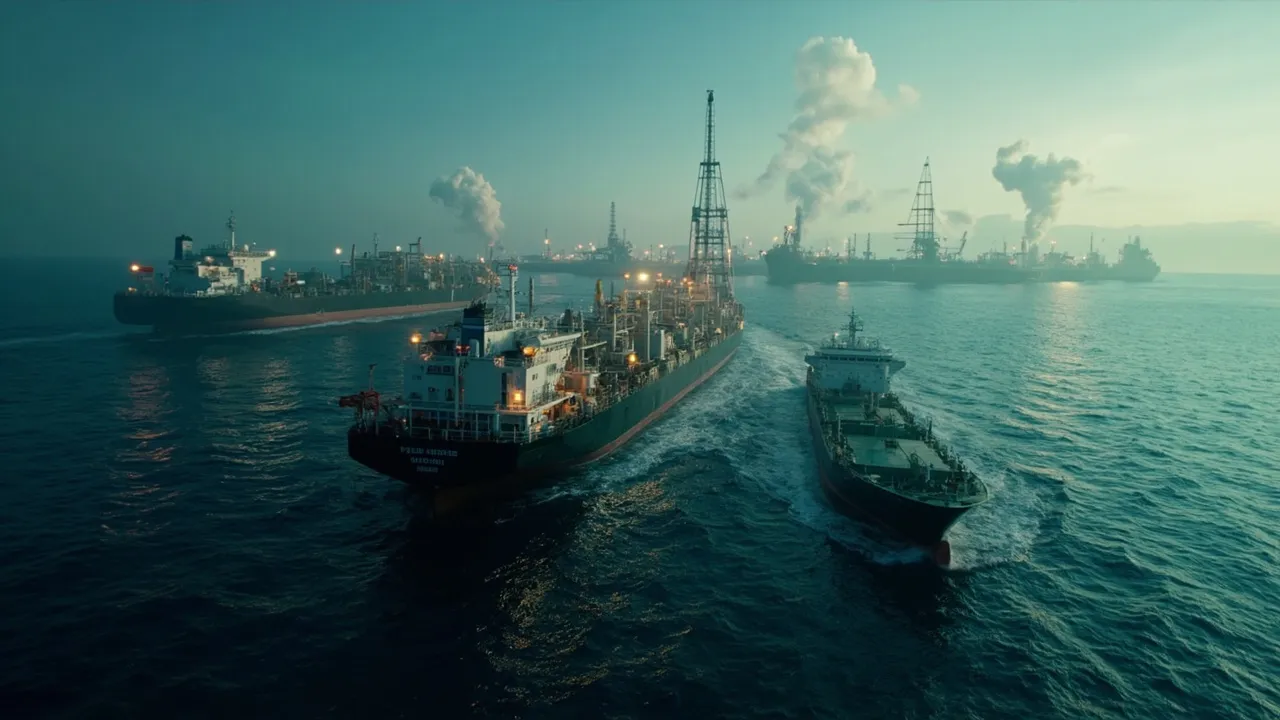
The headline number is massive. But the operational reality is even more demanding. Doubling grid capacity means moving transformers, turbines, cable reels, substations, steel structures, switchgear, construction equipment, and specialized crews across long distances, difficult terrain, congested ports, winter weather, rail corridors, and local permitting regimes.
Grid expansion will not be won by policy ambition alone. It will be won by logistics execution.
The grid buildout starts with physical bottlenecks
Energy planners tend to talk in megawatts, emissions intensity, capital investment, and demand curves. Transportation teams need to translate that into freight.
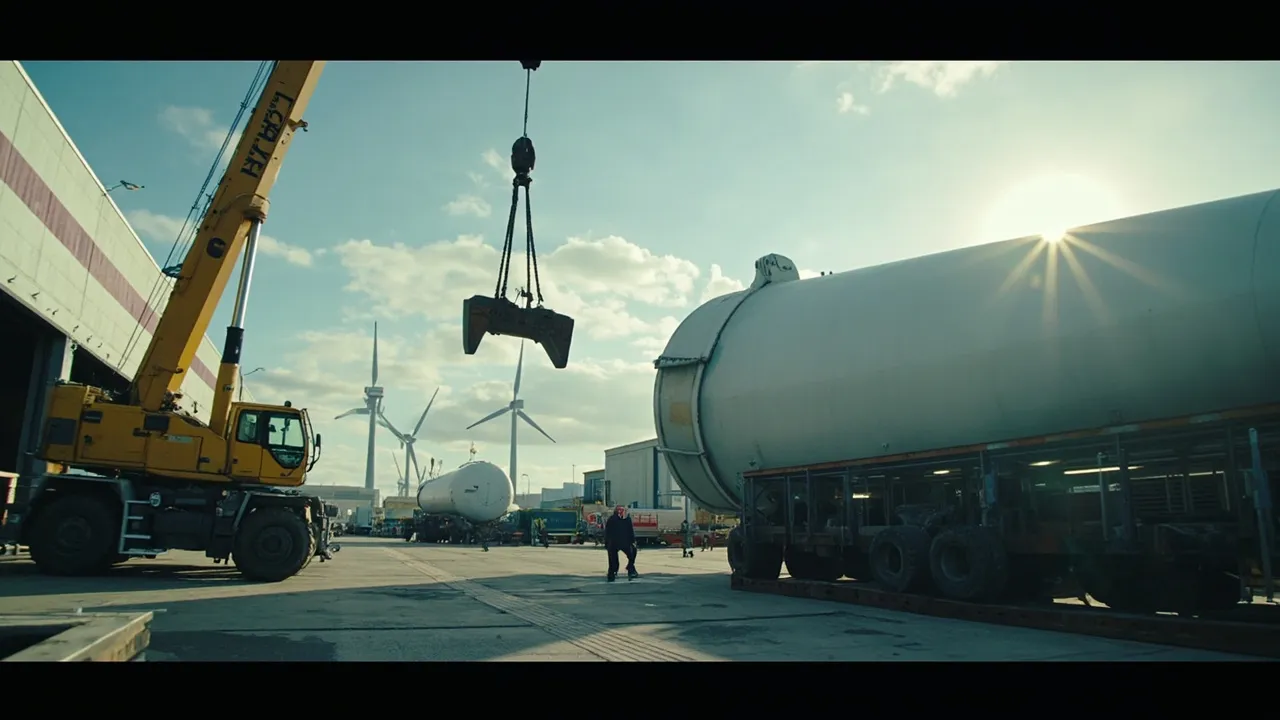
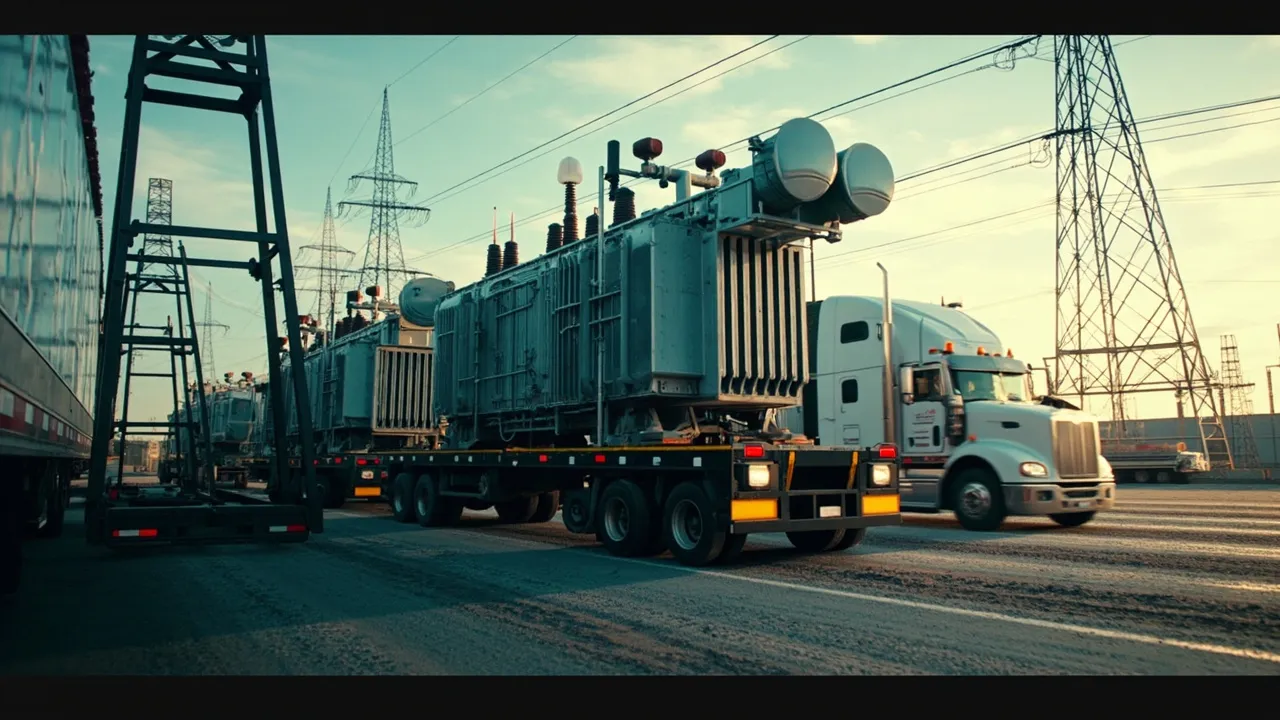
A single large transformer can require route surveys, bridge analysis, police escorts, utility line lifting, specialized trailers, rail clearances, barge planning, port crane availability, and precisely timed site access. Wind and hydro projects bring their own challenges: long blades, tower sections, oversize components, remote foundations, seasonal road limits, and staging yards that may be far from dense freight networks. Transmission projects add cable, poles, steel, and construction inputs that must arrive in the right order across hundreds of kilometers.
Supply Chain Brain cited International Energy Agency data showing global electricity consumption could rise by as much as 102%, and could even triple in some scenarios. That is the macro reason Canada wants more capacity. But for shippers, the more urgent question is whether the logistics network can absorb decades of abnormal cargo without turning every project into a one-off scramble.
The constraint is not just equipment availability. It is orchestration. Heavy-haul capacity, approved routes, customs documentation, port windows, rail handoffs, crane crews, winterization requirements, and construction milestones all have to line up. One late transformer can idle a site; one missed permit window can turn a planned move into a costly delay.
Remote and energy logistics require specialized networks
Canada’s grid challenge also has a geography problem. The country’s energy assets, mining opportunities, population centers, and industrial corridors do not sit neatly beside each other. Some projects will run through dense urban areas. Others will touch remote regions where infrastructure is limited, weather is unforgiving, and backup options are thin.
That is why lessons from northern logistics matter. Inbound Logistics described Alaska as a growing partner in global supply chains and energy markets, but emphasized that location alone is not enough. Infrastructure and specialized operating knowledge are what make difficult terrain commercially useful.
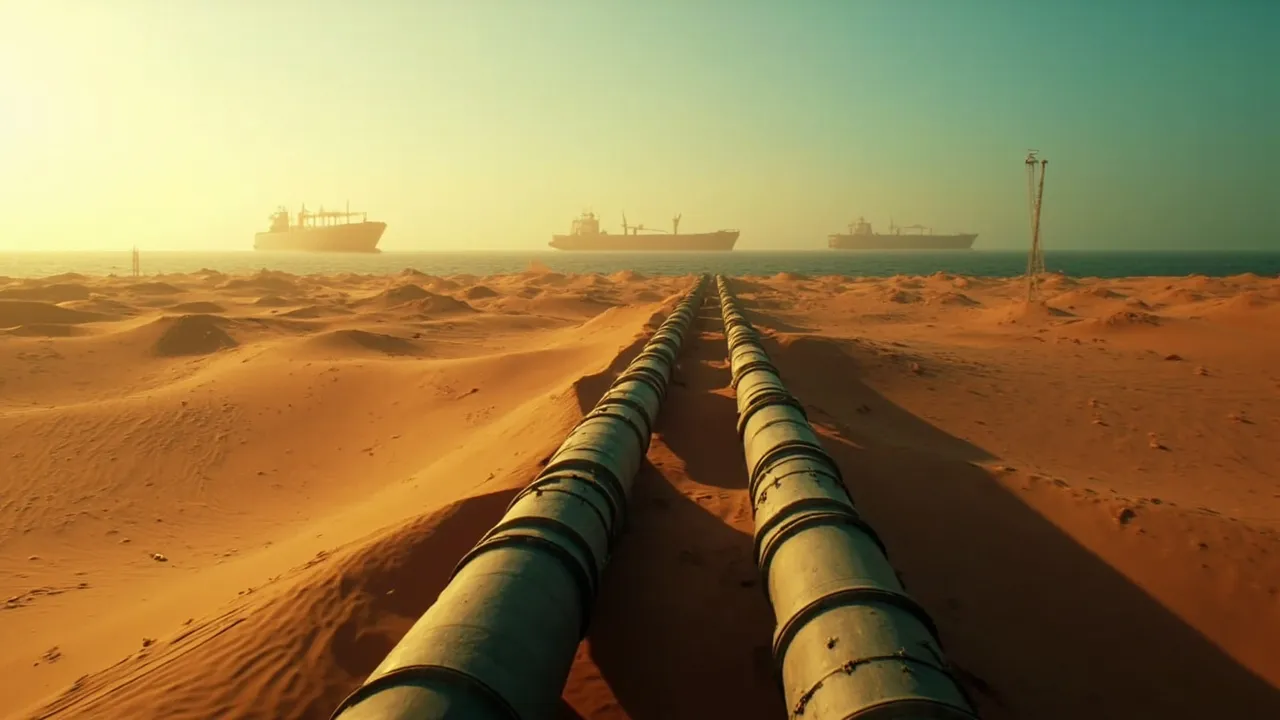
The numbers are instructive. Inbound Logistics reported that Anchorage functions as the fourth-largest air cargo hub in the world, supported by more than 100 freighter planes per day and roughly two million gallons of aviation fuel daily. It also highlighted the Trans-Alaska Pipeline System: an 800-mile pipeline built to withstand harsh winters and major earthquakes while crossing two mountain ranges and reaching more than 4,700 feet at its highest point.
Those examples are not Canada-specific, but the logistics principle transfers cleanly. Energy infrastructure is built where the resource, route, and politics allow it — not always where freight is easy. For Canadian grid projects, forwarders and energy shippers need more than rate quotes. They need proven heavy-haul partners, multimodal optionality, weather-aware planning, route engineering, and milestone visibility from fabrication through final delivery.
Supplier sequencing becomes a control-tower problem
The biggest mistake in grid logistics is treating each shipment as an isolated move. A transformer is not just a load. It is a dependency. So is a turbine component, a spool of cable, a substation enclosure, or a steel structure. Each one sits inside a construction sequence with labor crews, cranes, inspections, electrical work, civil engineering, and commissioning dates attached.
That makes grid expansion a control-tower problem.
Energy shippers should model project logistics around milestones, not only purchase orders. The practical questions are straightforward:
- Which components are long-lead items, and where are they in production?
- Which loads require heavy-haul permits, route surveys, escorts, or utility coordination?
- Which ports, rail ramps, or staging yards are exposed to congestion or weather disruption?
- Which shipments are critical path versus buffer inventory?
- Which suppliers need tighter status reporting because delay risk is high?
- Which cost overruns are driven by transport exceptions, detention, storage, rework, or standby labor?
Without that visibility, project teams find out too late: the cargo is at the wrong port, the road permit is not ready, the crane crew is booked, or the site cannot receive because civil work slipped. A multi-decade grid buildout needs structured shipment records, exception rules, document control, routing history, and cost-to-serve visibility.
Heavy-haul capacity will become strategic capacity
Canada’s power-grid plan should also change how logistics teams think about carrier procurement. Heavy-haul providers, specialized trailers, crane capacity, escort services, and project-forwarding expertise will become strategic capacity, not transactional capacity.
Grid investment will compete with mining, oil and gas, renewables, manufacturing, public infrastructure, and industrial construction for the same specialized resources. Project owners that wait until execution will pay more and move slower.
The better approach is to involve logistics early in capital planning. Before engineering teams lock equipment dimensions or procurement selects suppliers, transportation teams should pressure-test the freight reality. Can the component move through the selected port? Are inland routes viable? What seasonal restrictions apply? Where should staging inventory sit?
That is where logistics shifts from support function to project-risk management.
The CXTMS angle: manage grid logistics as a program
Grid expansion is not a shipment problem. It is a program problem.
CXTMS helps logistics teams manage complex energy and infrastructure moves with shipment-level visibility, milestone tracking, exception workflows, carrier performance data, and cost control in one execution layer. For heavy-haul projects, that means teams can monitor permits, handoffs, site-readiness events, supplier status, and transportation exceptions before a delayed component becomes a delayed energization date.
Canada’s plan to double its grid by 2050 is ambitious. The supply chain behind it will be just as ambitious: transformers, turbines, cable, steel, fuel, cranes, specialized labor, and thousands of coordinated moves over decades.
The winners will be the shippers and forwarders that treat energy infrastructure as a managed logistics program from day one.
Want to bring heavy-haul visibility, milestone tracking, and project logistics control into one workflow? Schedule a CXTMS demo and see how complex freight execution becomes easier to manage before the critical path is at risk.