Alaska Is Becoming a Strategic Logistics Edge, Not Just a Remote Freight Challenge

Alaska is too often treated as the place freight goes when everything gets difficult.
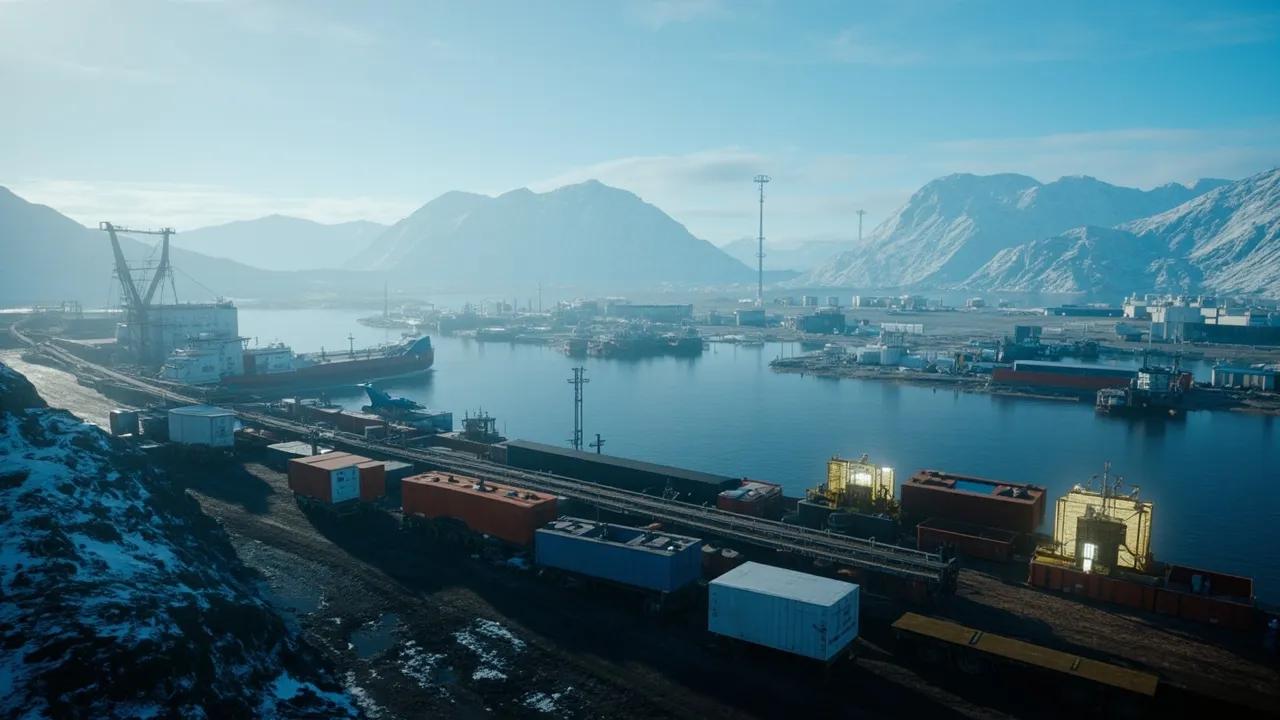
That view is outdated. The better way to read Alaska is as a strategic logistics edge: a geography where air cargo, energy infrastructure, port resilience, remote delivery, and multimodal execution all collide. As Inbound Logistics put it, the Last Frontier is taking off as a partner in global supply chains and energy markets — not because the terrain is easy, but because specialized infrastructure and operators have learned how to make it work.
Companies that understand Alaska only as a remote surcharge zone will miss the larger lesson: high-consequence lanes need purpose-built networks, not generic routing guides.
Location only matters when infrastructure can use it
Alaska's map position is powerful, but geography alone does not move cargo. The business case comes from combining location with infrastructure, operating discipline, and specialized assets.
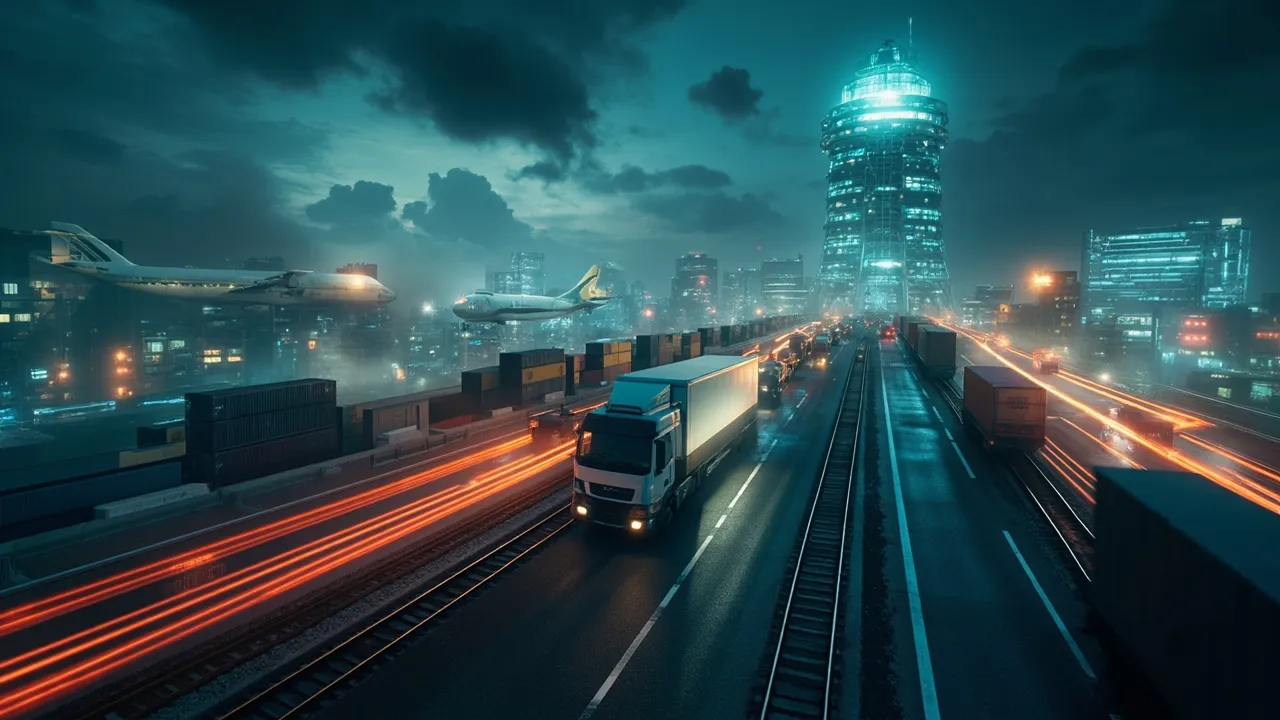
Inbound Logistics cited Ted Stevens Anchorage International Airport as the fourth-largest air cargo hub in the world, supported by Asia-U.S. trade flows that need fast intermediate refueling. The article reported that the airport handles more than 100 freighter aircraft per day and requires roughly two million gallons of aviation fuel daily to support those quick gas-and-go operations.
Those numbers explain why Alaska is more than a dot between continents. Fully loaded freighters need fuel, ramp space, handling capacity, and timing discipline to line up.
The same infrastructure logic applies on the energy side. The Trans-Alaska Pipeline System runs about 800 miles from Prudhoe Bay to the Port of Valdez, crossing two mountain ranges and reaching more than 4,700 feet at its highest point. It exists because routing crude through ice-packed waters or politically complicated alternatives was slower, riskier, and more expensive. The pipeline turned difficult terrain into an engineered logistics corridor.
That is the Alaska lesson in one sentence: strategy starts with geography, but execution depends on the operating layer built around it.
Remote freight rewards redundancy, not improvisation
Alaska also exposes a weakness in many transportation plans: they assume fallback options exist. In remote freight, sometimes they do not.
A separate Inbound Logistics report on Alaska's harsh operating conditions noted that more than 70% of Alaska's communities are served only by small aircraft or seasonal barges. That is not a minor service constraint. It changes inventory policy, project sequencing, emergency planning, and customer commitments.
If a community can only receive freight by seasonal barge, a missed sailing is not a simple reschedule. If air service depends on small aircraft, gravel strips, ice runways, or weather windows, standard parcel-style exception management is useless. If marine access is seasonal, shippers have to stage material earlier, consolidate intelligently, and know which freight deserves priority when capacity tightens.
The same article reported that Anchorage's metropolitan area contains nearly 40% of Alaska's roughly 740,000 residents, while the state itself is larger than Texas, California, and Montana combined. That combination — concentrated population, vast geography, and thin access points — makes network design brutally important.
Alaska lanes need redundancy built before disruption: prequalified carriers, alternate modes, weather-aware lead times, project buffers, and visible escalation rules.
Ports and energy freight raise the stakes
Ports are central to Alaska's logistics story because so much freight, fuel, and project cargo must move through constrained gateways. Inbound Logistics reported that the Don Young Port of Alaska in Anchorage handles about 75% of inbound cargo and fuel and serves 90% of the state's population. When one port carries that much consequence, modernization is not a local infrastructure story. It is a statewide supply chain risk issue.
That connects directly to a broader port trend. In its article on the future of seaports, Inbound Logistics argued that land constraints are pushing ports toward densification, modernization, predictive analytics, integrated communications, and sustainability investment rather than endless physical expansion.
Alaska makes that argument sharper. In a remote market, port congestion or infrastructure weakness does not just add dwell time. It can affect fuel availability, construction schedules, retail replenishment, seafood exports, mining projects, and community resupply. The cost of delay travels farther because the network has fewer substitutes.
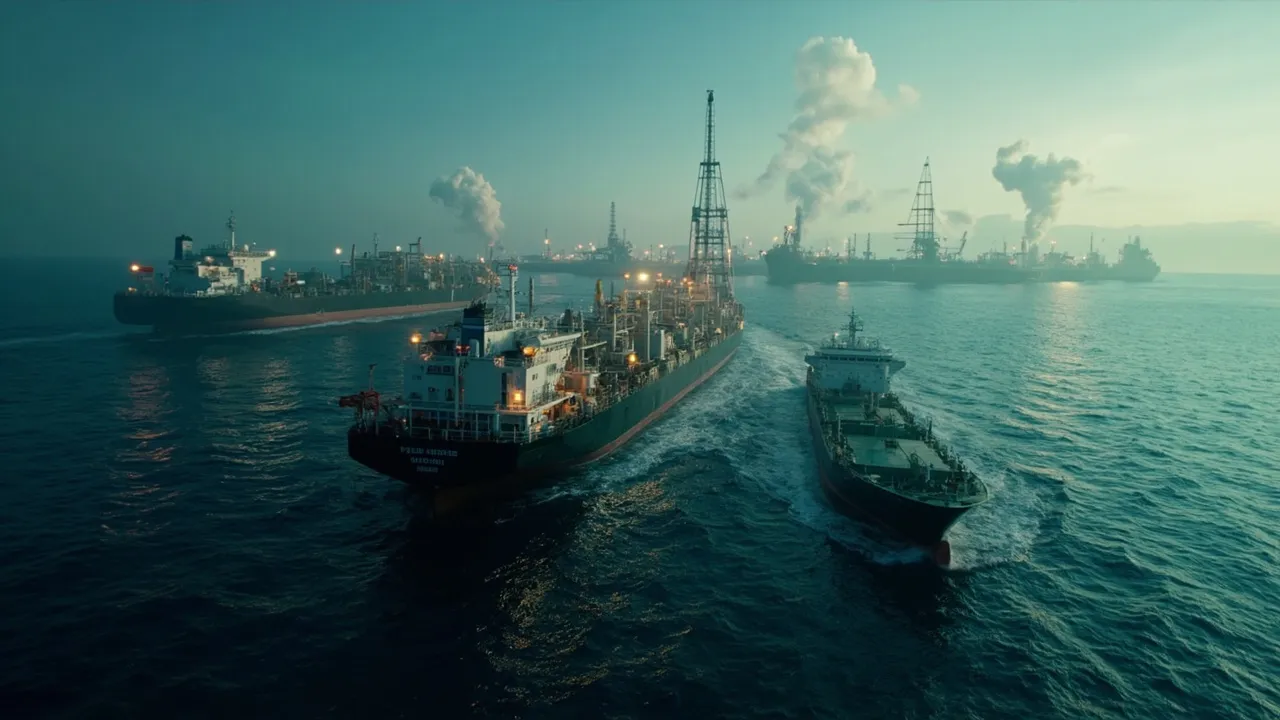
Energy logistics raises the stakes again. Oil and gas, mining, utilities, and infrastructure projects require oversized freight, safety documentation, permits, seasonal planning, and strict handoffs between modes. A late transformer, drilling component, fuel shipment, or construction module can hold up an entire project site.
That is why Alaska belongs in strategic supply chain conversations even for companies that do not ship there every week. It is a live case study in how to operate when lanes are long, alternatives are limited, and failure is expensive.
Forwarders need an Arctic-ready operating model
An Alaska-ready forwarder does not simply quote a rate and hope the carrier figures it out. The operating model has to be designed for cold weather, long distances, limited infrastructure, and multimodal dependencies.
The essentials include:
- Carrier networks that know Arctic and sub-Arctic conditions
- Ocean, barge, truck, and air options mapped by season
- Customs, security, hazmat, and project documentation controls
- Inventory and milestone buffers for weather-sensitive routes
- Visibility into handoffs between ports, airports, service centers, and remote delivery points
- Exception playbooks for missed sailings, airport delays, road closures, and equipment failures
A control tower cannot melt ice or create dock space where none exists. But it can make the operating reality visible early enough for people to act.
If a project shipment is waiting on a barge cutoff, the team should know before the cutoff passes. If an air leg is at risk because cargo dimensions do not match aircraft availability, that exception should not live in one dispatcher's inbox. If a port delay threatens downstream installation work, the project manager should see the cost and schedule impact immediately.
Alaska logistics rewards teams that connect planning and execution. It punishes teams that treat transportation as a series of isolated bookings.
Alaska is a preview of harder logistics networks
The strategic value of Alaska is not only its location between North America and Asia, its energy resources, or its air cargo role. Its real value is what it teaches about resilient freight networks.
More global supply chains are starting to look Alaska-like in specific ways: longer detours, climate disruption, political risk, port constraints, energy infrastructure demand, and customers with less tolerance for uncertainty. Broader logistics coverage from Supply Chain Dive shows the same operating theme across markets: resilience increasingly depends on visibility, contingency planning, and faster exception decisions. The companies that can manage remote, multimodal, high-consequence freight will have an advantage far beyond one state.
CXTMS helps logistics teams manage that complexity with shipment visibility, carrier coordination, milestone tracking, exception workflows, and transportation control-tower reporting. For Alaska-style freight — and for any lane where failure is expensive — the goal is not just to know where the load is. It is to know what the next risk is and who needs to act.
If your remote or project logistics still depend on spreadsheets, phone trees, and heroic expediting, the network is telling you something. Schedule a CXTMS demo to see how multimodal visibility and exception management can make hard lanes easier to control.