Few Tankers Entering Hormuz Make Floating LNG Storage a Delivery-Schedule Risk

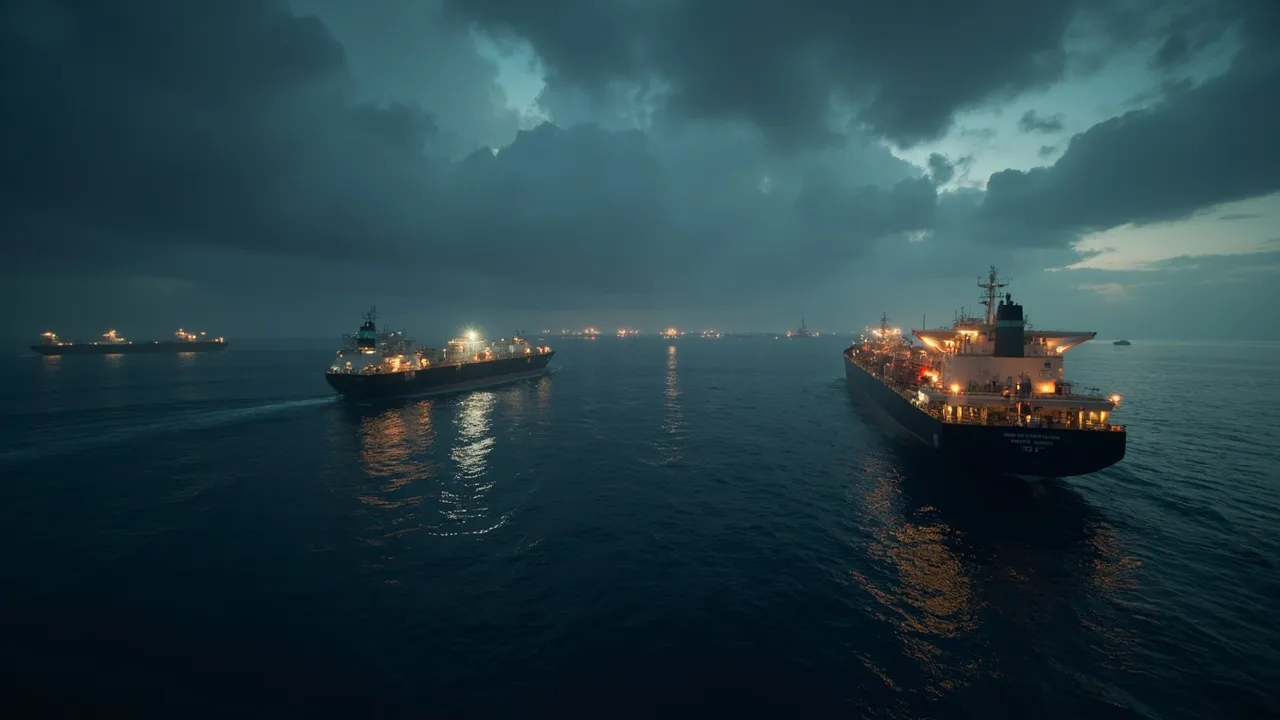
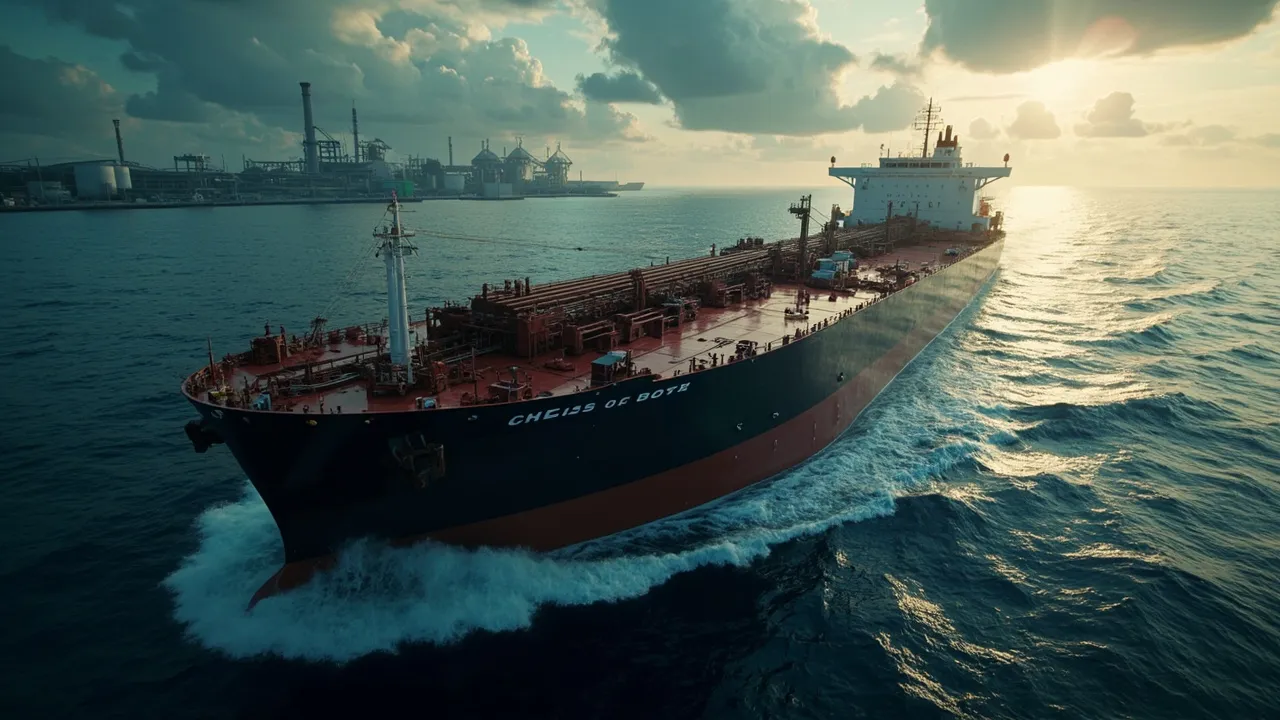
A tanker’s map position can look stable while its commercial schedule is coming apart. That distinction matters in the Strait of Hormuz, where reduced traffic has left laden LNG carriers waiting inside the Gulf rather than completing their planned voyage cycles.
Reuters reported that only four vessels crossed Hormuz on Sunday, down from eight the previous day, based on LSEG data. No LNG tanker had been visible passing through the strait since Thursday. S&P Global estimated that seven laden Qatari LNG carriers were holding about 0.57 million metric tons of LNG as of mid-July, while nearly 1.9 million tons of LNG tanker capacity was positioned inside the Gulf.
Those figures describe more than a maritime traffic slowdown. They show cargo, vessel capacity, terminal plans, and customer inventory becoming trapped in the same exception.
Floating Storage Consumes the Next Voyage
A laden carrier waiting at anchor is effectively floating storage, but it is expensive and operationally inflexible storage. The cargo cannot replenish its destination market, and the ship cannot return for its next loading cycle.
That creates four connected consequences.
First, vessel availability falls. A carrier delayed inside the Gulf cannot arrive at its next terminal as planned. Charterers may need to secure replacement tonnage in a market where other vessels face the same constraint.
Second, demurrage and charter exposure grows. The responsible party depends on the charter terms and cause of delay, but the meter does not wait for operations teams to settle that argument. Companies need a timestamped record of instructions, notices, waiting events, and contractual milestones.
Third, terminal slots become unstable. A delayed departure can block loading plans at origin, while an uncertain arrival can waste a discharge slot downstream. Terminals, agents, buyers, and vessel operators may each hold a different version of the estimated schedule.
Fourth, downstream inventory cover shrinks. The product exists and may even be fully loaded, but it is unavailable to the receiving network. Procurement teams must decide whether to draw down storage, buy replacement supply, swap cargoes, or change discharge destinations.
This is why “vessel at anchorage” is not a sufficient status. The commercial question is what that anchorage time has already invalidated.
Convert Waiting Time Into Escalation Thresholds
Energy shippers should define thresholds before a disruption forces hurried judgment. Four variables provide a workable escalation structure.
Days afloat: Set warnings against the original voyage plan, not only the latest revised ETA. An initial alert might trigger after 24 hours without meaningful progress, followed by commercial review at 48 or 72 hours. The appropriate timing depends on charter terms and destination inventory.
Berth and transit certainty: A revised time is useful only when supported by an achievable transit window and a confirmed terminal slot. A sequence of uncommitted ETAs should raise the exception level rather than continually resetting the clock.
Inventory cover: Connect the delayed cargo to days of usable stock at the receiving location. A seven-day voyage delay is manageable with 30 days of cover and critical with five. Inventory cover turns a vessel event into a service and procurement decision.
Alternate discharge options: Identify ports that can accept the vessel and product, then test draft, berth compatibility, storage capacity, customs treatment, buyer approval, and onward transport. A nearby port is not a viable alternative until those constraints resolve.
The thresholds should launch named actions. A warning can request a validated ETA and terminal confirmation. A higher level can begin replacement-supply pricing, alternate-port evaluation, customer notification, or executive approval for a diversion. Every action needs an owner and deadline.
Separate Location Visibility From Decision Visibility
Automatic identification system data can show that a tanker remains in roughly the same location. It cannot, by itself, explain whether the vessel is waiting for security clearance, transit permission, berth availability, sailing instructions, or a commercial decision.
Decision visibility combines the location event with:
- the voyage plan and last accepted ETA;
- cargo quantity, title, buyer, and destination;
- charter milestones and exposure;
- terminal nominations and slot confirmations;
- inventory cover at the receiving node;
- alternate discharge feasibility; and
- the latest instruction, owner, and approval.
That record lets teams distinguish three states: observed delay, commercially material delay, and intervention required. Without those distinctions, dashboards produce awareness but still leave operators coordinating decisions through email and calls.
The wider disruption environment makes disciplined escalation more important. Supply Chain Dive notes that volatile trade policy, tightening capacity, cargo theft, geopolitical conflict, and market conditions are creating a recurring barrage of transportation challenges. Its July outlook also describes the Hormuz closure as having more than a ripple effect on fuel pricing—the impact is immediate.
Preserve the Commercial Timeline
When a voyage resumes, the exception record should not disappear. Shippers need the original schedule, every revised estimate, the evidence behind decisions, notices sent, alternate options considered, approvals received, and final cost and service outcome.
That timeline supports demurrage review, customer communication, carrier performance analysis, and future threshold tuning. It also prevents teams from judging a decision using information that was unavailable when it was made.
CXTMS helps freight forwarders and logistics teams connect live shipment milestones with documents, exception owners, customer commitments, and operational decisions. For energy cargoes, that means a tanker position can trigger a controlled workflow tied to the voyage’s actual commercial exposure.
Ready to turn maritime visibility into faster, accountable intervention? Request a CXTMS demo to see how connected transportation data can keep high-value freight exceptions on schedule and under control.