The LPG Shuttle Trade: How Ship-to-Ship Transfers Are Rewriting US–Asia Routing

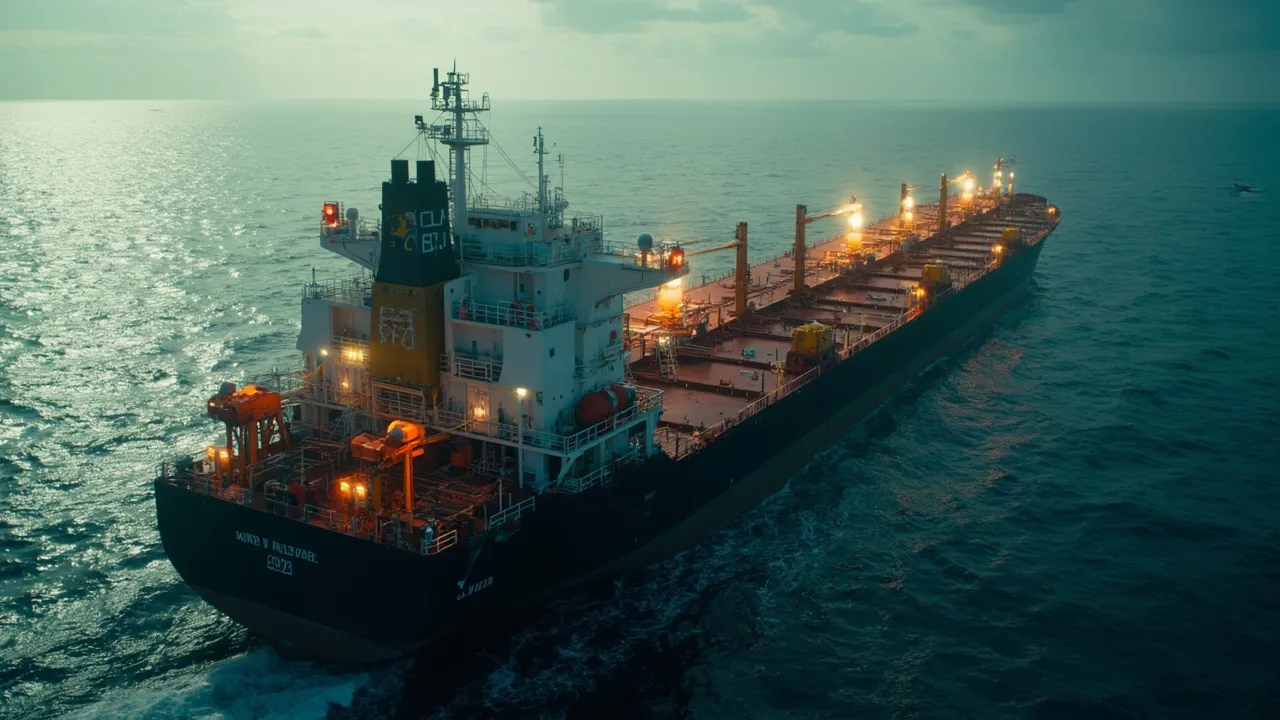
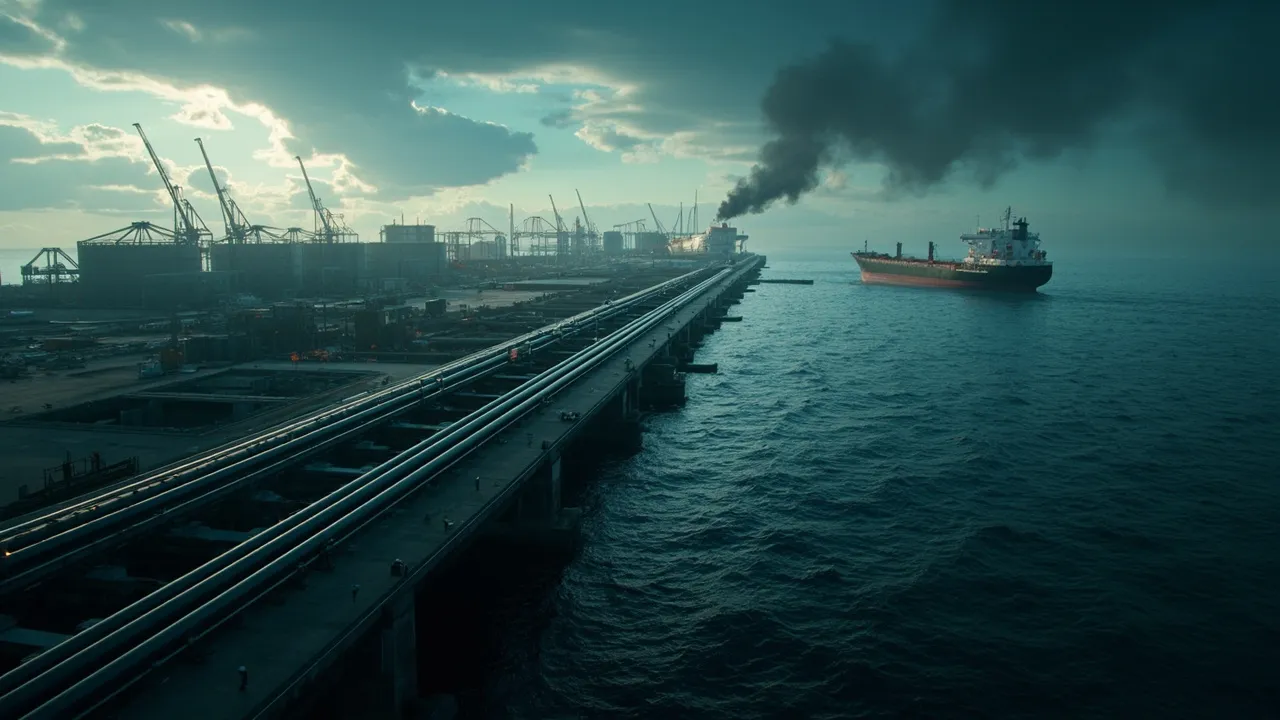
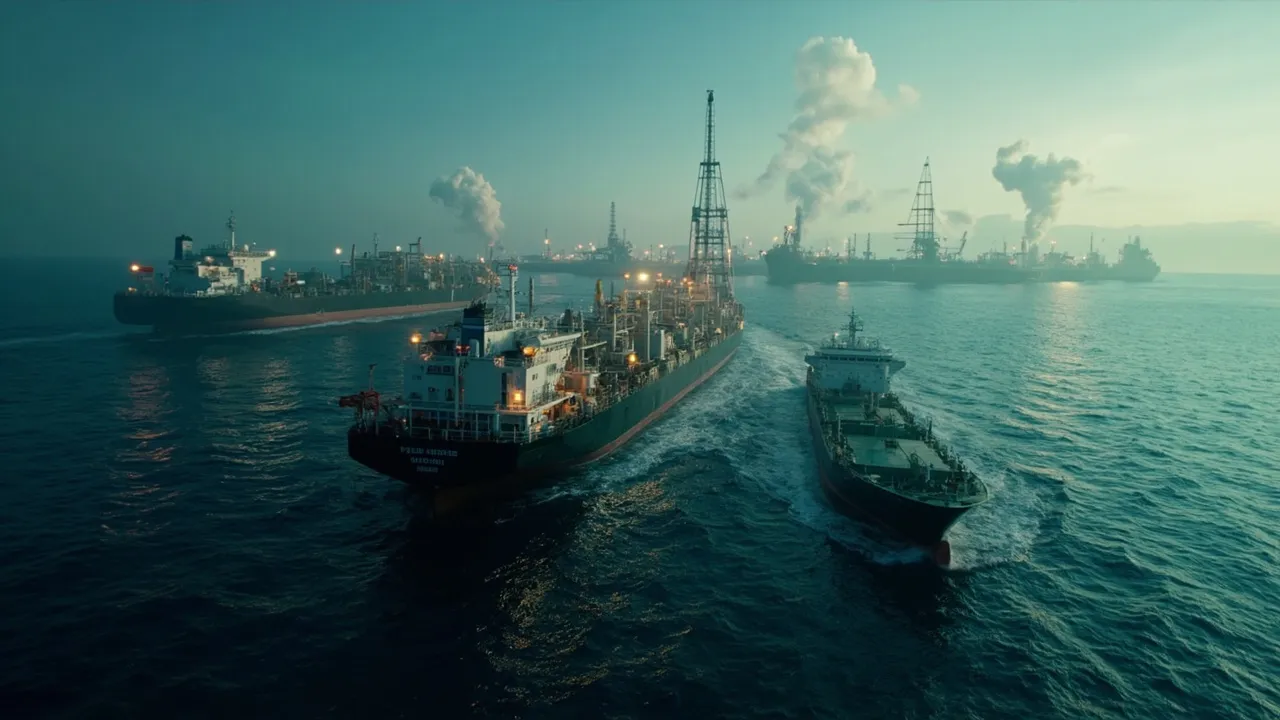
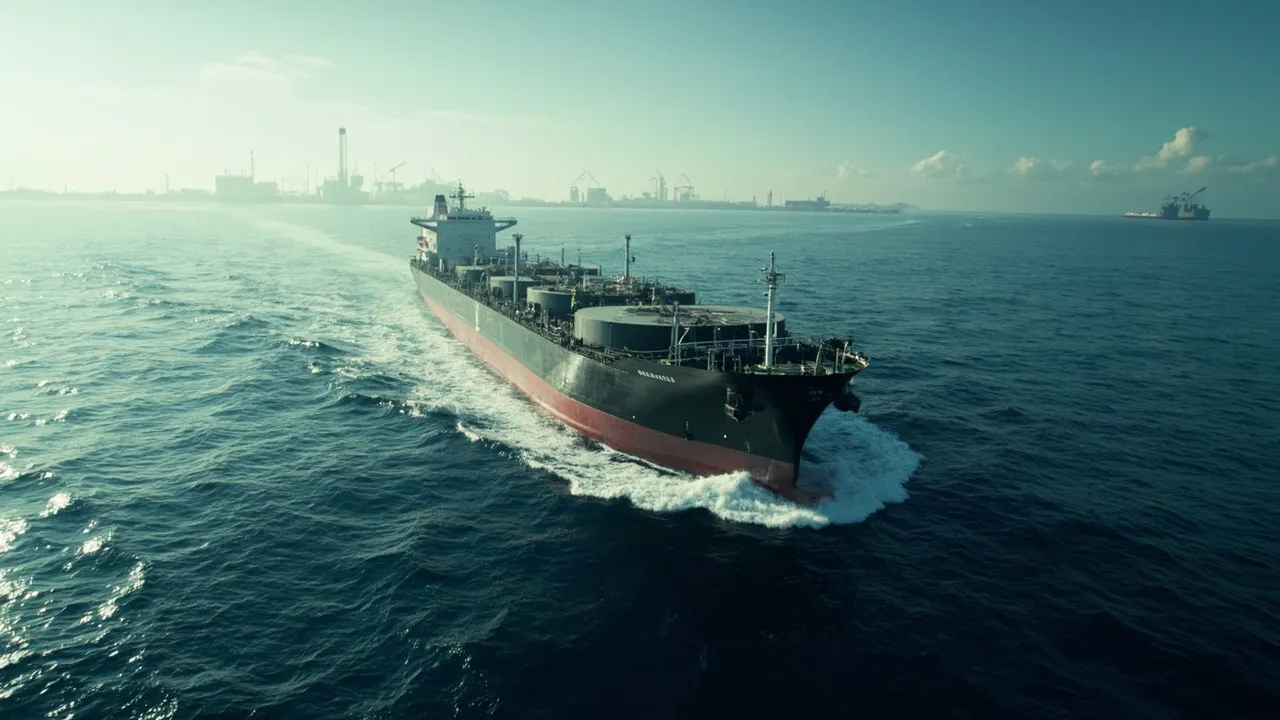
The most efficient route for U.S. liquefied petroleum gas exports to Asia is no longer necessarily a single vessel sailing from the Gulf Coast through the Panama Canal. Record canal costs and tightening draft limits are creating a new operating model: a narrower Panamax tanker crosses the canal, then transfers its LPG to a larger Neopanamax vessel waiting near Panama's Pacific coast.
This emerging shuttle trade can reduce exposure to expensive Neopanamax transit slots, but it replaces one voyage with a tightly coordinated chain of custody. The commercial opportunity is real. So are the operational risks.
Why the shuttle model is emerging
The traditional Gulf Coast-to-Asia LPG route favors very large gas carriers using the Neopanamax locks. Those vessels provide scale across the Pacific, but their economics can unravel when canal access becomes scarce.
SupplyChainBrain reports that the fee for a Neopanamax tanker arriving without a reservation and seeking immediate passage recently reached an all-time high of $4.6 million. Panamax tankers use a separate lock system, and traders reported that their rates had not risen as sharply. That difference creates room to pay for an additional transfer while preserving the long-haul efficiency of a larger mother vessel.
Demand also supports the experiment. Approximately 60% of U.S. LPG exports have moved to Asia so far in 2026, compared with 55% for all of 2025, according to Kpler data cited by SupplyChainBrain. Chevron-chartered vessels Fritzi N and Pacific Yantai were scheduled to receive LPG near Balboa from vessels that had crossed the canal, providing a visible example of the model moving from theory into execution.
Water constraints add another variable. Supply Chain Dive reported that the maximum authorized Neopanamax draft will fall to 48 feet on August 26 and 47.5 feet on September 3. Those are the canal's fourth and fifth draft adjustments of the season. In the container market, related surcharges ranged from $130 to $500 per TEU, illustrating how quickly canal constraints propagate into transportation pricing.
Shuttle economics versus direct routing
The shuttle is not automatically cheaper. Its business case depends on comparing the full landed voyage cost under three scenarios.
Direct canal transit retains the simplest custody chain and avoids transfer costs, but exposes the shipper to booking uncertainty, auction premiums, waiting time, draft restrictions, and potentially punitive last-minute fees.
Panamax shuttle plus Pacific mother vessel adds charter overlap, transfer equipment, marine services, surveyors, insurance requirements, and potential cargo loss. In return, it can avoid a high Neopanamax canal charge and keep the larger vessel deployed on the long Pacific leg where its capacity is most valuable.
Alternate long-haul routing around the Cape of Good Hope avoids Panama entirely but adds sailing days, fuel consumption, emissions, crew time, and inventory in transit. It may remain the fallback when canal access or safe transfer conditions are unavailable, but it is rarely a neutral substitution.
Planners should model probability-weighted cost, not just the quoted canal toll. A useful comparison includes expected waiting days, demurrage exposure, transfer cancellation probability, weather delay, boil-off or handling loss, and the downstream cost of missing the Asian delivery window.
The transfer point becomes a control tower problem
A ship-to-ship operation concentrates risk into a few critical hours. The mother vessel, shuttle tanker, cargo, transfer team, authorities, and documentation must all arrive in a coordinated sequence.
Custody should be defined before either vessel sails. Contracts need to specify exactly when title and risk transfer, which measurement governs the delivered quantity, how temperature and pressure corrections are applied, and which party absorbs transfer loss. Independent surveyor reports should be attached to the shipment record rather than exchanged through disconnected email threads.
Safety readiness is equally important. Both vessels require compatible manifolds, hoses, fendering, emergency shutdown protocols, mooring plans, and agreed communication channels. Weather and sea-state limits must be explicit, with a named authority empowered to stop the operation. A cheap transfer is not cheap if commercial pressure overrides a safety threshold.
Scheduling requires more than matching estimated arrival times. Operators should continuously track berth or anchorage availability, canal passage, vessel speed, bunker status, transfer duration, weather windows, and onward delivery commitments. When one ETA changes, every party needs the same revised plan.
Documentation must also survive the handoff. Bills of lading, certificates of quantity and quality, dangerous-goods records, customs filings, statements of facts, and inspection evidence need consistent cargo-batch identifiers. A mismatch between the physical movement and commercial documents can delay discharge long after a technically successful transfer.
A voyage-control checklist
For each shuttle movement, logistics teams should maintain one operational record covering:
- Mother vessel: IMO number, capacity, ETA, anchorage, readiness status, next port, and delivery window.
- Shuttle vessel: IMO number, canal booking, draft, cargo quantity, passage status, ETA, and remaining fuel.
- Cargo batch: product grade, origin tank, quantity, temperature, pressure, quality certificate, and batch identifier.
- Transfer readiness: permits, fenders, hoses, surveyor, mooring master, weather limits, emergency contacts, and go/no-go approval.
- Handoff evidence: start and stop times, meter readings, samples, loss calculation, signed survey, statement of facts, and exception photos.
- Exception ownership: named owner, response deadline, cost exposure, customer impact, and approved recovery plan.
The crucial design principle is linkage. A status dashboard that tracks two ships without connecting them to the same cargo batch and evidence package creates visibility without control.
From workaround to repeatable network option
The LPG shuttle trade may remain a niche response to extraordinary canal pricing, or it may become a recurring routing option during droughts and demand surges. Either way, forwarders and energy shippers should build the workflow before the next urgent booking decision.
CXTMS brings vessel milestones, cargo records, documents, costs, and exceptions into one shipment workspace, giving operations teams a consistent way to manage multi-vessel handoffs. Request a CXTMS demo to see how a transportation control tower can support complex maritime routing without losing the chain of custody.