Iraq's Syria Fuel-Oil Route Shows New Trade Lanes Need a Chain-of-Custody File

A new export corridor can solve a capacity problem and create an evidence problem at the same time.
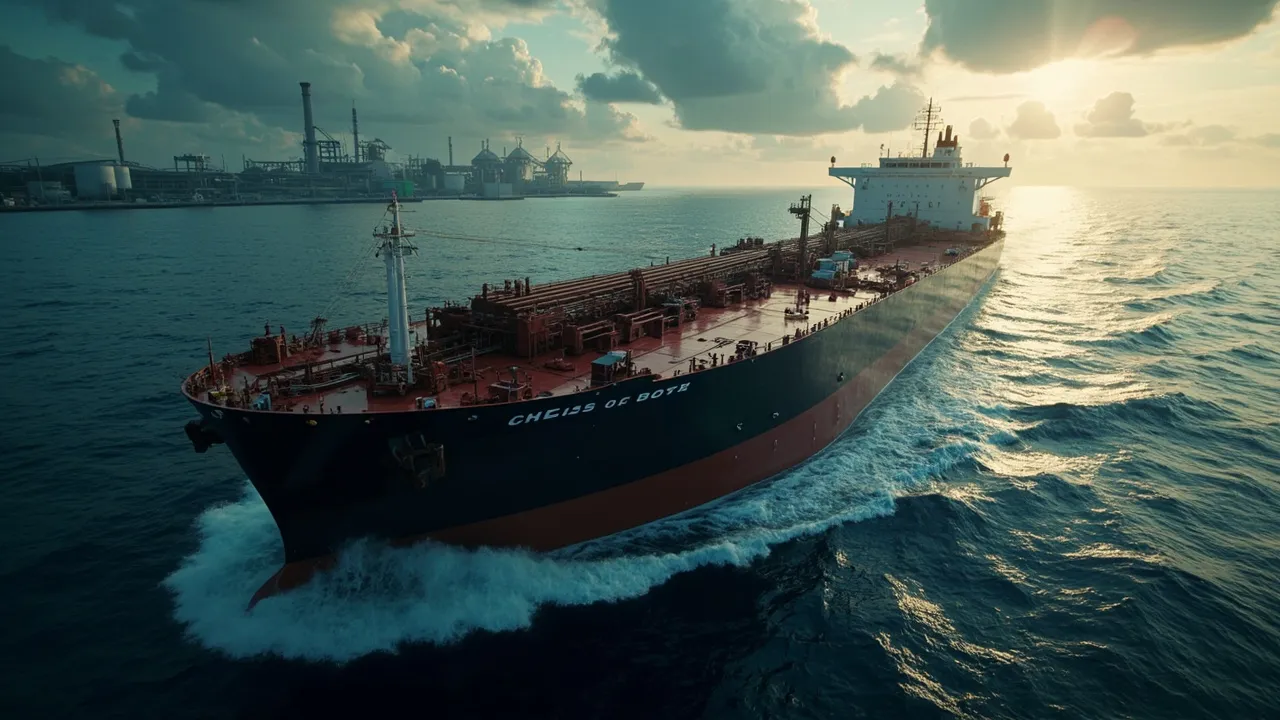
Reuters reported that the United States received its first fuel-oil cargoes shipped through Syria as Iraq began using a new export route. The movement gives Iraqi supply another path to international buyers, but it also introduces unfamiliar border, terminal, storage, vessel, and counterparty handoffs.
That matters because bulk cargo is blended, stored, transferred, and commercially reassigned in ways that can make a simple origin statement inadequate. A viable route needs more than available trucks, tanks, and berths. It needs a shipment-level file showing what moved, whose custody it entered, where it was held, how its identity was preserved, and why each release was authorized.
An Unfamiliar Lane Multiplies the Handoffs
On an established route, teams often rely on known counterparties and repeat procedures. A new Iraq-to-Syria corridor has to prove those assumptions from scratch.
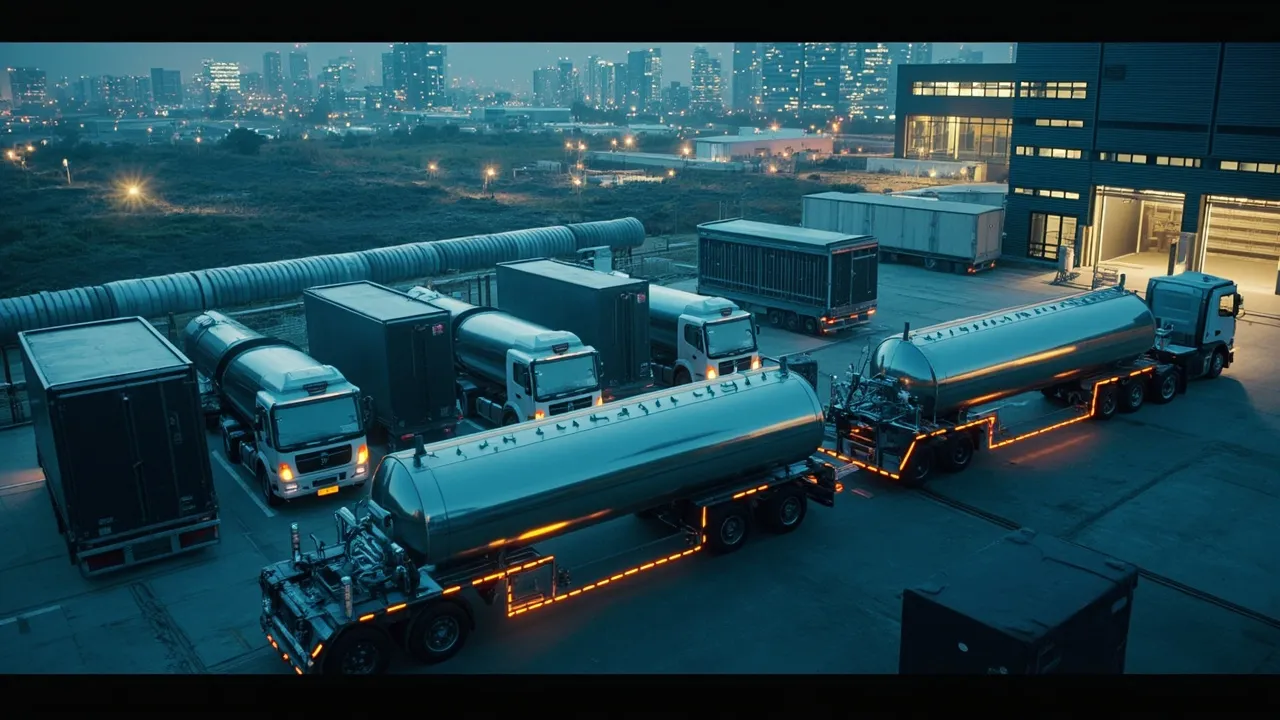
The operating record begins at the Iraqi loading point: producer or refinery identity, tank number, product specification, measured quantity, seal data, and the party authorizing dispatch. It then follows the inland movement with vehicle, driver, border crossing, timestamps, seal checks, and any transloading event.
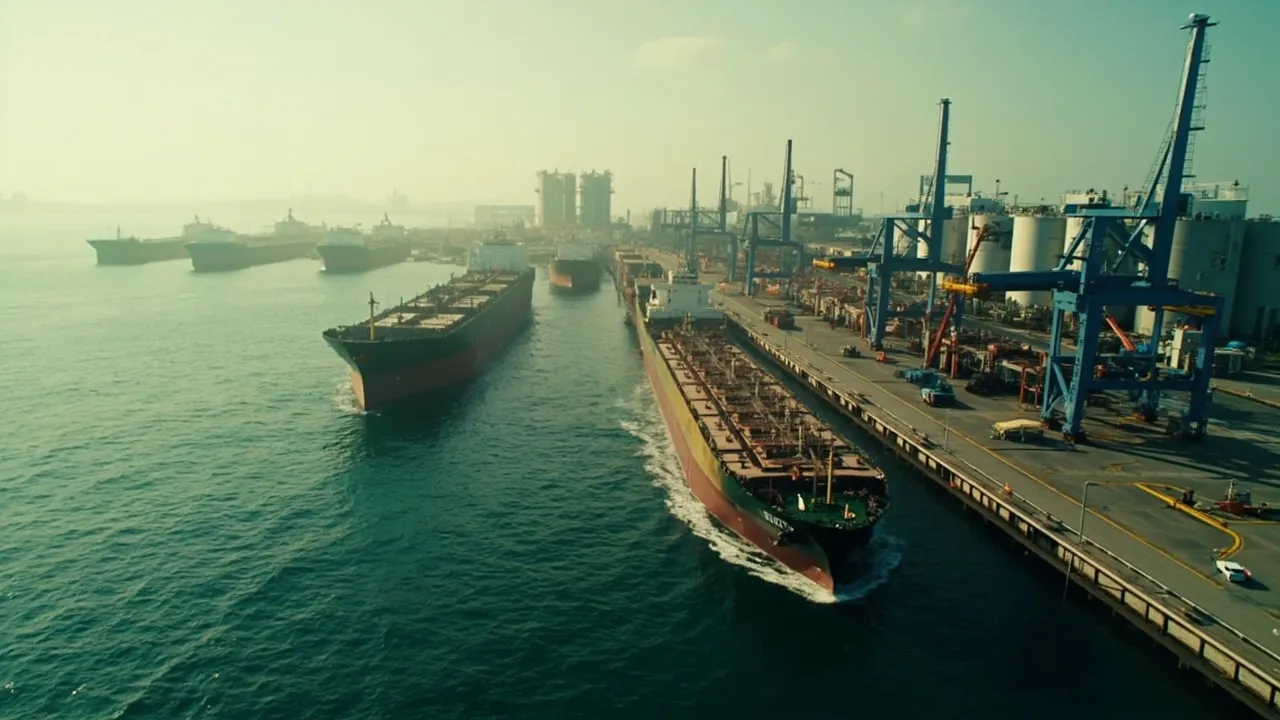
At the Syrian terminal, the file must connect receipt quantity to the destination tank, sampling and inspection results, storage movements, and the nominated vessel. The final marine transfer adds berth records, meter or shore-tank figures, bills of lading, certificates of quantity and quality, vessel identity, ownership checks, and departure data.
These are not administrative extras. Each handoff is a place where product identity, quantity, compliance status, or liability can separate from the physical cargo.
The scale of Syria's recent oil flows shows why the controls must work across multiple cargoes rather than a one-off spreadsheet. In a separate investigation, Reuters found that Russia supplied Syria with 16.8 million barrels in 2025, equivalent to about 46,000 barrels per day, across 19 cargoes shipped from February 28 through December 31. A port and storage network handling repeated, mixed-origin movements needs records capable of keeping each parcel's commercial identity intact.
Sanctions Relief Does Not Eliminate Screening
Compliance teams should avoid reducing the question to whether “Syria is sanctioned.” That country-level label is too blunt for a route involving multiple entities, vessels, owners, banks, terminals, and product interests.
The legal environment has changed materially. The European Union lifted its economic sanctions on Syria in May 2025, while retaining measures aimed at members of the former Assad administration and restrictions imposed on security grounds, according to Reuters. The United States also terminated its Syria sanctions program in 2025. Those changes can enable legitimate trade, but they do not remove the need to screen named parties, beneficial owners, vessels, banks, and the transaction itself.
Screening should occur at defined gates:
- before accepting the booking or purchase;
- before dispatch from the Iraqi origin;
- before terminal receipt and tank allocation;
- when a vessel is nominated or substituted;
- before loading and document release; and
- before payment or title transfer.
Every result needs a timestamp, the data checked, the lists or rules applied, the reviewer, and the disposition. A screenshot showing “no match” is weaker than an auditable record tied to the exact legal entity and vessel identifiers used at that moment.
Quality and Origin Need the Same Event Timeline
Compliance evidence and cargo-quality evidence are often managed in different systems. On a new bulk route, they belong on the same timeline.
A buyer needs to connect the Iraqi origin certificate and loading sample to the quantity received in Syria. If the cargo enters shared storage, the terminal should record the tank's prior contents, movements in and out, and rules used to preserve or calculate product identity. Independent inspection should reconcile shore figures, vessel figures, samples, and tolerances.
The record should also capture exceptions rather than overwrite them. A broken seal, quantity variance, off-spec result, tank change, vessel substitution, or delayed border crossing needs an owner, investigation, approval, and supporting document. Otherwise, the final bill of lading may look complete while the underlying custody chain contains an unexplained gap.
This is also an insurance issue. Underwriters and protection-and-indemnity providers may ask who controlled the cargo, whether the vessel and counterparties passed screening, where blending occurred, and which documents support declared origin. Event-level evidence allows the shipper to answer those questions without reconstructing the voyage from scattered emails.
A Launch Checklist Before Volume Scales
Forwarders and commodity logistics teams can test a new corridor with six controls:
- Map every custody point. Name the legal and operating party responsible from origin tank through vessel loading and final delivery.
- Define the minimum document set. Include origin, quantity, quality, transport, customs, terminal, vessel, insurance, and title records.
- Set screening gates. Specify when parties and assets are rescreened and what changes force a new review.
- Reconcile quantities. Establish measurement methods, tolerances, loss rules, and escalation thresholds before the first movement.
- Control substitutions. Require approval for changes to trucks, tanks, terminals, vessels, banks, buyers, or intermediaries.
- Run a closeout audit. Test whether one reviewer can trace the cargo from Iraqi dispatch to buyer delivery using a single indexed file.
The pilot is not complete when the cargo sails. It is complete when operations, compliance, finance, insurance, and the customer can independently verify the same chain of events.
CXTMS helps logistics teams connect milestones, parties, documents, screening decisions, and exceptions in one shipment record. Request a CXTMS demo to see how a controlled chain-of-custody workflow can make new trade lanes scalable without making their risks invisible.