Drayage
13 posts tagged with “Drayage”

Intermodal Records Meet a 63,000-Driver Gap: Treat Drayage as the Rail Capacity Constraint
Record intermodal volumes can conceal a drayage bottleneck. Learn how to qualify lanes around terminal, chassis, appointment, driver-hour, and receiving constraints.
 CXTMS InsightsOctober 3, 2026 · 5 min read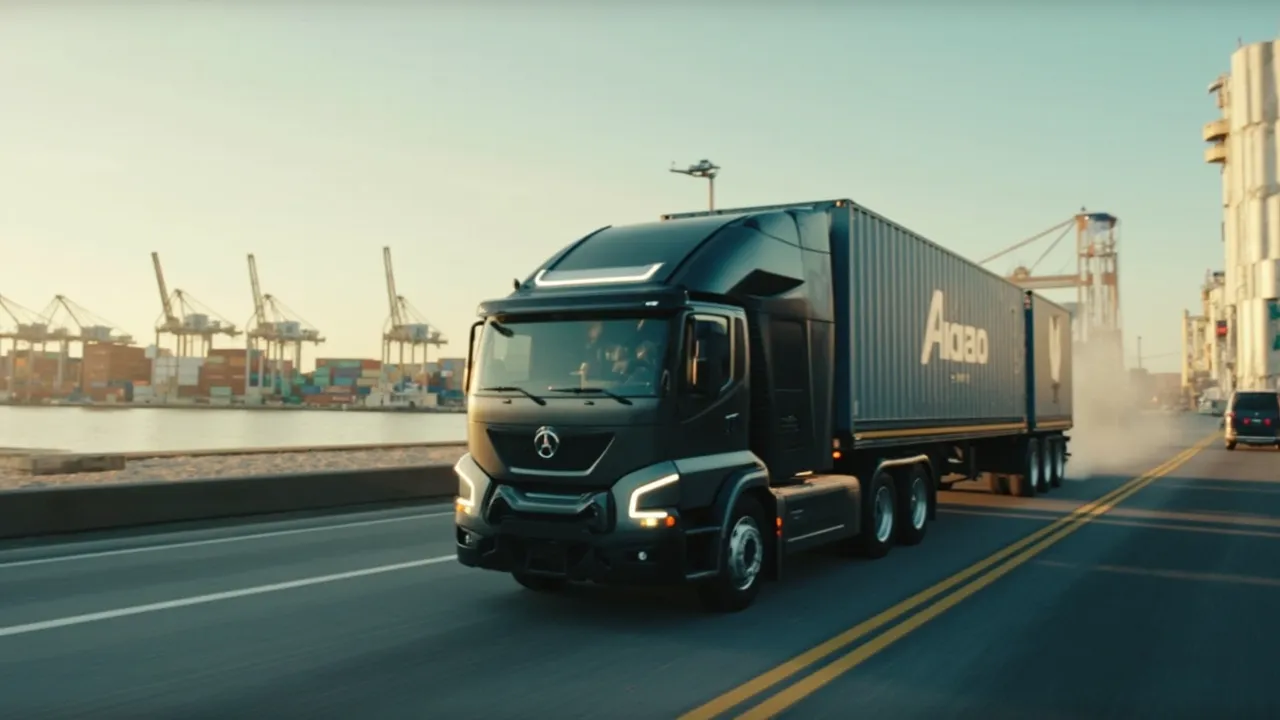
San Pedro Ports' Zero-Emission Incentives: Compare Cost per Productive Move
Evaluate San Pedro Bay zero-emission drayage incentives with a cost-per-productive-container-move model that includes charging, downtime, payload, and utilization.
CXTMS InsightsSeptember 18, 2026 · 6 min read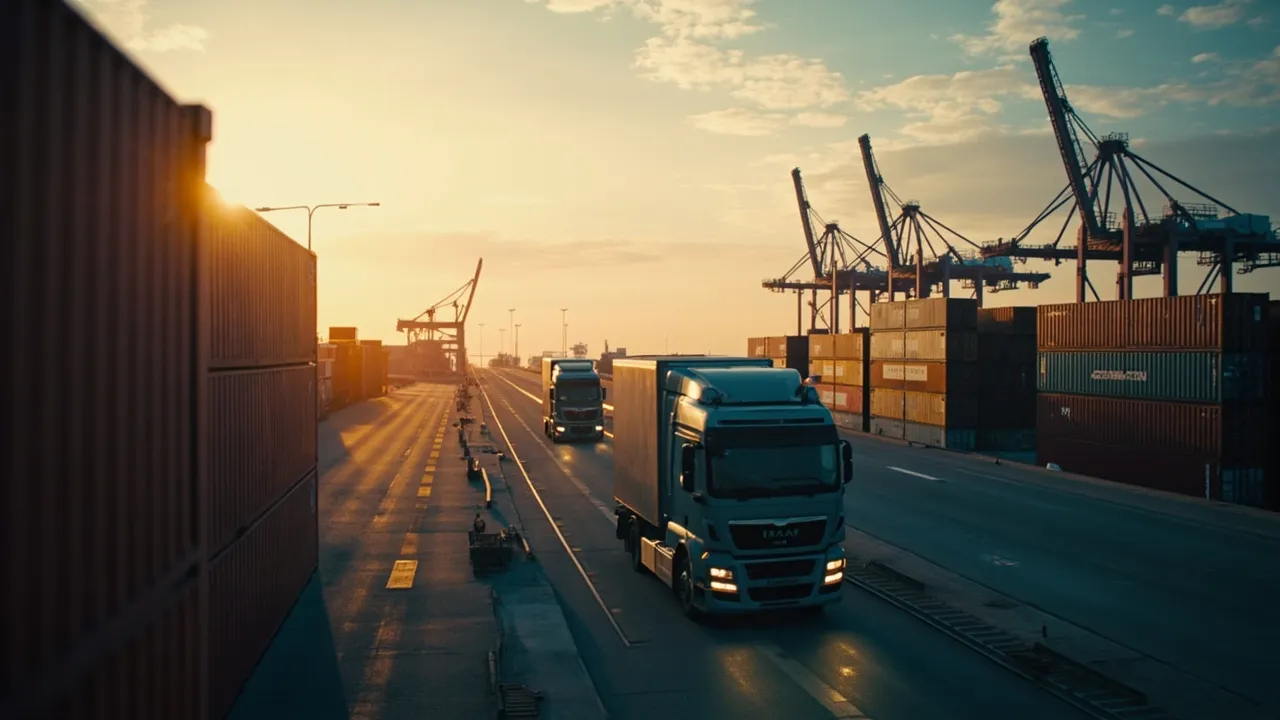
Port of New York and New Jersey's $39M ZEV Voucher Program: Build a Drayage Replacement Queue
The Port of New York and New Jersey's $39 million truck-voucher program can improve electric drayage economics—but only if fleets coordinate vehicles, chargers, routes and delivery dates.
CXTMS InsightsSeptember 12, 2026 · 6 min read
RoadOne’s Charleston Expansion Puts Drayage Acquisition Integration to the Test
Turn a Charleston drayage acquisition into reliable capacity with disciplined data, service baselines, phased lane migration, and rollback controls.
CXTMS InsightsAugust 24, 2026 · 6 min read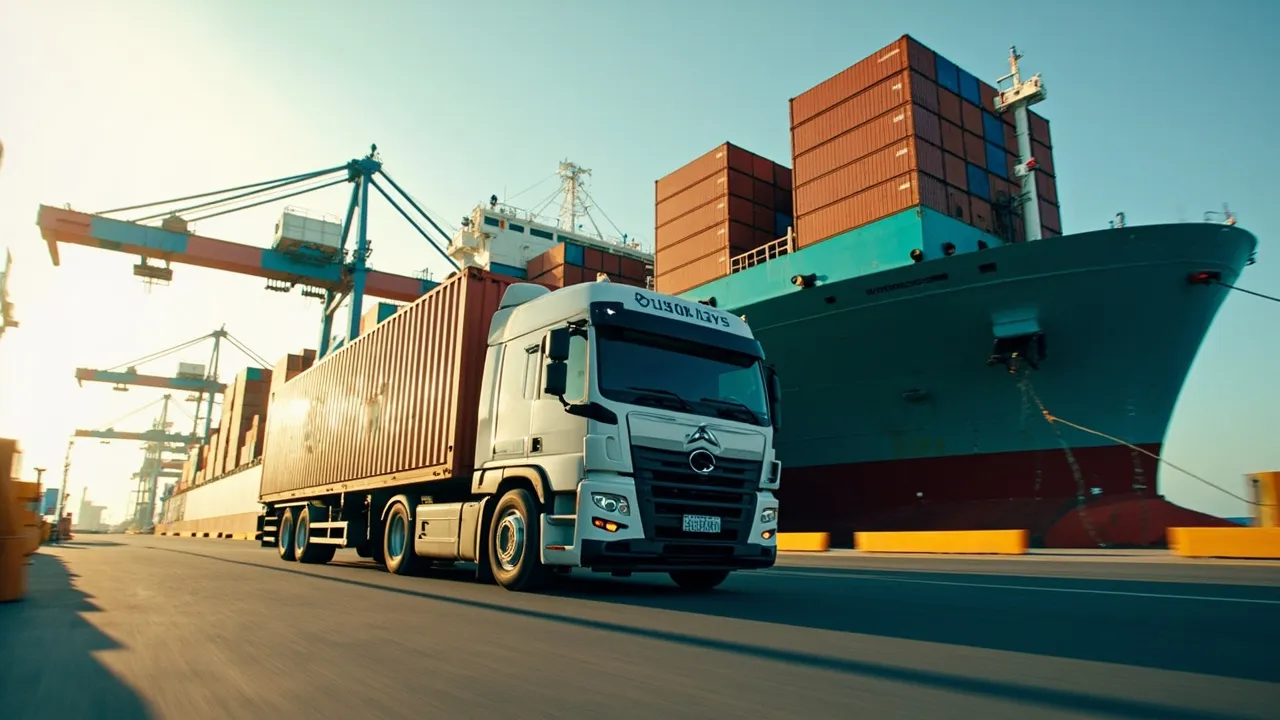
Port Clean-Energy Incentives Need Shipment-Level Eligibility Evidence
A shipment-level evidence workflow helps shippers, carriers, and drayage providers prove eligibility for clean-vessel and zero-emission truck incentives.
CXTMS InsightsAugust 17, 2026 · 6 min read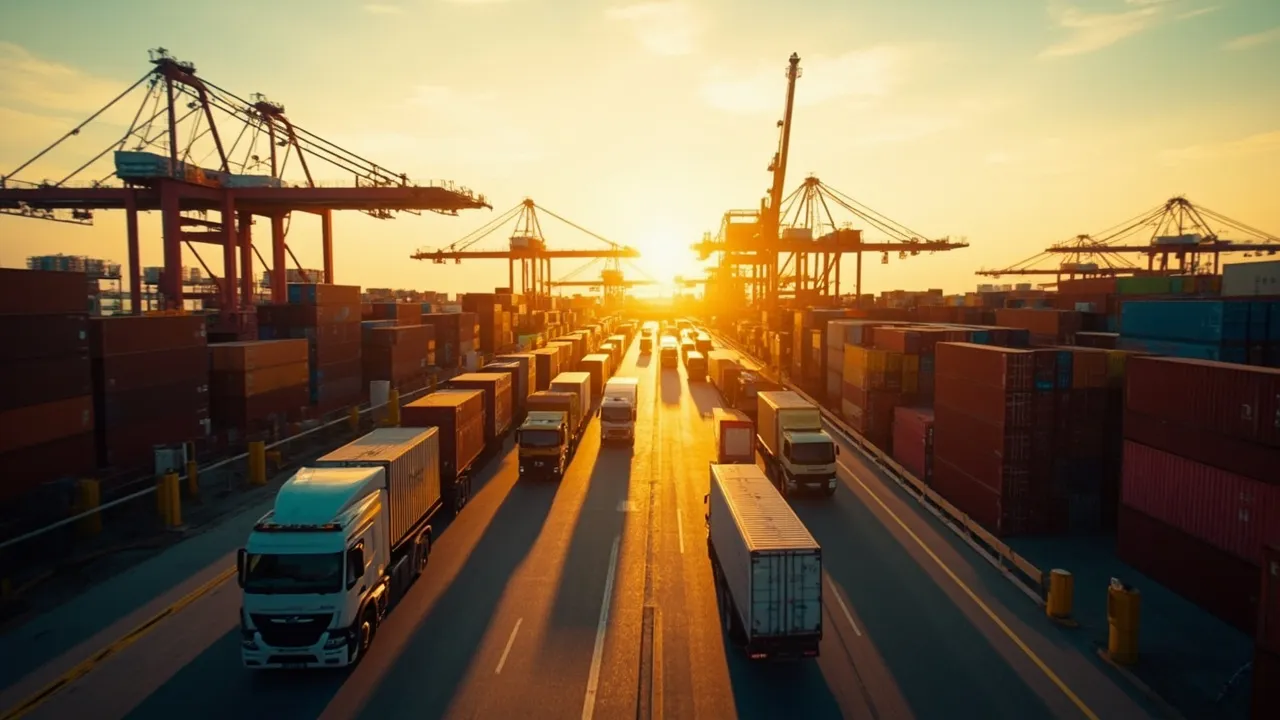
Port Houston’s Record First Half Requires a Container-by-Appointment Capacity Plan
Port Houston’s record container volume makes appointment-level capacity planning essential for protecting drayage turns, free time, and warehouse receiving.
CXTMS InsightsJuly 29, 2026 · 6 min read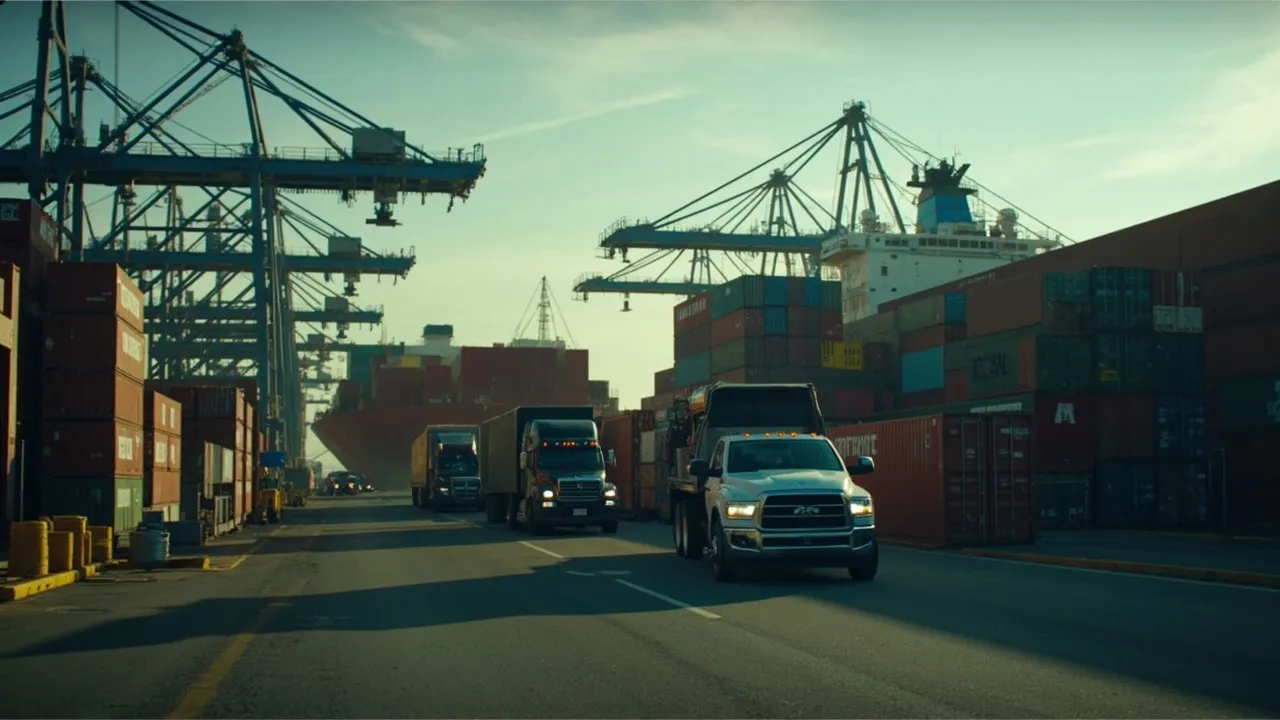
Record LA and Long Beach Volumes Make Drayage Appointments the Control Point
Record June container volumes at Los Angeles and Long Beach show why port flow depends on appointment slots, chassis, receiving windows, and drayage confirmation.
CXTMS InsightsJuly 21, 2026 · 6 min read
Savannah's Brampton Road Connector Makes Port Drayage a Roadway-Design Problem
Savannah's Brampton Road Connector shows why port drayage visibility now has to account for roadway design, rail crossings, appointment buffers, and inland routing rules.
CXTMS InsightsJuly 15, 2026 · 6 min read
The Port of Long Beach Green Truck Corridor Turns Drayage Decarbonization Into Route Design
The Port of Long Beach green truck corridor shows why zero-emission drayage depends on route density, charging placement, appointment discipline, and facility readiness.
CXTMS InsightsJune 20, 2026 · 7 min read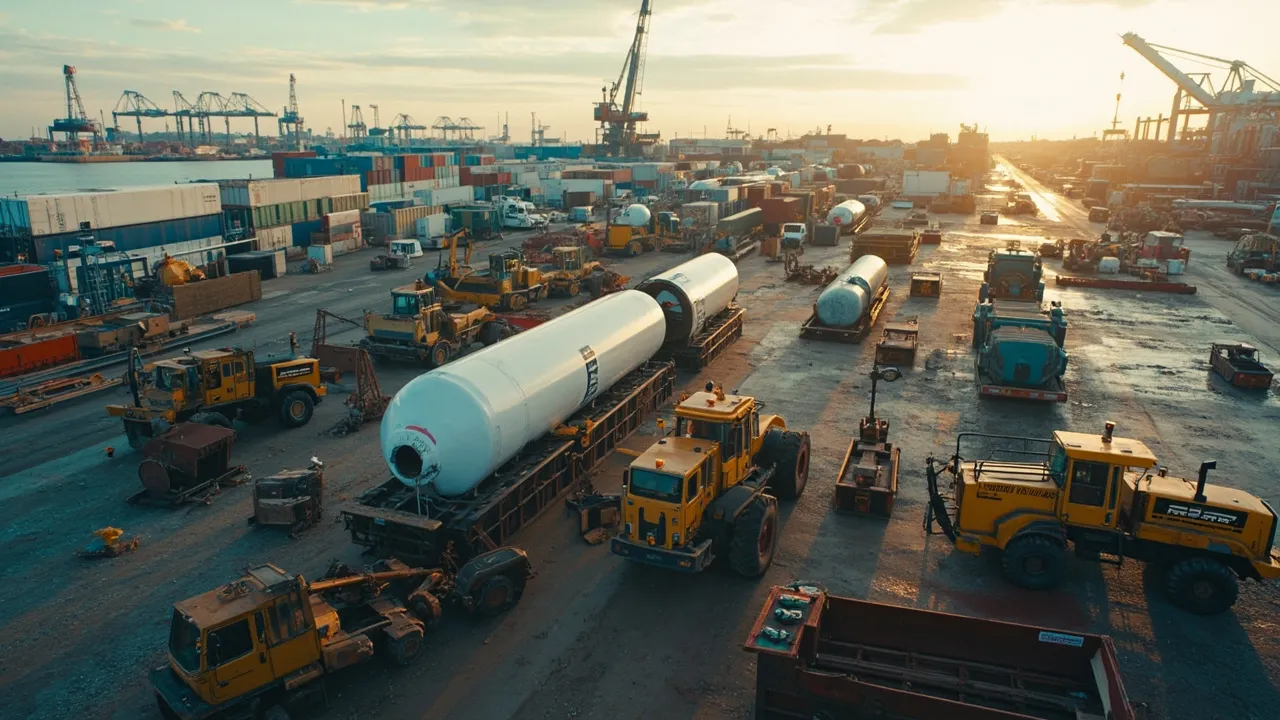
Project Logistics Needs Better Drayage Planning Before the Next Infrastructure Wave Hits
Infrastructure, energy, and industrial projects are raising the stakes for project logistics. Better drayage planning is becoming the difference between controlled execution and expensive milestone slips.
CXTMS InsightsJune 11, 2026 · 7 min read