Drayage Best Practices Are Becoming a Customer Experience Issue at the Port Gate


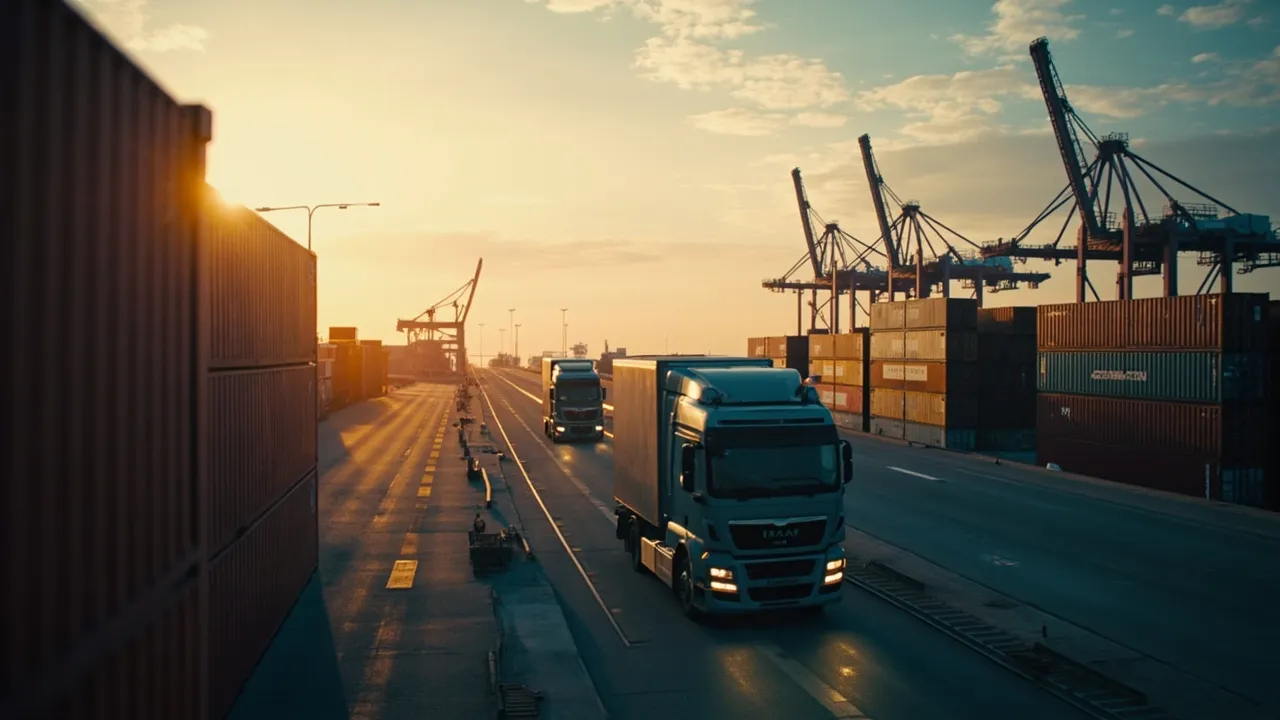
Port drayage used to be treated like a short-haul trucking line item: get the container out of the terminal, get it to the warehouse or rail ramp, and keep the invoice moving. That view is now dangerously outdated. At congested gateways, the port gate has become one of the first places where a shipper’s customer experience either holds together or falls apart.
The reason is simple: drayage sits at the handoff between ocean, rail, trucking, customs, warehouse capacity, and customer promises. When that handoff runs on spreadsheets, phone calls, and delayed status updates, every exception becomes harder to explain. A missed appointment does not stay inside the dispatch office. It becomes a late delivery, a demurrage dispute, a production delay, or a frustrated consignee asking why nobody knew the container was stuck until the free-time clock was already burning.
Inbound Logistics describes drayage as the short-haul movement that connects ports, railways, trucks, warehouses, and other modes, often within a single urban area or shift. That sounds small. It is not. The same article calls drayage the “first mile” because a container that fails to move cleanly from the port can back up the rest of the supply chain. That is exactly why the modern drayage conversation has shifted from carrier procurement to customer experience management.
The Gate Is Where Visibility Gets Real
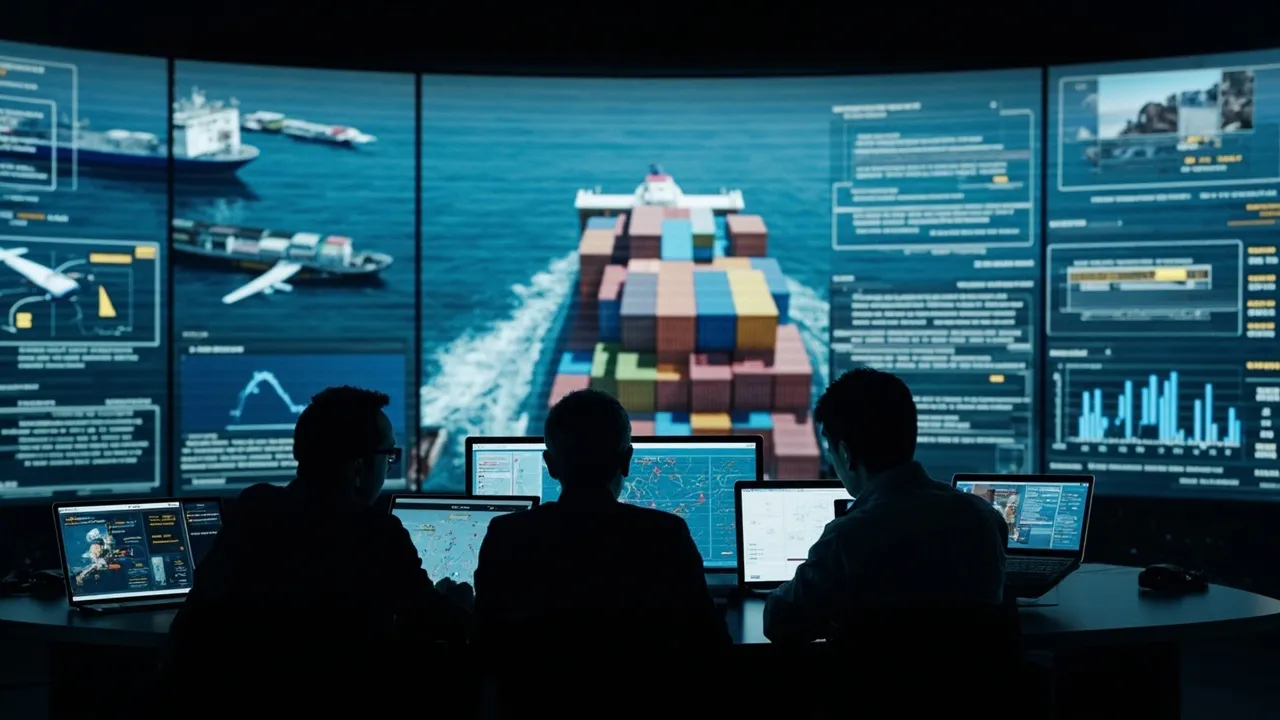
Visibility platforms can show that a vessel arrived. They can estimate container availability. They can send a milestone when freight clears customs. But the operational reality at the port gate is messier: appointment slots change, chassis availability tightens, empty return rules move, yard space disappears, and driver time gets consumed by queues that never show up neatly on a customer scorecard.
Supply Chain Dive reported during a major port congestion period that C.H. Robinson introduced a $175-per-container drayage congestion surcharge for several major U.S. port markets. The article cited excessive wait times, reduced driver productivity, chassis challenges, and pickup and delivery delays. One international logistics specialist told Supply Chain Dive that drayage drivers who once completed six to seven jobs per day were being reduced to three because of long wait times and equipment shortages.
That is not just an operations metric. It is a service-level warning. If a carrier’s productive turns drop by half, then the customer does not merely pay more. The customer gets fewer recovery options when something goes wrong.
Demurrage Is a Customer Communication Problem
Demurrage and detention are often discussed as accessorial charges, but customers experience them as avoidable surprises. Nobody likes learning after the fact that a container sat because an appointment was missed, a chassis was unavailable, or an empty return could not be paired with an import pickup.
The cost pressure is real. Supply Chain Dive noted in the same surcharge coverage that average detention and demurrage charges more than doubled from 2020 to 2021, citing Container xChange data. Even if today’s market is less chaotic than the pandemic peak, the lesson remains: port exceptions become expensive fast when they are not detected, assigned, and communicated early.
For forwarders and shippers, the question is no longer “Who has the lowest drayage rate?” It is “Who can prove they know what is happening before the customer calls us?” A cheap move that creates two days of silence is not cheap. It is a support burden with wheels.
Manual Dispatch Does Not Scale Under Port Volatility
Many small and mid-sized drayage operators still run on a patchwork of emails, terminal portals, spreadsheets, text messages, and phone calls. That can work when volume is predictable and exceptions are rare. It breaks when appointment capacity tightens or customers expect near-real-time updates.
FreightWaves captured the shift bluntly in its coverage of how drayage evolved after the pandemic: companies that treated inland transportation as an afterthought needed to change their mindset, and one operator warned that if shippers were not planning drayage as part of the supply chain, they were “cooked.” The article also noted that e-commerce rose from 10.8% of U.S. retail sales in Q2 2019 to 16.1% in Q2 2020, then remained elevated at 14.5% in Q4 2021. That demand shock changed customer expectations around speed and communication.
The modernization roadmap does not have to start with a massive system replacement. It should start with four practical controls:
- Appointment discipline: Track terminal appointments, cutoff times, free-time expiration, empty return windows, and driver assignment in one shared workflow.
- Chassis and equipment visibility: Treat chassis availability as a planning constraint, not an after-the-fact dispatch excuse.
- Exception timestamps: Capture when the exception was discovered, who owns it, what the next action is, and when the customer was notified.
- Proof-of-delivery speed: Close the loop quickly with PODs, container return confirmation, accessorial documentation, and invoice-ready records.
That last point matters more than many teams admit. Slow PODs create slow billing, weak dispute resolution, and poor customer confidence. In drayage, documentation speed is part of service quality.
Dual Transactions Show Why Coordination Beats Heroics
Port efficiency often depends on matching import pickups with empty returns or export moves. Supply Chain Dive’s West Coast congestion coverage highlighted the importance of dual transactions, where a trucker brings one container and picks up another in the same trip. The article noted that appointment limitations, chassis shortages, dwell time, and a stretched drayage market all contributed to congestion. It also explained that failing to conduct dual transactions means more drivers and more chassis are required to move the same amount of freight.
That is the heart of the customer experience issue: bad coordination consumes capacity that customers thought they already bought. Good coordination turns the same fleet, same drivers, and same port gate into more reliable service.
How Shippers Should Evaluate Drayage Partners
Rate per move still matters, but it should not dominate the scorecard. Forwarders and shippers should evaluate drayage partners on operational transparency:
- Can they show appointment status before the container becomes urgent?
- Do they track free time, demurrage risk, and empty return requirements centrally?
- Can dispatchers see chassis constraints before accepting a move?
- How fast do they provide PODs and accessorial backup?
- Do they communicate exceptions proactively, or only after escalation?
- Can they support dual-transaction planning where terminals allow it?
The best drayage partners are not the ones who promise that nothing will go wrong. Ports are too variable for that kind of fantasy. The best partners make problems visible early enough to act.
Where CXTMS Fits
CXTMS helps logistics teams turn drayage from a reactive phone-chain process into a controlled execution workflow. With centralized shipment records, milestone tracking, exception notes, documentation, and customer-facing visibility, teams can see when a port move is drifting before it becomes a service failure.
If your drayage operation still depends on scattered spreadsheets and after-the-fact updates, the port gate is probably already shaping your customer experience more than you think. Schedule a CXTMS demo to see how modern transportation management can bring port execution, documentation, and customer communication into one operating view.