Savannah's Brampton Road Connector Makes Port Drayage a Roadway-Design Problem


Port drayage is often treated as a carrier capacity problem: find a truck, match the appointment, release the container, return the empty, and keep the box moving. That view misses a hard truth about major gateways. The road between the terminal and the interstate can decide whether a dray move is predictable or fragile.
Savannah is about to make that point in concrete.
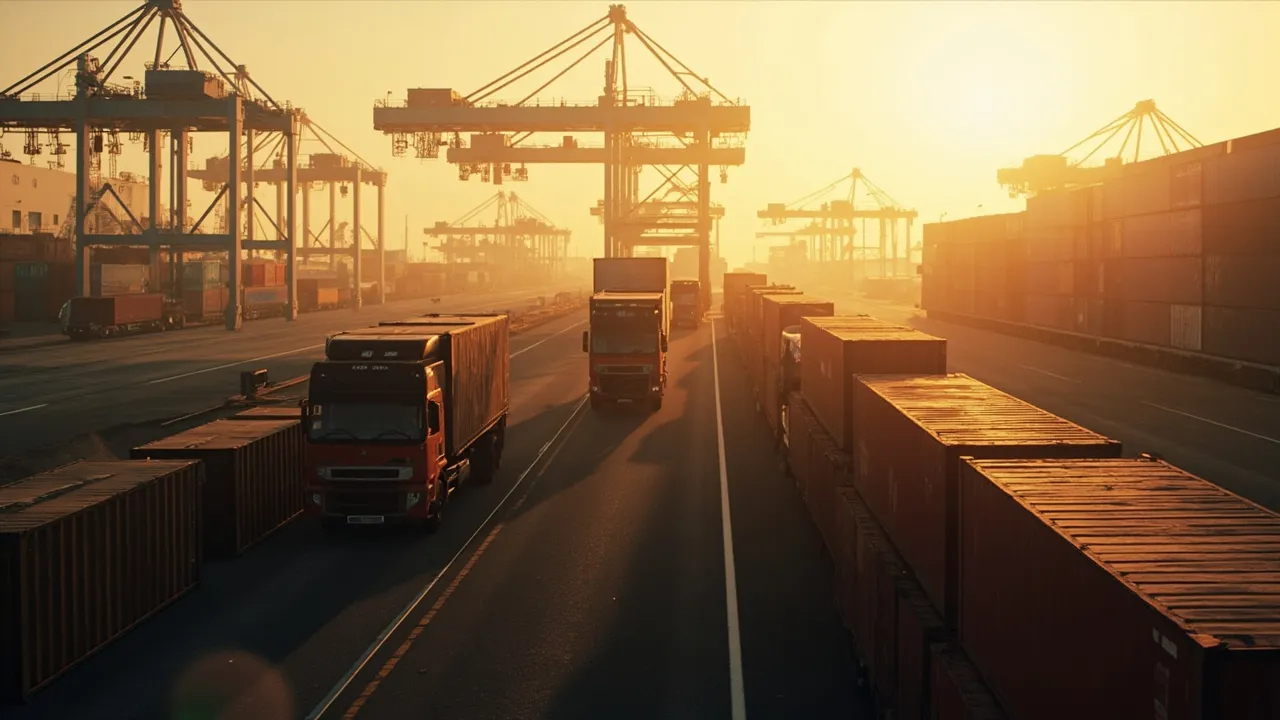
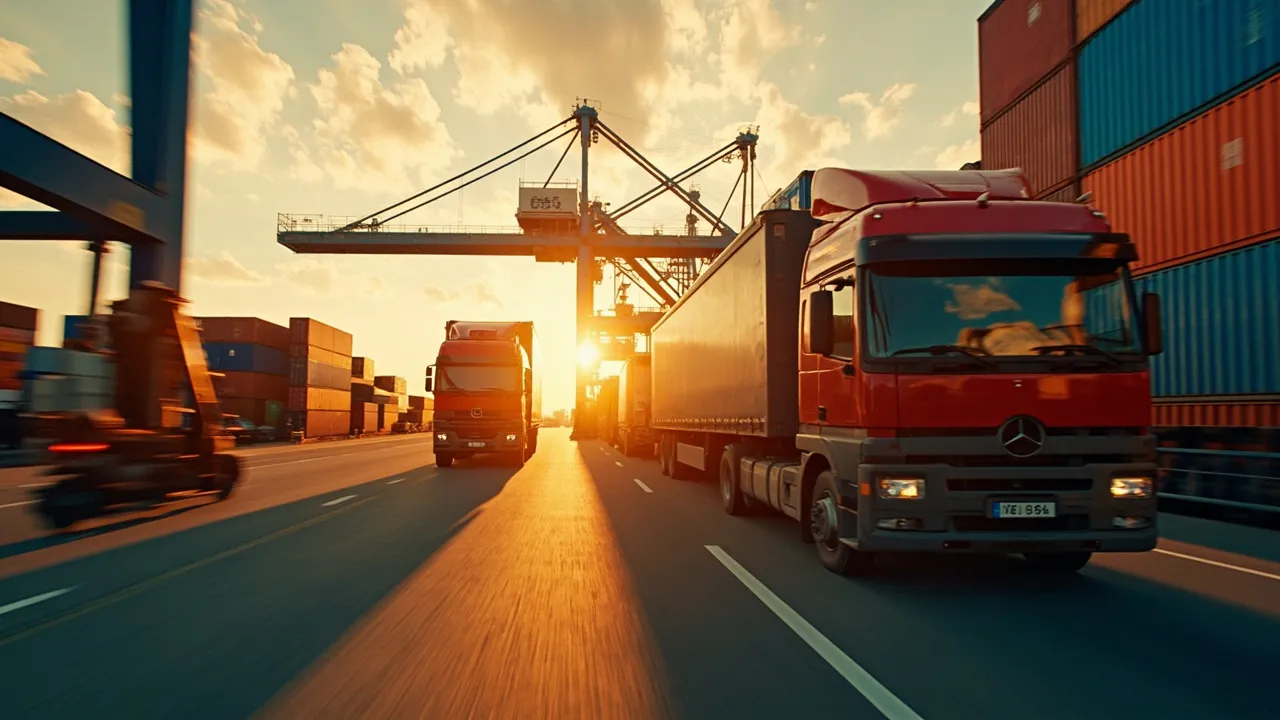
Supply Chain Dive reported that the $126 million Brampton Road Connector opens July 16, creating a direct link between the Port of Savannah's Garden City Terminal and the Interstate 16 corridor. The new route is designed to give truck drivers faster access to the port and a more streamlined path to inland markets, while also improving safety and turn times.
That is not just a local infrastructure story. It is a reminder that port drayage performance depends on the design of the approach network: gate location, rail-crossing exposure, neighborhood truck restrictions, chassis availability, appointment discipline, and the number of avoidable friction points between container release and highway speed.
The Connector Changes the Operating Math
The Brampton Road Connector matters because it removes avoidable variability from a high-volume freight corridor. When port trucks have to move through local streets, wait at at-grade rail crossings, or follow indirect routes to reach the interstate, dispatchers have to pad appointments. Drivers lose productive hours. Customers see wider ETA ranges. Carriers price the uncertainty.
A direct four-lane connector does not make every drayage issue disappear. It does, however, change the base assumption behind the move. A route that previously carried rail-crossing risk and neighborhood congestion may become a more controlled path from terminal gate to inland highway. That can affect appointment buffers, driver start times, detention exposure, chassis turn productivity, and how confidently a shipper can promise the next inland leg.
For freight teams, the mistake would be treating the opening as trivia. Infrastructure changes should become executable routing rules.
If the best route out of Garden City Terminal changes on July 16, the transportation system should know that. If the connector affects which dray carriers can meet certain appointment patterns, that should show up in routing logic. If the new corridor improves access to I-16 and the Savannah-to-Atlanta flow, then lane planning, customer ETAs, and carrier scorecards should eventually reflect the new reality.
Port Access Is a Control File, Not a Map Pin
Port drayage teams need more than a terminal address. They need a port-access file that translates local infrastructure into operational decisions.
That file should include:
- Terminal gate and preferred access route
- Connector, bridge, or ramp changes by effective date
- At-grade rail-crossing exposure
- Appointment window and cutoff time
- Dray carrier, driver pool, and dispatch rule
- Container availability and last free day
- Chassis status and return location
- Neighborhood restriction, curfew, or safety constraint
- Inland destination, rail ramp, warehouse, or cross-dock handoff
These fields matter because port drayage compresses many small dependencies into a short move. A container can be available, a carrier can be assigned, and a warehouse can be ready, yet the move can still fail if the driver loses time at a rail crossing or misses the gate window after local congestion.
The Savannah connector is useful because it attacks that middle layer. It does not change the ocean sailing. It does not change customs release. It changes the physical path between the terminal and the inland network, where short delays often become expensive exceptions.
Infrastructure Is Part of Resilience
The broader freight market is already learning to treat infrastructure as a resilience variable. Logistics Management's coverage of the 37th Annual State of Logistics Report notes that persistent disruption has become part of the operating environment, with successful companies adapting continuously rather than waiting for stability to return.
Ports sit at the center of that shift. Ocean carriers, terminal operators, railroads, dray providers, warehouses, brokers, and beneficial cargo owners all touch the same container record, but each sees a different slice of the constraint. When policy, demand, weather, labor, or capacity changes hit the network, the companies that respond fastest are the ones that already know how a local event affects execution.
A new connector can be positive disruption. It can reduce friction, improve safety, and make inland access more reliable. But it still has to be absorbed into daily operations. Dispatchers need updated route assumptions. Customer service teams need better appointment confidence. Procurement teams need to know whether carrier performance improves after the corridor opens. Finance teams need to see whether detention, dwell, or accessorial patterns change.
That is how an infrastructure project becomes a logistics advantage instead of a headline.
Drayage Visibility Has to Reach the Roadway
Many visibility programs focus on vessel arrival, container availability, and over-the-road tracking. Those signals are important, but drayage lives in the handoff between them. A container that is available at 8:00 a.m. still has to clear the gate, reach the right road, avoid predictable delay points, and arrive inside the receiving window.
Inbound Logistics' Top 100 3PL Providers highlights how broad logistics outsourcing has become, with providers managing transportation, warehousing, customs, fulfillment, and value-added services across complex networks. That breadth makes port-access intelligence more important, not less. When a 3PL, dray carrier, broker, warehouse, and customer all depend on the same move, route assumptions need to be shared rather than buried in local dispatcher knowledge.
The practical goal is not to micromanage every turn a driver makes. The goal is to encode the facts that materially change execution. A new connector. A temporary gate closure. A recurring rail-crossing delay. A chassis pool issue. A warehouse receiving constraint. A local restriction that changes after dark. Those conditions should shape tendering, appointment selection, exception alerts, and customer ETAs.
Where CXTMS Fits
CXTMS helps transportation teams turn port infrastructure changes into executable drayage rules. Instead of treating the Brampton Road Connector as a note in an email thread, teams can connect terminal gates, appointment windows, dray carriers, chassis status, route rules, and inland destinations inside the shipment workflow.
That matters because port drayage is too time-sensitive for static planning. When the roadway changes, the operating record should change with it. Teams need to know which containers should use the new corridor, which appointments deserve tighter confidence, which carriers are performing better after the change, and which exceptions still need escalation.
Savannah's connector shows the bigger lesson: port visibility is not finished when the vessel arrives. It has to follow the container through the gate, onto the right road, and into the inland network where the customer promise is actually kept.
If your team is managing port drayage with disconnected spreadsheets, carrier calls, and local routing knowledge, schedule a CXTMS demo. We will show how terminal milestones, route rules, appointments, chassis data, and exception workflows can turn port access into a visible, controlled part of transportation execution.