Port Houston’s Bayport Grant Shows the Next Port Bottleneck Is Truck Flow

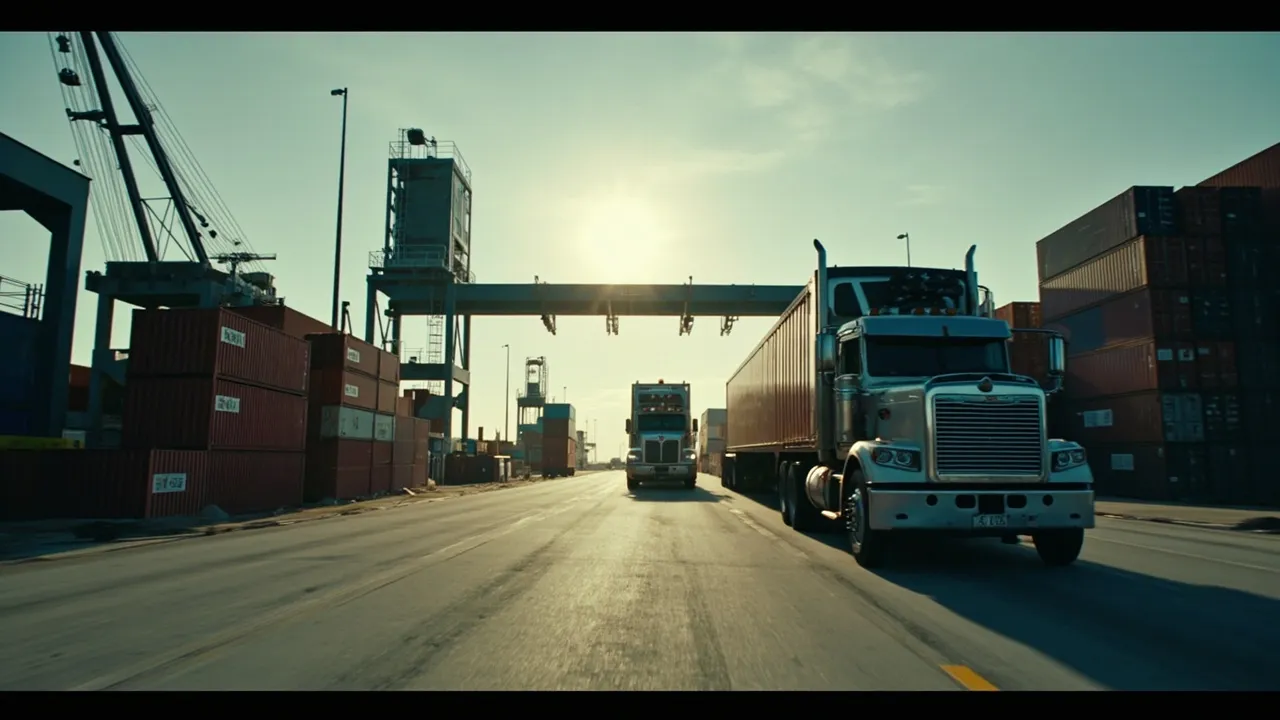
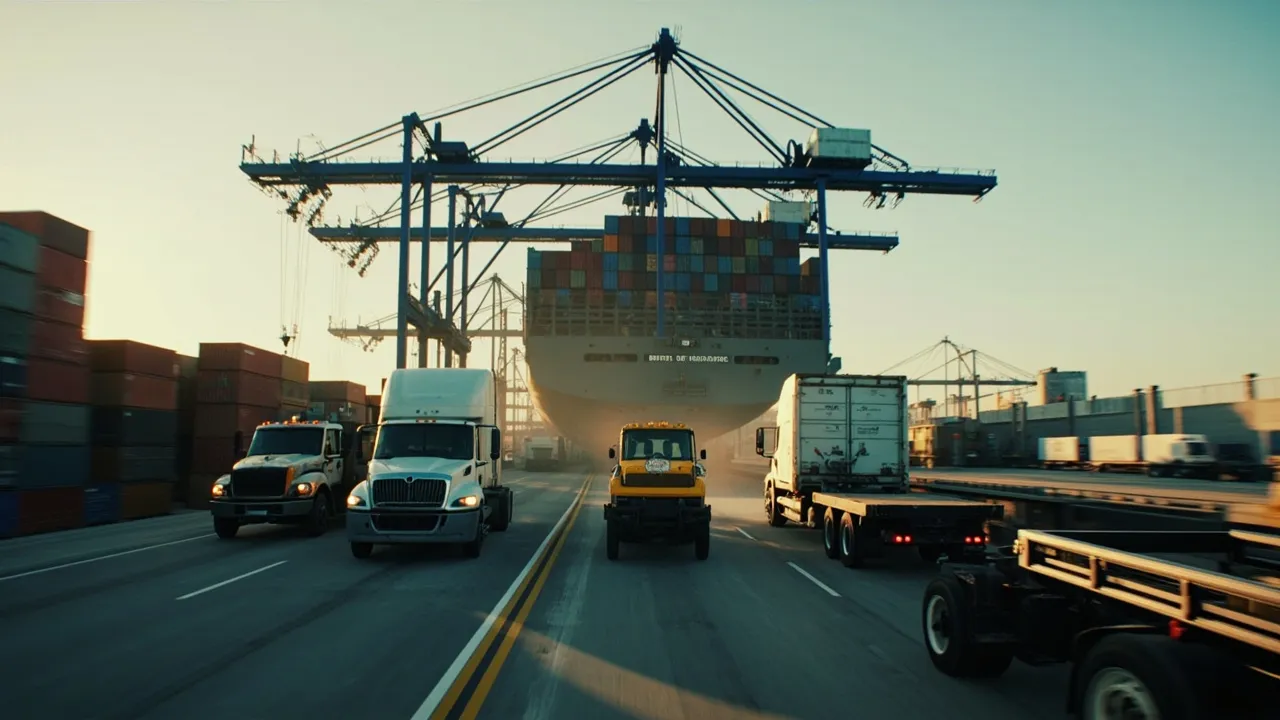
Port capacity used to be discussed mostly in steel-and-concrete terms: deeper channels, bigger berths, taller cranes, and more container yard acreage. Those still matter. But the Port Houston Bayport Container Terminal grant points to a more practical constraint for shippers: containers do not become useful cargo until trucks can get them out of the terminal reliably.
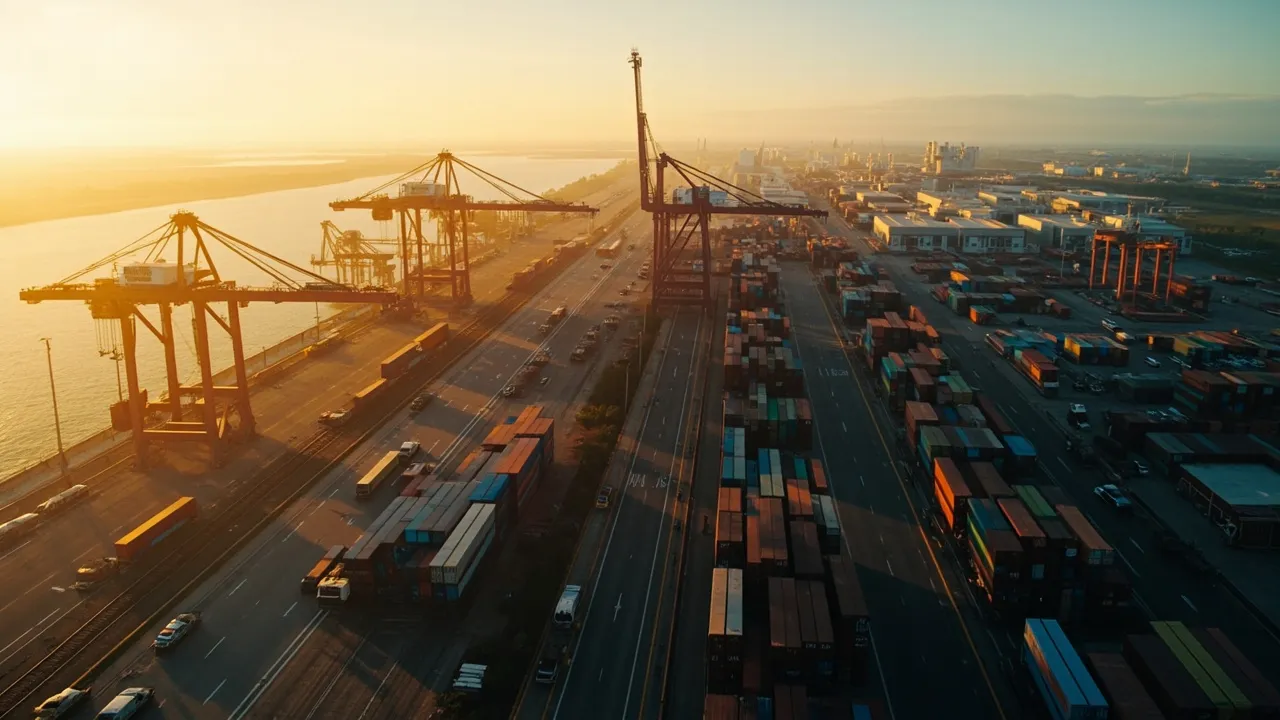
FreightWaves’ American Shipper coverage reported that Port Houston secured a $48 million federal grant to expand Bayport Container Terminal capacity and improve truck flow. The project supports a new container yard and exit-gate improvements at one of the Gulf Coast’s most important container facilities.
That detail matters. A container yard expansion increases the terminal’s ability to stage boxes, but the exit gate is where port infrastructure turns into supply chain execution. If the gate backs up, drayage schedules slip. If drayage schedules slip, warehouse appointments get missed. If warehouse appointments get missed, the cost shows up as demurrage, detention, overtime, inventory delay, and customer-service noise.
The next port bottleneck is not only vessel capacity. It is truck flow.
Federal freight policy is pointing at the same problem
The Bayport grant lands in the middle of a broader infrastructure push. Logistics Management reported that the U.S. Department of Transportation released its 2026 National Freight Strategic Plan, a multi-year roadmap for freight movement across a network handling more than 54 million tons of goods worth over $68 billion each day.
That freight network spans nearly 7 million miles, and the plan lays out six goals for the next five years: safety, efficiency, security, resiliency, innovation, and workforce development. Those categories sound broad, but the operational theme is specific: reduce bottlenecks, improve throughput, and make freight systems less brittle when demand, labor, weather, or trade policy changes.
A companion Logistics Management infrastructure analysis noted that the plan calls for reducing freight bottlenecks, improving supply chain visibility, streamlining federal project reviews, and supporting advanced freight technologies and digital freight data standards. It also highlighted the BUILD America 250 Act’s freight-focused provisions, including nationally significant multimodal freight and highway projects, bridge programs, railway-highway grade crossings, and the National Highway Freight and High Priority Corridor Program.
That is the important context for Bayport. Port grants are not isolated construction announcements. They are part of a policy shift toward throughput: how fast freight moves across the handoffs between ocean carrier, terminal, drayage carrier, chassis provider, warehouse, rail ramp, and final customer.
Why truck flow is now a capacity issue
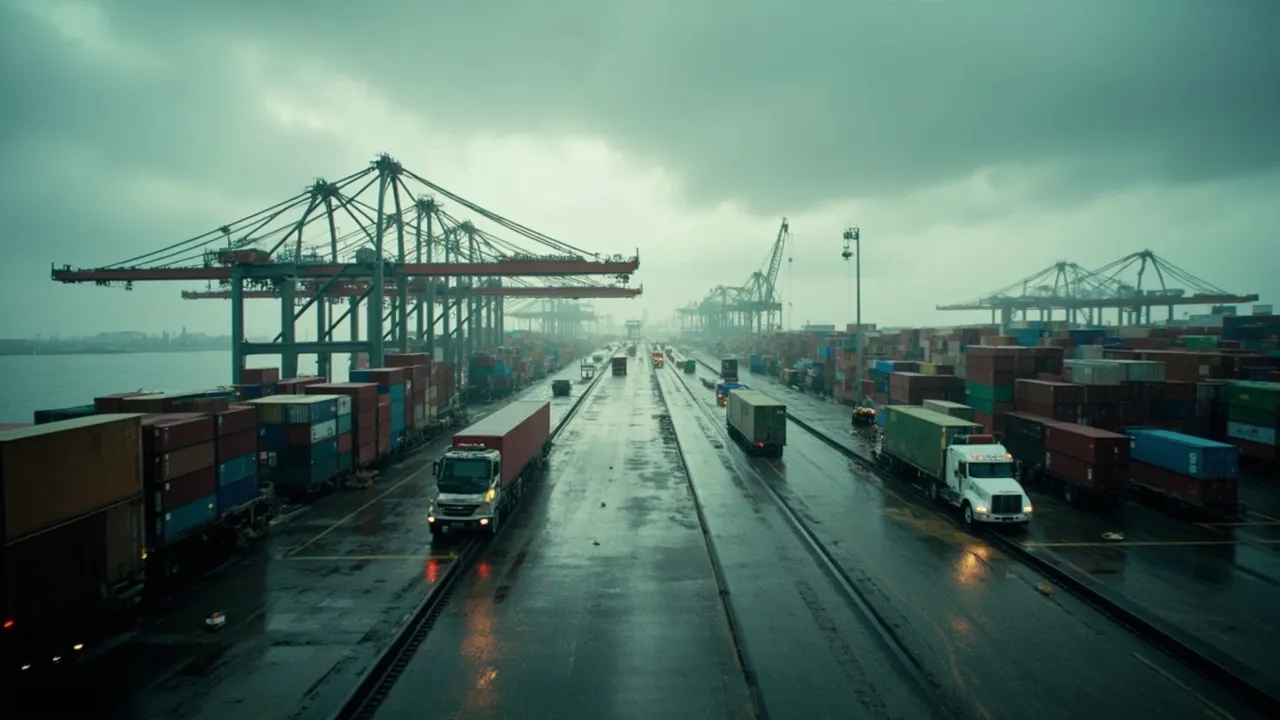
A marine terminal can add yard space and still disappoint shippers if truck turns remain unpredictable. The operational constraint moves from “Can the port receive containers?” to “Can the supply chain absorb containers at the pace the port releases them?”
That is a different management problem.
For beneficial cargo owners and forwarders, the first symptom is often dwell. Containers arrive, become available, and then sit because the drayage carrier cannot secure an appointment, chassis availability is tight, the consignee’s dock calendar is full, or the inland destination cannot process the volume. Each party can look efficient on its own dashboard while the freight is still late in the real world.
Gate improvements attack one part of that chain. A better exit gate can reduce truck queues, improve appointment reliability, and give drayage providers more confidence that a planned turn will actually happen. But it only creates value if downstream partners are ready for the released freight.
That is why shippers should treat port capacity news as a trigger to review their own operating data. When a gateway improves throughput, the cargo does not vanish. It moves the pressure inland.
The four metrics shippers should watch
The first metric is port dwell. Track loaded import containers from discharge to availability, then from availability to out-gate. Those are different clocks. A terminal may make boxes available quickly, but a shipper still loses time if appointment access, documentation, customs release, or drayage scheduling is weak.
The second metric is appointment reliability. Measure whether scheduled pickup slots are kept, missed, rolled, or cancelled. A missed port appointment is not just a transportation exception; it can cascade into warehouse labor rescheduling, production shortages, or premium freight.
The third metric is drayage capacity. Do not rely only on rate tables. Track tender acceptance, turn time, wait time, chassis constraints, and carrier performance by lane. A low drayage rate is meaningless if the carrier cannot protect the pickup window when volume spikes.
The fourth metric is inland handoff timing. Once the container leaves Bayport, the clock shifts to warehouse receiving, transload, rail ramp cutoff, cross-dock capacity, or final-mile staging. If those handoffs are not synchronized, faster port flow simply creates congestion somewhere else.
These are not glamorous measures. They are the practical controls that determine whether infrastructure spending becomes real supply chain performance.
What logistics teams should do now
Shippers moving through Houston should start with a simple lane review. Identify the highest-volume import lanes touching Bayport, then map actual elapsed time from vessel arrival to final inland receipt. Break that timeline into terminal dwell, out-gate delay, drayage transit, appointment wait, unloading, and empty return. The goal is to find where time is really lost, not where the loudest complaint happens.
Next, tighten exception workflows. If a container is available but not scheduled, someone needs to know before free time disappears. If a drayage carrier misses an appointment, the warehouse schedule needs to adjust before labor is wasted. If a consignee delays receiving, finance should see the detention exposure before the invoice arrives.
Finally, integrate port milestones into the transportation management process. Port events, drayage tenders, appointment data, carrier performance, accessorial exposure, and delivery confirmation should live in one operating record. Otherwise, teams end up stitching together terminal portals, carrier emails, spreadsheets, and invoice disputes after the damage is already done.
That is where CXTMS fits. Port infrastructure can improve the physical flow of containers, but shippers still need execution discipline across the digital flow of decisions. CXTMS helps logistics teams coordinate drayage, appointments, carrier performance, shipment milestones, and exception escalation so improved gateway capacity turns into fewer surprises inland.
Bayport’s grant is good news. But the lesson is bigger than Houston: the next generation of port performance will be measured at the truck gate, the warehouse dock, and the inland handoff—not just at the berth.
Want to see how CXTMS helps logistics teams manage port drayage, inland handoffs, and freight exceptions from one execution record? Book a CXTMS demo and turn better visibility into cleaner port performance.