Port Drayage Volatility Hits 2026: How Weather, Congestion, and New Rules Are Disrupting First-Mile Container Movement

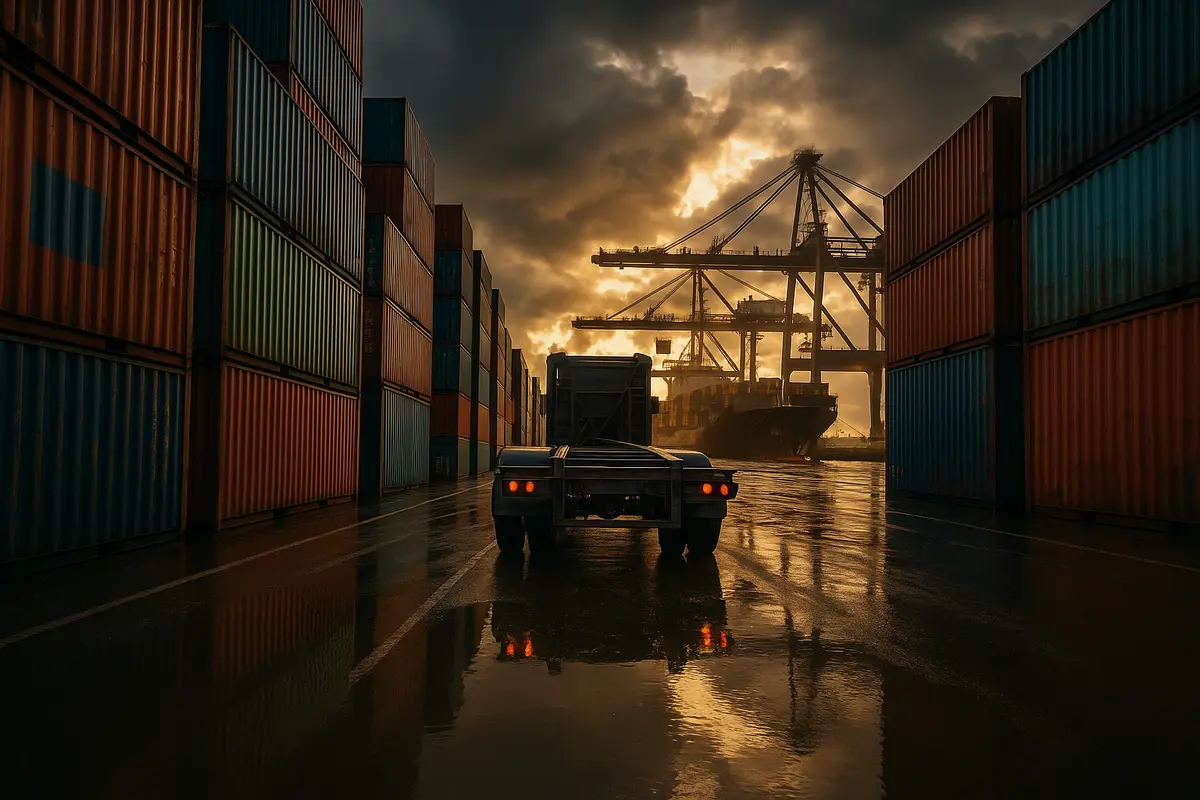
Your ocean carrier delivered on time. Your warehouse is ready. But your container is sitting at an inland rail ramp in Chicago while a driver waits three to five hours just to pick it up. Welcome to the drayage bottleneck of 2026—where the first mile is quietly becoming the most unreliable link in the supply chain.
The Forgotten Bottleneck Nobody's Talking About
Drayage—the short-haul movement of containers between ports, rail ramps, and warehouses—rarely makes headlines. Yet it's where an outsized share of container delays originate. Industry estimates suggest that up to 60% of import container delays trace back to first-mile drayage failures: missed terminal appointments, chassis unavailability, driver wait times, and weather-related gate closures.
In February 2026, these chronic issues are converging into a perfect storm of volatility that's catching shippers off guard.
Winter Storms Extend Transit Times by 48+ Hours
According to C.H. Robinson's February 2026 drayage market update, winter storms across the South, Midwest, and East Coast in late January and early February created far more than short-term visibility issues. Ice-driven impacts restricted freight access, extended transit times by 24 to 48+ hours, and forced marine terminal closures.
The cascading effects—missed appointments, residual network backlogs, and delayed chassis returns—persist long after the weather clears. For shippers managing tight delivery windows, a two-day drayage delay can translate into a week-long disruption downstream.
What makes February 2026 different is the sequencing: storm events are overlapping with already-reduced container fluidity from post-Lunar New Year volume shifts, amplifying the impact beyond what weather alone would cause.
Inland Rail Ramps Are the Real Chokepoint
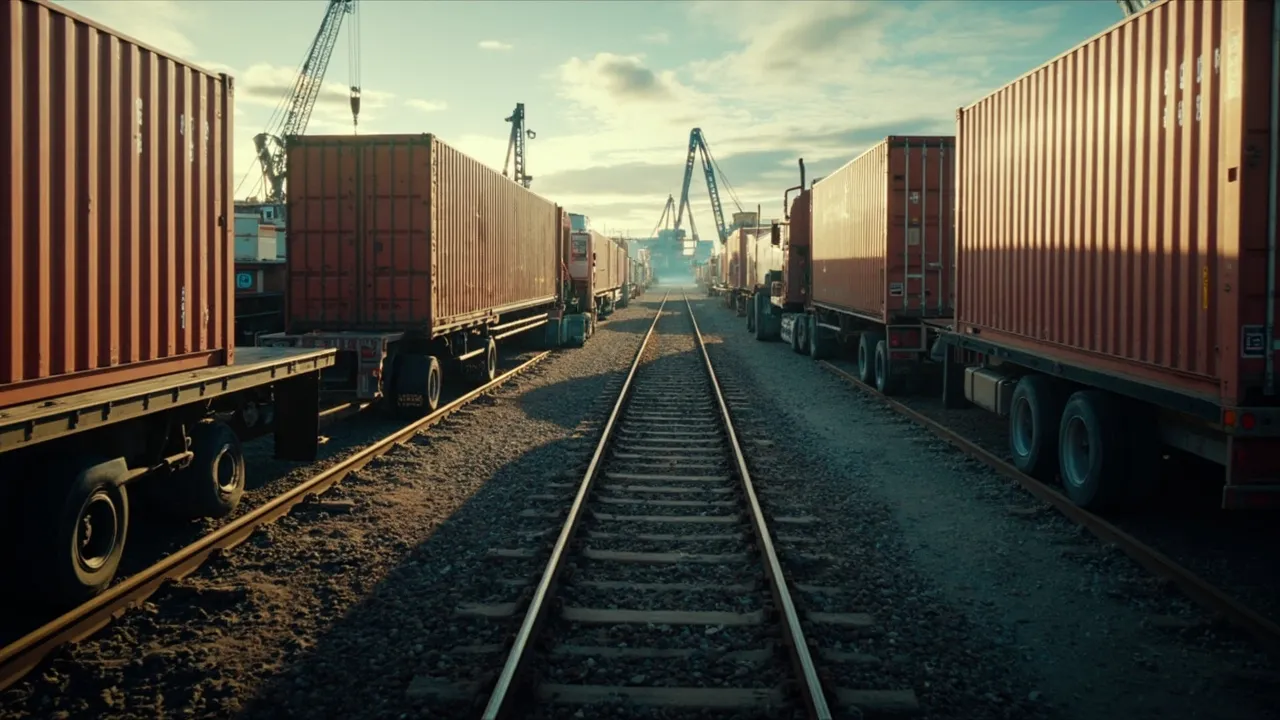
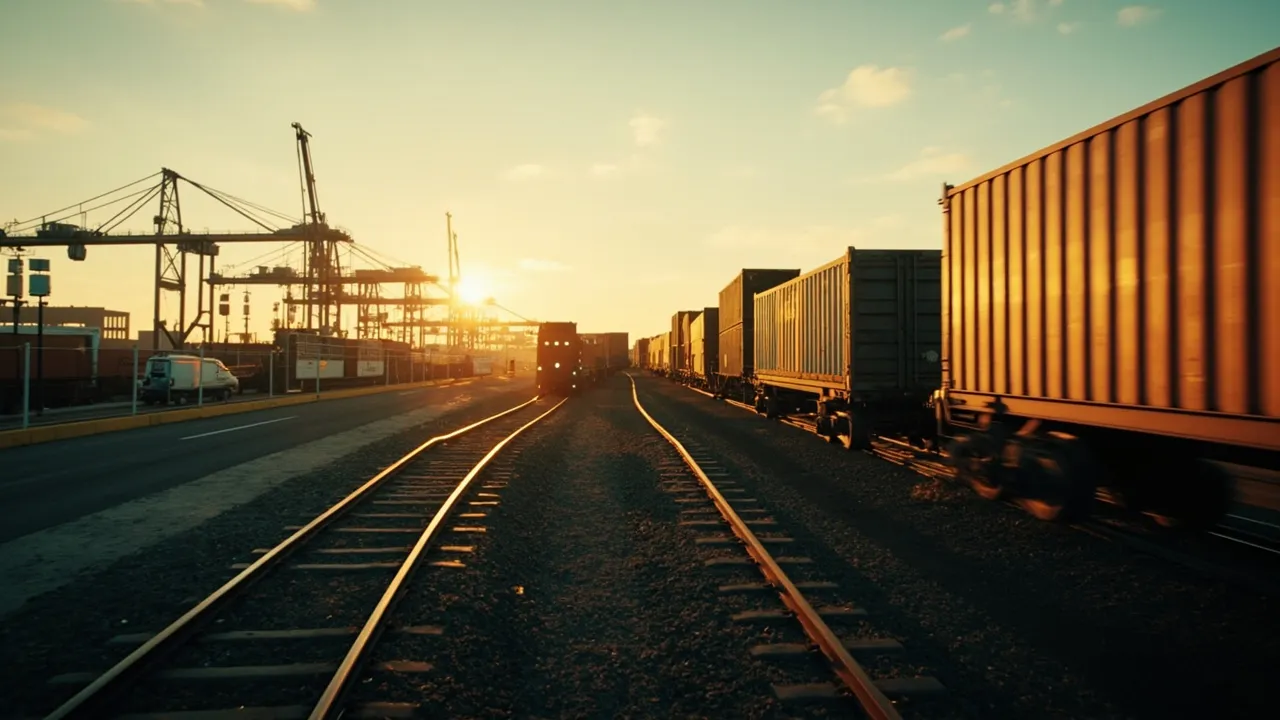
While coastal ports are operating with relative stability, the inland network tells a different story. Rail ramps—where containers transfer between rail and truck—have emerged as the primary congestion points in early 2026.
Norfolk Southern's Landers facility in Chicago is experiencing severe delays, with drivers reporting wait times of three to five hours due to newly implemented gate and appointment procedures. In Cincinnati, NS Sharon is dealing with significant congestion, limited chassis availability, and controlled equipment releases as it rolls out its own appointment system.
These inland realities are forcing drayage providers to adopt costly workarounds:
- Pre-pulling containers to avoid ramp delays, which ties up chassis and increases storage costs
- Adjusting driver schedules around peak congestion windows, reducing daily turn capacity
- Absorbing higher accessorial charges for detention, demurrage, and per-diem fees that eat into already-thin margins
The result is a quieter but persistent drag on overall network fluidity that doesn't show up in headline port throughput numbers.
New Compliance Rules Add Fresh Complexity
Regulatory changes are layering additional friction onto an already-strained system. Two developments stand out in early 2026:
Railroad Loading Documentation Requirements
U.S. railroads now require extra loading documentation and inspections for shipments containing brake drums, rotors, and steel wheels. Non-compliant cargo can be halted at the port of discharge—an unplanned touch that adds days to transit times on affected lanes.
Clean Truck Mandates Tighten
The Northwest Seaport Alliance's Clean Truck Program now requires all trucks serving domestic container terminals to have an active RFID tag and a 2007 or newer engine as of January 1, 2026. Meanwhile, California's Advanced Clean Fleets regulation continues its march toward requiring all drayage trucks entering seaports and intermodal railyards to be zero-emission by 2035. New trucks purchased from 2024 onward must already be zero-emission, shrinking the available fleet for carriers that haven't invested in upgrades.
These mandates are gradually reducing the pool of compliant drayage trucks, particularly among smaller owner-operators who lack the capital for fleet upgrades.
The Chassis Crisis Compounds Everything
Chassis availability remains the silent multiplier behind drayage delays. When containers are pre-pulled to avoid ramp congestion, those chassis are tied up in yard storage instead of cycling back for the next load. When weather closes terminals, chassis sit idle behind locked gates. When rail ramps implement controlled releases, chassis queue up waiting for containers that aren't available yet.
The chassis pooling model—where equipment is shared across carriers rather than owned by individual lines—was designed to improve utilization. In practice, peak-demand moments expose its limitations, as multiple carriers compete for the same finite pool during the exact same congestion events.
Five Strategies to Stabilize Your First Mile
Shippers who treat drayage as a passive handoff are most vulnerable to these disruptions. Here's how leading logistics teams are adapting:
1. Build appointment flexibility into your planning. Don't book the earliest available slot—book a range. When ramp congestion extends wait times, having a backup window prevents cascading misses.
2. Diversify your drayage provider network. Relying on a single carrier concentrates risk. Maintain relationships with two to three providers per port or ramp, including at least one with dedicated chassis assets.
3. Monitor inland conditions, not just port status. Port throughput dashboards miss the real story. Track rail ramp dwell times, chassis availability, and driver wait times at your specific inland facilities.
4. Pre-position containers strategically. For high-priority shipments, pre-pulling to a nearby container yard can bypass ramp congestion—but only if chassis economics make sense for your volume.
5. Stay ahead of compliance changes. Map your drayage carriers' fleet ages against upcoming clean truck mandates. A carrier that's compliant today may lose 30% of its fleet capacity within two years if they haven't planned upgrades.
Why Real-Time Drayage Visibility Changes the Game
The fundamental challenge with drayage is its opacity. Ocean carriers provide vessel tracking. Trucking companies offer GPS-based ETA updates. But the drayage handoff—between terminal gate, chassis pickup, rail ramp, and final delivery—often falls into a visibility black hole.
Modern TMS platforms are closing this gap by integrating port terminal operating system data, rail ramp appointment systems, and GPS tracking into a single view. When a winter storm closes a terminal or a rail ramp implements controlled releases, shippers with real-time drayage visibility can reroute, reschedule, or pre-pull before delays compound.
CXTMS provides integrated drayage management that connects port operations, inland rail status, and final-mile delivery into one platform—giving logistics teams the visibility they need to turn first-mile chaos into predictable operations.
Tired of drayage delays disrupting your supply chain? Contact CXTMS to see how real-time port and drayage visibility can stabilize your first-mile container movement.