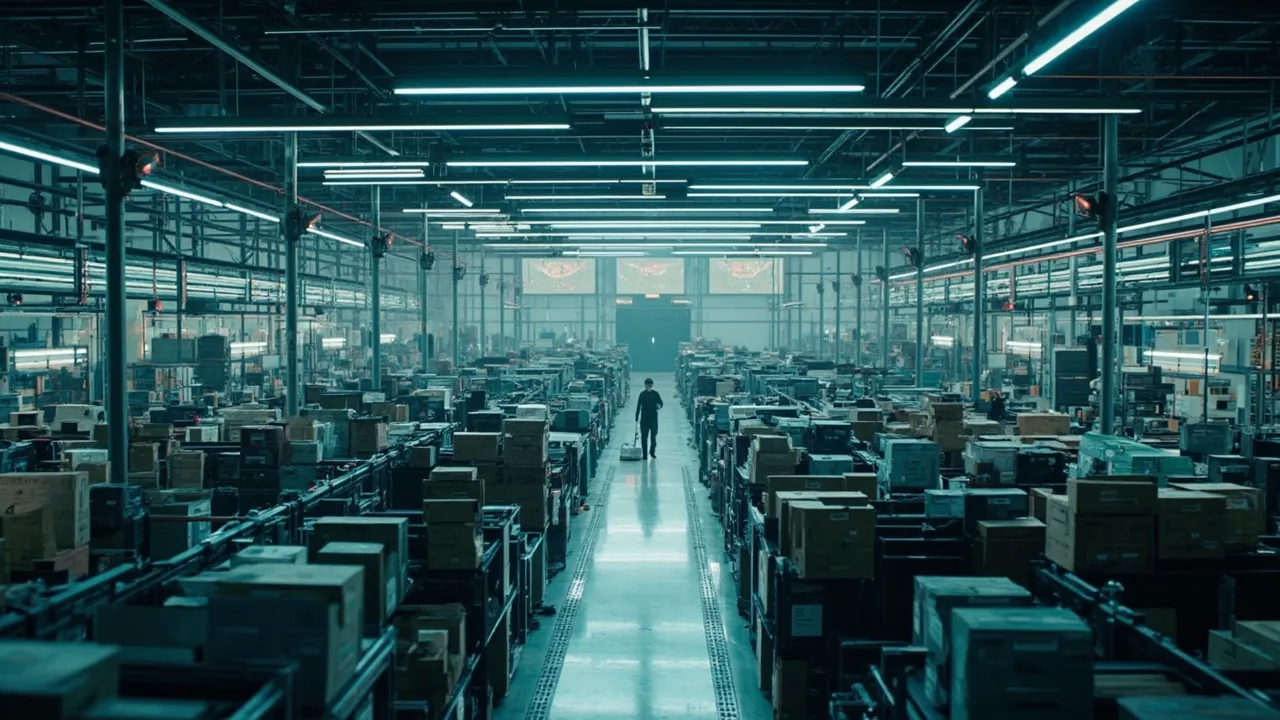
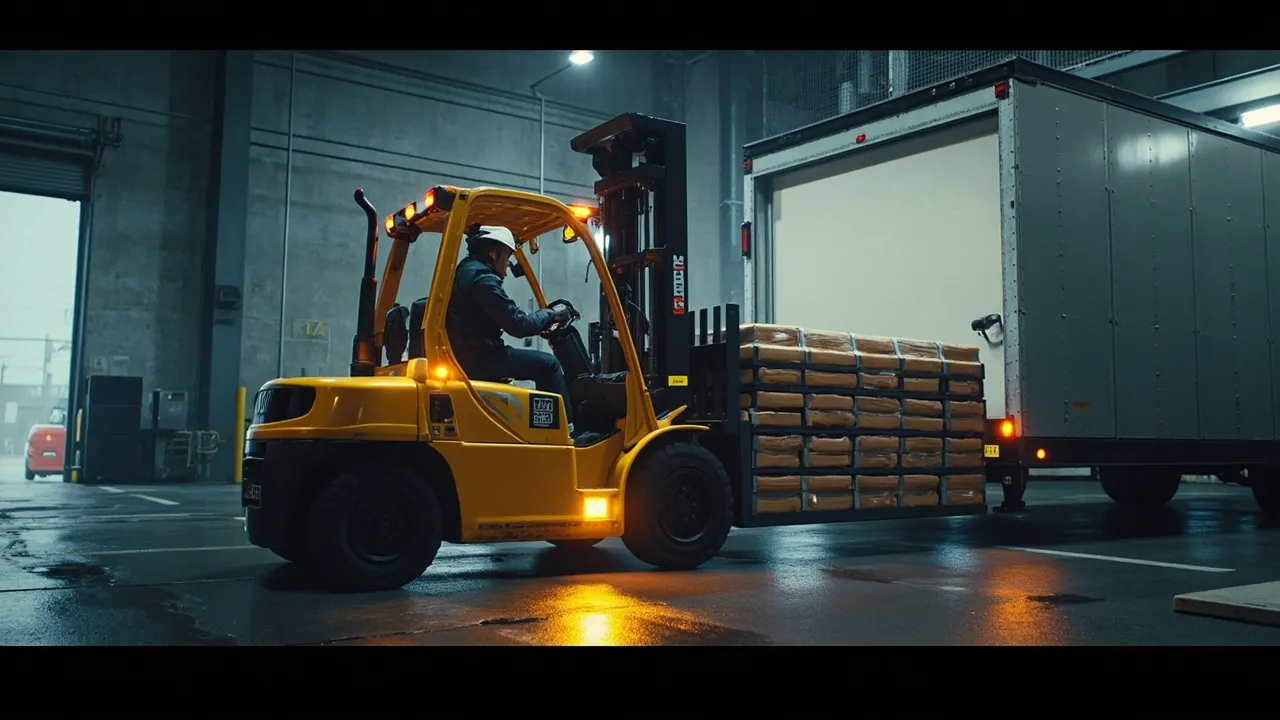
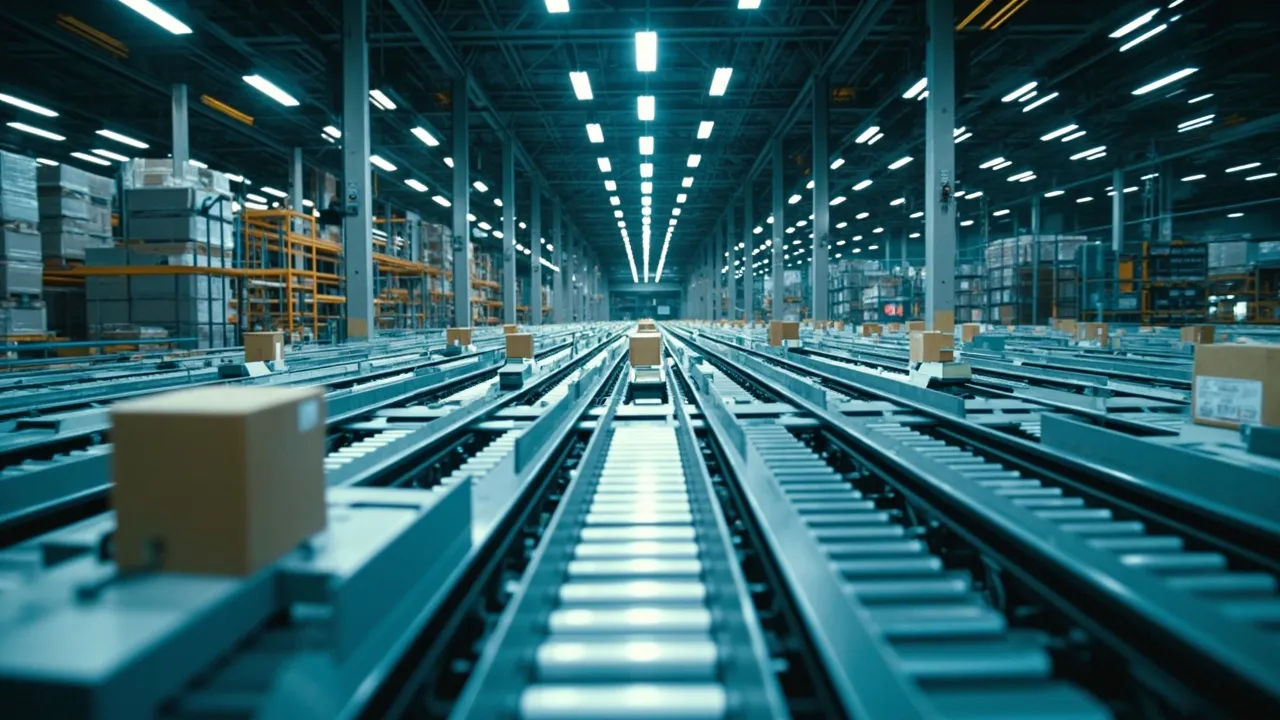
MODEX 2026 Drew 50,000 Visitors. The Real Story Is Which Warehouse Bets Are Getting Serious Money.

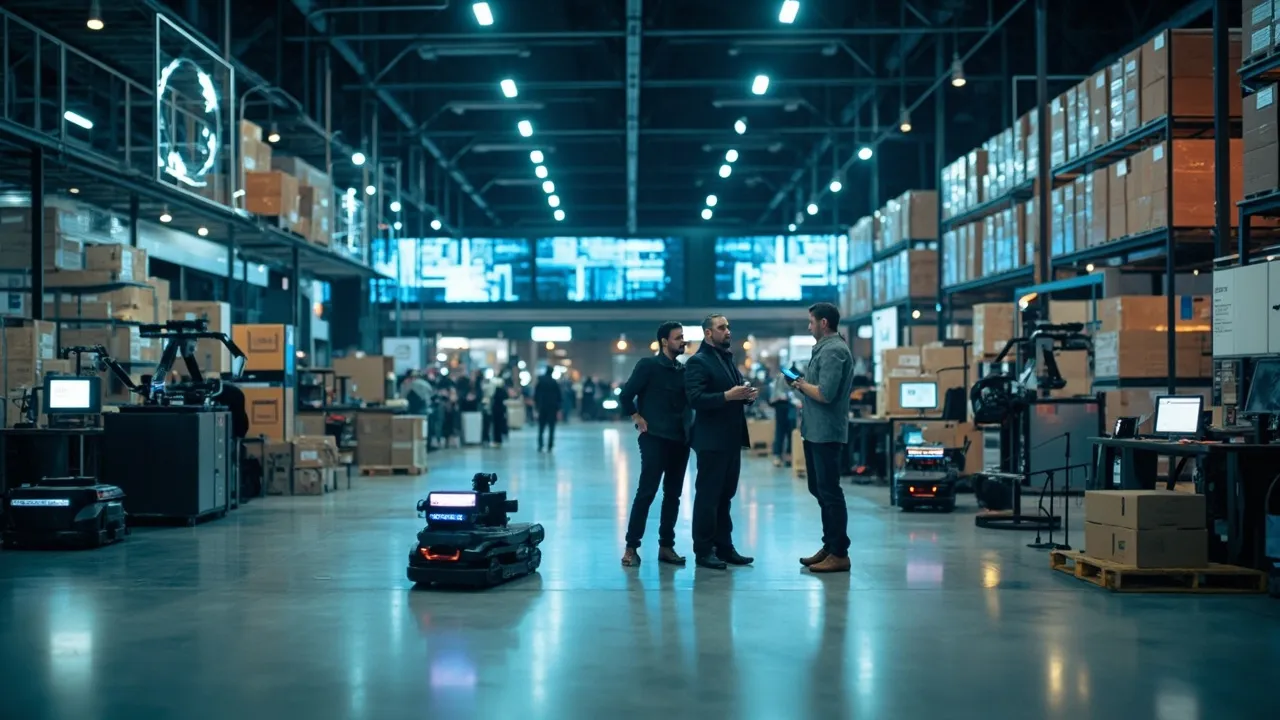
Big trade shows are usually full of noise, oversized booths, and enough buzzwords to short-circuit a forklift. MODEX 2026 felt different. The scale mattered, but the signal mattered more.
According to Modern Materials Handling, MODEX 2026 brought in 50,000 registered visitors, 1,057 exhibitors, and 630,000 net square feet of exhibits. That is not just a healthy event turnout. That is a market-wide statement that warehouse operators, manufacturers, and logistics teams are still willing to spend, but they are getting much more selective about where the money goes.
That distinction is the whole story. In 2026, the winning categories are not the flashiest demos. They are the tools that help operators move labor, throughput, inventory accuracy, and execution discipline in measurable ways.
What record attendance really means
A record-breaking show can be interpreted two ways. The lazy reading is that supply chain tech is hot. True, but obvious. The better reading is that buying teams are still actively shopping despite a messy macro backdrop.
MMH noted that attendees came from every U.S. state and 132 countries, with participation from Fortune 1000 manufacturers, top retailers, and major consumer goods companies. That matters because enterprise buyers do not send operations, engineering, and IT leaders to Atlanta for a four-day field trip. They go when capital planning is active, vendor lists are changing, and implementation priorities are being pressure-tested.
In other words, MODEX looked less like a technology carnival and more like a giant due-diligence floor.
The biggest investment theme is AI, but not the sexy version
The loudest theme at the show was AI, and for once the data actually backs the noise.
Logistics Management reported that the new MHI-Deloitte industry report identified AI as the top supply chain disruptor for the next decade. In the survey, 24% of respondents called AI transformational, while 48% said its impact would be significant or greater, which was up 25 percentage points from 2025. Robotics and automation ranked second, with 39% rating their impact as significant or greater, up 16 percentage points year over year.
That is the useful clue. Buyers are not abandoning automation. They are reframing it. The money is flowing toward software layers that improve decisions around labor planning, slotting, exception management, inventory positioning, and warehouse orchestration. Physical automation still matters, but the market increasingly wants systems that make existing operations smarter before it commits to giant fixed-installation projects.
My take: that is overdue. Too many warehouse technology programs have been sold like theme-park rides when what operators actually need is tighter execution.
Ergonomics is no longer the side conversation
Another shift coming out of MODEX is that ergonomics has clearly moved from safety talking point to investment category.
That makes sense in a labor market where retention is still fragile, training cycles are expensive, and repetitive handling tasks keep showing up as hidden productivity drains. Buyers are looking harder at workstation design, lift-assist systems, goods-to-person interfaces, wearables, and workflow changes that reduce fatigue without forcing a full network redesign.
This is where a lot of practical capital will land in 2026. Not because ergonomics is trendy, but because it helps operators defend throughput, reduce injury risk, and make automation adoption less miserable for the people using it.
A warehouse budget that ignores ergonomics is usually pretending labor volatility is somebody else’s problem.
Packaging automation is finally getting the respect it deserves
Packaging used to sit in the shadow of robots, AS/RS systems, and flashy picking demos. That era looks done.
At a show this large, the message was pretty clear: fulfillment economics are increasingly won or lost in the unglamorous details. Carton right-sizing, void reduction, print-and-apply, faster pack-out, and better station design all have a direct effect on labor time, DIM weight exposure, materials cost, trailer cube, and downstream parcel spend.
That is exactly the kind of investment buyers want right now. It does not require betting the entire operation on one moonshot. It improves cost and service metrics fast. And unlike some giant automation projects, packaging improvements usually hit the P&L quickly enough to survive real budget scrutiny.
Orchestration is beating isolated point solutions
MODEX also reinforced a broader market preference for orchestration over disconnected tools.
Operators are tired of buying one application for labor, another for execution visibility, another for dock planning, and three more to patch over exception handling. The appeal of orchestration platforms is not philosophical. It is operational. Teams want fewer handoffs, better exception visibility, and cleaner decision-making across receiving, storage, picking, packing, and outbound movement.
That is especially true when capex committees are asking harder questions. If a vendor cannot explain how its product fits into execution across the full warehouse flow, it starts looking like shelfware with a prettier booth.
Why “practical automation” is winning
The deeper lesson from MODEX 2026 is that the market is shifting from wow-factor robotics to deployable automation.
That does not mean robotics is cooling off. It means buyers want proof of integration speed, labor impact, maintenance reality, and payback discipline. They want systems that can coexist with messy brownfield facilities, uneven SKU profiles, seasonal volume spikes, and workers who do not have time for a six-month learning curve.
That is why the winners in 2026 are likely to be vendors that do four things well:
- show measurable operational value quickly
- integrate with existing warehouse and transportation systems cleanly
- improve labor productivity without creating new process chaos
- support phased rollouts instead of all-or-nothing transformations
That is not less ambitious. It is just less stupid.
A buying guide for operators planning 2026 capex
If your team is translating MODEX takeaways into budget decisions, keep the filter simple.
First, prioritize technologies that improve execution before those that merely impress visitors. Second, ask whether the solution reduces process friction across multiple functions, not just one isolated task. Third, look for fast, defensible ROI tied to labor, throughput, accuracy, cube utilization, or parcel cost. Fourth, push vendors hard on implementation reality in brownfield sites. If the answer only works in a pristine demo environment, it is probably not your answer.
The scale of MODEX 2026 proves the warehouse technology market still has serious momentum. But the more important message is where buyers are concentrating that momentum: AI-enabled execution, ergonomics, packaging, orchestration, and automation that can survive contact with the real world.
That is where serious money is going now, and honestly, it should be.
If your team is evaluating warehouse execution, visibility, and transportation coordination investments for 2026, book a CXTMS demo to see how CXTMS helps logistics operators turn software decisions into cleaner day-to-day execution.