Resilience
35 posts tagged with “Resilience”

Supply Chain Recovery Time: Measure the Tail After the Disruption Ends
Learn how to measure supply chain recovery time across backlog, equipment, appointments, and service instead of mistaking reopening for recovery.
 CXTMS InsightsSeptember 27, 2026 · 6 min read
30% of Resilient Supply Chains Still Underperform: Connect Every Resilience Control to a Business Outcome
Why mature resilience programs can still underperform—and how to connect visibility, buffers, and response controls to margin, service, cash, and recovery outcomes.
CXTMS InsightsSeptember 20, 2026 · 6 min read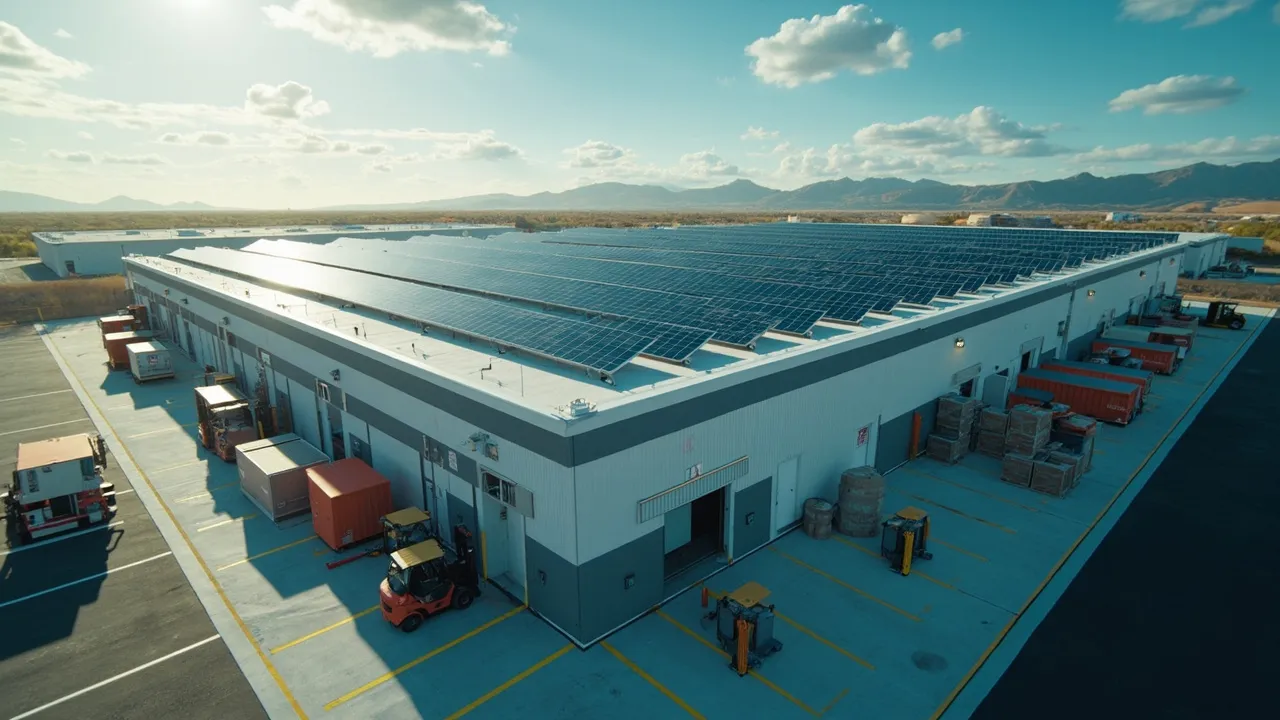
Distribution Center Solar Needs an Operations SLA, Not Just a Sustainability Target
Turn distribution center solar from an emissions project into an operating resource with clear uptime, peak-shaving, maintenance, and disruption rules.
CXTMS InsightsSeptember 19, 2026 · 6 min read
Reckitt's $400M U.S. Supply Chain Investment: Govern Capacity by Launch Milestone
Turn Reckitt's $400 million U.S. manufacturing expansion into a practical milestone model for capacity, inventory, freight, and launch risk.
CXTMS InsightsSeptember 18, 2026 · 6 min read
Time-Critical Logistics Needs a Preauthorized Response Matrix
A preauthorized response matrix helps logistics teams act on urgent freight in minutes, with defined carrier tiers, spending limits, evidence, and escalation rules.
CXTMS InsightsAugust 31, 2026 · 6 min read
Four Active Labor Disputes Need One Supply Chain Continuity Trigger Map
Turn changing labor-dispute headlines into operational triggers for inventory, alternate sourcing, premium freight, and recovery decisions.
CXTMS InsightsAugust 24, 2026 · 5 min read
Kimberly-Clark’s Alternative Fiber Pilot: A New Model for Raw-Material Resilience
Kimberly-Clark’s Yuma hesperaloe pilot shows how manufacturers can qualify alternative raw materials while controlling cost, quality, logistics, and chain-of-custody risk.
CXTMS InsightsAugust 22, 2026 · 6 min read
Warehouse Technology Selection Needs a Disruption Recovery Test
Warehouse technology buyers should test degraded operations, recovery time, data reconciliation, and vendor response before selecting automation or software.
CXTMS InsightsAugust 20, 2026 · 6 min read
Critical Supplier Failure: Build a Product-Level Exposure Graph Before the Next Alert
Turn supplier-risk alerts into product-level action by linking sites, parts, orders, shipments, finished goods, and accountable response teams.
CXTMS InsightsAugust 18, 2026 · 6 min read
GM's $4.5 Billion Safety Fund: Turning Critical-Parts Reserves Into Release Rules
GM's proposed $4.5 billion supply disruption fund shows why manufacturers need explicit release rules linking resilience spending to parts, plants, shipments, and service outcomes.
CXTMS InsightsAugust 18, 2026 · 6 min read