resilience
31 posts tagged with “resilience”

Manufacturing Resilience Depends on Freight Rules Hidden Inside Supplier Decisions
Manufacturing resilience breaks down when supplier changes do not carry the freight rules needed to move parts, protect plant schedules, and control logistics risk.
 CXTMS InsightsJuly 12, 2026 · 6 min read
Automation Does Not Make Supply Chains Fragile. Bad Integration Does.
Supply chain automation only improves resilience when alerts, escalation paths, ownership, and freight execution workflows are integrated.
CXTMS InsightsJune 4, 2026 · 7 min read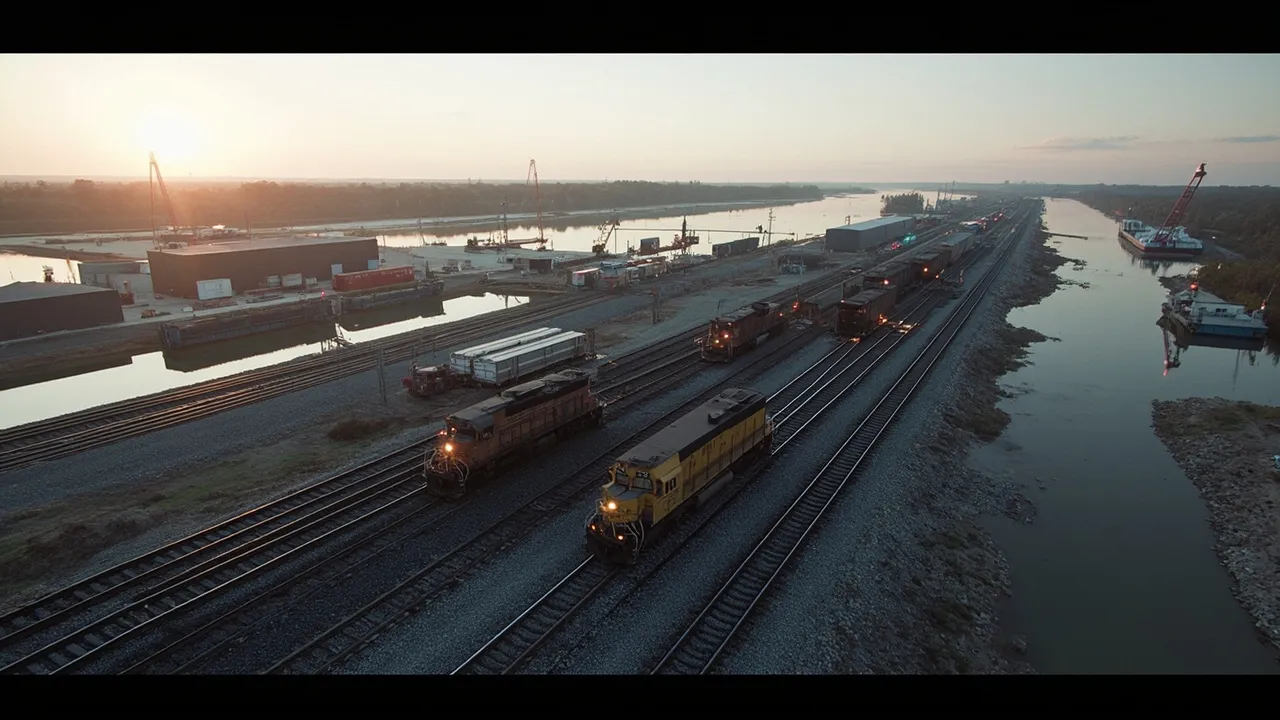
An Arkansas Port’s Rail Rebuild Shows Why Inland Ports Need Disaster-Ready Capacity Plans
An Arkansas inland port rail rebuild shows why shippers need disaster-ready capacity plans across rail-served nodes, transload partners, and alternate drayage.
CXTMS InsightsJune 2, 2026 · 6 min read
U.K. Stockpiling Warning: Why Critical Goods Resilience Is Becoming a Logistics Operating Discipline
The U.K. stockpiling warning shows why critical goods resilience now needs governed replenishment, transport visibility, and contingency routing.
CXTMS InsightsMay 29, 2026 · 7 min read
Supply Chain Resilience Is No Longer a Just-in-Case Slogan. It Needs Operating Rules.
Supply chain resilience now needs executable operating rules for buffers, dual sourcing, mode switching, and transportation margin decisions.
CXTMS InsightsMay 28, 2026 · 6 min read
Disaster Logistics Is Still Too Reactive. The 2026 ALAN Survey Shows Where Preparedness Breaks Down.
ALAN's 2026 Humanitarian Logistics Survey shows why disaster response still depends on better preparedness, shared capacity, partner visibility, and execution discipline.
CXTMS InsightsMay 24, 2026 · 6 min read
Dollar Tree’s Arizona DC Shows Retail Resilience Is Becoming a Transit-Time Problem
Dollar Tree’s new Arizona distribution center shows why retail logistics resilience now depends on regional transit-time control, store density, and execution visibility.
CXTMS InsightsMay 18, 2026 · 7 min read
Supply Chain Risk Management Is Moving From Alerts to Action
Supply chain risk management is shifting from disruption alerts to operational response workflows that change load plans, carrier choices, and customer promises.
CXTMS InsightsMay 16, 2026 · 6 min read
Disaster Logistics Has a Data Gap: What Humanitarian Supply Chains Can Teach Commercial Shippers
Disaster logistics exposes the same visibility, capacity, and exception-management gaps that commercial shippers face when disruption hits. Here is the resilience playbook.
CXTMS InsightsMay 10, 2026 · 7 min read
BCG's Autonomous Supply Chain Framework: Why the Self-Steering Network Is No Longer Optional
BCG's five-stage autonomous supply chain maturity model is reshaping how logistics operators think about AI, exception management, and resilience. Here's what it means for your network in 2026.
CXTMS InsightsMay 5, 2026 · 5 min read