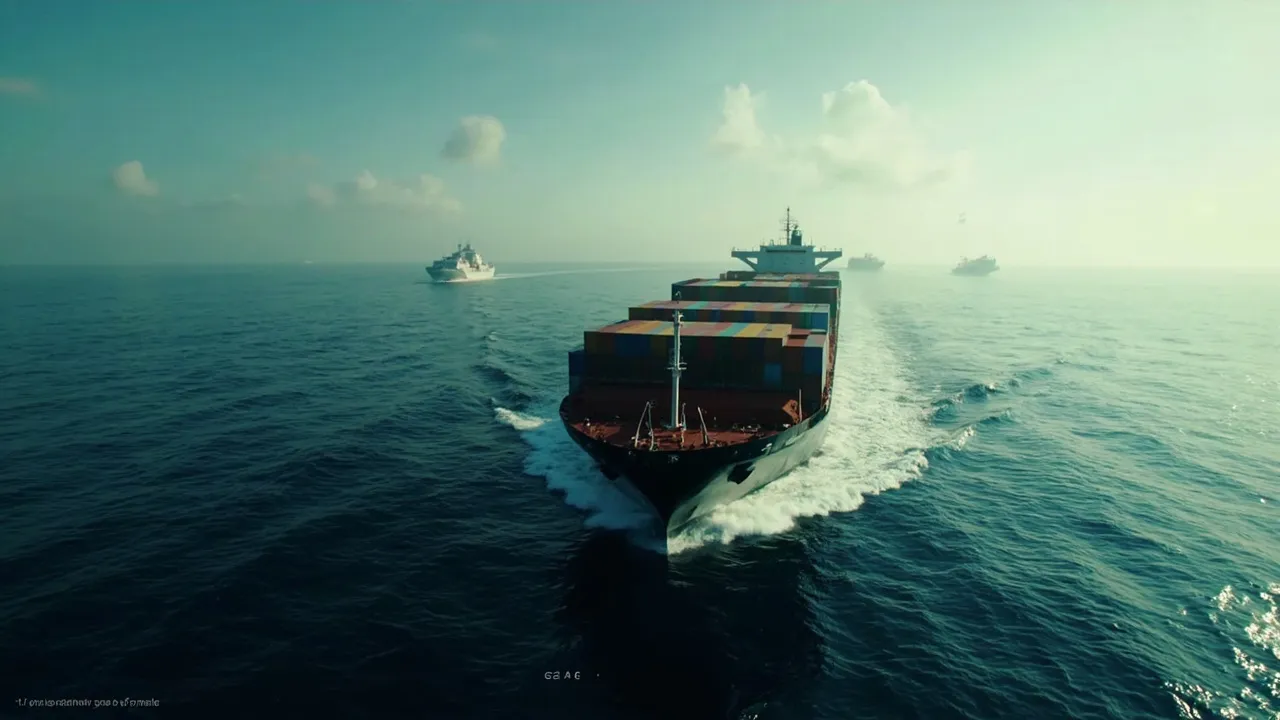
U.K. Stockpiling Warning: Why Critical Goods Resilience Is Becoming a Logistics Operating Discipline

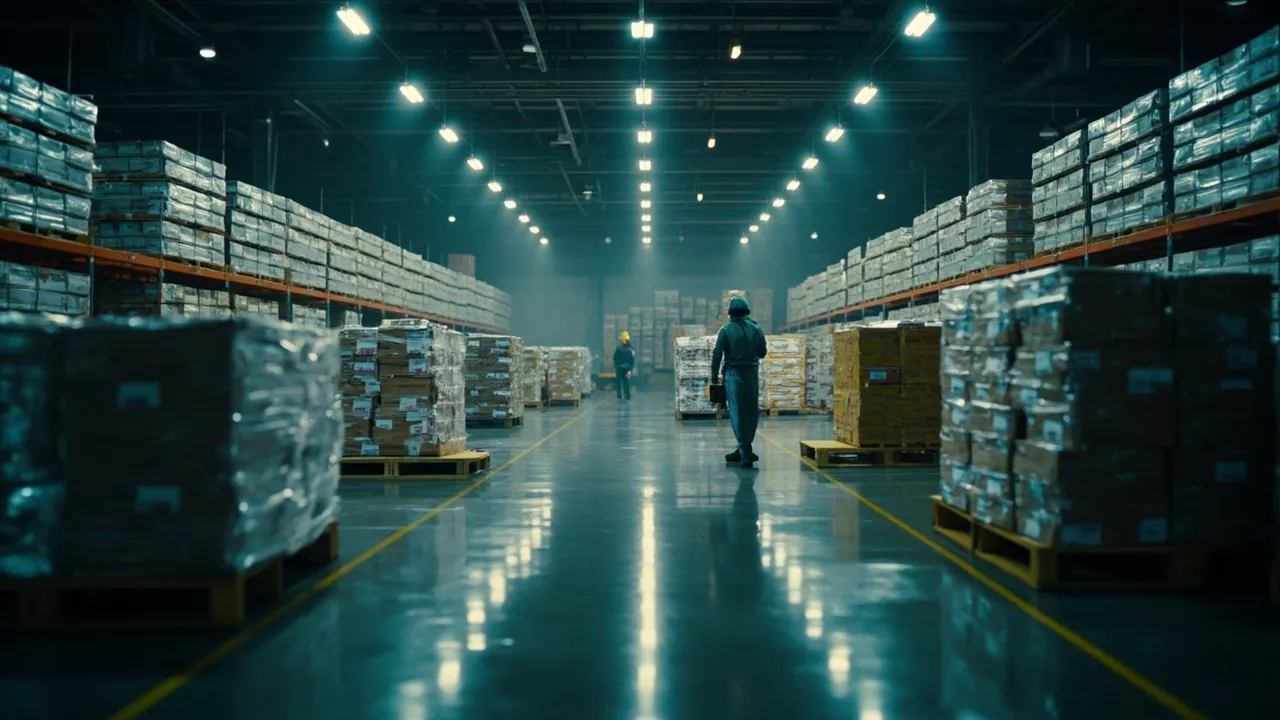
The U.K.'s latest stockpiling warning is not really about warehouses full of emergency goods. It is about whether critical supply chains have enough operating discipline to keep moving when the next shock hits.
A new National Preparedness Commission report, covered by Supply Chain Brain, says Britain is "sleepwalking into the next crisis through hesitancy and imprecision." The finding is blunt: the country lacks adequate stockpiles of critical goods, remains heavily dependent on fragile international supply networks, and has no coordinated national strategy for maintaining emergency reserves during a prolonged disruption.
The practical details matter. Healthcare suppliers are required to hold at least eight weeks of buffer stock for hospitals, yet compliance has reportedly been inconsistent. The U.K. also has no strategic food stockpile and does not require wholesalers or distributors to maintain their own food buffers. By contrast, the report notes that some EU nations encourage households to keep emergency food and water, while Finland and Switzerland have increased national stockpiles of wheat, rice, and corn.
That is a public-policy story. But for freight forwarders, shippers, and logistics teams, it is also an execution story. Critical goods resilience cannot depend on occasional crisis buying or heroic phone calls after a route fails. It has to become a governed operating discipline: mapped suppliers, explicit buffer rules, known replenishment lanes, visibility into exceptions, and pre-approved contingency routes.
Stockpiling without replenishment logic is just expensive storage
The weakest version of resilience is buying inventory once and calling the problem solved. That may create comfort for a quarter, but it does not create a durable supply chain. Medicines expire. Food has shelf-life constraints. Safety stock becomes stranded if demand shifts, packaging changes, or transport capacity tightens in the wrong region.
A critical-goods program needs replenishment logic, not static hoarding. Which SKUs require mandatory reserves? Which locations should hold them? How often should buffers rotate? What demand signal triggers a protected replenishment move? Which modes are acceptable when lead times stretch? Who can approve premium freight before a stockout becomes visible to customers or patients?
Those questions belong in operating workflows. If the rule is "eight weeks of hospital buffer stock," the transportation plan has to know when the buffer falls below threshold, whether inbound shipments are on time, and which suppliers or lanes are creating risk. Otherwise the requirement sits in a policy document while the actual exception arrives quietly in a delayed container, a missed cross-dock appointment, or a supplier ASN that never shows up.
Supplier mapping is now a resilience control
The NPC warning points to Britain's dependence on vulnerable international supply chains. That phrase can sound abstract until a logistics team tries to answer a simple question during a disruption: which orders, customers, and locations are exposed to this supplier, port, country, or lane?
Too many organizations still cannot answer quickly. Supplier master data may live in procurement. Shipment milestones may live in carrier portals. Inventory records may sit in an ERP. Forwarder updates may arrive by email. By the time the company understands its exposure, the best recovery options are already gone.
Supplier mapping has to be connected to transportation execution. For critical goods, every priority SKU should have an exposure profile: supplier origin, manufacturing site, port pair, carrier dependencies, transit-time range, customs requirements, substitution options, and downstream inventory locations. That profile lets the logistics team model disruption before it becomes a shortage.
It also changes the role of the freight forwarder. Forwarders are not just booking capacity; they are helping clients understand where resilience actually breaks. A forwarder with structured lane data, document status, sailing schedules, exception notes, and destination milestones can identify which buffers are likely to be consumed before replenishment arrives.
Buffer location matters as much as buffer quantity
The U.K. food-stockpile discussion highlights a common trap: measuring reserves nationally while ignoring where goods need to be when demand spikes. A pallet in the wrong region is not resilient. It is trapped working capital.
Critical goods require buffer-location planning. Some inventory belongs near hospitals, fulfillment points, ports, or production sites. Some belongs upstream, close to manufacturers. Some should sit in regional nodes where it can serve multiple demand points. The right design depends on shelf life, cold-chain requirements, customs status, domestic transport capacity, and the consequences of delay.
Deloitte's Consumer Products Industry Outlook reinforces why this has to be a business decision, not a warehouse-only decision. Its research covered the global top 100 consumer products companies and a survey of 250 senior executives at companies above US$500 million in revenue. Deloitte argues that consumer products companies need enhanced operations and supply chain capability as price-led growth becomes harder and profitable volume matters more.
That applies directly to critical goods. Resilience inventory has a cost, but so do stockouts, emergency procurement, expedited freight, waste, and public-service failure. The answer is not maximum inventory everywhere. The answer is governed inventory in the locations where recovery time would otherwise exceed acceptable service risk.
Exception visibility turns resilience from policy into action
Critical-goods logistics fails when warning signals arrive too late. A purchase order is delayed, but no one connects it to a hospital buffer. A vessel misses a transshipment, but the replenishment risk is buried in a spreadsheet. A supplier ships short, but the downstream allocation impact is not visible until the receiving team opens the trailer.
Resilience needs exception visibility tied to inventory sensitivity. That means milestone alerts should not treat every shipment equally. A delayed container of seasonal promotional goods is not the same as a delayed replenishment of medical supplies, food staples, or emergency repair parts. The system should know which shipments protect critical buffers and escalate them accordingly.
For freight forwarders, this is where service differentiation becomes real. Clients do not just need another status update saying a shipment is delayed. They need to know what the delay threatens, which alternatives are available, what each option costs, and how quickly a decision must be made.
Contingency routing should be pre-built, not improvised
The NPC report cites a potential Strait of Hormuz closure as part of the drumbeat of wake-up calls around supply chain resilience. That kind of scenario is exactly why contingency routing has to be defined before the disruption.
A useful resilience plan identifies alternate ports, backup carriers, mode-switch thresholds, customs-document requirements, domestic transfer options, and approval limits. It also defines when to use each option. Without that decision logic, teams burn precious hours debating whether to reroute, expedite, split shipments, or wait.
CXTMS helps logistics teams put that discipline into daily execution. With shipment planning, milestone tracking, document control, carrier workflows, and exception management in one operating layer, CXTMS gives forwarders and shippers the visibility needed to manage critical goods by risk, not just by booking number.
The U.K. warning is a reminder that resilience is no longer a vague strategic virtue. It is a measurable logistics capability. If your critical-goods plan still depends on manual tracking and last-minute escalation, book a CXTMS demo to see how structured transport workflows can turn stockpiling policy into operational control.