Port Logistics
8 posts tagged with “Port Logistics”
SC Ports' New Huntsville Rail Lane: How to Qualify an Intermodal Alternative to Trucking
A practical framework for testing SC Ports' new Huntsville rail service against truckload on cost, transit reliability, drayage, and operational risk.
 CXTMS InsightsSeptember 16, 2026 · 6 min read
Port-Centric LTL Hubs Need a Container-to-Pallet Handoff Clock
A practical operating model for timing the handoff from marine container availability through drayage, palletization, and outbound LTL linehaul.
CXTMS InsightsAugust 14, 2026 · 6 min read
New York-New Jersey Moved 503,016 Loaded TEUs: Measure Import Velocity Beyond Port Volume
Port volume shows how many containers crossed the quay. Import velocity shows how quickly usable freight reached the warehouse. Build a better gateway scorecard.
CXTMS InsightsAugust 10, 2026 · 6 min read
RAG and Vector Databases Can Make Dutch Port Logistics AI Auditable
RAG and vector databases can give Dutch port teams faster AI answers while preserving citations, permissions, timestamps, and human release controls.
CXTMS InsightsAugust 3, 2026 · 6 min read
Savannah's Brampton Road Connector Makes Port Drayage a Roadway-Design Problem
Savannah's Brampton Road Connector shows why port drayage visibility now has to account for roadway design, rail crossings, appointment buffers, and inland routing rules.
CXTMS InsightsJuly 15, 2026 · 6 min read
The Port of Long Beach Green Truck Corridor Turns Drayage Decarbonization Into Route Design
The Port of Long Beach green truck corridor shows why zero-emission drayage depends on route density, charging placement, appointment discipline, and facility readiness.
CXTMS InsightsJune 20, 2026 · 7 min read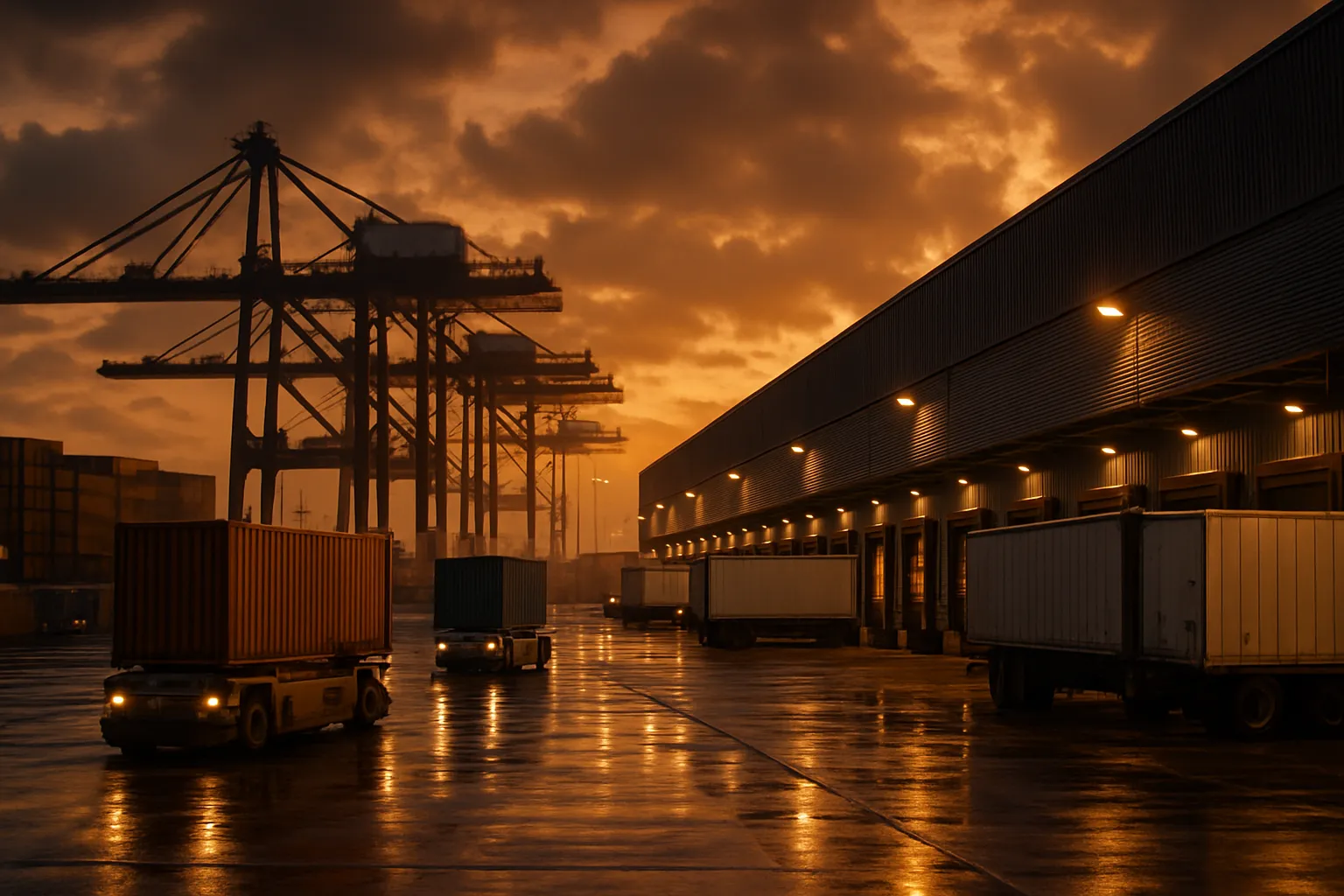
Port-Centric Logistics: Why Shippers Are Moving Distribution Directly to the Port in 2026
Port-centric logistics is reshaping how importers distribute goods in 2026. Learn why shippers are moving warehousing and fulfillment closer to the dock—and how it cuts drayage costs, reduces transit times, and builds supply chain resilience.
CXTMS InsightsMarch 19, 2026 · 6 min read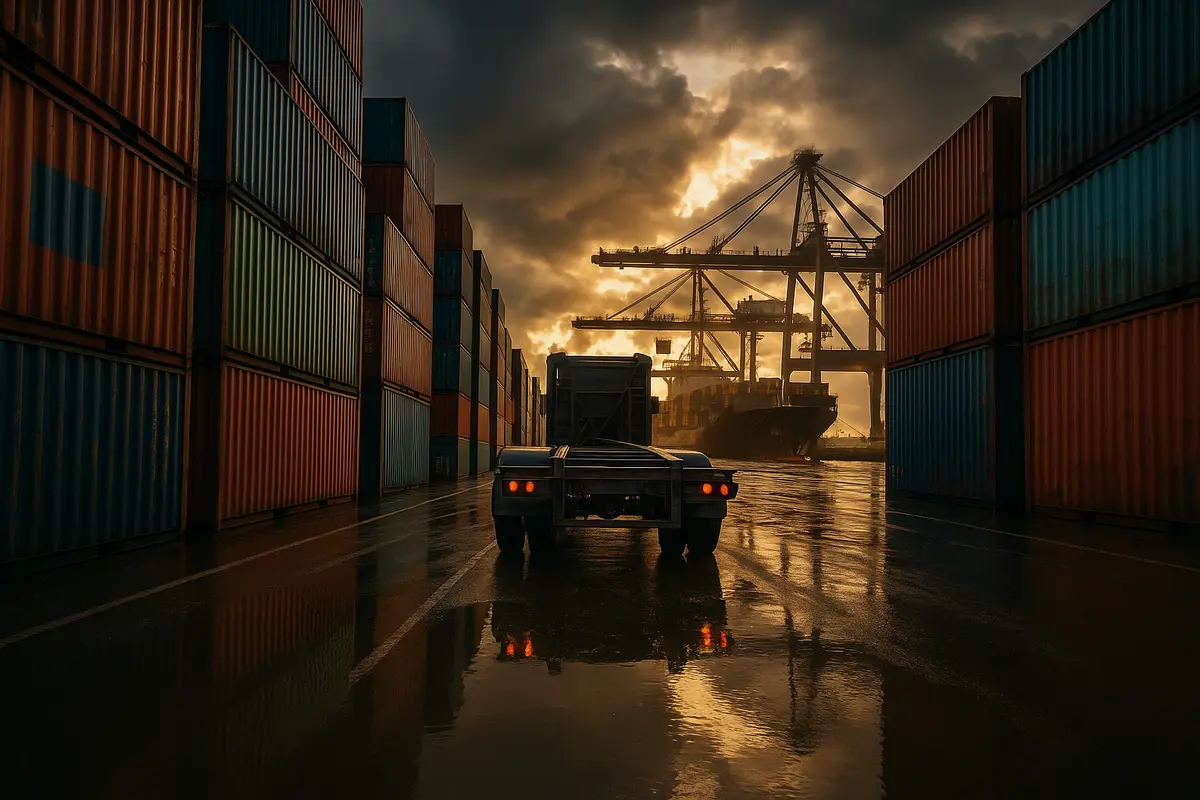
Port Drayage Volatility Hits 2026: How Weather, Congestion, and New Rules Are Disrupting First-Mile Container Movement
Winter storms, inland rail congestion, and new compliance rules are creating unprecedented drayage volatility in early 2026. Here's how shippers can protect their first-mile container movement.
CXTMS InsightsFebruary 22, 2026 · 6 min read