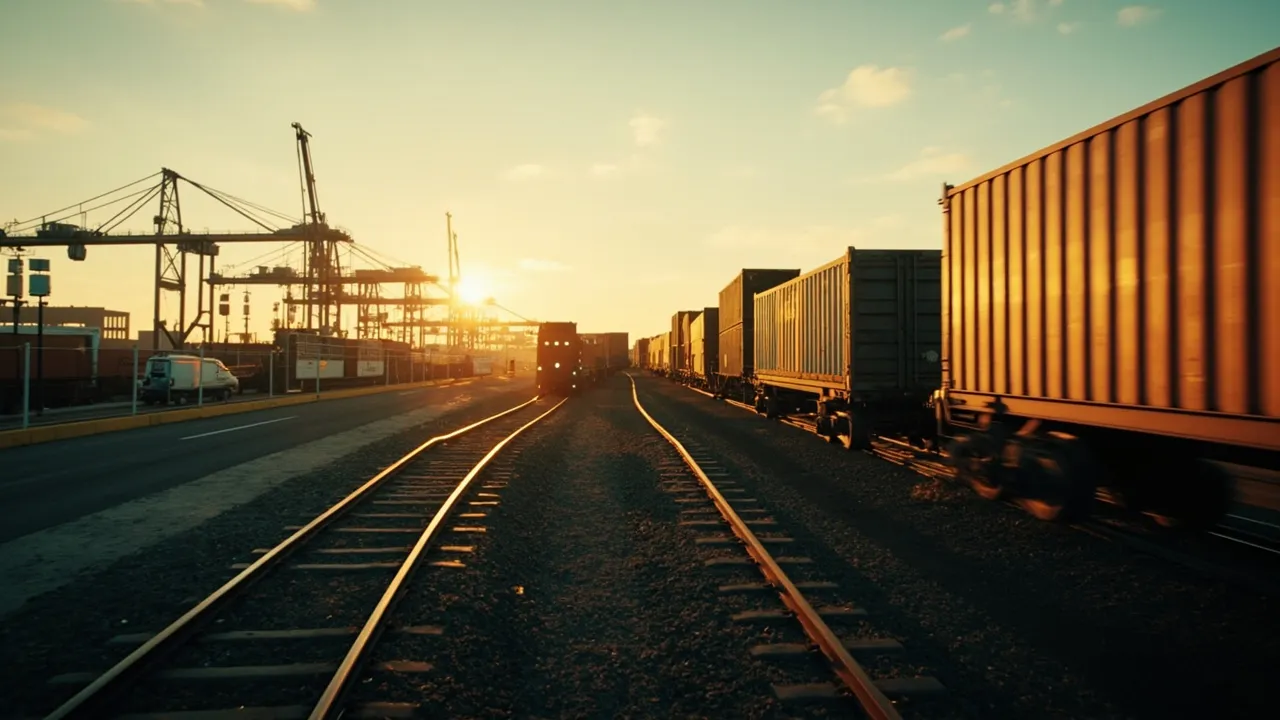
Port-Centric Logistics: Why Shippers Are Moving Distribution Directly to the Port in 2026

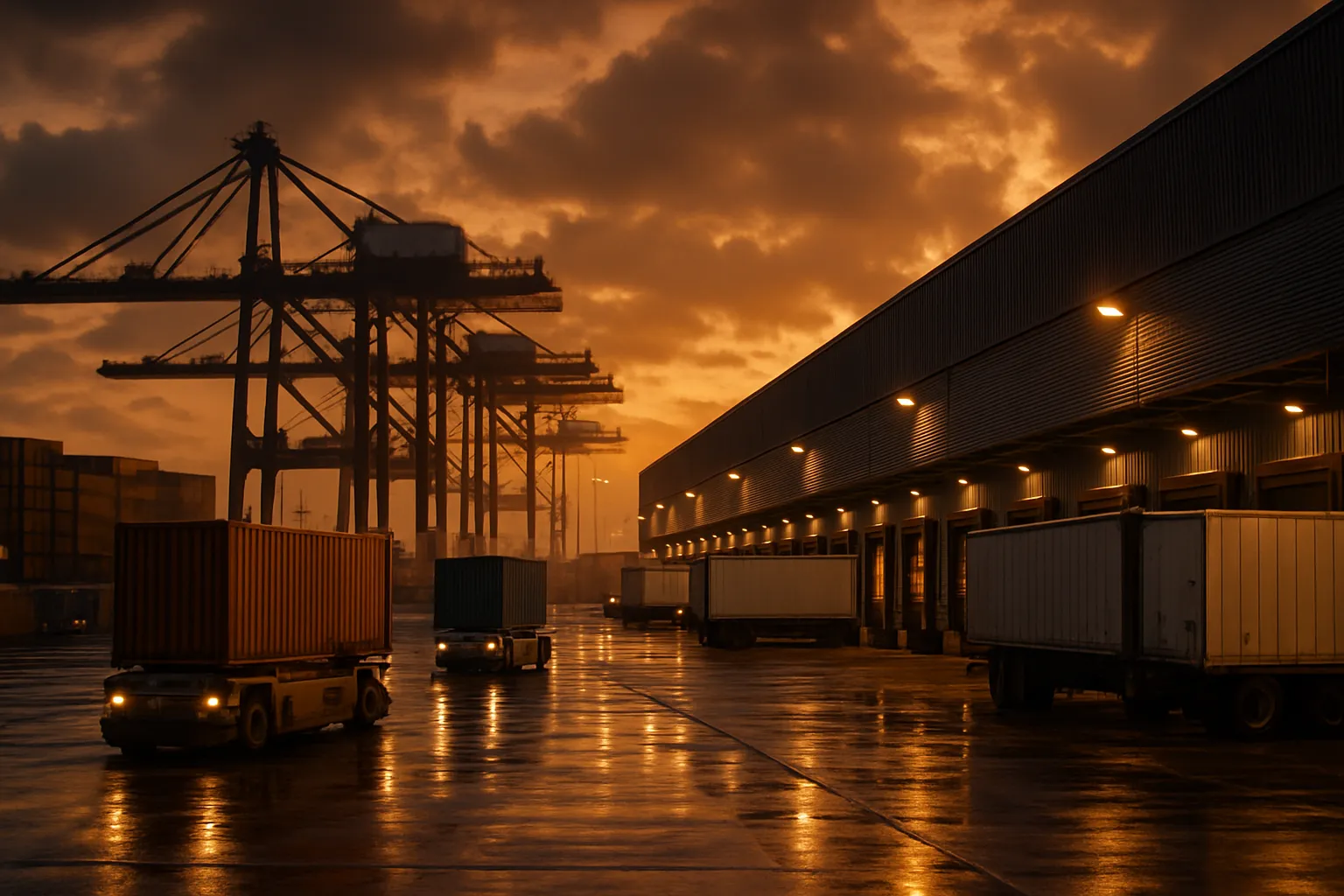
More than 80 percent of global trade volume moves by sea, according to UN Trade and Development. When containers slow down at the port, the ripple effects hit inventory, cash flow, and customer satisfaction in equal measure.
That reality is driving a fundamental shift in distribution strategy. Instead of rushing containers inland the moment they clear customs, a growing number of importers are rethinking where goods are stored, sorted, and shipped. The approach is called port-centric logistics—and in 2026, it is moving from niche tactic to mainstream strategy.
What Is Port-Centric Logistics?
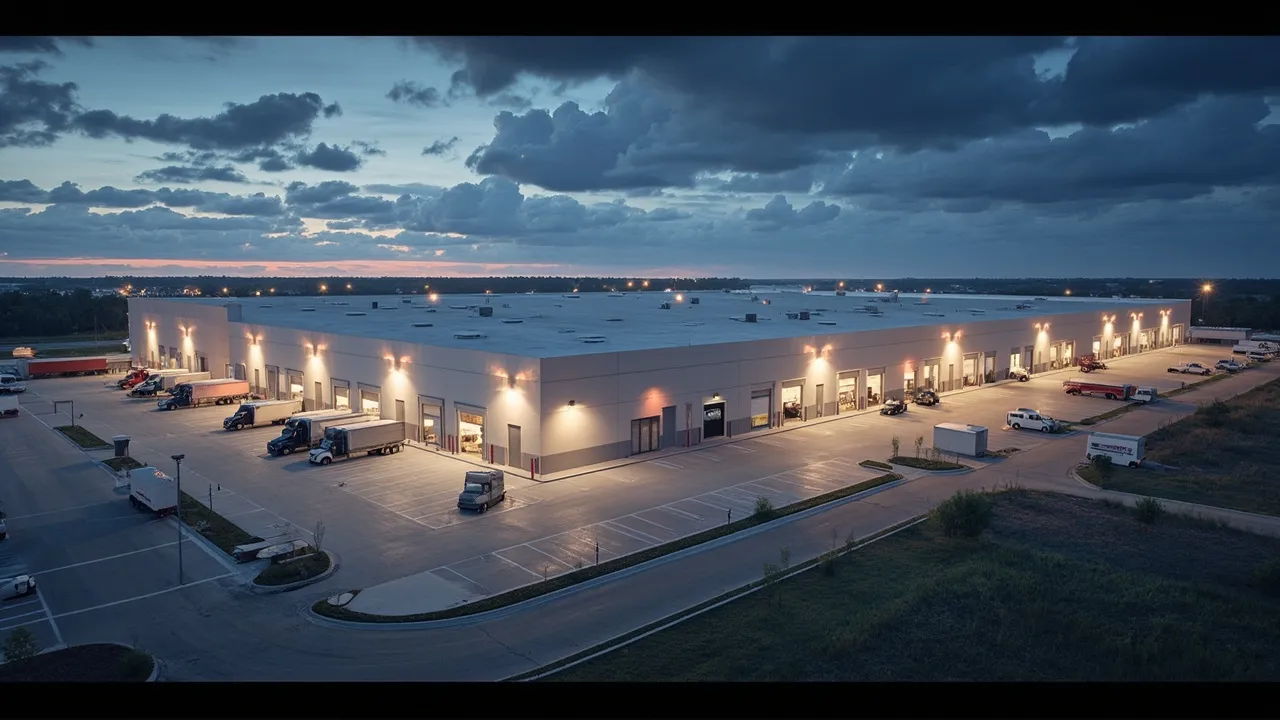
Port-centric logistics positions warehousing, transloading, and fulfillment operations at or near the port of arrival rather than at inland distribution centers. Containers are drayed short distances to a port-adjacent facility, unpacked or consolidated, and then dispatched inland in optimized full truckloads or intermodal units.
The model reduces handling steps, shortens drayage legs, and keeps inventory closer to the point of entry—giving shippers more control over timing, cost, and flexibility.
Why 2026 Is the Inflection Point
Several converging forces are making port-centric distribution more attractive than ever.
Warehouse Demand at Coastal Gateways Is Surging
According to FreightWaves reporting on Prologis data, U.S. logistics space demand is projected to reach a three-year high in 2026, driven largely by e-commerce expansion and companies repositioning inventory closer to consumers. Coastal markets like the Inland Empire and New Jersey are forecast to lead the recovery, with warehouse utilization expected to hit 85.5 percent nationally—a level Prologis classifies as expansionary.
E-commerce companies alone are expected to account for nearly 25 percent of new warehouse leasing in 2026 as global e-commerce penetration approaches 20 percent of total retail sales.
Trucking Capacity Is Tightening—and Rates Are Climbing
Prologis projects that shrinking trucking capacity will drive double-digit freight rate increases in 2026, making transportation an even larger share of total supply chain spend. Heightened regulatory enforcement—including California's cancellation of thousands of CDLs following a federal audit—is accelerating capacity removal from the market.
For importers relying on long-haul drayage from port to inland DC, those rate hikes compound quickly. Port-centric distribution shortens the initial move to as little as 10–30 miles, insulating shippers from the worst of the inland freight cost spiral.
Tariff Volatility Demands Flexibility
Tariff-driven import surges continue to create unpredictable volume spikes at U.S. gateways. When shippers can stage inventory at port-adjacent facilities, they build a buffer that absorbs demand swings without committing to costly emergency inland transportation.
The Cost Equation: Port-Adjacent vs. Inland Distribution
The economic case for port-centric logistics centers on three cost levers:
1. Drayage Savings Shorter drayage legs—typically under 30 miles versus 100+ miles to an inland DC—reduce per-container transportation costs significantly. Fuel surcharges, driver hours-of-service constraints, and chassis rental fees all decrease when the move stays local.
2. Demurrage and Detention Avoidance Containers sitting at the terminal rack up per diem and detention charges that escalate daily. A port-adjacent warehouse with tight appointment scheduling can turn containers faster, returning equipment within free time windows and avoiding penalty fees that routinely add $150–$300 per day.
3. Consolidated Outbound Loads Rather than shipping partially loaded trailers inland immediately, port-centric operations consolidate multiple SKUs or supplier shipments into full truckloads. The result is better trailer utilization and lower per-unit linehaul costs for the inland leg.
How 3PLs Are Opening the Door for Mid-Size Shippers
Port-centric logistics was once the domain of major retailers and high-volume importers who could justify dedicated port-adjacent facilities. That is changing rapidly.
Third-party logistics providers now offer shared-space models at major gateway ports—Savannah, Long Beach, Newark, Houston—allowing mid-size shippers to access port-adjacent warehousing without long-term lease commitments. Multi-client facilities spread fixed costs across tenants while providing each shipper with dedicated inventory management and order fulfillment capabilities.
This shared infrastructure model is particularly valuable for seasonal importers who need surge capacity during peak periods but cannot justify year-round dedicated space.
Technology Enablers: Visibility at the Port's Edge
Port-centric distribution only works when shippers have real-time visibility into what is happening at the facility. Key technology capabilities driving adoption include:
- Container tracking integration that connects ocean carrier milestones to warehouse receiving schedules
- Inventory management systems providing SKU-level visibility across port-adjacent and inland locations simultaneously
- Appointment scheduling platforms that coordinate drayage pickups with terminal gate availability to minimize wait times
- Demand signal analytics that trigger inland replenishment from port-adjacent stock based on sell-through data rather than static forecasts
The combination of physical proximity and digital visibility transforms port-adjacent facilities from passive storage into active, responsive distribution nodes.
Risks and Misconceptions
Port-centric logistics is not without trade-offs, and shippers should evaluate the model with clear eyes.
Weather and climate exposure is real—coastal facilities face hurricane risk on the Gulf and Atlantic coasts, and earthquake risk on the West Coast. Mitigation strategies include multi-port sourcing and maintaining a portion of safety stock at inland locations.
Port labor disruptions can affect access to port-adjacent facilities. However, most modern port-centric warehouses operate independently of port labor agreements, meaning the warehouse itself continues functioning even during terminal slowdowns.
Not a replacement for inland DCs. A well-designed port-centric model complements inland distribution rather than replacing it. The port facility handles the first mile—deconsolidation, quality inspection, kitting, and regional dispatch—while inland centers serve as regional replenishment hubs closer to end consumers.
How CXTMS Helps Shippers Optimize Port-to-Door Distribution
Building a port-centric strategy requires visibility across the entire import lifecycle—from vessel tracking and customs clearance through drayage, warehousing, and inland distribution. That is where CXTMS delivers.
CXTMS provides end-to-end shipment visibility that connects ocean milestones to port-adjacent warehouse operations and inland transportation in a single platform. Shippers can compare total landed costs across port-centric and inland-first distribution models, identify drayage optimization opportunities, and monitor demurrage and detention exposure in real time.
Whether you are evaluating port-centric logistics for the first time or scaling an existing program across multiple gateways, CXTMS gives you the data and workflow tools to make smarter distribution decisions.
Ready to rethink your import distribution strategy? Request a CXTMS demo and see how port-centric visibility can reduce your total landed cost.