Insights
Industry insights, integration guides, and product updates from the CXTMS team.

1,850 Logistics and Manufacturing Jobs at Risk: Map Workforce Cuts to Shipment Exposure
Turn logistics layoffs and facility closures into a shipment-level contingency plan using node exposure, early-warning signals, and prioritized recovery actions.
 CXTMS InsightsSeptember 29, 20266 min read
Short-Haul Freight Is Up 35% in 2026: Rebuild the Truckload Network Around Local Moves
Turn rising sub-100-mile truckload demand into efficient local loops with better lane analysis, pricing, appointments, and dedicated capacity.
CXTMS InsightsSeptember 29, 2026 · 6 min read
Trimble May Sell Its Freight Business: Build a TMS Ownership-Change Continuity Plan
Prepare integrations, data rights, contracts, and dispatch operations for a possible transportation software ownership change.
CXTMS InsightsSeptember 29, 2026 · 6 min read
The $38.31B Connected Logistics Market Needs a Device-to-Decision Data Contract
Turn telematics, IoT, EDI, API, and manual updates into trustworthy logistics decisions with a shared event data contract.
CXTMS InsightsSeptember 28, 2026 · 6 min read
E-Commerce Logistics Will Reach $236.85B—Design Fulfillment Rules Around Contribution Margin
Protect e-commerce profitability by routing every order according to contribution margin, inventory position, delivery promise, and true fulfillment cost.
CXTMS InsightsSeptember 28, 2026 · 6 min read
Freight Forwarding Is Growing at 5.18%—Use a Service-Lane Profitability Matrix
Turn freight-forwarding growth into durable margin with a service-lane profitability matrix built from shipment, cost, accessorial, and exception data.
CXTMS InsightsSeptember 28, 2026 · 6 min read
Global Trade Is Aligning Politically but Staying Physically Long—Score Lanes on Both Risks
Build a two-axis freight lane score that separates geopolitical exposure from physical transit fragility, then use it to set buffers and routing alternatives.
CXTMS InsightsSeptember 28, 2026 · 6 min read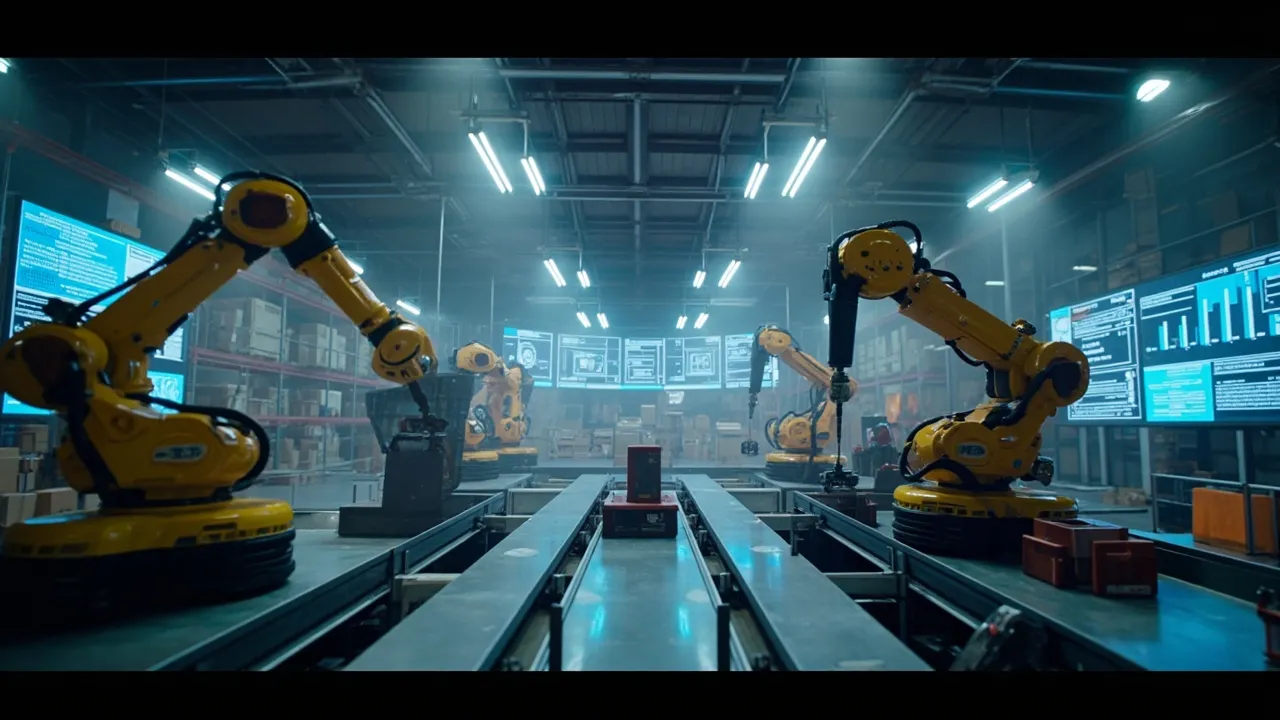
Logistics Automation Is a $90.72B Market—Budget for Integration, Not Just Machines
Build a realistic logistics automation business case by budgeting for integration, testing, training, maintenance, downtime, and exception recovery.
CXTMS InsightsSeptember 28, 2026 · 6 min read
Network Redesign Can Cut Stockouts 30%—Turn Scenarios Into Executable Transportation Rules
Turn supply chain network scenarios into executable sourcing, replenishment, routing, and escalation rules that reduce stockouts and emergency freight.
CXTMS InsightsSeptember 28, 2026 · 6 min read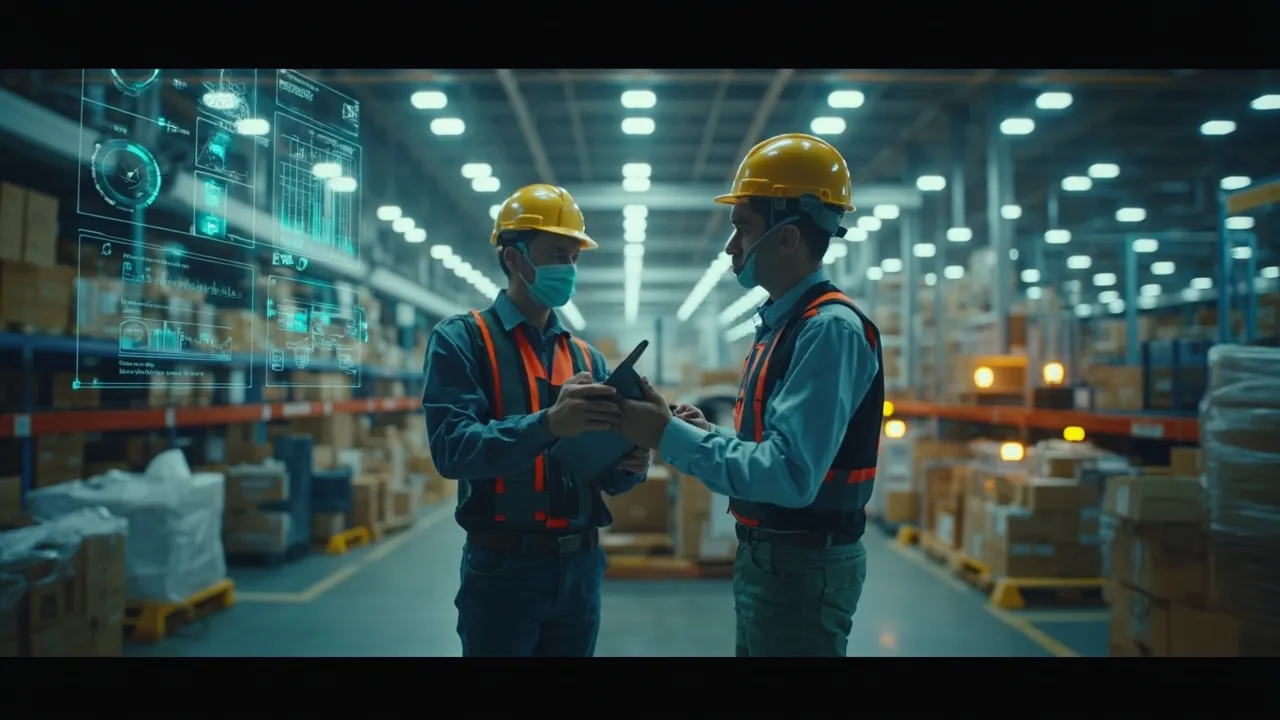
Retailers Are Using AI, but Only 30% Have Crossed the Adoption Line—Measure Fulfillment Value First
A practical 90-day scorecard for measuring whether retail AI improves replenishment, promise accuracy, labor planning, and transport exception outcomes.
CXTMS InsightsSeptember 28, 2026 · 6 min read