Europe’s Unsold Goods Rules Make Circular Logistics a Margin Strategy

Europe is about to make a quiet back-room inventory habit much harder to hide.
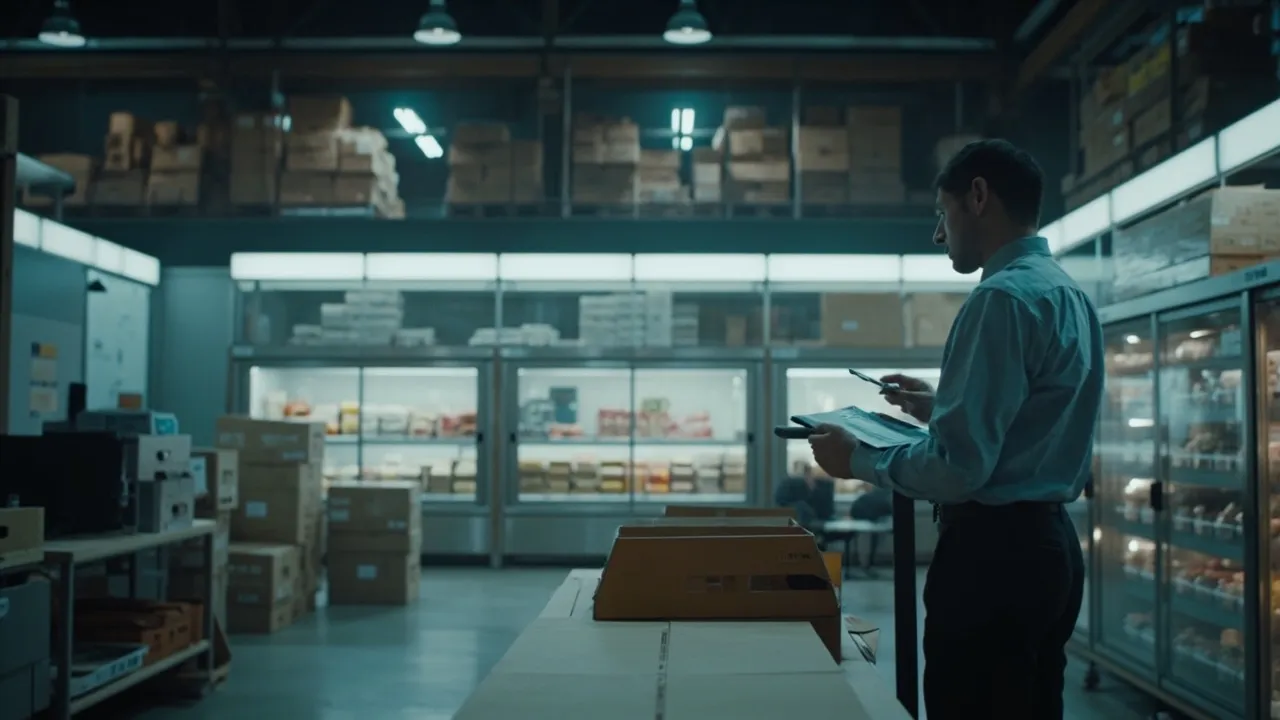
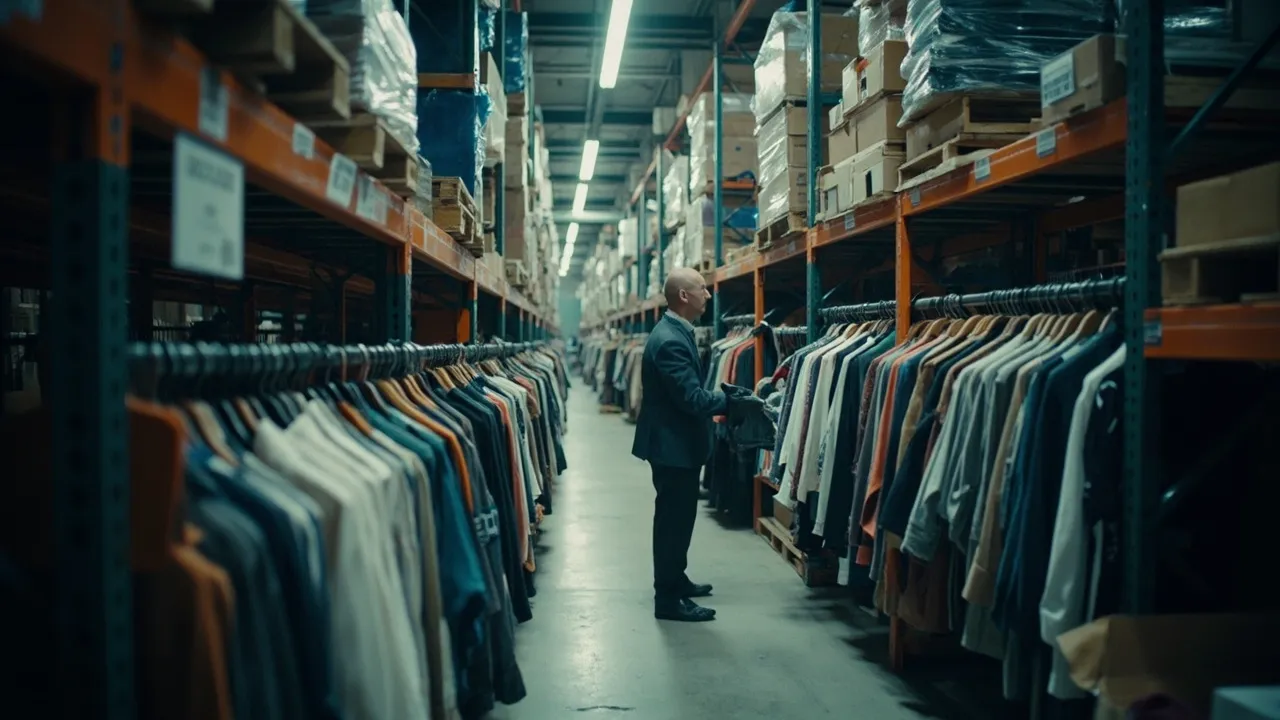
From July 2026, large companies operating under the EU’s Ecodesign for Sustainable Products Regulation will be barred from destroying unsold clothes, shoes, and fashion accessories. Smaller firms follow in 2030. Just as important, companies will have to disclose how much unsold stock they discard, turning what used to be an internal clearance decision into a visible operating metric.
That matters because the waste is not marginal. According to Supply Chain Brain, an estimated 4% to 9% of clothes in Europe are destroyed before ever being worn. Every unit in that range represents more than a sustainability failure. It is trapped working capital, wasted materials, avoidable handling, warehouse space, transport capacity, and labor that never produced revenue.
For logistics leaders, the lesson is blunt: circularity is no longer a brand-purpose slide. It is becoming a margin strategy.
Stock destruction was a logistics shortcut
Destroying unsold inventory has often functioned as a pressure-release valve. If demand forecasts missed, if a season ended, or if a premium brand wanted to protect pricing, disposal could clear the warehouse and keep markdowns from diluting perceived value.
That shortcut worked because the full cost was fragmented. Merchandising saw the forecasting miss. Finance saw the write-off. Warehousing saw the storage pressure. Transportation saw the outbound disposal or liquidation move. Compliance saw the reporting risk only when regulators asked.
The new European rules collapse those silos. Excess inventory can no longer be treated as an isolated retail or sustainability issue. It becomes an execution problem that touches demand planning, supplier commitments, warehouse slotting, returns processing, resale channels, repair workflows, and transportation routing.
Supply Chain Brain frames the commercial reality clearly: companies may face higher warehousing and logistics costs, investment in inventory tracking and reporting systems, and expanded processes for redistribution or resale. That is the transition cost. The opportunity is that waste becomes measurable enough to manage.
Circular logistics starts before the return
Many companies still define circular logistics too narrowly, as if the work starts when a customer sends something back. The unsold-goods problem starts much earlier.
It starts with overproduction. It grows when inventory visibility is weak. It becomes expensive when stock sits in the wrong node. It becomes a write-off when there is no practical pathway for resale, repair, refurbishment, donation, recycling, or redeployment before the season changes again.
That is why the first logistics move is better segmentation. Not all excess inventory deserves the same route. High-value finished goods may need inspection, repackaging, and controlled resale. Damaged but recoverable products may need repair or parts harvesting. Low-value stock may need bulk recycling. Goods with compliance, labeling, or market-specific restrictions may need tighter document control before any cross-border redistribution.
Each pathway has different handling requirements, service levels, cost thresholds, and proof obligations. Treating all excess inventory as one reverse-flow bucket is how companies lose money twice: first on the missed sale, then again on messy recovery.
Visibility is the difference between recovery and drag
Inbound Logistics recently argued that strong logistics operations depend on continuous improvement, not one-off fixes, because volumes, SKUs, transportation capacity, retailer requirements, and technologies keep changing. That point applies directly to circularity. A company does not build a profitable excess-inventory process by launching a sustainability project once a year. It needs a repeatable operating loop.
The loop starts with a baseline: unsold units by category, location, age, disposition path, handling cost, recovery value, and disposal risk. Then teams need exception triggers. Which products are approaching a seasonal cutoff? Which warehouses are holding excess that another market could sell? Which carriers can support reverse flows without destroying margin? Which items should move to repair, refurbishment, or recycling before storage cost consumes the remaining value?
Technology matters here, but it has to follow process discipline. Inbound Logistics notes that AI-enhanced TMS platforms can process hundreds of variables concurrently, including traffic, weather, compliance, emissions thresholds, and dynamic cost changes. It cites one carrier cutting more than 100 million driving miles annually with AI routing, and a 3PL handling 30% more volume with the same workforce after applying AI to transport data. That kind of decision support is useful only if the inventory and disposition data underneath it is clean enough to trust.
For circular logistics, the same principle applies: bad product status, stale inventory location, unclear ownership, or missing compliance attributes will turn automated routing into automated confusion.
The disclosure requirement changes incentives
The most underestimated part of the EU rule is not the destruction ban. It is disclosure.
Once companies must report unsold stock disposal, disposal volume becomes a performance signal. Investors can compare it. Customers can question it. Procurement teams can weigh it. Regulators can inspect it. Brand teams can no longer bury it under broad sustainability language.
That changes the internal politics of logistics. Warehouse teams asking for better inventory systems are no longer just asking for operational convenience. Transportation teams asking for structured reverse lanes are no longer just chasing cost control. Supply chain leaders asking merchandising and finance to fund better forecasting, smaller production runs, or resale infrastructure can point to a regulated metric that will sit outside the company’s walls.
This is where circularity becomes margin discipline. Better forecasting reduces the amount of inventory that enters the problem. Better node-level visibility reduces avoidable transfers and dwell time. Better resale and repair channels recover value earlier. Better reporting reduces compliance exposure. None of that is soft ESG work. It is basic operating leverage.
What logistics teams should build now
Companies with European exposure should not wait until July 2026 to map the process. The practical work is already obvious.
First, quantify exposure by product family and market. Know where unsold inventory accumulates, how old it is, what it costs to hold, and what recovery routes exist today.
Second, define disposition rules before inventory becomes stale. A product that can be resold profitably at week six may become a recycling problem at week sixteen.
Third, build transport and warehouse workflows for resale, repair, refurbishment, donation, and recycling as real lanes, not exceptions. That means carrier qualification, packaging standards, inspection checkpoints, documentation, and cost-to-serve analysis.
Fourth, connect circular flows to financial reporting. If the logistics team cannot show recovered value, avoided disposal, handling cost, and compliance status, circularity will look like expense instead of margin protection.
Finally, make the process auditable. The companies that win under the new rules will not simply destroy less. They will prove why each unit moved where it did, what value was recovered, and where upstream decisions need to improve.
CXTMS helps logistics teams connect forward shipments, reverse flows, exception handling, carrier performance, and documentation in one operating layer. If unsold inventory is becoming a regulated margin problem, the answer is not another spreadsheet sitting between warehouse and finance.
Ready to make circular logistics measurable? Request a CXTMS demo and see how better transportation visibility, reverse-flow coordination, and exception management can turn excess inventory into recoverable value.