The Fertilizer Bottleneck Behind Food Prices Is a Deadline-Driven Logistics Problem

Food-price pressure often looks like a grocery-store problem by the time consumers notice it. A bag of flour costs more. A tomato shipment tightens. A food manufacturer gets a supplier notice that next quarter's contract price is moving. But for many agricultural supply chains, part of that story started much earlier, when growers were trying to secure fertilizer, position it near the field, and apply it inside a narrow seasonal window.
That timing is what makes fertilizer different from ordinary inputs. If packaging arrives two weeks late, a manufacturer may expedite, reschedule, or run down safety stock. If the right fertilizer is not in place when weather, soil conditions, and crop stage line up, the lost opportunity can be permanent for that season. A cheaper load in June does not solve a missed March application window.
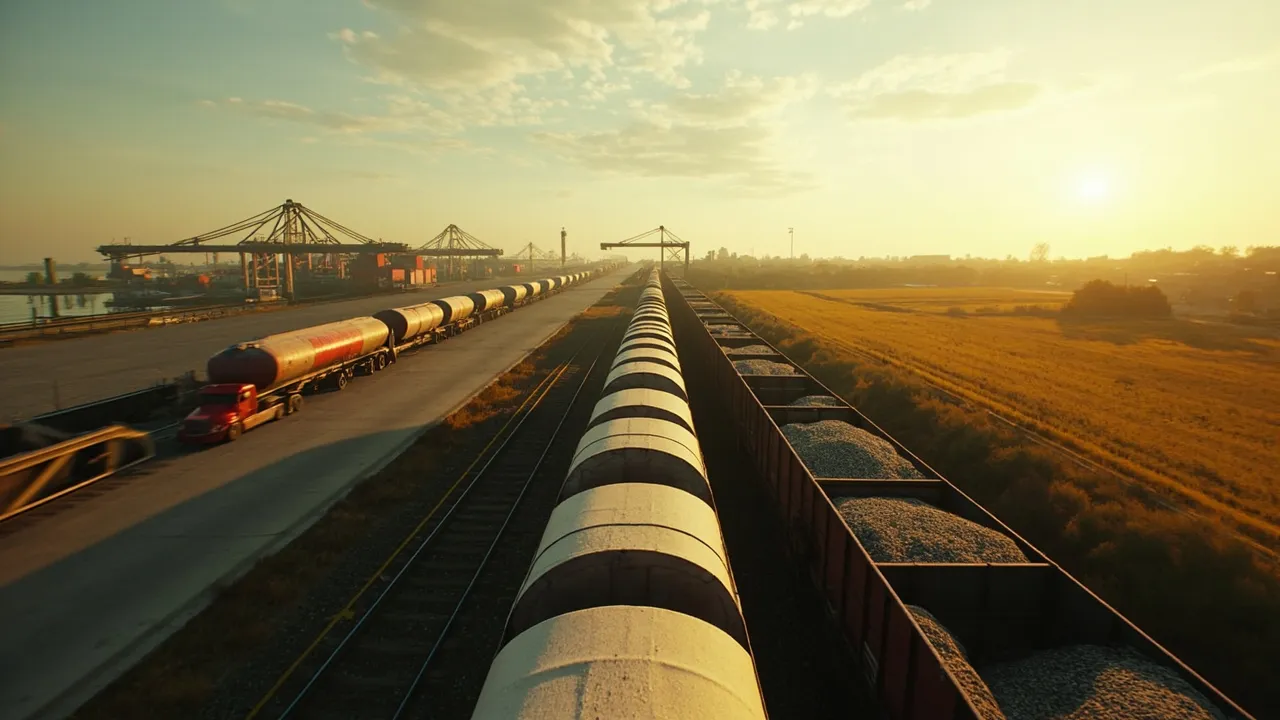
Inbound Logistics explains the chain clearly: bulk fertilizer can move through ports, rail terminals, barges, storage sites, cooperatives, distributors, and rural trucking networks before it reaches the acre. That is a lot of handoffs for a product that becomes most valuable precisely when everyone needs it at the same time.
Fertilizer is a service-level problem, not just a price problem
Procurement teams tend to track fertilizer as a commodity-price signal. That is useful, but incomplete. The operational question is not only whether nitrogen, phosphate, or potash costs more. It is whether the right nutrient is physically positioned, blended, financed, and deliverable before the application window closes.
That distinction matters because fertilizer economics can quickly become food-supply economics. Inbound Logistics cites USDA Economic Research Service data showing fertilizer has accounted for 33% to 44% of corn operating costs and 34% to 45% of wheat operating costs since 2020. An input that large does not need to be the only reason food prices rise to become a serious planning variable. If growers reduce application rates, change crop mix, delay purchases, or hesitate to expand acreage, downstream buyers may see the effect later as tighter ingredient availability or higher sourcing costs.
The bottleneck is rarely one clean failure. Nitrogen fertilizers are linked to natural gas and ammonia production. Phosphate and potash depend on different mining regions, processing assets, and trade lanes. Ocean freight, inland waterways, railcars, dry bulk terminals, local storage, and rural trucking can each become the constraint depending on the region and season. A product may be available globally and still be poorly positioned for the farms that need it next week.
That is why food and beverage supply chain teams should treat fertilizer as an upstream service-level risk. If the business depends on wheat, corn, potatoes, oilseeds, animal feed, or other fertilizer-sensitive crops, the team needs more than a monthly commodity chart. It needs a view of timing, location, and delivery reliability.
Food costs reflect decisions made months earlier
The lag is easy to underestimate. A processor buying potatoes in the fall may be feeling decisions growers made before spring planting. A bakery negotiating flour contracts may be exposed to fertilizer, weather, storage, and acreage decisions that were locked in long before consumer demand changed. A beverage company using corn-derived sweeteners may not buy fertilizer directly, but its suppliers' grower networks absolutely live with the consequences.
This is where the food-price conversation can become too retail-focused. SupplyChainBrain reported that Canada's Competition Bureau is examining the broader food supply chain, including harvesting, production, processing, logistics, and transportation, as part of its work on grocery costs. The same report noted that Canada's five largest retail grocers account for approximately 80% of total Canadian retail grocery sales. Retail concentration matters, but the broader point is even more important for logistics leaders: food affordability is shaped by the whole chain, not just the shelf.
Fertilizer is one of the places where that whole-chain view becomes practical. When input availability tightens, growers may adjust planting intentions or push for stronger contract terms. Distributors may allocate product to preferred customers. Cooperatives may fill storage early. Rail delays or barge disruptions may force last-minute trucking, which adds cost exactly when capacity is least flexible. None of those moves is dramatic in isolation. Together, they can alter the supply picture months before finished goods arrive at a warehouse.
For food manufacturers, retailers, and distributors, the warning signs are often indirect. Supplier lead times stretch. Growers ask for earlier commitments. Crop forecasts become more cautious. Regional sourcing options narrow. Transportation teams hear that certain rural lanes are harder to cover during peak application periods. By the time the price increase reaches a purchase order, the operational signal is already old.
The watchlist supply chain teams should build now
The first watch item is storage capacity. Fertilizer has to be staged before demand spikes, and local storage can decide whether a distributor can respond when weather creates a sudden application window. If suppliers are carrying leaner inventories or storage fills early, buyers should treat that as a risk indicator.
The second is railcar, barge, and truck availability. Bulk fertilizer networks depend on equipment and terminals that cannot always flex overnight. If rail service, river conditions, port congestion, or rural trucking capacity deteriorate during spring demand, the impact can cascade quickly.
The third is distributor lead time. Food companies should ask ingredient suppliers whether their grower base is seeing longer lead times, tighter allocation, or more volatile terms for fertilizer. The answer may not change this week's order, but it can improve next season's sourcing and contracting strategy.
The fourth is price volatility by nutrient, not just a generic fertilizer index. Nitrogen, phosphate, and potash do not share identical production economics or transport lanes. A crop that is especially dependent on one nutrient may have a different risk profile than the average market signal suggests.
The fifth is service-level exposure. A late fertilizer move can translate into reduced yield potential or changed acres, which then becomes a sourcing problem for processors, distributors, and retailers. Supply chain teams should connect upstream input risk to the same planning conversations that already include weather, freight rates, labor, and inventory.
Where CXTMS fits
The fix is not to turn every food company into a fertilizer trader. The fix is to stop treating upstream inputs as invisible until they become finished-goods cost increases. Logistics teams need systems that connect supplier status, transportation constraints, lead times, inventory positions, and exception workflows early enough to matter.
CXTMS helps transportation and supply chain teams turn scattered risk signals into operational decisions. When rail delays, storage constraints, supplier commitments, and lane-level service risks live in one execution environment, teams can act before a fertilizer bottleneck becomes a food-cost surprise.
If your food supply chain still discovers upstream logistics pressure through late supplier emails and spreadsheet updates, it is time for a cleaner operating model. Schedule a CXTMS demo to see how connected transportation management can help you spot risk earlier and protect service when seasonal bottlenecks hit.