Insights
Industry insights, integration guides, and product updates from the CXTMS team.
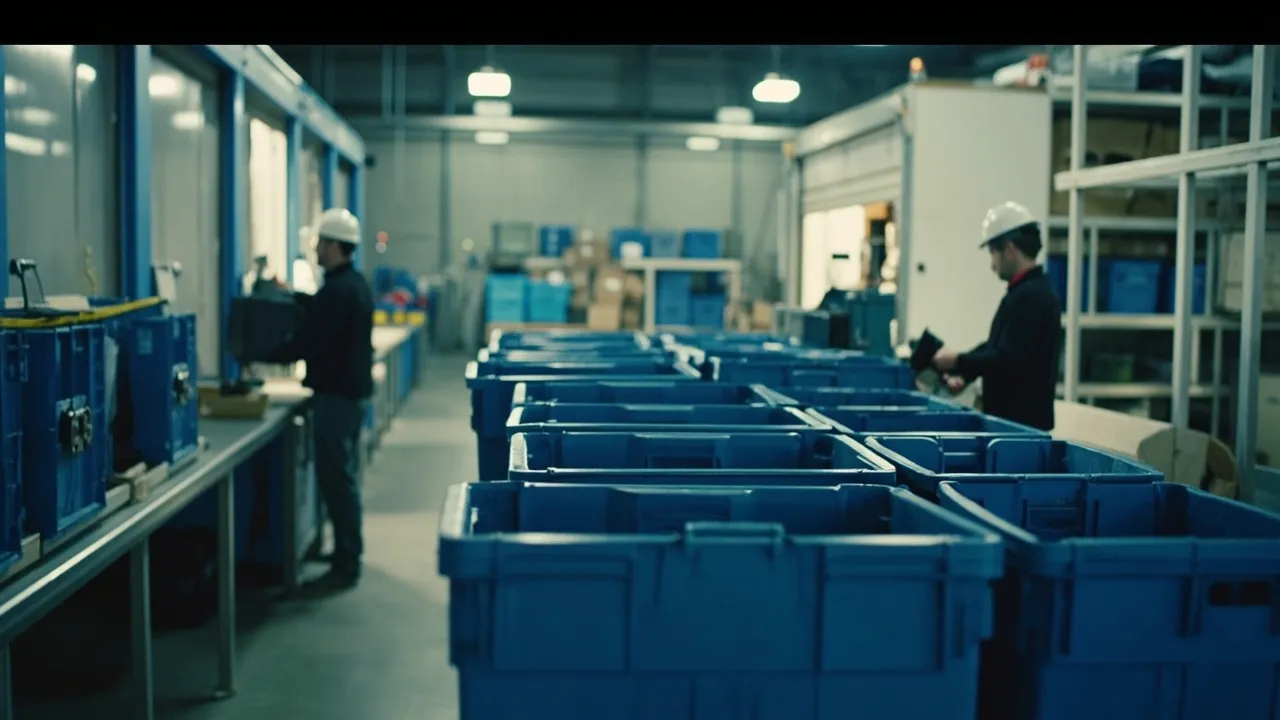
Reusable Packaging in the Warehouse: Calculate the Break-Even Trip Count Before You Buy
Build a lane-level reusable packaging ROI model that includes acquisition, returns, cleaning, loss, repairs, damage, and container dwell time.
 CXTMS InsightsSeptember 28, 20266 min read
U.S. Freight and Logistics Is a $1.43T Market—Benchmark TMS Savings Against Addressable Spend
Build a credible TMS business case by separating addressable transportation spend from the broader logistics market and measuring verified net savings.
CXTMS InsightsSeptember 28, 2026 · 5 min read
AI Supply Chain Automation Is Growing Slowly: Find Workflow Friction Before Buying More Software
Learn how to diagnose process, data, and approval bottlenecks before expanding AI supply chain automation—and how to prove one workflow safely.
CXTMS InsightsSeptember 27, 2026 · 5 min read
Amazon's Expanded 3PL Partnership: Protecting Control When a Provider Runs More of the Network
Use event ownership, data rights, concentration measures, and exit requirements to retain control as a 3PL takes on more of your network.
CXTMS InsightsSeptember 27, 2026 · 6 min read
Freight-Tech Consolidation Due Diligence: Test Product Continuity Before Renewal
Use a structured due-diligence scorecard to test freight software roadmaps, APIs, support, data portability, and replacement lead time before renewal.
CXTMS InsightsSeptember 27, 2026 · 6 min read
Green Bay's Top-10 Logistics Claim: How to Audit a Secondary Freight Market
Audit secondary logistics markets with a scorecard covering freight density, labor, facilities, cost, and network resilience.
CXTMS InsightsSeptember 27, 2026 · 6 min read
Holiday Parcel Carrier Diversity: Build a ZIP-Level Failover Plan Before Peak
Build a ZIP-level parcel carrier failover plan that balances cost, service, capacity, and peak-season risk before holiday volumes arrive.
CXTMS InsightsSeptember 27, 2026 · 6 min read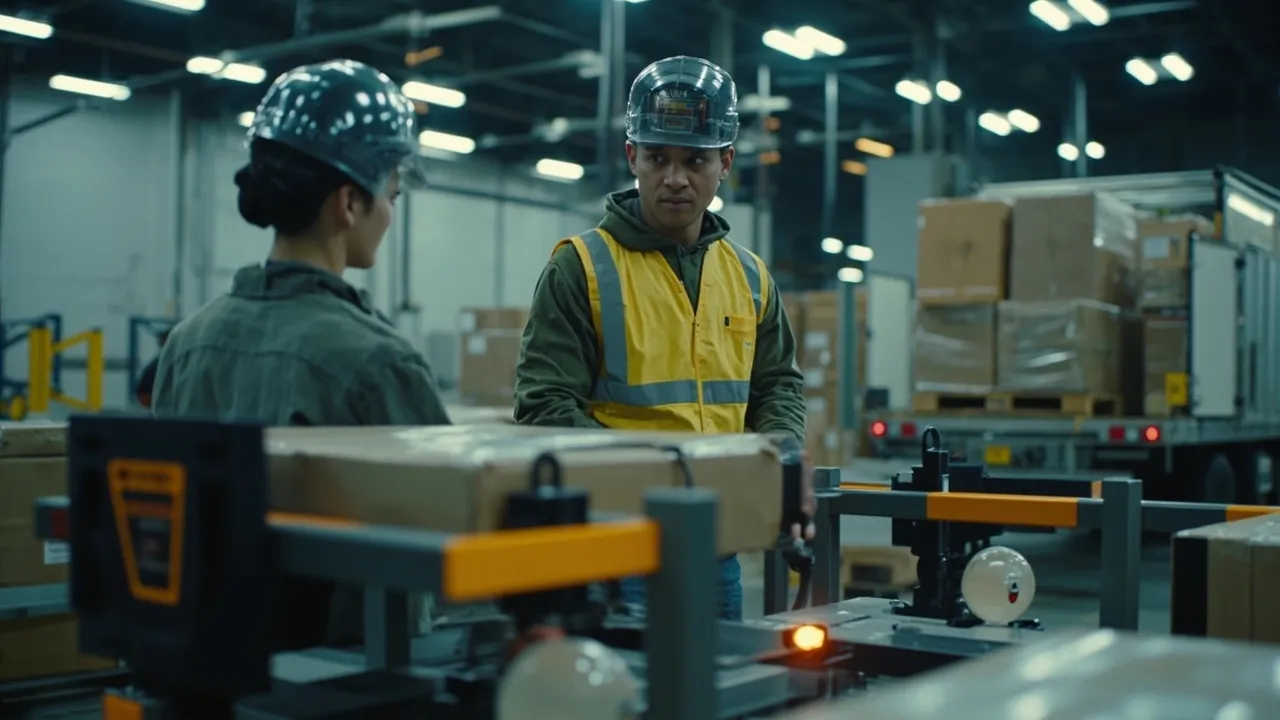
Packaging Performance Data: Connect Damage, Cube, Labor, and Freight Cost in One Ledger
Build a packaging performance ledger that connects materials, labor, dimensions, damage, claims, cube utilization, and freight cost by shipment.
CXTMS InsightsSeptember 27, 2026 · 6 min read
Port-to-Inland Transit Without the Guesswork: A Route Qualification Scorecard
Build a port-to-inland route qualification scorecard that compares rail and truck on total cost, lead-time variance, and operational risk.
CXTMS InsightsSeptember 27, 2026 · 6 min read
STB Economics Leadership Changes: What Rail Shippers Should Put in Their Evidence File
Build a defensible rail evidence file for STB rate, service, demurrage, and merger proceedings with auditable shipment data.
CXTMS InsightsSeptember 27, 2026 · 6 min read