Sourcing
23 posts tagged with “Sourcing”

CPG Automation Projects Need a Sourcing-to-Logistics Risk Register
CPG automation succeeds only when packaging, suppliers, labor, compliance, and transportation are managed as one flow. A shared risk register exposes dependencies before they become costly exceptions.
 CXTMS InsightsOctober 2, 2026 · 6 min read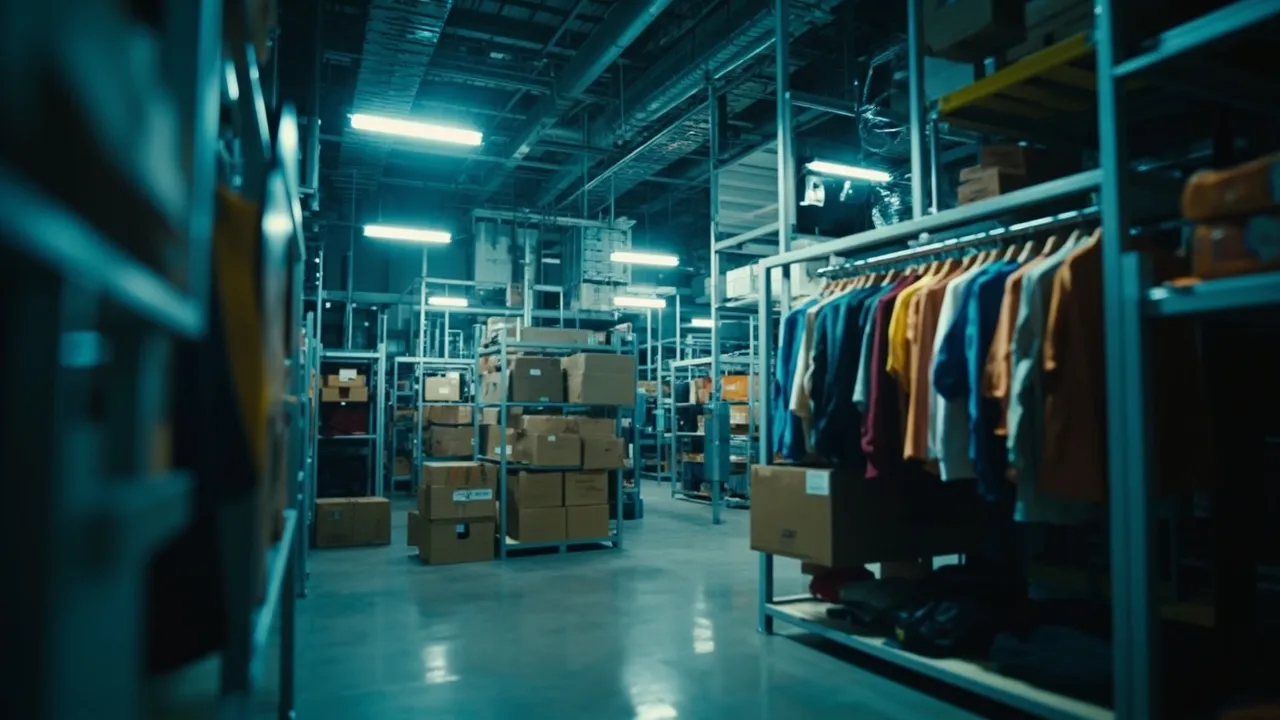
Fashion Supply Chains Are Keeping Geographic Diversity—Now They Need Allocation Rules
Fashion brands need order-level allocation rules that turn geographic supplier diversity into usable capacity, faster transfers, and compliance-ready sourcing.
CXTMS InsightsSeptember 7, 2026 · 6 min read
Global, Domestic, or Hybrid Sourcing: Make the Network Decision With Landed-Risk Cost
Compare global, domestic, and hybrid sourcing with a landed-risk cost model that includes freight, duties, inventory, variability, concentration, and recovery.
CXTMS InsightsAugust 31, 2026 · 6 min read
U.S.-Canada Trade War: Build a Commodity-Level Sourcing Exposure Map
A commodity-level sourcing exposure map helps logistics teams quantify U.S.-Canada tariff costs, secondary constraints, and alternate-sourcing triggers.
CXTMS InsightsAugust 29, 2026 · 5 min read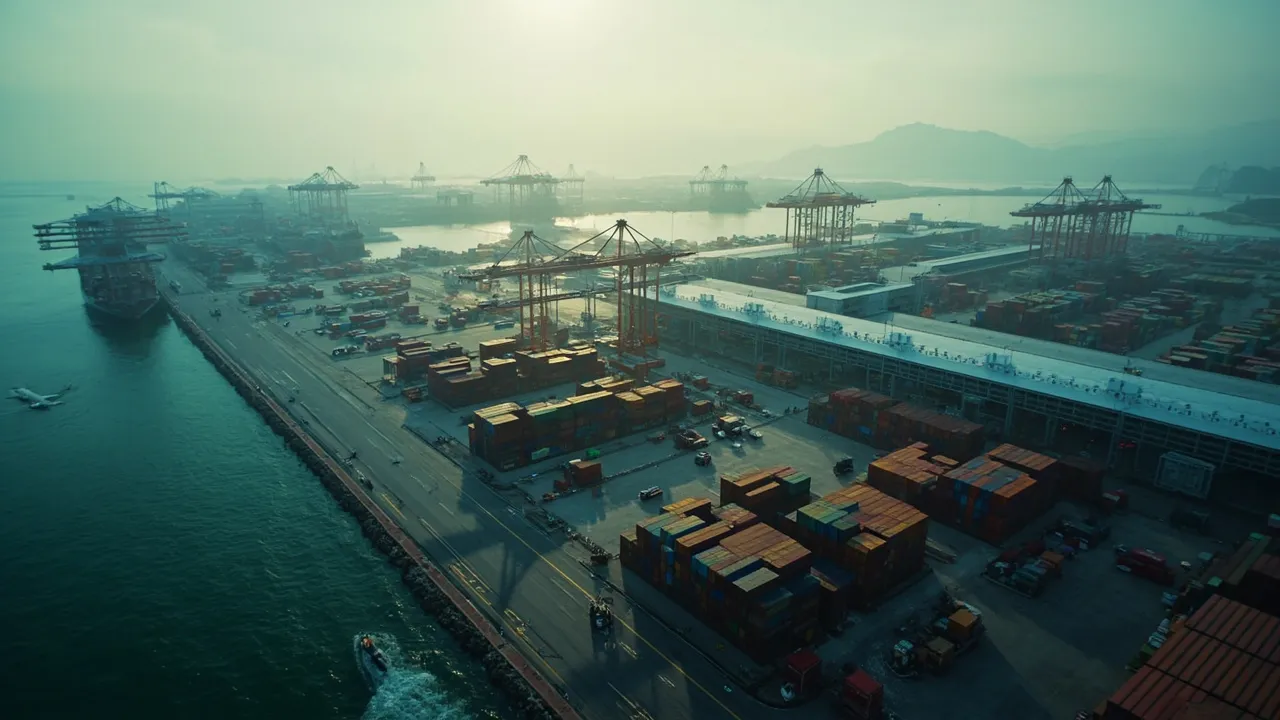
China’s Overseas Industrial Parks Are Rewriting the Origin-to-Destination Data Model
Chinese-linked industrial parks are creating new production and export nodes. Learn how shipment data must evolve to preserve origin evidence and expose risk.
CXTMS InsightsAugust 25, 2026 · 6 min read
Kimberly-Clark’s Alternative Fiber Pilot: A New Model for Raw-Material Resilience
Kimberly-Clark’s Yuma hesperaloe pilot shows how manufacturers can qualify alternative raw materials while controlling cost, quality, logistics, and chain-of-custody risk.
CXTMS InsightsAugust 22, 2026 · 6 min read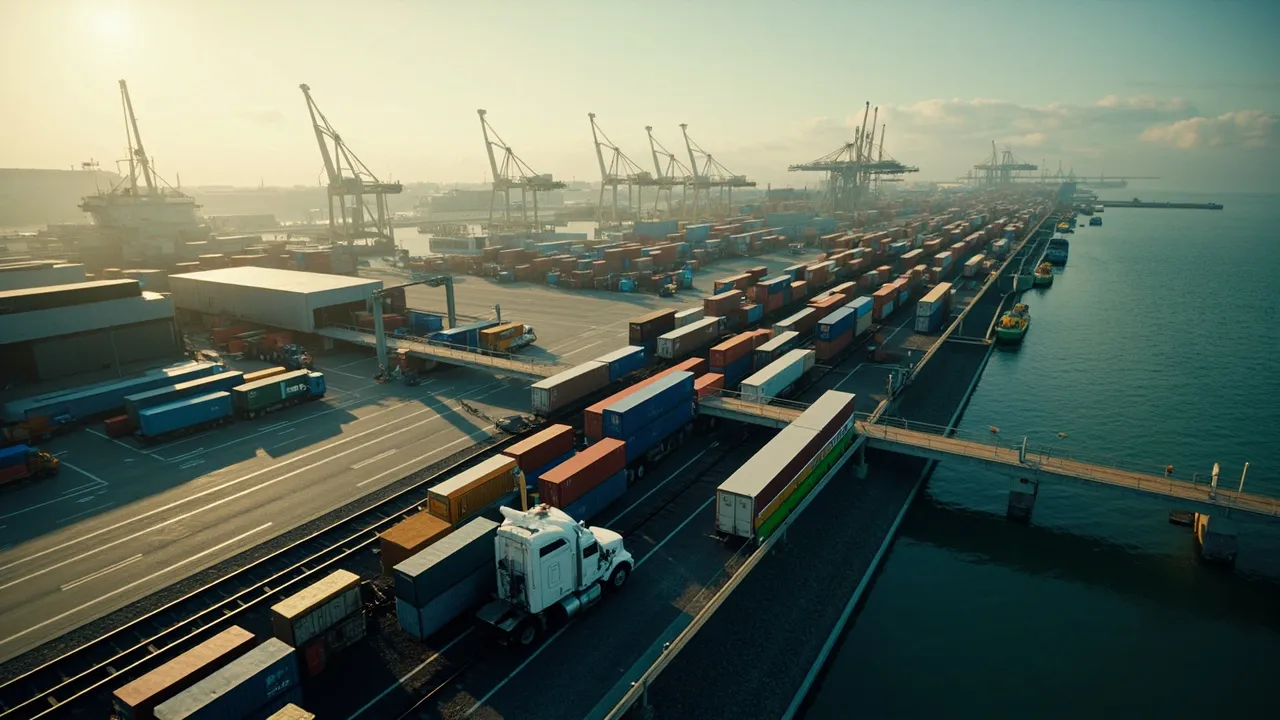
The American Supply Chain Sovereignty Initiative Turns Infrastructure Into a Sourcing Constraint
The American Supply Chain Sovereignty Initiative makes domestic freight infrastructure, visibility, and fallback capacity practical inputs to supplier selection.
CXTMS InsightsAugust 19, 2026 · 6 min read
Ford’s Lincoln Sourcing Shift Creates a Vehicle Supply Chain Cutover Problem
Ford’s planned shift away from China-built Lincoln models shows why automotive sourcing changes require VIN-level inventory, parts, and logistics controls.
CXTMS InsightsAugust 16, 2026 · 6 min read
Fashion Brands Are Consolidating Suppliers Without Abandoning Geographic Diversity
Fashion brands are reducing vendor counts while preserving geographic sourcing options. Learn how to score suppliers, control concentration, and manage the transition.
CXTMS InsightsAugust 3, 2026 · 6 min read
Retail Supply Chain Restructuring Needs Supplier-Change Transportation Models
Retailers weighing nearshoring, onshoring, and supplier diversification need transportation models that test landed cost, lead time, capacity, customs, and service promises before sourcing changes are locked.
CXTMS InsightsJuly 20, 2026 · 6 min read