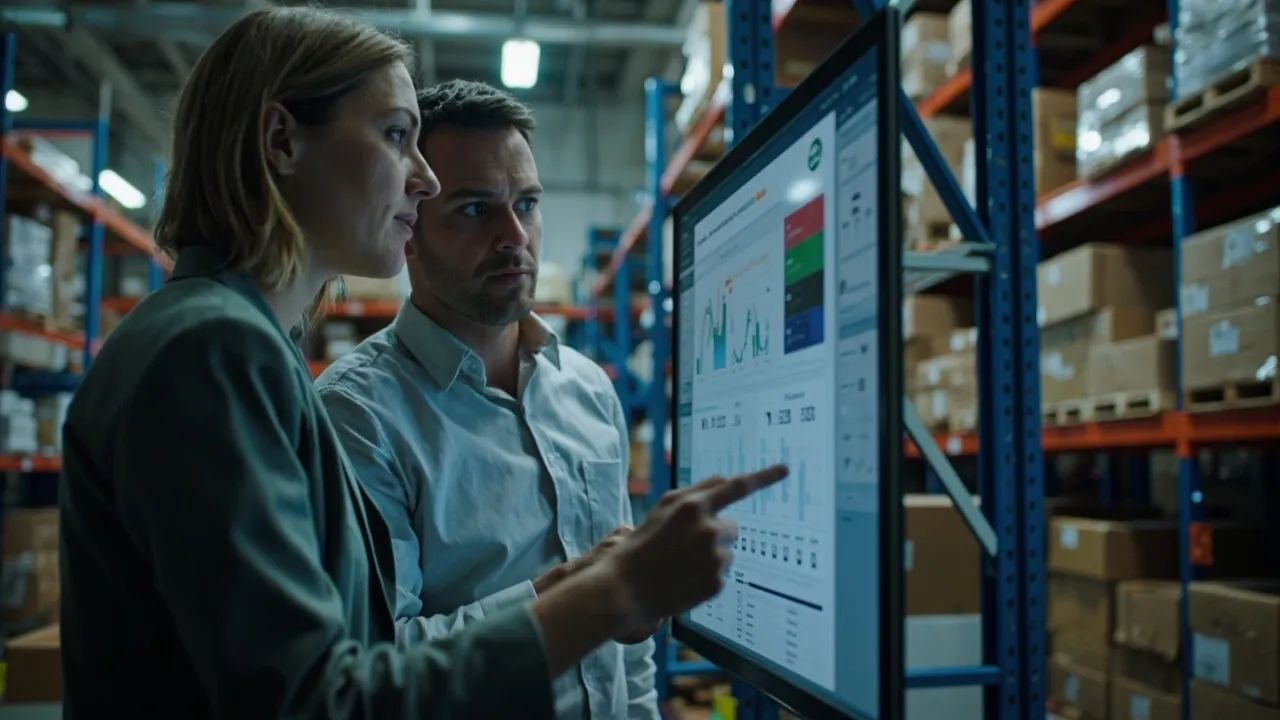
Retail Supply Chain Restructuring Needs Supplier-Change Transportation Models

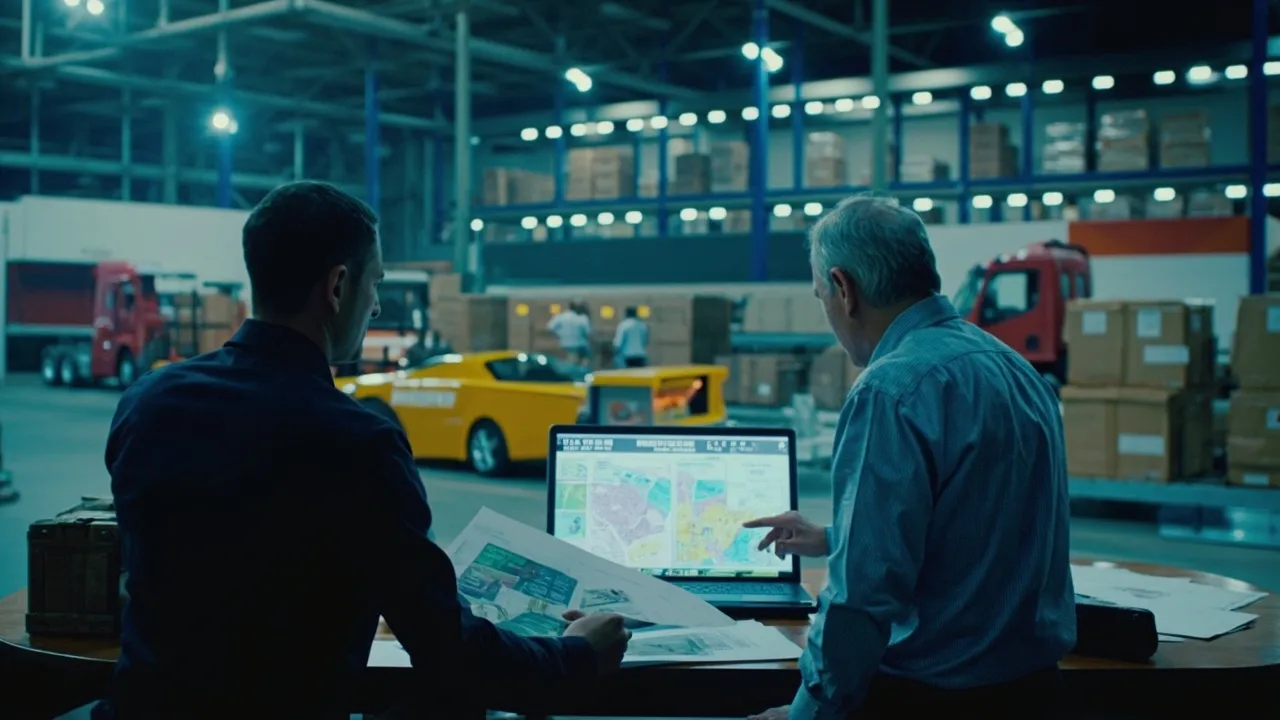
Retailers are preparing for sourcing change, but transportation inherits the consequences.
Deloitte's 2026 Retail Industry Global Outlook says 66% of surveyed retail respondents would restructure supply chains through onshoring, nearshoring, or supplier diversification if input costs rise in 2026. Deloitte also frames the year around trade uncertainty, tariff-driven inflation pressure, stressed middle- and lower-income consumers, and companies postponing some supply chain investments.
That creates a hard planning problem. Procurement may need to reduce exposure to one country, one supplier, one tariff regime, or one ocean lane. Merchandising needs lower cost. Stores and ecommerce need reliable promises.
The mistake is treating supplier restructuring as sourcing first and freight later. Supplier changes are transportation changes. A different vendor can mean a different origin, lead time, mode mix, customs process, duty treatment, minimum order quantity, packaging profile, consolidation option, warehouse path, and final-mile promise.
If those transportation facts are modeled after the supplier award, the retailer has already lost leverage. Test the freight plan before procurement locks the change.
Supplier Diversification Moves The Freight Network
Supplier diversification sounds like risk reduction because it spreads production across more partners. In practice, it adds lanes, calendars, handoffs, and exception points.
A retailer shifting production from one offshore supplier to two regional suppliers may reduce geopolitical exposure and shorten some lead times. But the new network may split container volume, weaken contract leverage, increase LTL touches, require more purchase orders, and complicate receiving.
Nearshoring creates similar tradeoffs. A closer supplier may reduce ocean lead time, but increase cross-border trucking complexity, documentation, drayage pressure, or warehouse labor peaks. Onshoring may reduce customs exposure, but raise unit cost and tighten domestic capacity.
The point is not that restructuring is bad. For many retailers, it may be necessary. The point is that supplier decisions should include the physical movement model, not just unit price and quality score.
Economic Pressure Is Keeping The Question Alive
The restructuring pressure is not happening in a quiet economy. McKinsey's June 2026 economic conditions outlook reported deteriorating executive views of economic conditions, with energy prices, geopolitical instability, inflation, supply chain disruptions, trade-policy shifts, and conservative investment strategies all appearing in the risk picture.
That matters because supplier moves are expensive to reverse. If a retailer changes origin, assortment flow, packaging, inventory buffers, and freight lanes, it needs confidence that the new network can perform through more than one quarter.
Freight markets add another constraint. Mordor Intelligence estimates the Europe freight and logistics market at USD 1.52 trillion in 2026, growing to USD 1.79 trillion by 2031 at a 3.26% CAGR. It identifies reshoring of critical manufacturing as a growth driver, worth an estimated +0.5% impact on CAGR, while driver-shortage inflation is listed as a restraint with an estimated -0.9% impact on CAGR.
Those figures are useful because they show both sides of the supplier-change equation. More regional production can generate new logistics demand, but capacity, labor, and modal constraints still decide whether the plan is executable.
Landed Cost Is Not The Whole Model
Retail sourcing teams already know landed cost matters. But landed cost is often calculated too narrowly: unit cost, duty, freight estimate, and maybe brokerage. That is not enough when restructuring affects service promises.
A useful supplier-change transportation model should start with the SKU. Which products are moving, how seasonal are they, how substitutable are they, and how much margin can they absorb? A replenishment item and a promotional bundle need different assumptions.
Next comes the supplier and origin. The model should capture factory location, consolidation point, port or border gateway, production calendar, pickup window, and supplier readiness. "Mexico" or "Vietnam" is not a lane. The lane is the physical path from supplier door to customer-serving node.
Then comes landed cost. Freight, duties, customs fees, accessorials, fuel exposure, minimum order quantity, packaging changes, detention risk, drayage, and inventory carrying cost all belong in the same comparison. A supplier with a lower unit cost can lose the advantage if smaller orders, longer dwell, weaker consolidation, or more expedited freight become routine.
Transit days are equally important. Retailers should separate planned transit time from variability. A five-day route with frequent border holds may be worse than a seven-day route with dependable flow.
Lane capacity should be modeled before the award. Does the retailer have carriers or forwarders that can support the new origin? Are there reliable backups? Does the lane require refrigerated capacity, high-cube containers, garment-on-hanger handling, bonded moves, hazmat capability, or appointment-sensitive delivery?
Customs status deserves its own field. Supplier changes often change country of origin, documentation, tariff exposure, admissibility rules, classification evidence, and broker workload. If customs readiness is not tested until the first shipment is ready, the new supplier can become a launch delay.
Finally, the model should show service promise impact. If a sourcing shift changes replenishment lead time, ecommerce availability, store allocation, safety stock, or final-mile handoff, that effect belongs in the decision file.
Build The Supplier-Change Record
The operating record does not need to be complicated, but it does need to be complete. A retailer should be able to compare each supplier option through the same fields: SKU, supplier, origin, production lead time, minimum order quantity, packaging profile, landed cost, transit days, transit variability, lane capacity, customs status, inventory buffer, destination node, and service promise impact.
That record should also assign owners. Procurement owns terms. Transportation owns lanes and carrier options. Trade compliance owns classification, origin, and documentation. Inventory planning owns buffer changes. Store and ecommerce teams own promise impact. Finance owns the cost comparison. Without named owners, the model turns into a spreadsheet nobody trusts.
The most useful output is not a single "best supplier" score. It is a scenario view. What happens if input costs rise 5%? If a border lane slows by two days? If the new supplier misses the first three production windows? If ocean rates fall and the old supplier becomes cheaper again?
Retailers need enough transportation evidence to avoid choosing a sourcing strategy that cannot physically support the customer promise.
Test The Move Before The Award
Retail supply chain restructuring is a rational response to cost pressure, tariff uncertainty, and supplier concentration risk. But the operational test is blunt: can the new supplier network move product at the right cost, through the right lanes, with the right documentation, in time to keep customers whole?
CXTMS helps freight forwarders and logistics teams answer that question before execution becomes guesswork. Supplier options, origin lanes, carrier capacity, customs milestones, documents, costs, exceptions, and service impacts can be modeled and managed in one transportation workflow instead of scattered across procurement decks and inboxes.
If your retail team is evaluating supplier diversification, nearshoring, or onshoring, request a CXTMS demo. CXTMS helps test whether a sourcing change is physically executable before procurement locks it in.