Ocean Freight
120 posts tagged with “Ocean Freight”
Marine Bunker Fuel Shortage: How Shippers Can Protect Ocean Freight Allocations
Marine bunker fuel constraints can disrupt ocean schedules and surcharges. Learn how to protect priority containers with lane-level allocation controls.
 CXTMS InsightsSeptember 9, 2026 · 6 min read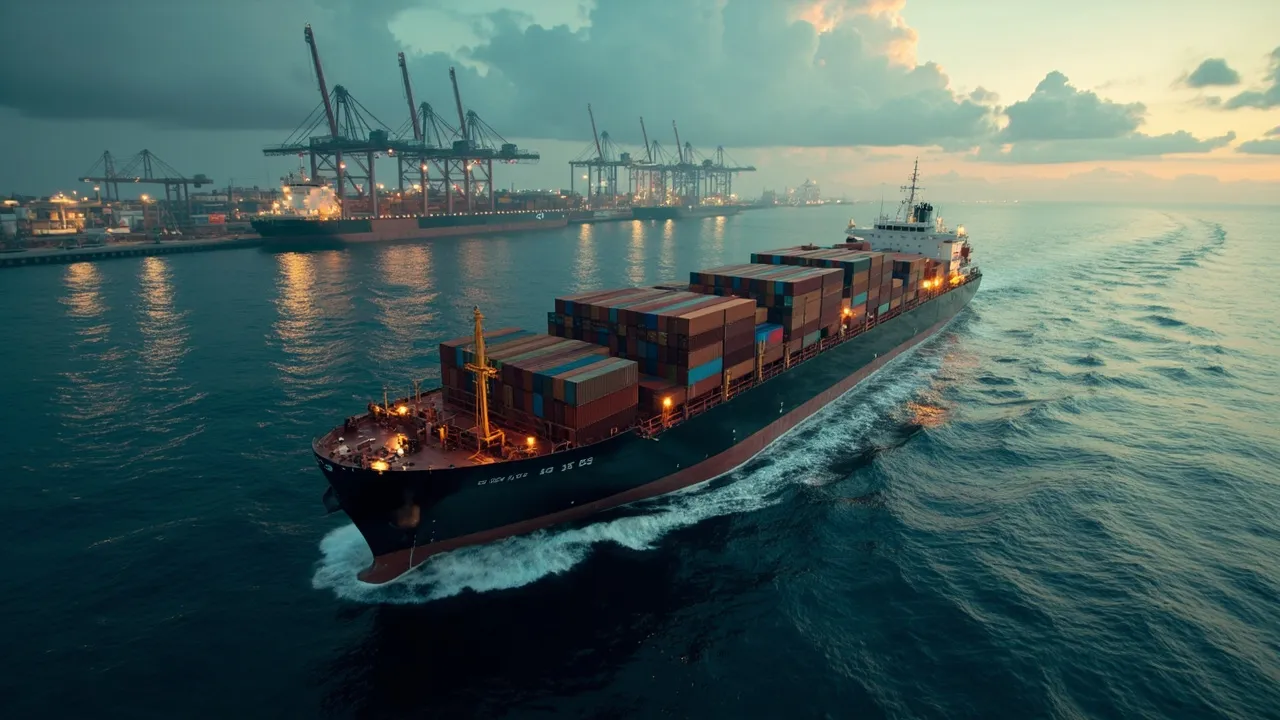
CMA CGM's Giant LNG Containership Makes Fuel Availability a Port-Call Constraint
The 24,212-TEU CMA CGM Notre Dame shows why LNG supply, berth readiness, draft, cranes, and tug capacity must shape every port-call plan.
CXTMS InsightsSeptember 7, 2026 · 6 min read
Puerto Rico's 10-Year Jones Act Port Deal: Turn Contract Tenure Into Lane Resilience
A 10-year Jacksonville-San Juan terminal deal creates stability, but Puerto Rico shippers still need measurable capacity, service, and recovery controls.
CXTMS InsightsSeptember 5, 2026 · 6 min read
Cargo Ship–Tanker Collisions Need a Consignment-Level Recovery Record
A consignment-level recovery record helps cargo owners turn fragmented maritime incident updates into replacement, claims, and customer actions.
CXTMS InsightsSeptember 3, 2026 · 6 min read
COSCO Espionage Allegations: What Ocean Shippers Should Put in a Data-Exposure Register
The U.S. allegations involving COSCO are unproven, but they give ocean shippers a reason to document what shipment data carriers and partners can access.
CXTMS InsightsSeptember 2, 2026 · 6 min read
ONE Raises Its Profit Outlook 200%: What Shippers Should Test Before Reopening Bids
ONE tripled its full-year profit forecast, but shippers should validate lane rates, reliability, blank sailings, and allocation before reopening ocean bids.
CXTMS InsightsSeptember 1, 2026 · 5 min read
Container Ship Orders Near 40% of the Fleet: Build an Ocean Capacity Absorption Model
The container ship orderbook is nearing 40% of the active fleet. Learn how importers can model effective capacity, service reliability, and contract exposure.
CXTMS InsightsAugust 30, 2026 · 6 min read
Commercial Wind Propulsion Is Scaling: Add Vessel Technology to Ocean Freight Decisions
Wind-assisted propulsion is moving into commercial shipping fleets. Learn how forwarders can evaluate vessel technology, fuel savings, emissions data, and green premiums.
CXTMS InsightsAugust 27, 2026 · 6 min read
Crowley’s New Central America–Houston Service Opens a Gulf Coast Sourcing Lane
Crowley’s weekly Central America–Port Houston service gives importers a direct Gulf Coast lane for produce, apparel, retail, and industrial cargo.
CXTMS InsightsAugust 27, 2026 · 5 min read
Trans-Pacific Gateway Arbitrage: When West Coast Savings Survive Inland Freight
A practical total-landed-cost model shows when lower Trans-Pacific rates through U.S. West Coast ports still win after rail, drayage, dwell, inventory, and disruption costs.
CXTMS InsightsAugust 26, 2026 · 6 min read