Brunswick’s $100M RoRo Berth Shows Finished Vehicle Logistics Is Becoming a Port Capacity Race

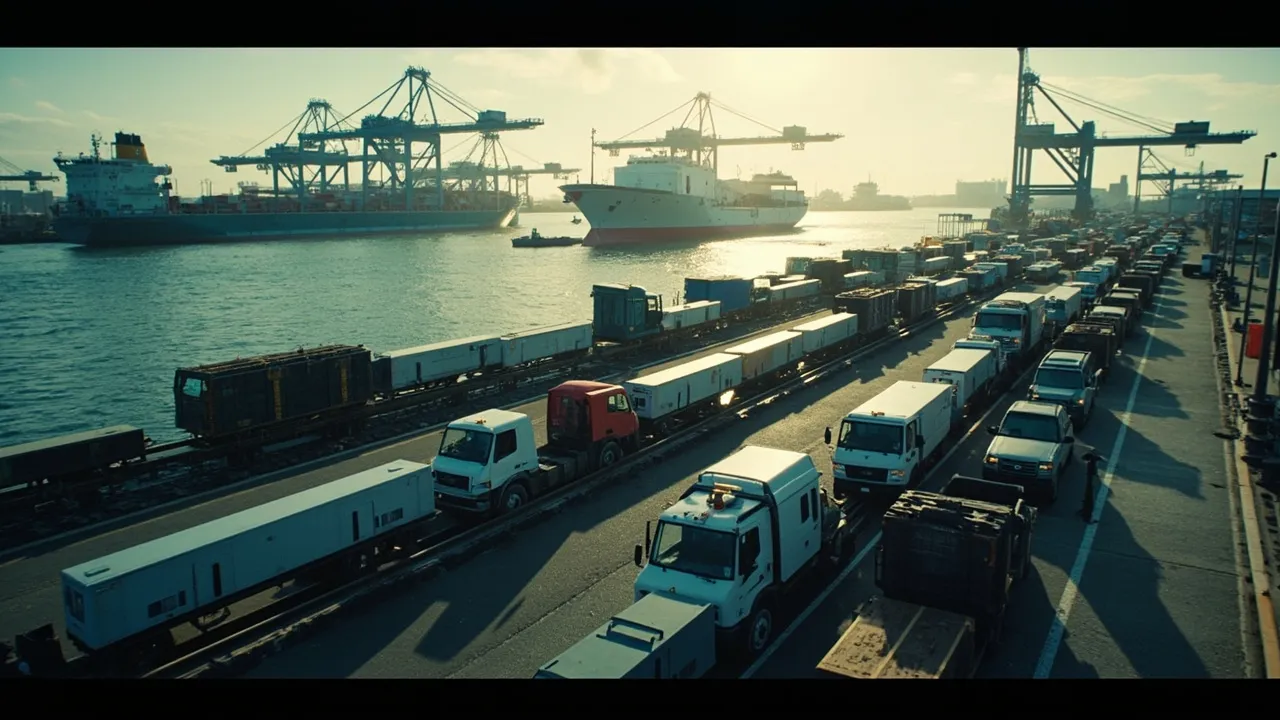
Finished vehicle logistics is turning into a capacity race, and Brunswick just put a very large marker on the track.
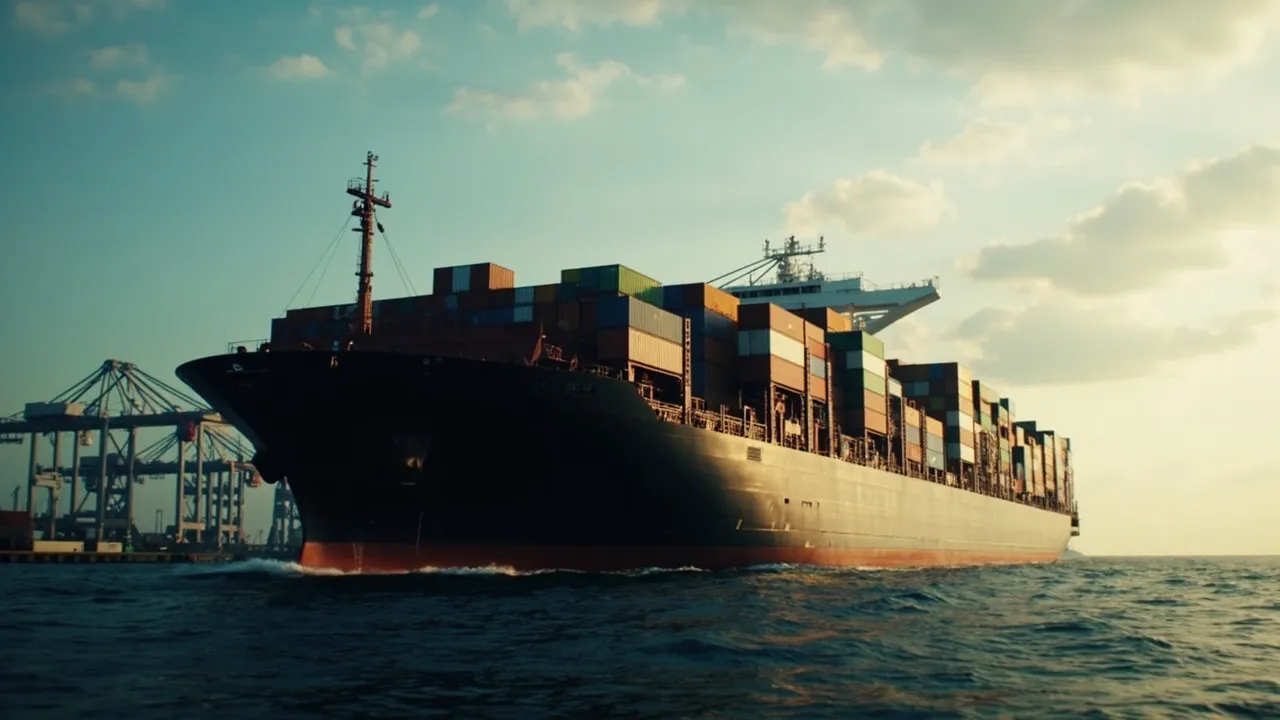
Georgia’s Port of Brunswick is building a $100 million fourth roll-on/roll-off berth designed to handle vessels up to 975 feet long. SupplyChainBrain reported that the project is already 30% complete and scheduled to open in November 2027, alongside outdoor vehicle storage improvements, dredging, harbor modifications, rail expansion, and flood-resilience work.
That is not just a port construction story. It is a signal that automotive logistics is being reshaped by physical gateway capacity: berth windows, vessel size, yard acreage, rail handoffs, drayage timing, and the speed at which finished units can move inland.
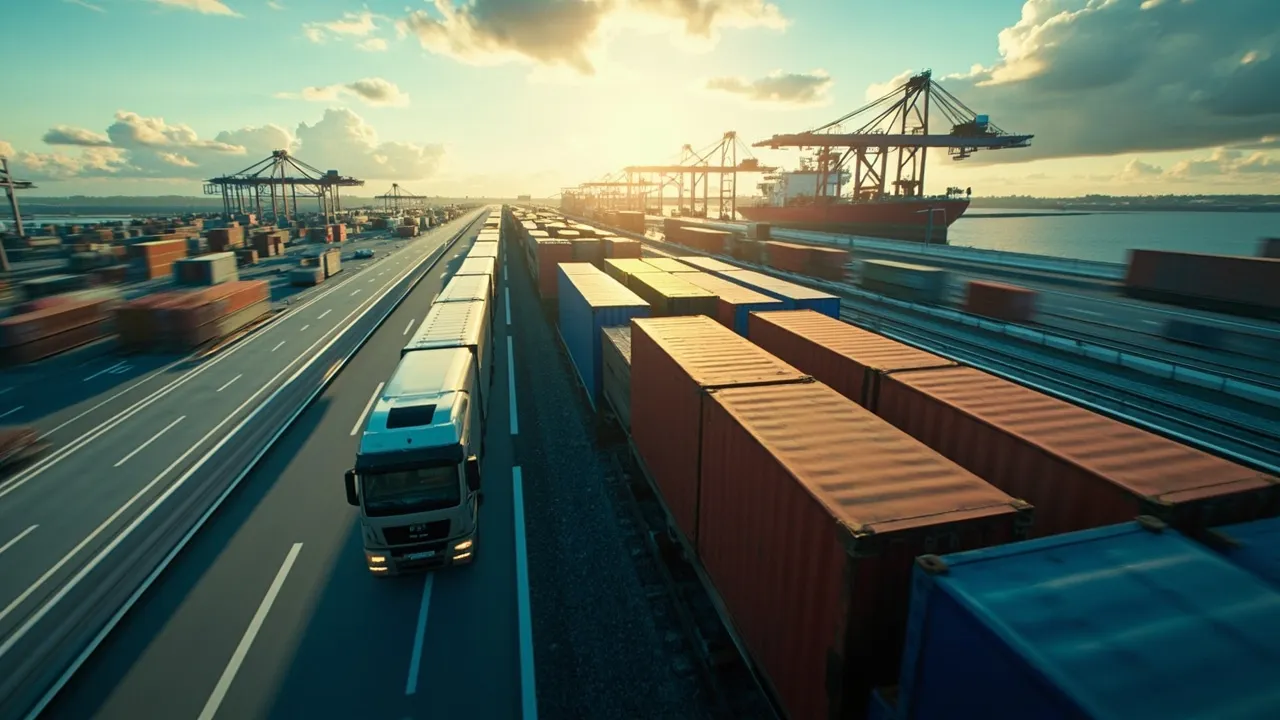
Ocean capacity matters, but in RoRo logistics the ship is only one constraint. A vehicle has to leave the vessel, clear processing, sit safely, get assigned to rail or truck, move without damage, and reach dealers, auctions, fleet buyers, or export customers on time. If any link is short of capacity, the berth investment does not fully convert into throughput.
Brunswick is adding capacity where vehicles actually bottleneck
The numbers explain why the project matters. Brunswick was the nation’s busiest automobile port for the second straight year in 2025, handling 770,000 vehicle units plus more than 53,000 units of heavy machinery, according to the SupplyChainBrain report. The port logged 731 ship calls last year, including 607 at Colonel’s Island.
Every ship call creates a choreography problem. Vessel operators want shorter turn times. Port teams need berth availability. OEMs need predictable release schedules. Railroads need train capacity. Car haulers need appointment discipline. Processing centers need labor and inspection space. Dealers want inventory where demand is strongest.
The fourth berth reduces one visible constraint: where the ship can dock. But Brunswick’s broader plan shows the real operating model. The port expects to finish outer harbor dredging in September 2026, allowing fully loaded vessels to transit the channel without waiting for high tide. Other work includes widening channel bends, expanding the turning basin at Colonel’s Island, a $22 million rail-capacity project, and an $11 million effort to raise a 20-acre lot near Berth 4 by three feet to reduce storm-flooding risk.
That combination matters. Berth capacity without channel access still creates tidal delays. Yard capacity without rail capacity creates dwell. Rail without drayage timing creates handoff friction. Storm resilience without operating data still leaves teams guessing which units are exposed.
RoRo planning is not container planning
Container gateway planning is often built around boxes, slots, chassis, and container yards. RoRo planning has different physics: the cargo moves under its own wheels, occupies surface area quickly, and carries higher damage sensitivity. A container can stack. A finished vehicle cannot.
That makes yard geometry and dwell time brutally important. If a surge of imports arrives before inland transportation is ready, vehicles consume acres fast. If export units arrive too early, the port becomes a parking operation. If rail loading is delayed, car-hauler demand bunches. If a vessel misses its berth window, hundreds or thousands of units can slip out of sequence.
For OEMs, importers, forwarders, and 3PLs, RoRo capacity planning has to include the whole port-side operating pattern:
- berth availability by carrier, service, and vessel class;
- average vessel turn time and variance;
- yard dwell by import, export, and processing status;
- railcar supply and train departure reliability;
- truck appointment adherence and gate velocity;
- damage, inspection, hold, and release cycle times;
- storm, tide, and channel constraints that affect vessel access.
Those metrics decide whether a port expansion becomes a service advantage or just a bigger place to accumulate exceptions.
A fourth berth changes routing conversations
High-growth RoRo gateways create opportunities for shippers, but also harder routing decisions. More berth capacity can make Brunswick more attractive for vehicle programs that need Southeast access, inland rail connections, and alternatives to congested gateways. It may also pull more volume into the same ecosystem, increasing pressure on yards, processors, rail ramps, and car-hauler networks.
That is the port-capacity paradox: successful gateways get more investment, which attracts more cargo, which demands more synchronization. The winners understand how berth capacity interacts with inland execution.
Before shifting more finished vehicle volume through any fast-growing gateway, logistics teams should ask four practical questions.
First, what is the true door-to-door variance, not just the ocean transit time? A vessel arriving on schedule does not guarantee dealer-ready inventory if processing or inland transport stalls.
Second, what happens during a surge? Monthly averages hide trouble. The system has to handle model-year launches, promotional demand, weather recovery, labor shortages, and vessel bunching.
Third, how quickly can the team see exceptions? Finished vehicle delays become expensive when damage holds, yard congestion, missing documents, or rail delays stay invisible until the customer asks.
Fourth, who owns the decision when the plan breaks? If OEM logistics, the forwarder, the port processor, the carrier, and the inland provider all work from separate data, rerouting turns into a phone tree.
Port expansion raises the data bar
Brunswick’s investment is good news for automotive supply chains. More berth capability, deeper harbor access, better rail capacity, and flood-mitigation work all point in the right direction. But infrastructure only solves part of the problem. Shippers still need operating discipline around the data that makes capacity usable.
A strong finished vehicle logistics control process should track vessel ETA changes, berth assignment, discharge timing, unit-level release status, yard dwell, rail loading, truck dispatch, damage holds, proof of delivery, and customer-facing milestones. It should also preserve the decisions behind exceptions: why a unit was held, why a shipment moved by truck instead of rail, why a carrier was changed, or why a delivery promise was revised.
That record matters because finished vehicle logistics is margin-sensitive and customer-visible. Late dealer inventory can affect sales campaigns. Delayed fleet deliveries can disrupt revenue operations. Excess dwell can raise storage and handling costs. Poor exception visibility can turn a solvable port delay into a customer-service failure.
The CXTMS angle: connect the berth to the inland move
CXTMS helps logistics teams manage the part of port capacity they can actually control: visibility, coordination, documentation, and exception response. A new berth can improve vessel flow, but shippers still need a transportation management layer that connects ocean milestones to rail, drayage, carrier assignments, cost approvals, documents, and customer updates.
For finished vehicle logistics, that means treating every unit or load as part of a live execution plan, not a static shipment record. Teams should be able to see which moves are waiting on berth activity, which are stuck in yard dwell, which need rail capacity, which require truck recovery, and which customer commitments are at risk.
Brunswick’s $100 million berth is a reminder that automotive logistics capacity is being built in steel, concrete, dredging, rail, and data. The physical infrastructure is coming. The question for shippers is whether their operating systems are ready to use it.
Want better control over port-to-door vehicle and freight execution? Schedule a CXTMS demo to see how shipment visibility, exception workflows, document trails, and inland coordination help turn gateway capacity into reliable customer delivery.