Ocean Freight
128 posts tagged with “Ocean Freight”
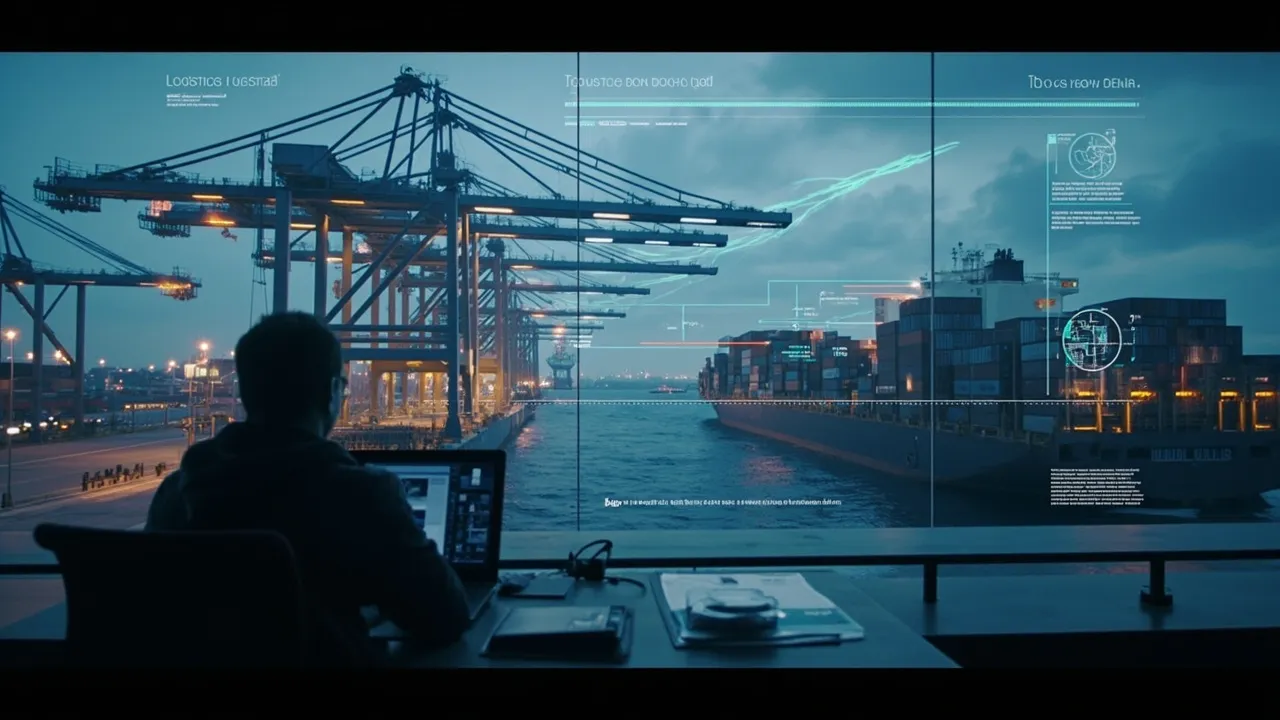
Ocean Freight Is More Likely to Arrive Late: Score Carriers by Delay Distribution, Not Average Transit
Ocean freight averages hide costly tail risk. Build a carrier scorecard around median and 90th-percentile delays, rollovers, blank sailings, and recovery.
 CXTMS InsightsOctober 9, 2026 · 6 min read
U.S. Ocean Imports Set a September Record: Convert TEU Headlines Into Gateway Capacity Triggers
U.S. container imports reached a September record. Learn how freight teams can turn national TEU data into practical port, rail, chassis, and warehouse capacity triggers.
CXTMS InsightsOctober 9, 2026 · 6 min read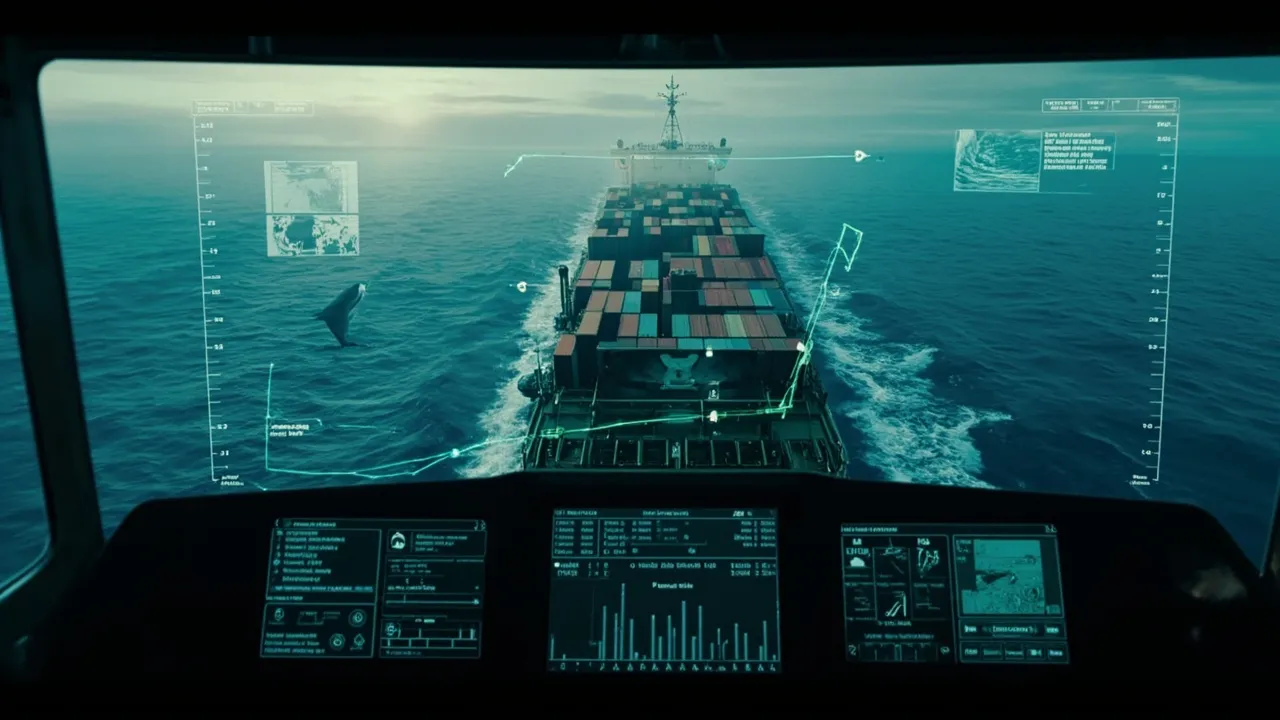
The World Shipping Council Digitizes Its Whale Chart: Make Marine-Mammal Rules Route-Aware
The WSC's digital Whale Chart makes protection measures easier to find. Ocean operators should turn that guidance into effective-dated, auditable route rules.
CXTMS InsightsOctober 8, 2026 · 6 min read
Super El Niño Threatens East African Port Access: Build a Rainfall-to-Delivery Route Matrix
Turn East Africa's October–December flood outlook into gateway, corridor, customer, and cargo decisions with a rainfall-to-delivery route matrix.
CXTMS InsightsOctober 7, 2026 · 6 min read
$9,600-per-FEU Ocean Rates Demand an Allocation Ledger, Not a Forecast Bet
When East Coast ocean spot rates reach $9,600 per FEU, shippers need lane-level allocation controls that separate genuine demand from constrained capacity.
CXTMS InsightsOctober 5, 2026 · 6 min read
Maersk's U.S. Logistics Expansion: Test Whether One Provider Really Creates One Operating Record
Maersk has assembled ocean, ground, fulfillment, air, and last-mile capabilities. Shippers should test whether that commercial bundle produces one usable operating record.
CXTMS InsightsOctober 2, 2026 · 6 min read
China-Linked Vessel Fees Remain Unsettled: Add a Port-Call Tax Scenario to Ocean Bids
Prepare ocean freight bids for possible U.S. fees on China-linked vessels by mapping vessel exposure, modeling service-string costs, and setting decision dates.
CXTMS InsightsSeptember 29, 2026 · 5 min read
Port of Oakland Volume Fell 10%: Rebuild the Gateway Forecast From Vessel Calls Up
A practical framework for turning Oakland vessel calls, container mix, and inland capacity signals into a more reliable gateway forecast.
CXTMS InsightsSeptember 26, 2026 · 6 min read
China’s Busiest Port Week: Separate Export Surges From Sustainable Capacity Demand
A weekly signal framework for distinguishing tariff-driven export pulses from durable ocean capacity demand at China’s ports.
CXTMS InsightsSeptember 25, 2026 · 6 min read
Amazon Standard Ocean Express: How to Qualify the Direct Port-to-Rail Service
Amazon Standard Ocean Express links Los Angeles imports to East Coast fulfillment centers by rail. Here is how shippers should qualify the service before shifting volume.
CXTMS InsightsSeptember 24, 2026 · 6 min read