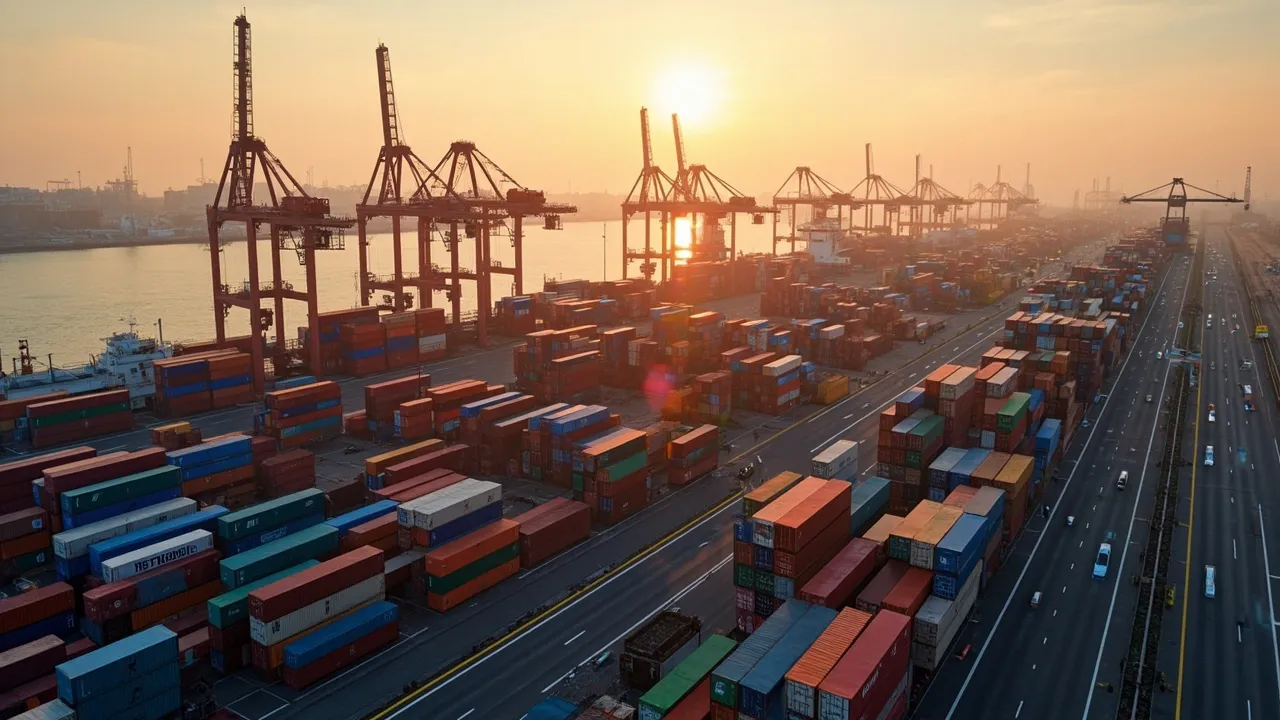
Chabahar Under Pressure: How India’s Iran Port Dilemma Could Reshape Central Asia Trade Corridors

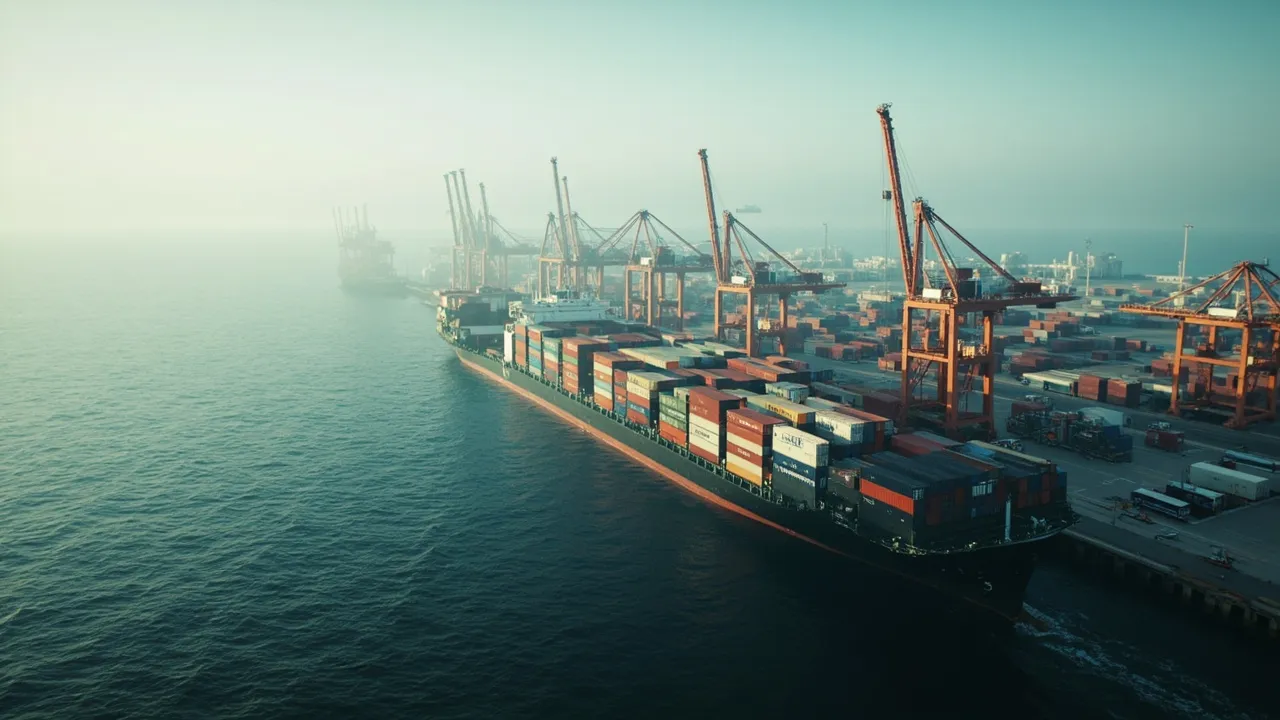
Trade corridor strategy always sounds elegant in slides. Then geopolitics shows up with a crowbar.
India’s Chabahar port position is the latest example. According to Supply Chain Brain’s April 2026 report on India’s options for its Chabahar stake, New Delhi is weighing options including a temporary divestment of its stake in the Iranian port ahead of a U.S. sanctions waiver expiry. The decision matters because India committed $120 million to the port, signed a 10-year contract in 2024, and has treated Chabahar as a strategic route into Afghanistan and Central Asia that bypasses Pakistan.
That is not a niche diplomatic story. It is a freight network story.
Chabahar sits inside a broader logistics logic that many shippers and forwarders know well: when one corridor is politically constrained, cargo owners go looking for the least bad alternative. The problem is that politically useful routes are not always politically durable routes.
Why Chabahar matters beyond India and Iran
For years, Chabahar has been more than a port asset. It has been a workaround.
India has used the port as a way to reach inland markets without relying on Pakistan-based access points, and that makes it strategically valuable even when volumes are modest compared with bigger global gateways. The same Supply Chain Brain report notes that India has sent more than 4 million tons of food aid to Afghanistan through Chabahar since 2018, which is a concrete reminder that the port is already an operating corridor, not just a geopolitical concept.
It also matters because of its link to the 7,200-kilometer International North-South Transport Corridor, a network connecting India with Iran, Russia, and Central Asian markets. When that kind of corridor functions, it gives shippers optionality. When it gets tangled in sanctions risk, optionality starts shrinking fast.
That is the real issue for logistics leaders. Chabahar is not just one port under pressure. It is a case study in how strategic routing can become commercially fragile when legal exposure changes faster than infrastructure plans.
What the sanctions waiver problem actually changes
A waiver expiry does not automatically shut the gate overnight. But it changes the operating environment in ugly ways.
First, it creates ownership and control uncertainty. If India temporarily transfers its stake to an Iranian entity, as one option under discussion suggests, counterparties will need to assess what that means for contracts, service continuity, compliance checks, banking, insurance, and partner liability.
Second, it raises transaction friction even if cargo still moves. Sanctions-sensitive routes tend to attract more internal legal review, more screening, more payment hesitation, and more insurer caution. In freight, delay is not only about vessels or trucks. It is also about whether people are suddenly afraid to touch the shipment file.
Third, it weakens long-range corridor planning. A route that depends on periodic political exceptions is harder to build around than one backed by stable regulatory assumptions. That affects port development, feeder decisions, rail integration, and shipper confidence.
This is why logistics teams should stop treating geopolitics as background noise. If a corridor depends on waivers, exemptions, or fragile diplomatic balancing acts, that corridor has to be scored as a higher-volatility asset even before anything formally breaks.
The bigger lesson is route resilience, not route purity
Too many corridor strategies are built around a single grand narrative: bypass this country, avoid that choke point, unlock this inland market, build one elegant alternative route. Real freight networks do not stay elegant for long.
The smarter approach is politically resilient routing.
That means evaluating a lane not just on transit time and cost, but on five uglier questions:
- How exposed is the route to sanctions or export-control changes?
- Can carriers, banks, and insurers continue supporting the move under stress?
- Is there a credible fallback mode or alternate gateway?
- How dependent is the corridor on one government waiver, one rail link, or one border posture?
- How fast can shipment planning teams reclassify cargo if the route suddenly becomes restricted?
Chabahar is useful precisely because it reduces one geopolitical dependency. But that does not make it dependency-free. It simply swaps one set of risks for another.
What freight forwarders and regional shippers should do now
1. Reclassify Chabahar-linked flows as sanctions-sensitive
If your organization moves cargo through Iran-facing corridors, treat them like dynamic-risk lanes, not normal operating lanes. They deserve tighter review cadence and executive visibility.
2. Separate strategic value from operational reliability
A route can be strategically brilliant and still be a pain in the ass operationally. Do not confuse national corridor ambition with day-to-day shipment reliability. Your customer only sees whether the cargo moved cleanly.
3. Build alternate corridor assumptions before you need them
Map fallback options now, whether that means other ocean gateways, different inland handoff points, or revised market-entry sequences for Central Asia. Late contingency planning is just panic with spreadsheets.
4. Pressure-test compliance workflows
Ask whether your screening, documentation, payment, and insurance processes can handle a sanctions shock without freezing the move. Many companies discover their real bottleneck is not transportation capacity. It is internal approval paralysis.
5. Watch connectivity projects, not just headlines
India’s interest in expanding the port through a rail link shows that infrastructure and policy are moving together. Track both. A corridor is only as useful as its inland continuity.
Why this matters for global supply chains in 2026
The Chabahar dilemma lands in a year when more companies are already rethinking geographic concentration, politically exposed sourcing, and trade-lane redundancy. The old model assumed that if a route existed physically, it was probably usable commercially. That assumption keeps getting punished.
For freight forwarders, NVOs, and shippers serving South Asia, Central Asia, and sanctions-adjacent markets, the takeaway is simple: corridor design now needs the same discipline that companies apply to supplier risk.
Infrastructure matters. Diplomacy matters. But operational resilience matters more.
If India keeps Chabahar active, the port could remain a meaningful strategic bypass and a valuable node for Central Asia access. If the sanctions environment hardens and operating structures become more improvised, the lane may still function, but with more compliance drag, more partner hesitation, and more cost hidden in the paperwork.
That is how trade corridors usually degrade. Not with one dramatic closure, but with a slow accumulation of friction until the route stops being attractive.
The teams that handle that best will be the ones that treat geopolitical routing as a live operating variable, not a quarterly talking point.
Want tighter control over route risk, shipment visibility, and exception management across politically exposed trade lanes? Request a CXTMS demo to see how CXTMS helps logistics teams plan around corridor disruption before it wrecks service commitments.