The IMO’s Hormuz Evacuation Planning Shows Maritime Risk Has Moved From Surcharge to Systemic Threat

For years, maritime risk around the Strait of Hormuz was usually treated like a pricing annoyance. Fuel moves, war-risk premiums rise, carriers pass through surcharges, and importers grumble. That framing is dead.
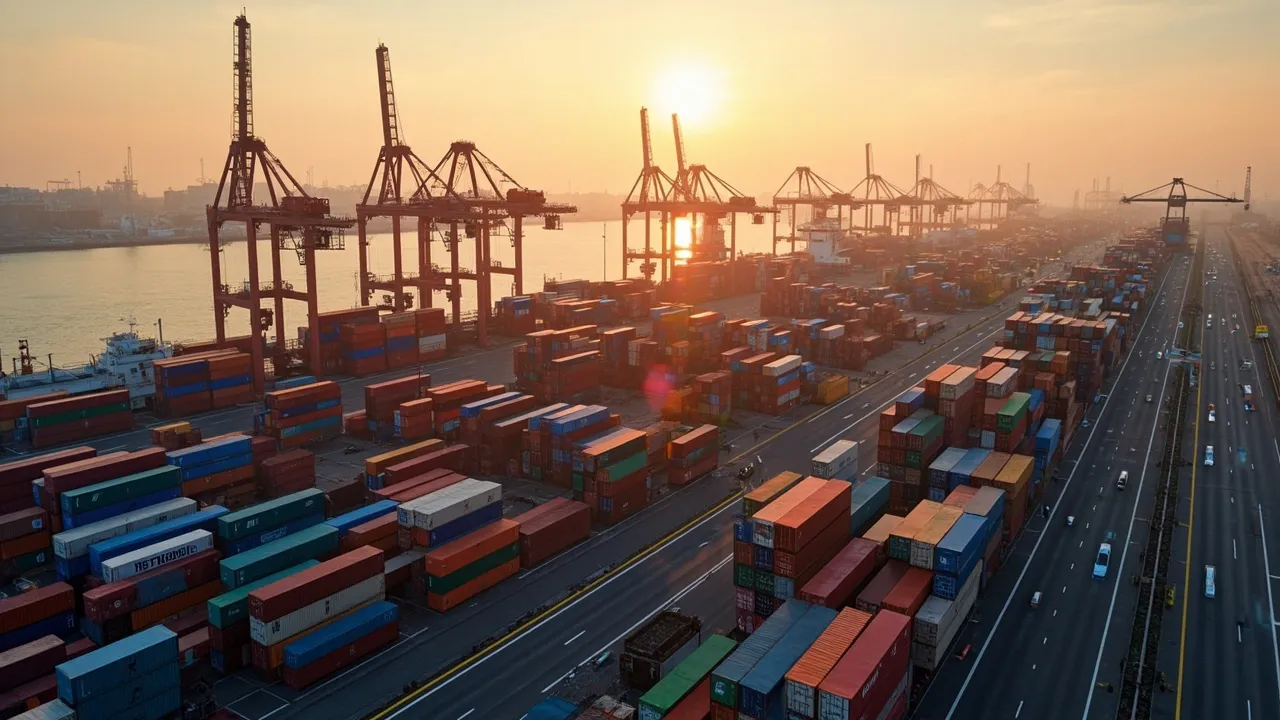
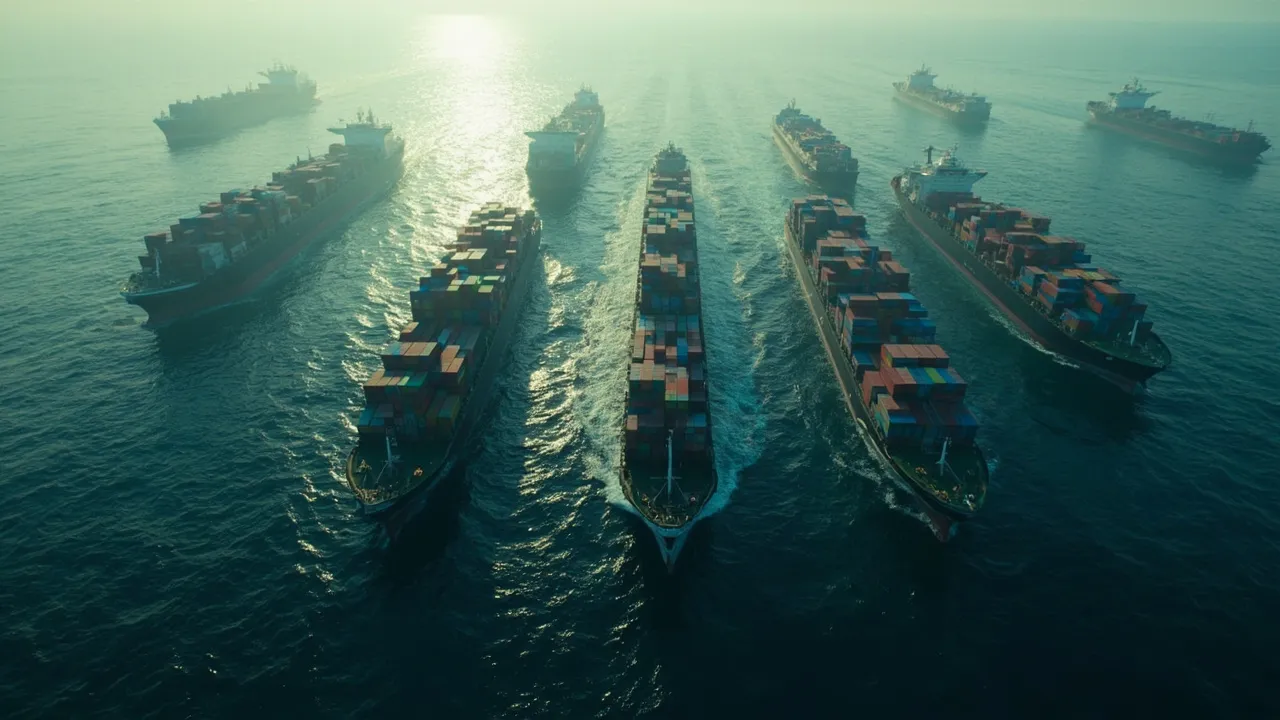
According to SupplyChainBrain, the International Maritime Organization is now working on an evacuation plan for around 800 ships stuck in the Persian Gulf after traffic through Hormuz slowed to a trickle. That number changes the conversation immediately. Once hundreds of vessels are stranded and the IMO is discussing the order in which crews may be moved out, this is no longer about marginal cost recovery. It is a network continuity event.
That matters because Hormuz is not some niche maritime chokepoint. It is one of the world’s most important energy corridors, and when disruption there lingers, the impact spreads far beyond tanker owners.
Logistics Management reported this week that the Strait of Hormuz carries about 20% of the world’s oil, while oil prices briefly hit $100 a barrel for the first time in four years. The same report highlighted how the fallout is already feeding broader transportation inflation, with energy prices up 12.5% and U.S. inflation rising 3.3% in March. In plain English, geopolitical disruption in one waterway is now showing up in freight budgets, route planning, and consumer prices everywhere else.
Why evacuation planning is such a big deal
Contingency plans are common in shipping. Evacuation planning for hundreds of stranded vessels is different.
The IMO’s reported framework includes sequencing departures based on how long crews have been stuck and reopening movement only when de-escalation is credible and navigational hazards, including mines, are assessed. That tells operators two important things.
First, restoration will not be instantaneous even if the fighting cools. There will be a controlled release of capacity, not a clean overnight restart. Second, the humanitarian dimension is now shaping operating logic. When the priority becomes moving seafarers out safely rather than simply restoring cargo flow, cargo owners should assume service normalization will take longer than optimistic carrier updates suggest.
That distinction is brutal for planning. Supply chains can absorb bad news better than false hope. The real danger is assuming a chokepoint has reopened in theory when actual vessel throughput, crew rotation, inspection procedures, and safe routing remain constrained in practice.
What happens downstream when 800 ships are delayed
The first obvious impact is on tanker availability. If ships are trapped, repositioning becomes harder, voyage cycles lengthen, and effective capacity shrinks. Even before formal shortages appear, charter markets tighten because uncertainty itself has value. Carriers and tanker operators price risk aggressively when schedules stop being predictable.
The second effect is schedule reliability. Maritime networks are already fragile when port calls, bunkering windows, inland handoffs, and berth allocations are tightly sequenced. A large-scale disruption in Hormuz means delays do not stay local. They ripple into vessel rotations, missed transshipment connections, and equipment imbalances across other corridors.
The third effect is routing behavior. Some cargo owners will wait, some will reroute, and some will split flows across modes to protect service. Logistics Management noted that some goods normally moving from Asia toward Europe are already being shifted in more creative ways to manage costs and disruption. Once that starts, networks get weird fast. Airfreight demand can jump. Inland drayage patterns shift. Inventory buffering returns. Every workaround costs more than the original plan.
Why importers should stop thinking only in surcharge language
The lazy response is to ask what new war-risk surcharge is coming. The smarter response is to ask which assumptions in the network just broke.
If Hormuz disruption persists, importers need to treat it as a systems problem with at least four layers:
- procurement risk, because raw materials, petrochemicals, and energy-linked inputs can tighten or reprice quickly
- transportation risk, because ocean schedules, carrier routing, and fuel costs all become more volatile
- inventory risk, because replenishment timing turns less reliable precisely when demand planners want certainty
- customer risk, because service commitments made under normal transit assumptions start falling apart
That is why this story matters even for companies that do not move cargo directly through the Gulf. Rising fuel costs and disrupted vessel networks do not respect neat geographic boundaries.
A practical contingency checklist for shippers
Importers should be doing four things now, not next week.
1. Reclassify affected lanes by criticality
Do not treat all exposure equally. Identify which SKUs, customers, and origins are most vulnerable to energy-price spikes, delayed ocean services, or supplier interruptions linked to Gulf instability.
2. Build trigger-based routing decisions
Predefine what happens if transit times extend beyond a threshold, if fuel surcharges jump again, or if a supplier misses a handoff window. Waiting to improvise in the middle of disruption is how teams burn margin.
3. Tighten ETA and exception visibility
This is the moment for real milestone tracking, not vague status updates. Teams need to know when a vessel is delayed, when a connection is missed, and when downstream appointments must be reworked.
4. Review inventory buffers and customer commitments
If lead times through exposed corridors are no longer dependable, safety stock assumptions and promised delivery windows need a reality check. Better to reset expectations early than fail quietly later.
The bigger lesson
The IMO’s Hormuz evacuation planning is a warning shot. Maritime disruption has crossed the line from cost volatility into operating instability. When 800 ships are stuck, 20% of global oil flow is tied to the same chokepoint, and transportation inflation is already feeding through the economy, importers cannot afford to manage this as a finance-only issue.
This is now a control-tower problem, a procurement problem, and a customer-service problem all at once.
The companies that handle it best will be the ones that treat geopolitical shocks as execution events, not just headline risk.
If your team needs better visibility into disrupted ocean flows, route exceptions, and contingency execution, book a CXTMS demo to see how CXTMS helps logistics teams respond before delay turns into damage.